


The first batch of investments, which is expected to total several billion dollars, includes funding for technology, infrastructure, and manufacturing sectors. These investments are seen as a way to bolster job creation in the U.S. and enhance collaboration on innovation between American and Japanese companies.
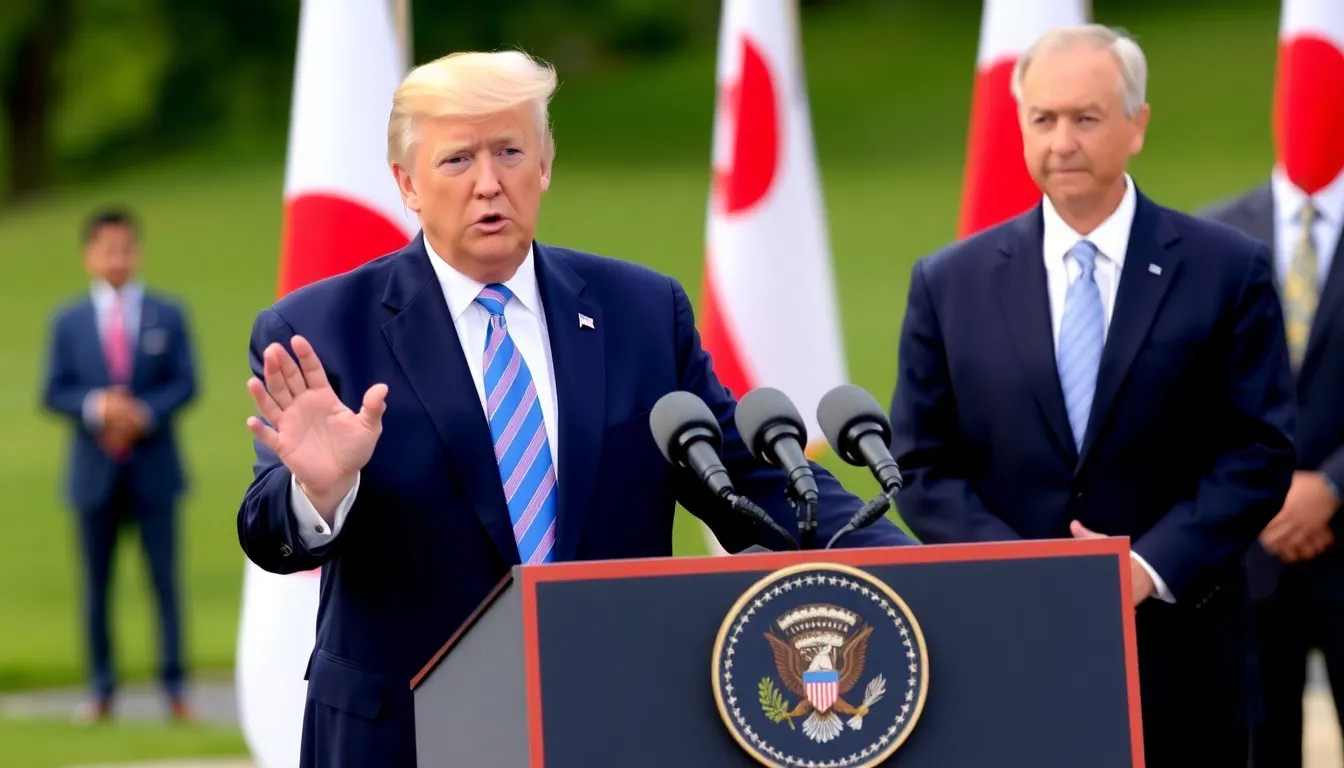
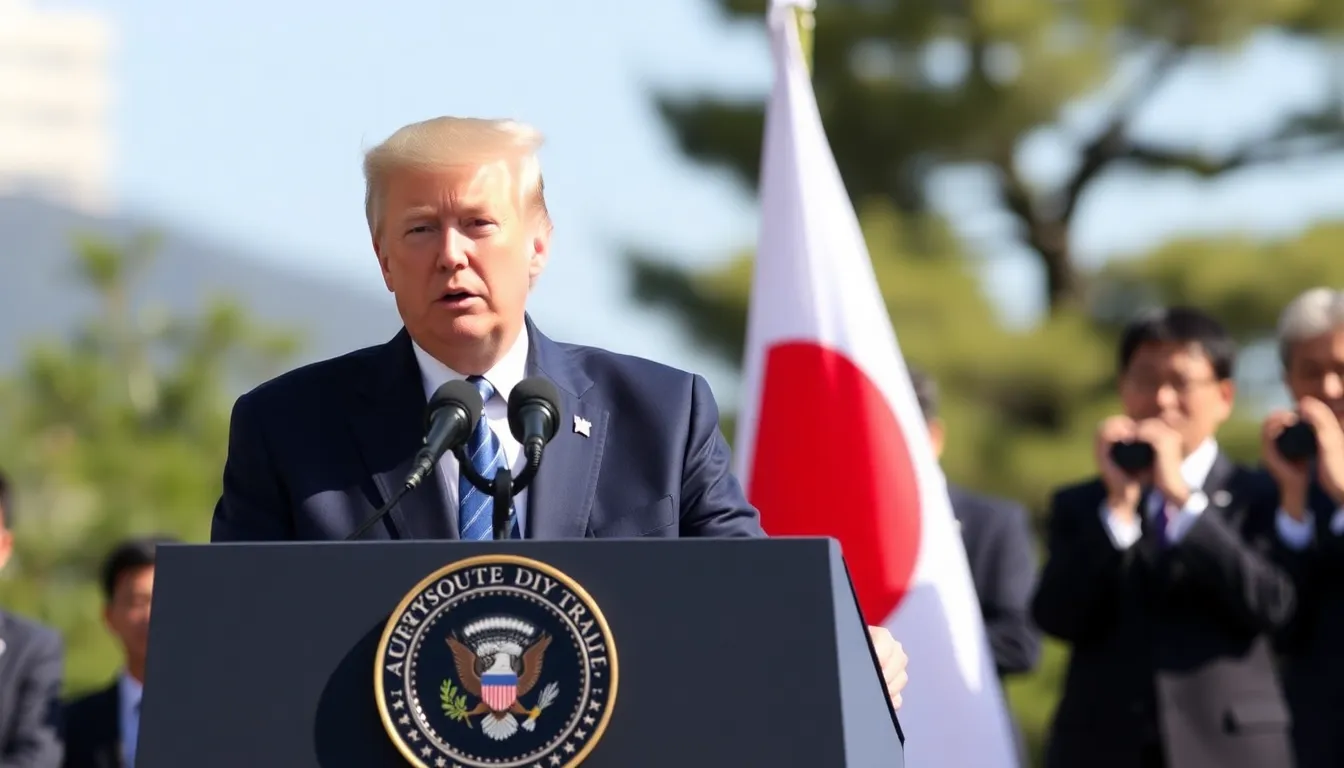
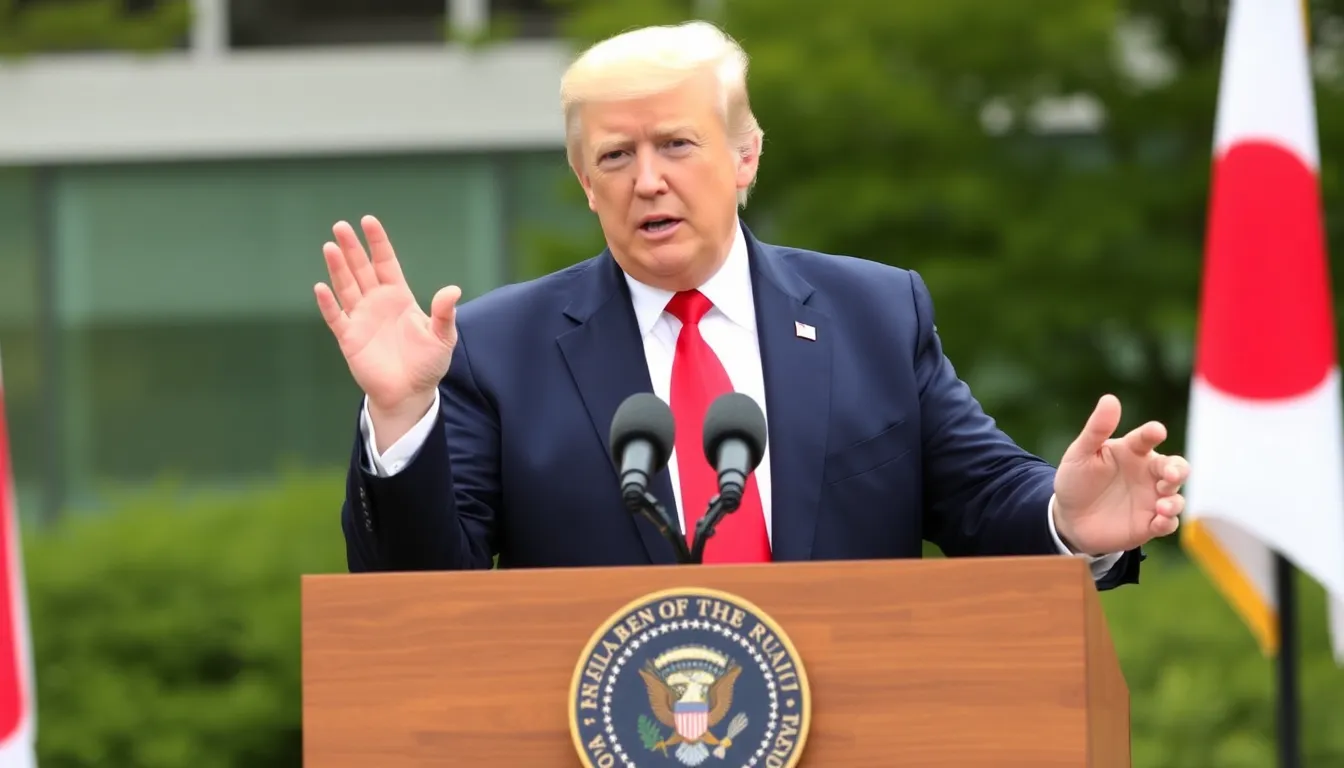
Trump emphasized the importance of these investments during a press conference held on October 15, 2023. He noted that such financial commitments from Japan are crucial for maintaining a competitive edge in the global market, especially as both countries navigate economic uncertainties. For more on this topic, explore related discussions in the article about trade and economic policies.
This development is significant not only for the U.S. economy but also for Japan, as it seeks to expand its influence and economic footprint abroad. The partnership is expected to yield mutual benefits, fostering a more resilient economic framework in a rapidly changing geopolitical landscape.
The significance of US-Japan economic relations
The economic relationship between the United States and Japan has been a cornerstone of stability and growth in the Asia-Pacific region for decades. Following World War II, the U.S. played a pivotal role in Japan’s reconstruction, leading to the establishment of a strong bilateral partnership. This partnership has evolved through various economic agreements and mutual interests, making Japan one of the largest foreign investors in the U.S. and a key trading partner.
Historically, the U.S.-Japan economic relationship has been marked by significant milestones. The signing of the Treaty of Mutual Cooperation and Security in 1960 not only solidified military ties but also laid the groundwork for economic cooperation. Over the years, Japan’s rapid economic growth in the 1980s, characterized by its technological advancements and robust manufacturing sector, further strengthened this relationship, leading to increased American investments in Japan. This national partnership is echoed in the economic frameworks of various countries.
Recent Developments in U.S.-Japan Investments
In recent years, the dynamics of U.S.-Japan investments have shifted, particularly under the Trump administration. The focus on “America First” policies prompted a re-evaluation of trade agreements and foreign investments. Trump’s administration hailed Japan’s commitment to investing in the U.S., which was seen as a significant step towards balancing trade deficits and fostering economic growth. The announcement of Japan’s first batch of investments in the U.S. signifies a renewed commitment to strengthening economic ties, aimed at benefiting both nations. For more insights, consider the impact of similar deals as highlighted in the piece on international collaborations.
As global economic conditions continue to evolve, the U.S.-Japan economic relationship remains crucial. The collaboration between the two countries not only impacts their domestic economies but also influences global markets, particularly in sectors such as technology, automotive, and agriculture. Understanding the historical context and recent developments is essential to grasp the implications of Japan’s investments in the U.S. and the broader economic landscape.
Key stakeholders involved in the investment deal
The recent announcement of Japan’s first batch of U.S. investments has brought several key stakeholders into the spotlight. Among them are the U.S. government, Japanese corporations, and various economic and trade organizations. Each of these actors plays a crucial role in shaping the dynamics of this investment deal.
First and foremost, the U.S. government, led by former President Donald Trump, has a vested interest in promoting American businesses abroad. By supporting these investments, the administration aims to bolster economic growth, create jobs, and enhance trade relations with Japan. This aligns with Trump’s broader agenda of prioritizing American interests in foreign policy.
On the other side, Japanese corporations are equally motivated by the potential benefits of these investments. Companies such as Toyota and Sony are looking to expand their operations and increase their market presence in the United States. This investment not only allows them to tap into the lucrative U.S. market but also helps in diversifying their business portfolios amidst global economic uncertainties.
However, these investments are not without their challenges. Key issues include trade tariffs, regulatory hurdles, and concerns about economic nationalism. The U.S. and Japan must navigate these complexities to ensure that the investment flow remains beneficial for both parties. Additionally, there are potential conflicts arising from differing economic policies and priorities between the two nations.
- Trade Tariffs: Ongoing discussions about tariffs could affect the viability of investments.
- Regulatory Compliance: Companies must adhere to both U.S. and Japanese regulations, which can be cumbersome.
- Economic Nationalism: Rising protectionist sentiments may pose risks to foreign investments.
- Market Dynamics: Fluctuations in the global economy could impact the potential returns on these investments.
- Geopolitical Relations: Diplomatic relations between the U.S. and other nations could influence investment decisions.
Potential effects on the US and Japanese markets
The recent announcement by former President Trump regarding Japan’s first batch of U.S. investments is poised to impact various groups and industries in both nations. Key sectors such as technology, automotive, and agriculture are likely to experience significant shifts as a result of these investments. Additionally, regions with strong ties to these industries, particularly in the U.S. Midwest and Japan’s Aichi Prefecture, may see heightened economic activity.
In the short term, businesses in the affected sectors could benefit from increased capital inflow, leading to job creation and enhanced production capabilities. This influx of investment may also stimulate local economies, providing a boost to small businesses and service providers in the vicinity of major industrial hubs. However, there are risks associated with this rapid growth, including potential supply chain disruptions and increased competition among domestic firms.
Mid-term implications may include shifts in policy as both governments reassess trade agreements and regulatory frameworks to accommodate new investments. For instance, the U.S. might implement measures to protect its industries from foreign competition, while Japan may seek to attract further foreign direct investment by offering incentives. This could lead to a more competitive market environment, benefiting consumers but posing challenges for existing businesses.
While there are undeniable risks, the potential opportunities are substantial. Key areas of opportunity include:
- Innovation: Increased collaboration between U.S. and Japanese firms could spur technological advancements.
- Market Expansion: Companies may find new markets for their products and services in both regions.
- Job Creation: New investments are likely to create jobs in both countries, benefiting local communities.
The balance between these risks and opportunities will shape the economic landscape in the coming years, influencing how businesses operate and how consumers engage with the market.
A: The investments include significant funding in technology and infrastructure projects aimed at enhancing bilateral trade relations. A: Experts believe that the influx of Japanese investments could create jobs and stimulate economic growth in various sectors. A: Japan’s decision is influenced by the desire to strengthen economic ties and counterbalance China’s growing influence in the region. A: Potential risks include geopolitical tensions and market volatility that could affect the stability of the investments. A: Trump’s administration has consistently promoted foreign investments as a means to boost the US economy and create jobs.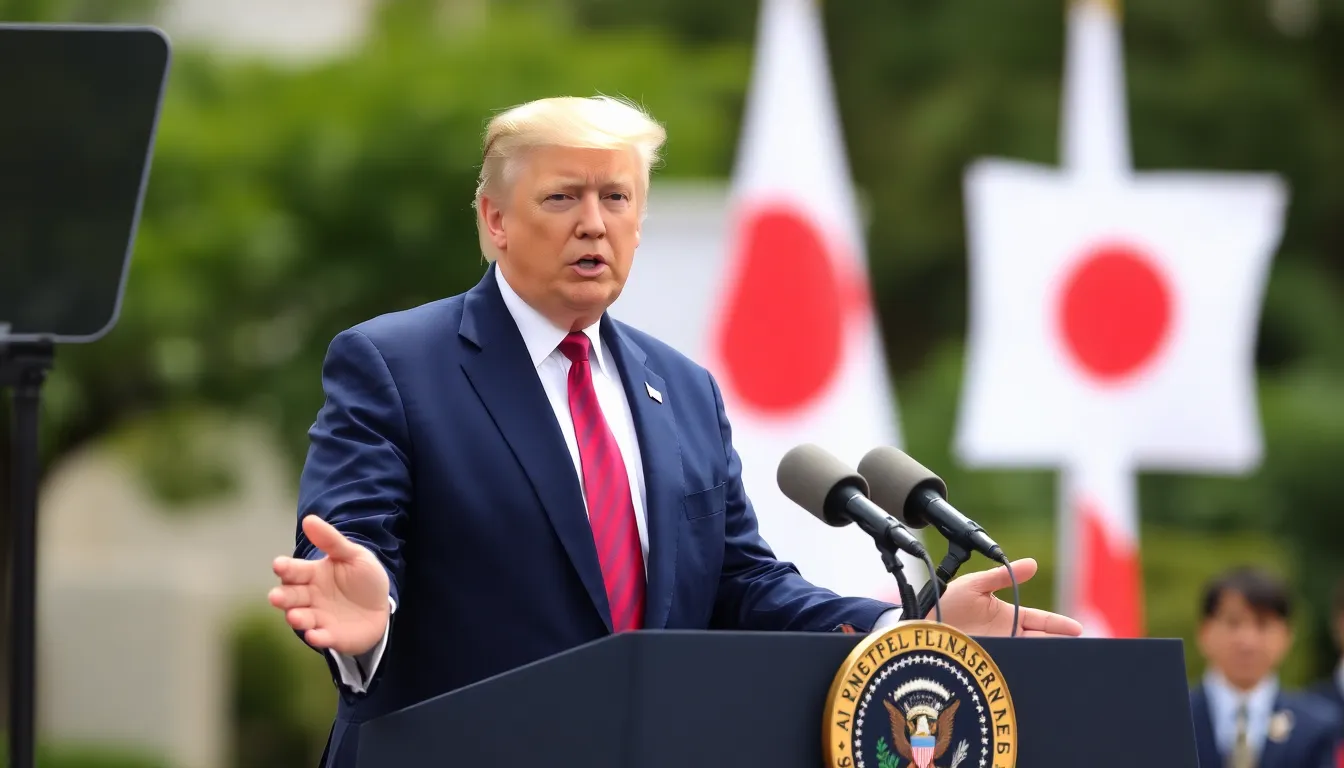
Frequently asked questions about the investments
Future outlook on US-Japan economic collaboration
The recent announcement of Japan’s first batch of U.S. investments marks a significant milestone in the economic relationship between the two nations. This development not only underscores the strengthening ties but also reflects a broader strategy to enhance mutual economic benefits. As both countries navigate a complex global landscape, the implications of this collaboration could extend beyond mere financial transactions, influencing trade policies and regional stability.
Moving forward, stakeholders should closely monitor how these investments will shape various sectors, including technology and infrastructure. The collaboration may also set a precedent for future investment flows, potentially encouraging other nations to engage more deeply with the U.S. and Japan, thereby reshaping global economic dynamics.
- Increased Investment Opportunities: Expect a rise in joint ventures and partnerships, particularly in technology and green energy sectors.
- Trade Policy Adjustments: Watch for potential shifts in trade policies that may arise as both countries seek to protect and promote their interests.
- Regional Economic Influence: The U.S.-Japan collaboration could inspire other nations in the Asia-Pacific region to strengthen their economic ties with both countries.
- Focus on Innovation: Anticipate a stronger emphasis on innovation and R&D, driven by increased funding and collaboration between U.S. and Japanese firms.