


This funding is particularly crucial as many schools have reported struggling to provide adequate support due to financial constraints.
As part of this overhaul, the government has committed to a comprehensive review of the SEND process, ensuring that families have clearer pathways to access the support their children need. This includes enhancing training for educators and improving collaboration between schools, local authorities, and health services.
Stakeholders, including educators and parents, have welcomed the announcement, emphasizing the importance of timely and sufficient funding to create inclusive educational environments. The success of this initiative will depend on effective implementation and the ongoing commitment to monitor its impact on students’ learning experiences.
Understanding the background of the SEND system in England
Historically, children with special needs were often marginalized, but the introduction of the Education Act 1981 marked a pivotal moment.

In 2014, the Children and Families Act was enacted, which aimed to improve the support available for children with special educational needs and disabilities. This legislation replaced the previous system of Statements of Special Educational Needs with Education, Health and Care (EHC) Plans, designed to provide a more integrated approach to care and education. However, despite these advancements, many families have reported ongoing challenges, including inadequate funding and a lack of suitable placements for their children.
Recent Developments and Challenges
This move is seen as a crucial step towards addressing the systemic issues that have persisted for years, particularly as schools are facing increasing scrutiny from advocacy groups and parents.
Moreover, the political landscape surrounding SEND has evolved, with advocacy groups and parents pushing for more accountability and transparency in how funds are allocated and spent. The emphasis on early intervention and support has gained traction, highlighting the importance of addressing special educational needs at an early stage to improve long-term outcomes for children. As the government embarks on this SEND overhaul, the focus will be on ensuring that the necessary resources are available to create an equitable educational environment for all children.
Key stakeholders and issues surrounding the SEND overhaul
The recent announcement regarding increased budget allocations for children with special educational needs and disabilities (SEND) in England has drawn the attention of various stakeholders. These include government bodies, educational institutions, parents, advocacy groups, and the children themselves. Each of these actors has distinct interests and concerns that shape the ongoing discourse surrounding the SEND reforms.
At the forefront are the local authorities and schools, which are tasked with implementing the new funding strategies. They are primarily concerned with how the budget will be distributed and whether it will adequately meet the diverse needs of students with SEND. The potential for increased funding is welcomed, yet there are apprehensions regarding the administrative burden and the capacity to effectively utilize these resources.
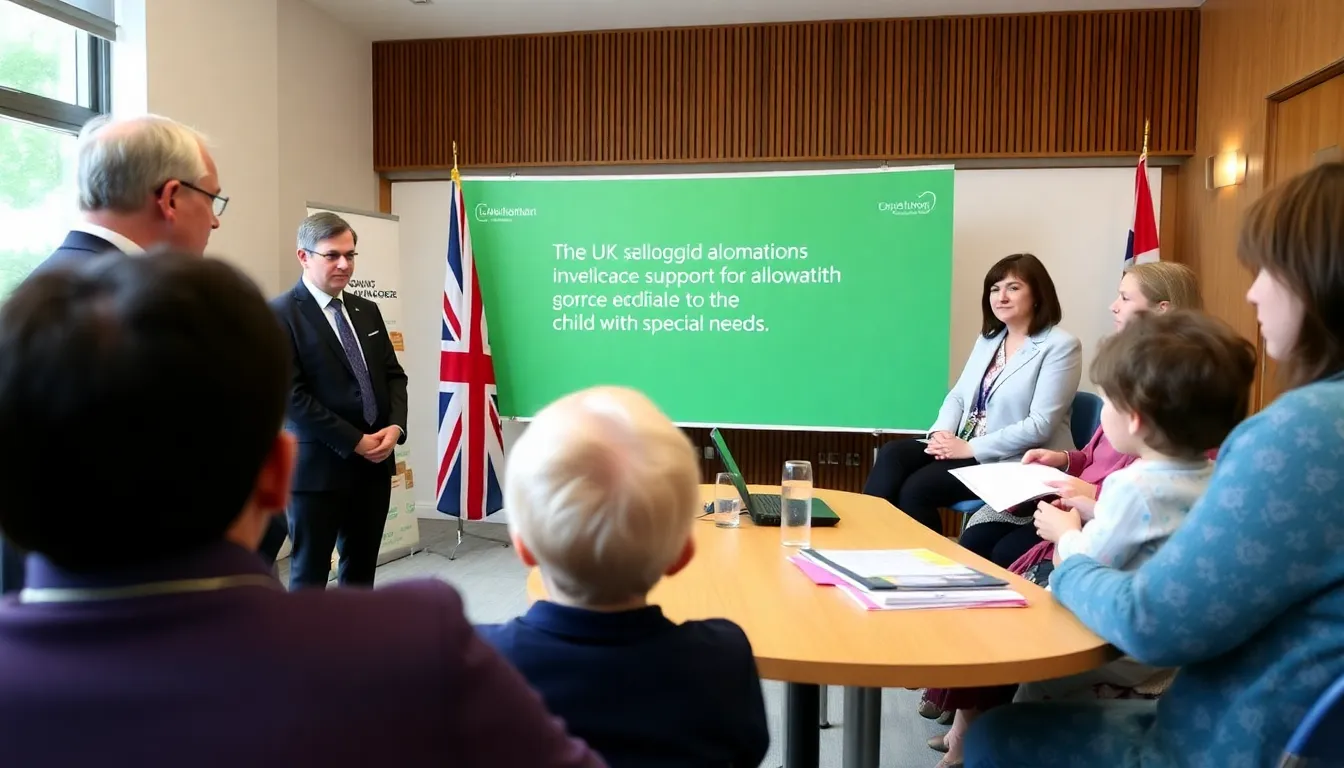
Parents and caregivers of children with SEND are also key stakeholders, advocating for their children’s rights to receive appropriate educational support. Their primary interest lies in ensuring that the funding translates into tangible improvements in educational outcomes and support services. However, they may face conflicts with schools regarding the adequacy and quality of provisions, leading to potential disputes over resource allocation.
Advocacy groups play a crucial role in representing the voices of children with SEND. They aim to influence policy decisions and ensure that the needs of these children are prioritized. Their concerns often highlight the systemic issues within the educational framework, including the need for comprehensive training for educators and better integration of SEND provisions within mainstream education.
- Funding Allocation: The distribution of the budget among schools and local authorities raises questions about equity and adequacy.
- Implementation Challenges: Schools may struggle with the practical aspects of applying new funding effectively.
- Parental Advocacy: Parents may need to navigate conflicts with schools to ensure their children receive necessary support.
- Legal Considerations: Compliance with existing laws regarding SEND provision may pose challenges during the overhaul.
- Long-term Outcomes: The focus on immediate funding may overshadow the need for sustainable, long-term solutions.
Impact on students, schools, and families
The recent decision to allocate additional budget for children with special needs in England is set to have a profound impact on various groups, including students, educational institutions, and families. This initiative is part of a broader overhaul of the Special Educational Needs and Disabilities (SEND) system, which aims to enhance support for those who require it the most.
In the short term, schools will experience an influx of resources that can be directed towards specialized training for staff, improved facilities, and tailored learning materials. This may lead to a more inclusive environment where students with special needs can thrive alongside their peers. Families will likely feel an immediate relief as they gain access to better support services, reducing the pressure and uncertainty often associated with navigating the SEND system.

However, there are risks associated with the implementation of this budget. Schools may face challenges in effectively allocating and managing the new funds, leading to potential disparities in how support is delivered across different regions. Additionally, without proper oversight, there is a chance that the funds may not reach the intended beneficiaries, leaving some students still underserved.
In the mid-term, the impact on the education sector could be significant. As schools adapt to the new funding model, we may see a shift in educational policies that prioritize inclusivity and accessibility. This could encourage other regions to adopt similar funding strategies, thereby raising the standard of education for all students. Furthermore, businesses that specialize in educational resources and training may find new opportunities for growth as schools look to enhance their offerings.
- Enhanced support services for students with special needs.
- Increased training and resources for educators.
- Potential disparities in fund allocation across regions.
- Opportunities for businesses in educational products and services.
Overall, while the new budget presents risks that must be managed, it also opens doors for innovation and improvement within the education system, ultimately benefiting students, families, and the broader community.
A: The SEND overhaul refers to the comprehensive changes being made to the Special Educational Needs and Disabilities system in England, aimed at improving support and resources for children with special needs. A: Schools will receive additional funding specifically earmarked for supporting children with special needs, allowing them to provide better resources and tailored educational plans. A: The new funding is expected to be rolled out in the upcoming academic year, with schools being notified of their allocations in advance. A: Each school will have the autonomy to decide how to allocate the budget based on the specific needs of their students, in consultation with parents and educational professionals. A: While the initial budget is part of a reform effort, future funding will depend on government assessments and the ongoing needs of the SEND system.
Frequently asked questions about the SEND budget changes
Key insights and future outlook on special needs education funding
The recent announcement regarding increased funding for children with special needs in England marks a significant shift in the approach to special educational needs and disabilities (SEND). This overhaul aims to provide schools with the necessary resources to better support students, ensuring that their unique needs are met in an inclusive environment. As schools adapt to these changes, the focus will likely be on effective implementation and monitoring of the new funding mechanisms.
Moving forward, stakeholders will need to pay close attention to how this funding is allocated and utilized. The success of this initiative will depend on collaboration between schools, local authorities, and families to create tailored support systems that truly benefit children with special needs.
- Increased funding allocations: Schools will receive dedicated budgets, allowing for more specialized resources and support staff tailored to individual needs.
- Focus on inclusive practices: The funding will encourage schools to adopt more inclusive teaching methods, fostering an environment where all students can thrive together.
- Collaboration with families: Effective communication between schools and families will be crucial in ensuring that the support provided aligns with the specific requirements of each child.
- Monitoring and evaluation: Continuous assessment of the funding’s impact will be necessary to ensure that it is effectively addressing the needs of students with SEND.
- Potential for innovation: Schools may explore new programs and interventions, leveraging the additional funding to implement creative solutions for special needs education.