


The resurgence of measles is attributed to various factors, including a decline in vaccination rates and misinformation surrounding vaccine safety. The Mexican government, alongside the World Health Organization (WHO), is emphasizing the importance of vaccination to prevent further outbreaks and protect public health.
In response to the growing crisis, health officials have launched public awareness campaigns to encourage families to vaccinate their children. These initiatives aim to address hesitancy and misinformation while ensuring that communities are informed about the dangers of measles and the benefits of immunization.
As the situation develops, Mexico’s ability to maintain its measles-free status hangs in the balance. The next few months will be critical in determining whether the country can successfully curb the outbreak and reinforce its vaccination efforts to safeguard the health of its population, especially considering the recent trends in international health threats.
Understanding the historical context of measles vaccination in Mexico
Mexico has a long-standing history of vaccination efforts, particularly against measles, which was once a leading cause of childhood mortality. The country achieved significant milestones in the 1990s with the introduction of widespread vaccination campaigns. These initiatives, supported by both the government and international organizations, led to a dramatic decline in measles cases, ultimately resulting in the country being declared measles-free in 2000.
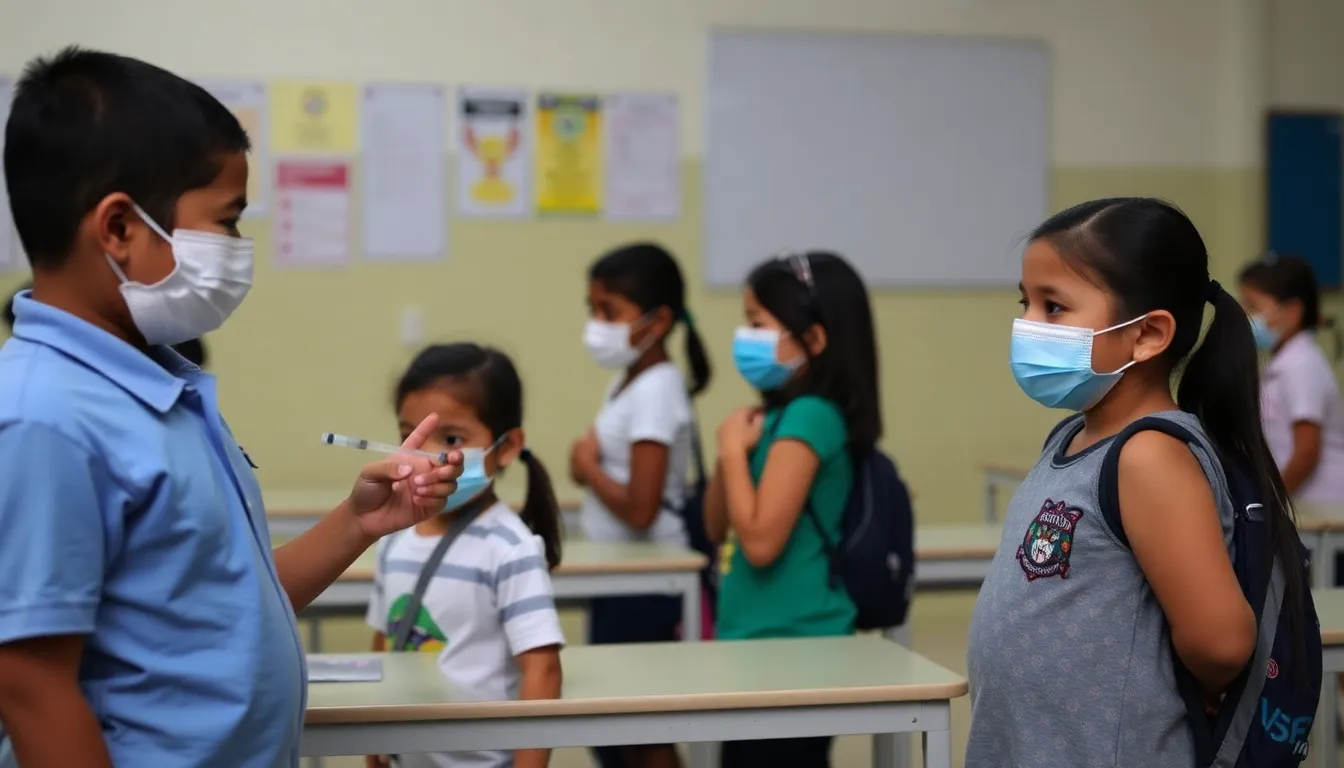
However, this status has been threatened in recent years due to a combination of factors, including a rise in vaccine hesitancy fueled by misinformation and a growing anti-vaccine movement. Social media has played a critical role in spreading unfounded fears about vaccine safety, leading to decreased vaccination rates among parents. As a result, many children have gone unvaccinated, which has raised concerns about the resurgence of measles.
In addition to social factors, political challenges have also contributed to the current situation. Budget cuts to public health initiatives and a lack of resources for vaccination campaigns have hindered efforts to maintain high immunization coverage. The COVID-19 pandemic further exacerbated these issues, as health systems were stretched thin, diverting attention and resources away from routine immunization programs.
Key Milestones in Vaccination Efforts
Throughout the years, Mexico has made significant strides in its vaccination efforts. The introduction of the Combined Measles-Mumps-Rubella (MMR) vaccine in the late 1990s was a pivotal moment, as it streamlined the immunization process for children. Furthermore, international collaborations, such as those with the World Health Organization, have bolstered Mexico’s vaccination initiatives. However, the recent decline in vaccination coverage, particularly among marginalized communities, poses a serious threat to these achievements.
Key stakeholders and the implications of declining vaccination rates
The issue of declining vaccination rates in Mexico, which threatens the country’s measles-free status, involves several key stakeholders, each with distinct interests and responsibilities. These stakeholders include the Mexican government, healthcare organizations, parents, and international health bodies such as the World Health Organization (WHO).
The Mexican government plays a crucial role in public health policy and vaccination programs. Its interest lies in maintaining public health and preventing outbreaks that could strain healthcare resources and damage its international reputation. However, budget constraints and political priorities can often lead to underfunding of vaccination initiatives, complicating efforts to maintain high immunization coverage.
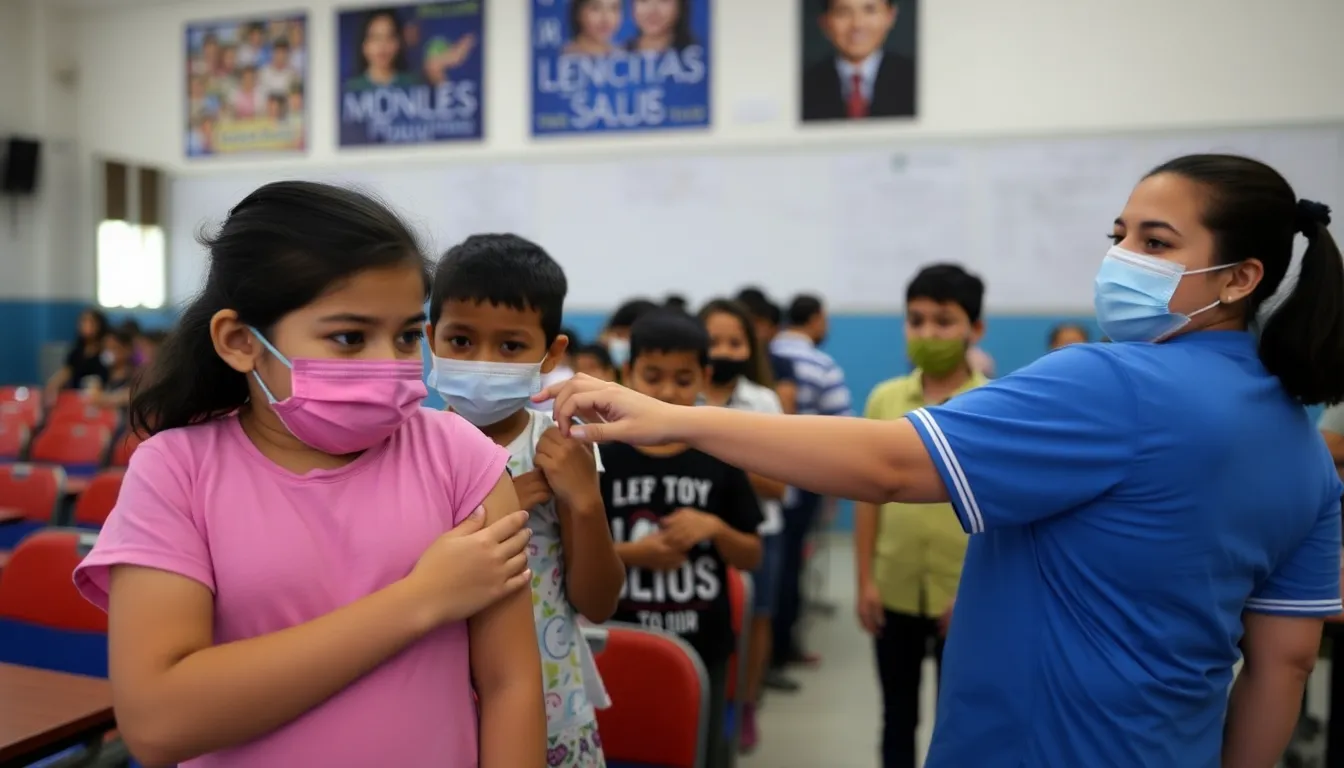
Healthcare organizations, both public and private, are tasked with administering vaccines and educating the public about their importance. They face challenges such as misinformation regarding vaccine safety, which can lead to hesitancy among parents. This hesitancy is a significant barrier to achieving herd immunity, which is essential for preventing outbreaks of diseases like measles, a topic critical to understanding public health in the context of government policies.
- Public health implications: A decline in vaccination rates can lead to increased susceptibility to measles outbreaks, posing risks not only to unvaccinated individuals but also to those who cannot be vaccinated due to medical reasons.
- Economic considerations: Measles outbreaks can result in substantial healthcare costs associated with treating infected individuals and managing public health responses.
- Legal issues: The government may face legal challenges if it fails to protect public health, leading to potential liabilities if outbreaks occur.
- International relations: Losing measles-free status could affect Mexico’s standing with international health organizations and its ability to participate in global health initiatives.
Parents, as primary decision-makers regarding their children’s health, are also significant stakeholders. Their perceptions of vaccine safety and efficacy are influenced by social media, community beliefs, and personal experiences. Addressing their concerns through transparent communication and education is vital to reversing the trend of declining vaccination rates.
The potential health impacts on communities and the healthcare system
The potential loss of Mexico’s measles-free status poses significant risks to various groups, particularly children and vulnerable populations. Communities with low vaccination rates are at higher risk of outbreaks, which can lead to severe health complications. Parents may face increased anxiety about their children’s health, impacting their daily routines and decision-making regarding healthcare.
Healthcare systems may experience a surge in demand for services as outbreaks occur. Hospitals and clinics could become overwhelmed with cases, diverting resources from other essential services. This strain may lead to longer wait times for patients seeking care for non-measles-related issues, affecting overall healthcare accessibility.
In the short term, businesses, especially those in the healthcare and pharmaceutical industries, may see a spike in demand for vaccines and related health services. However, industries reliant on tourism could suffer as travelers may reconsider visiting areas with reported measles cases. The public’s perception of safety in these regions could lead to decreased economic activity.
- Increased healthcare costs due to outbreak management.
- Potential decline in tourism and related sectors.
- Heightened public health campaigns and vaccination drives.
- Opportunities for pharmaceutical companies to innovate vaccine distribution.
In the mid-term, government policies may shift towards stricter vaccination requirements to prevent further outbreaks. This could lead to debates around personal freedom versus public health, impacting political landscapes and community relations. Additionally, there may be increased funding for public health initiatives aimed at improving vaccination rates and educating the public about the importance of immunization.
A: Mexico is currently facing an increase in measles cases, which threatens its status as measles-free. This situation has arisen due to lower vaccination rates. A: Vaccination is crucial as it helps to build herd immunity, protecting those who cannot be vaccinated. It also prevents outbreaks and protects public health. A: Symptoms of measles include high fever, cough, runny nose, and a distinctive rash. It can lead to serious complications, especially in young children. A: Communities can improve vaccination rates by organizing awareness campaigns, providing accessible vaccination services, and addressing vaccine hesitancy. A: Health authorities are focusing on increasing vaccination outreach and education to combat misinformation and encourage parents to vaccinate their children.
Frequently asked questions about measles and vaccination
Looking ahead: the importance of vaccination to maintain public health
The potential loss of Mexico’s measles-free status underscores the critical need for robust vaccination programs. As the country faces challenges such as misinformation and access to vaccines, it is essential to prioritize public health initiatives that can curb the resurgence of preventable diseases. Continued efforts to educate the population about the benefits of vaccination will be vital in reversing current trends and ensuring the well-being of future generations.
Monitoring vaccination rates and addressing gaps in coverage will be crucial as health officials work to prevent outbreaks. As the situation evolves, stakeholders must collaborate to strengthen healthcare infrastructure and promote community engagement in vaccination efforts.
- Watch for potential policy changes aimed at increasing vaccination rates, particularly in underserved areas.
- Monitor public health campaigns focused on combating misinformation surrounding vaccines.
- Stay informed about the response from healthcare providers and institutions to any outbreaks that may occur.
- Evaluate the impact of international travel on the spread of measles and the implications for border health policies.
- Consider the role of community leaders in promoting vaccination and fostering trust in public health measures.