


The wicket of Hope, who was caught behind for just 3 runs, is significant as it underscores the pressure Archer can exert on opposing teams. For more insights on key moments in cricket, check out our article on Eddie’s Journey to Olympic Ski Jumping. Hope, a key player for West Indies, was expected to anchor the innings, making his early exit a pivotal moment in the game.
This performance is particularly noteworthy given Archer’s journey back to competitive cricket. After battling injuries that sidelined him for a substantial period, his return has been eagerly anticipated by fans and analysts alike. The impact of such a player in the opening stages of a match can often dictate the overall flow and outcome, making this wicket a turning point for the team.
As the match progresses, all eyes will be on Archer to see if he can maintain this level of performance and continue to unsettle the West Indies batting lineup. His early success not only boosts his team’s morale but also serves as a reminder of his potential to influence key matches in the series.
The significance of early wickets in cricket
In the realm of cricket, securing early wickets is often seen as a pivotal moment that can influence the outcome of a match. The psychological impact on the batting side can be profound, as losing key players early can lead to a collapse in confidence and strategy. For an understanding of how strategies play out in different sports, read about Iraola’s take on Rayan’s character. Historically, teams that have been able to capitalize on early breakthroughs have often set the tone for their innings, whether in Test matches or limited-overs formats.
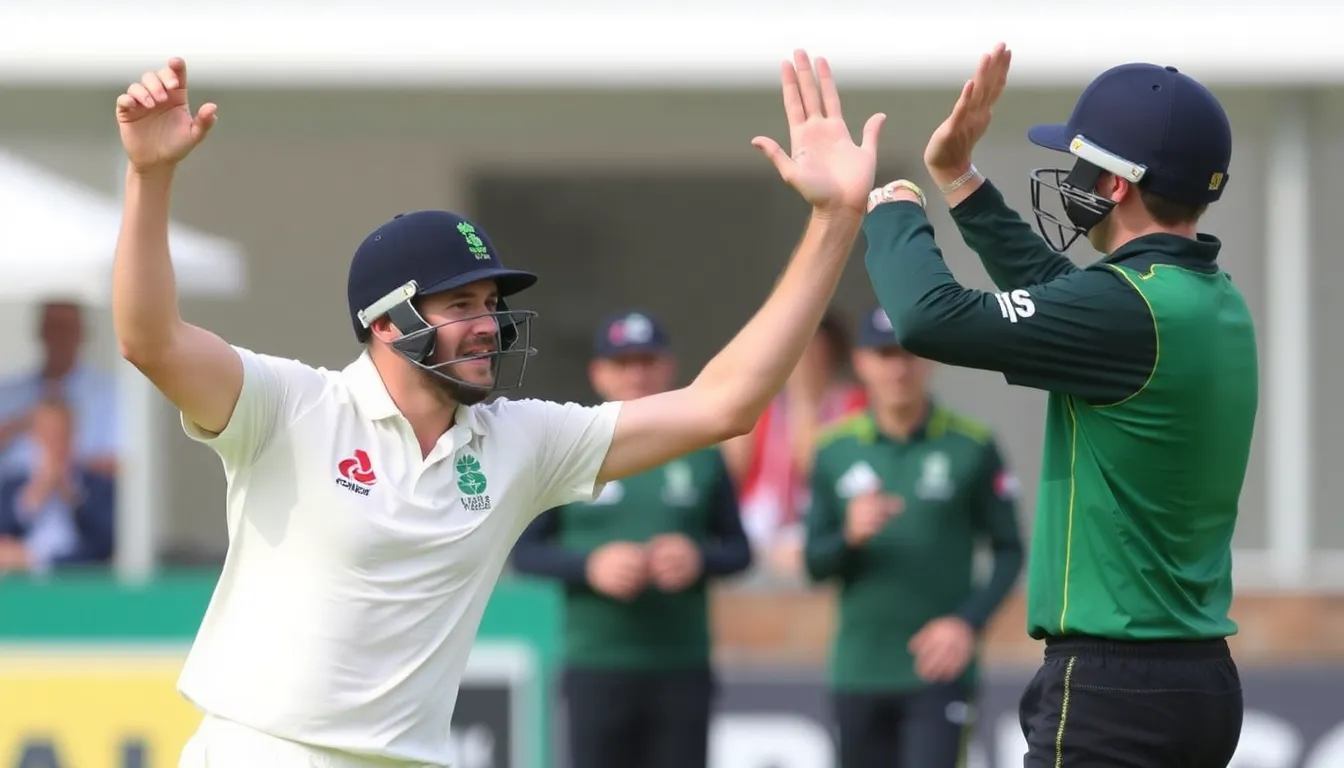
Fast bowlers, like Archer, have a unique ability to exploit the conditions at the start of a match. The new ball tends to swing more, and bowlers can use this to their advantage to unsettle batsmen. This strategic advantage has been evident in numerous matches, where the first few overs have determined the trajectory of the game. The significance of an early wicket extends beyond just the scorecard; it can shift momentum and alter the course of a team’s strategy.
Historical Context of Early Wickets
Throughout cricket history, there have been notable instances where early wickets have changed the dynamics of a match. For example, during the 1983 Cricket World Cup final, India’s early breakthroughs against the West Indies set the stage for an unexpected victory. Such moments are etched in the annals of cricket, showcasing how quickly fortunes can change with the fall of a wicket.
Moreover, the economic implications of early wickets can also be significant. In professional leagues, such as the Indian Premier League (IPL), teams that consistently take early wickets often find themselves in stronger positions, leading to higher chances of winning and increased revenue from ticket sales and sponsorships. This creates a competitive environment where the ability to strike early becomes a key component of a successful strategy, similar to how TrumpRx Launches to secure advantages in the marketplace.
In summary, the act of taking an early wicket in cricket is not merely a statistic; it is a critical factor that can define the match’s outcome, influencing both the players’ morale and the broader narrative of the game. As seen in recent matches, such as Archer’s impressive delivery that led to Hope’s dismissal, these moments continue to resonate within the sport, highlighting their enduring significance.
Impact of Archer’s wicket on the match dynamics
In the recent match, Jofra Archer’s ability to secure a wicket in the first over has significant implications for both the team’s morale and the overall game strategy. Archer, representing the England cricket team, is known for his pace and precision, making him a key player in the bowling lineup. His early success not only boosts the confidence of his teammates but also puts immediate pressure on the batting side, led by Shai Hope, who has been a consistent performer for the West Indies.
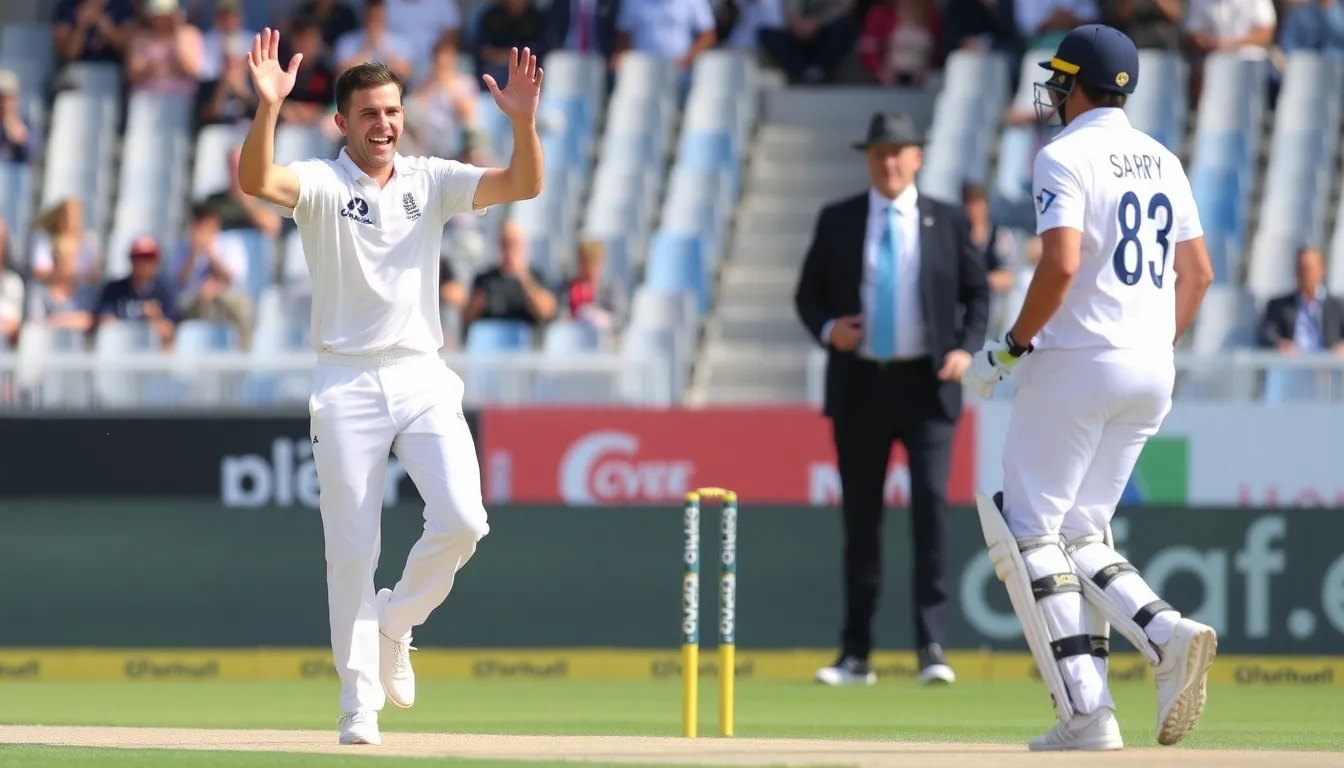
The interests at play extend beyond individual performance. For England, securing early wickets is crucial in establishing dominance in the match, potentially leading to a favorable outcome in the series. Conversely, for the West Indies, losing a top-order batsman like Hope early can disrupt their batting strategy and force them to reassess their approach. This dynamic creates a tension that is palpable among fans and analysts alike.
Several key issues arise from this wicket that highlight the broader context of the match:
- Team Morale: Archer’s early wicket can elevate the spirit of the England team, fostering a sense of collective resilience.
- Batting Strategy: The West Indies may need to alter their game plan, potentially leading to a more defensive approach which could stifle their scoring opportunities.
- Pressure on Bowlers: With a wicket in hand, England’s bowlers may feel more liberated to take risks, potentially leading to more aggressive bowling tactics.
- Fan Engagement: Such pivotal moments can heighten the excitement among spectators, impacting viewership and the overall atmosphere of the match.
As the match progresses, the ramifications of Archer’s wicket will unfold, influencing not only the immediate outcome but also the broader narrative of the series. Stakeholders, including team management and fans, will be closely monitoring how this early breakthrough shapes the trajectory of the game.
How this wicket affects the West Indies batting lineup
The recent dismissal of Shai Hope by Archer in the opening over has significant implications for the West Indies cricket team. This event not only impacts the team’s morale but also affects various stakeholders, including fans, sponsors, and local businesses that thrive on cricket-related activities.
In the short term, the loss of a key player like Hope can lead to decreased performance in the match, which may result in a loss for the West Indies. This could dampen the spirits of fans and affect attendance at future matches, as supporters may feel disheartened by the team’s struggles. Additionally, sponsors may reassess their investments in the team if poor performance continues, impacting financial support.

In the mid-term, the West Indies cricket board may need to consider changes in their batting lineup or coaching strategies. This could lead to increased scrutiny on player selection and training programs, with potential shifts in policy aimed at enhancing performance. Furthermore, local businesses that rely on cricket tourism may experience fluctuations in revenue, depending on the team’s success.
- Risks: Decreased fan engagement, potential loss of sponsorship, and financial strain on local businesses.
- Opportunities: Potential for new talent to emerge, increased focus on youth development programs, and enhanced community support for the team.
Overall, the impact of Archer’s wicket extends beyond the immediate game, influencing various sectors and creating both challenges and opportunities for the West Indies cricket ecosystem.
A: Jofra Archer is an English cricketer known for his fast bowling and impressive performances in international cricket. A: Taking a wicket refers to dismissing a batsman, which can significantly impact the game’s outcome. A: An early wicket can boost the bowling team’s confidence and put pressure on the batting side, often leading to more wickets. A: Shai Hope is a key batsman for the West Indies, known for his ability to build innings and score runs. A: The opening over sets the tone for the match, and a wicket in this phase can change the momentum significantly.
Frequently asked questions about the match
Key takeaways from Archer’s opening over performance
Archer’s impressive wicket in the opening over not only set the tone for the match but also highlighted his potential impact on the team’s overall performance. This early breakthrough can shift momentum and instill confidence in the bowling unit, especially in high-stakes games. As teams analyze this performance, several implications emerge regarding strategy and player dynamics.
Looking ahead, it will be essential to monitor how Archer’s form evolves throughout the series. His ability to maintain pressure on the opposition could be a pivotal factor in upcoming matches, influencing both batting strategies and bowling rotations.
- Watch for Archer’s utilization in key moments, as his early success may lead to increased responsibility in crucial overs.
- Expect teams to adjust their batting orders or strategies in response to Archer’s threat, potentially leading to more cautious approaches against him.
- Consider the psychological effects on both Archer and opposing batsmen, as early wickets can boost confidence and create doubt.
- Track the performance of the bowling unit as a whole, as Archer’s success could inspire improved performances from his teammates.