


Overview of the Recent Protests in Iran
These demonstrations, which began in September 2022 following the death of Mahsa Amini while in police custody, have evolved into a broader movement demanding political and social reforms, as detailed in other accounts of protests across the region.
The Iranian authorities have responded to the protests with a heavy-handed approach, employing lethal force to suppress dissent. Reports indicate that security forces have used live ammunition, tear gas, and other violent measures against demonstrators. According to human rights organizations, hundreds of protesters have been killed, and thousands more have been arrested since the protests began.
International reactions have varied, with some countries condemning Iran’s actions and calling for accountability. The United Nations and various human rights groups have urged the Iranian government to cease its violent crackdown and respect the rights of its citizens to peacefully assemble. However, the Iranian regime has largely dismissed these calls, framing the protests as foreign-instigated unrest.
The ongoing situation in Iran matters not only for the country’s citizens but also for regional stability and global human rights advocacy. As the protests continue, the international community is closely monitoring developments, with potential implications for diplomatic relations and sanctions against the Iranian government. The events unfolding in Iran could also inspire similar movements in other authoritarian regimes across the region.
Historical Background of Protests in Iran
Protests in Iran have a long and complex history, deeply rooted in the socio-political landscape of the country. The 1979 Iranian Revolution marked a significant turning point, overthrowing the Western-backed Shah and establishing an Islamic Republic under Ayatollah Khomeini. This shift was not merely a change in leadership but a transformation of the political and social order, which has led to ongoing tensions between the government and various segments of the population.
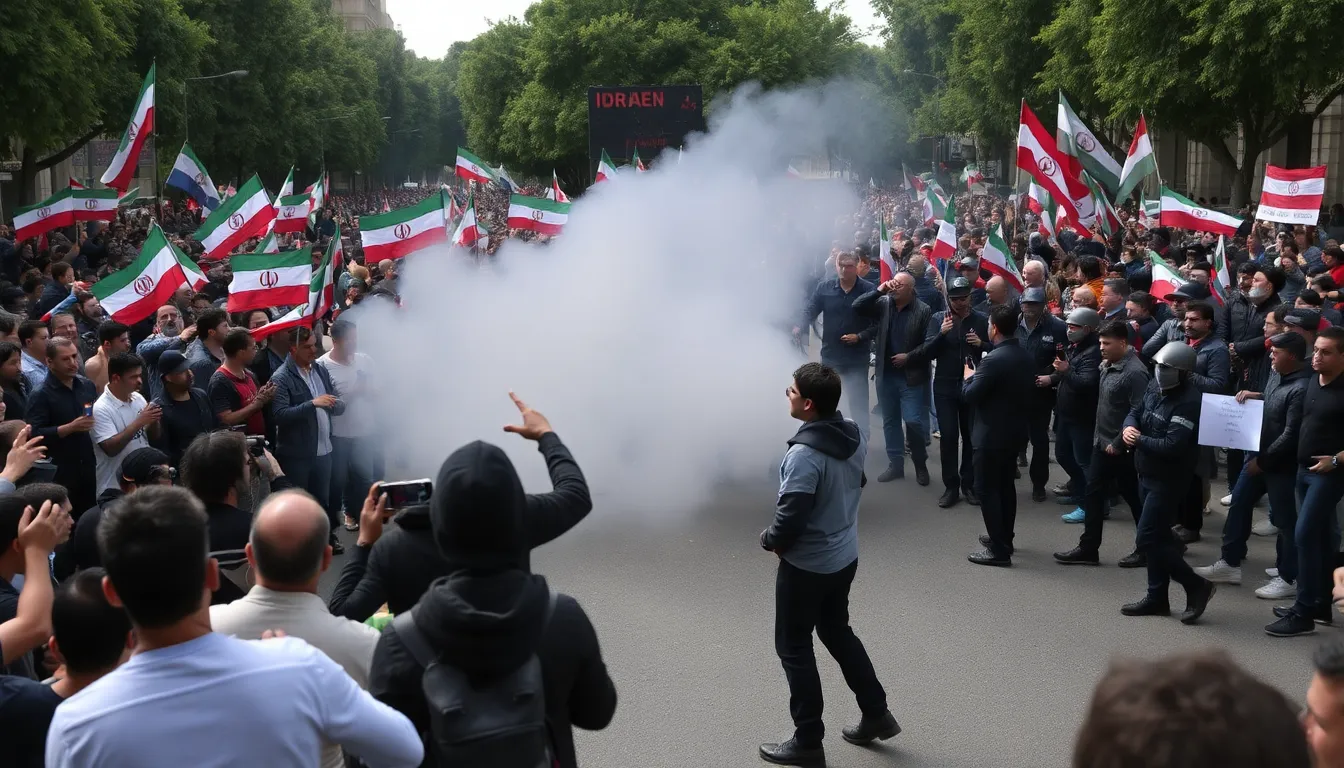
Throughout the 1980s and 1990s, Iran experienced a series of protests driven by economic hardship, political repression, and social issues. The 1999 student protests were a pivotal moment, as young Iranians demanded greater freedoms and reforms. These protests were met with violent crackdowns, setting a precedent for how the government would respond to dissent. The cycle of protest and repression continued into the 2000s, culminating in the 2009 Green Movement, which arose in response to allegations of electoral fraud during the presidential elections.
Recent Developments and Escalation
The recent wave of protests, ignited by the death of Mahsa Amini in September 2022 while in police custody, highlighted the deep-seated frustrations of the Iranian populace. Amini’s death sparked widespread outrage over the regime’s treatment of women and its enforcement of strict dress codes. This incident acted as a catalyst, leading to protests that demanded not only accountability for Amini’s death but also broader calls for political and social reforms.
This brutal suppression has drawn international condemnation and highlighted the regime’s unwillingness to tolerate dissent, as noted by various human rights organizations.
Understanding the historical context of protests in Iran is crucial to grasping the current situation. The government’s reliance on force to quell unrest reflects a longstanding pattern of repression that has characterized its rule. As protests continue to erupt, the cycle of dissent and repression seems poised to repeat, raising questions about the future of civil liberties and political change in Iran.
Key Stakeholders and Their Interests in the Protests
The protests in Iran, which erupted over various socio-economic grievances, have drawn the attention of multiple stakeholders, each with distinct interests. The primary actors include the Iranian government, the protesters, international human rights organizations, and foreign governments. Understanding the motivations and objectives of these groups is crucial to analyzing the broader implications of the government’s response to the unrest.
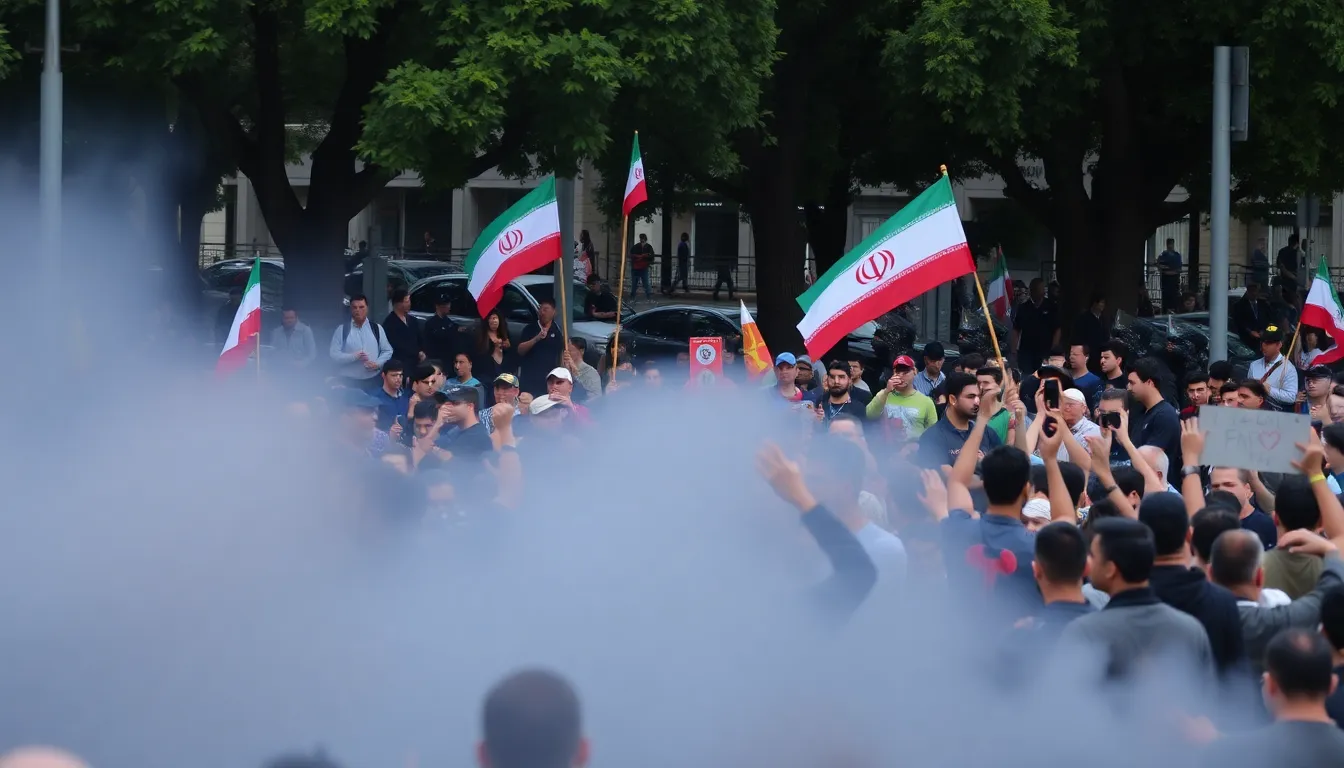
By employing lethal force against demonstrators, the regime seeks to deter further dissent and reinforce its grip on power, which is crucial to understanding the implications for regional stability.
On the other side, the protesters represent a diverse coalition of citizens, including youth, women, and marginalized communities, who are advocating for political reform, economic justice, and greater personal freedoms. Their interests are rooted in a desire for systemic change and an end to government repression. However, the use of violence against them raises critical ethical and legal questions regarding the right to peaceful assembly and freedom of expression.
International human rights organizations, such as Amnesty International and Human Rights Watch, are focused on documenting abuses and advocating for accountability. Their interests revolve around promoting human rights standards and pressuring the Iranian government to cease its violent crackdown. These organizations often mobilize global public opinion and influence foreign policy decisions regarding Iran.
- Foreign governments, particularly those in the West, are concerned about regional stability and human rights violations, which can affect diplomatic relations and economic sanctions.
- Economic implications arise from potential sanctions or trade restrictions that may be imposed on Iran in response to its handling of the protests.
- Legal issues are highlighted by the international community’s calls for investigations into the use of lethal force against civilians, challenging Iran’s adherence to international law.
Impact on Iranian Society and Global Perception
The recent crackdown on protests in Iran has far-reaching implications for various groups within the country and beyond. The immediate victims of the government’s lethal response are the protesters, many of whom are young individuals advocating for social and political change. This demographic, often fueled by a desire for greater freedoms and rights, faces severe repercussions, including imprisonment, injury, or even death. Families of these individuals are also affected, experiencing trauma and loss.
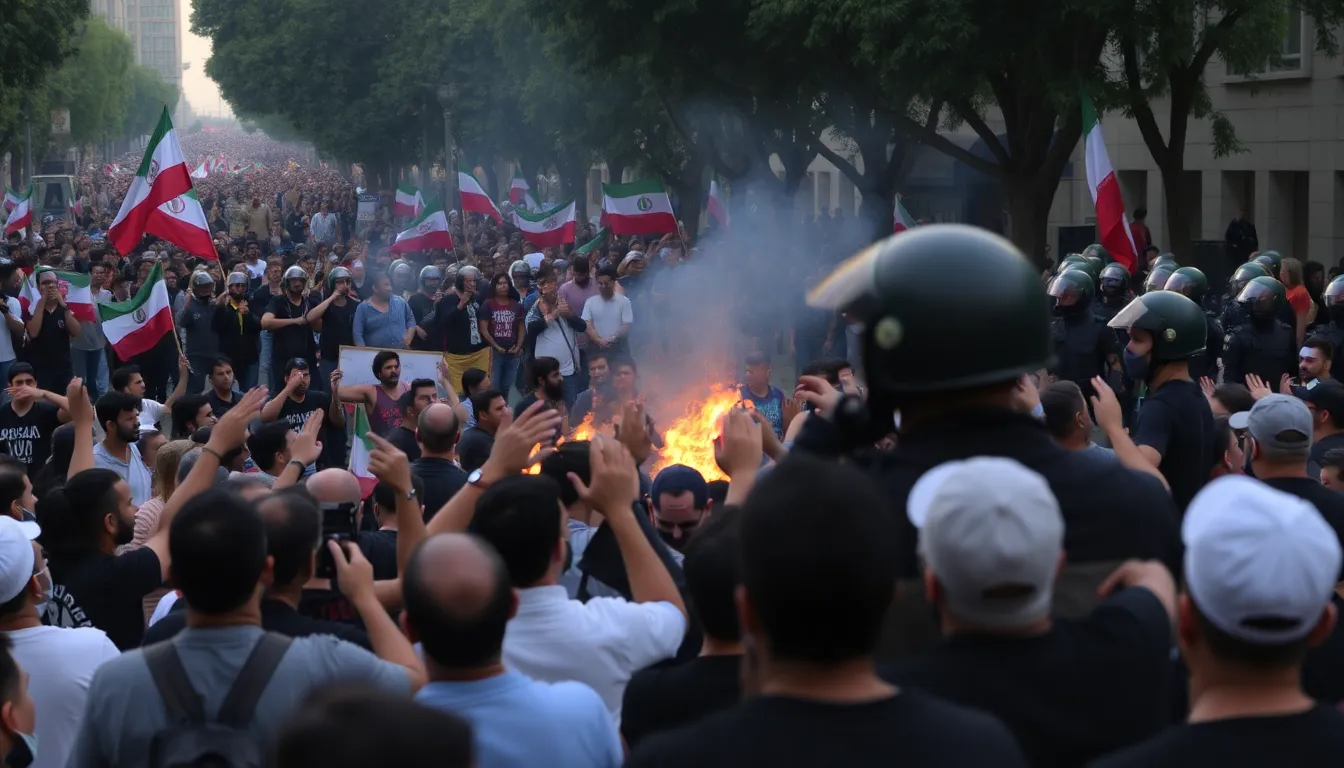
Industries such as media, technology, and education are experiencing heightened scrutiny and restrictions. Journalists and activists face increased censorship, limiting their ability to report on or discuss the situation. Educational institutions may see a decline in student enrollment as fear of repression deters young people from pursuing higher education. Additionally, the tech industry, which has been a platform for organizing protests, is likely to face stricter regulations and surveillance.
The mid-term impacts on daily life are expected to manifest in increased repression and a chilling effect on civil society. Citizens may become more cautious in expressing dissent, leading to a culture of fear and silence. Businesses may also suffer from instability, as international sanctions could tighten further in response to human rights violations. This could result in economic downturns, affecting employment rates and overall quality of life.
- Risks: Increased censorship, economic sanctions, and social unrest may lead to a more isolated Iran.
- Opportunities: Global awareness of human rights issues could foster international solidarity and support for reform movements.
- Potential for Change: Persistent activism, despite repression, may eventually lead to policy shifts and greater freedoms.
Globally, the perception of Iran is likely to shift, with increased scrutiny from human rights organizations and foreign governments. This could lead to diplomatic tensions and a reevaluation of international relations, particularly with countries that prioritize human rights in their foreign policy agendas. The long-term effects may shape not only Iran’s internal dynamics but also its standing on the world stage.
A: The protests were primarily triggered by widespread discontent over economic issues, government policies, and social freedoms. Specific incidents, such as the death of a young woman in police custody, further ignited public outrage. A: The Iranian government responded with significant force, including the use of lethal measures against protesters. This response has raised serious concerns regarding human rights violations and the use of excessive force. A: Various reports, including eyewitness accounts and video footage, have documented instances of live ammunition being used against protesters. Human rights organizations have also compiled data on casualties. A: Iran’s crackdown on protests could lead to increased sanctions and condemnation from the international community. It may also strain relations with countries advocating for human rights. A: Yes, various NGOs and international bodies are working to support the protesters, advocating for their rights and seeking accountability for the actions of the Iranian government.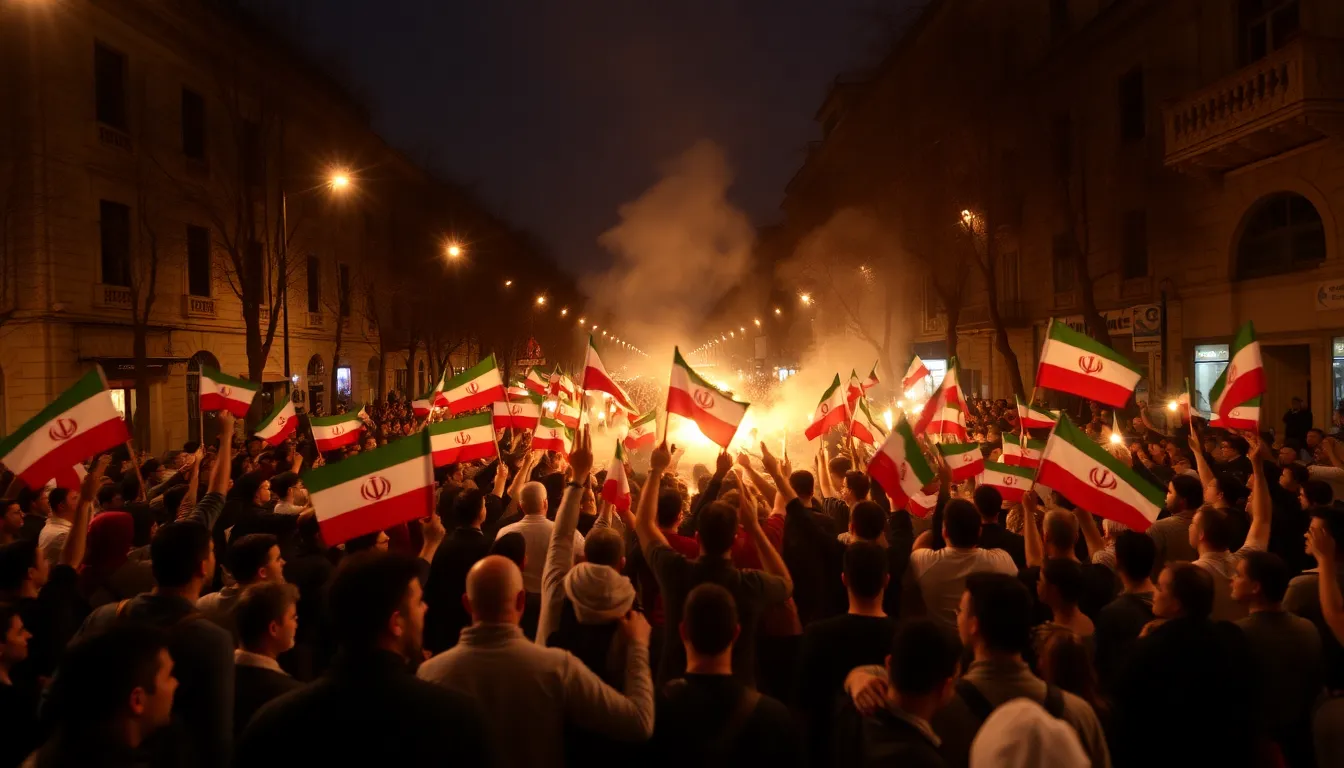
Frequently Asked Questions About Iran’s Protest Response
Key Takeaways and Future Outlook on Iran’s Protest Dynamics
The recent government response to protests in Iran underscores a troubling trend of escalating state violence against dissent. The use of lethal force not only reflects the regime’s determination to maintain control but also highlights the potential for increased unrest among the populace. As the government tightens its grip, the implications for civil society and international relations become increasingly complex.
Looking ahead, observers should remain vigilant about the evolving dynamics within Iran. The potential for further protests, the role of external influences, and the international community’s response will be critical in shaping the future landscape of dissent and governance in the country.
- Monitor the potential for renewed protests as economic and social grievances persist among the Iranian populace.
- Watch for shifts in international diplomatic efforts, particularly regarding sanctions and human rights advocacy.
- Consider the impact of regional geopolitical tensions on Iran’s internal stability and protest movements.
- Evaluate the effectiveness of grassroots movements and their ability to mobilize against state repression.
- Assess the role of technology and social media in organizing protests and disseminating information despite government crackdowns.