


The vessel’s crew consists of 22 Indian nationals, and their families are urging the Indian government to take immediate action to secure their release. Many relatives have gathered in various parts of India, organizing protests and seeking media attention to highlight their plight. They are calling for transparency regarding the situation and are demanding regular updates from authorities, similar to the concerns raised in discussions on societal struggles.
As diplomatic tensions between Iran and India fluctuate, the families are worried that their loved ones may become pawns in larger geopolitical disputes. The Indian Ministry of External Affairs has stated that they are in contact with Iranian officials to resolve the matter swiftly. However, the lack of a clear timeline for the crew’s return has left many families feeling helpless and anxious, reminiscent of the urgency in tech developments.
The situation is further complicated by the ongoing maritime security challenges in the region, which have seen an increase in incidents involving foreign vessels. As families await news, they are reminded of the risks faced by seafarers, and the emotional toll on those left behind grows with each passing day. The urgency for a resolution is palpable, as hope for the safe return of the crew remains the primary concern for their loved ones.
Understanding the circumstances surrounding the ship’s seizure
The recent seizure of an Indian commercial vessel by Iranian authorities has raised significant concerns among families of the crew members onboard. This incident is not an isolated event but rather a continuation of a complex geopolitical landscape in which maritime security and international relations play crucial roles. The tensions between Iran and various nations, particularly the United States and its allies, have historically influenced shipping routes and trade in the region, making vessels vulnerable to such actions.
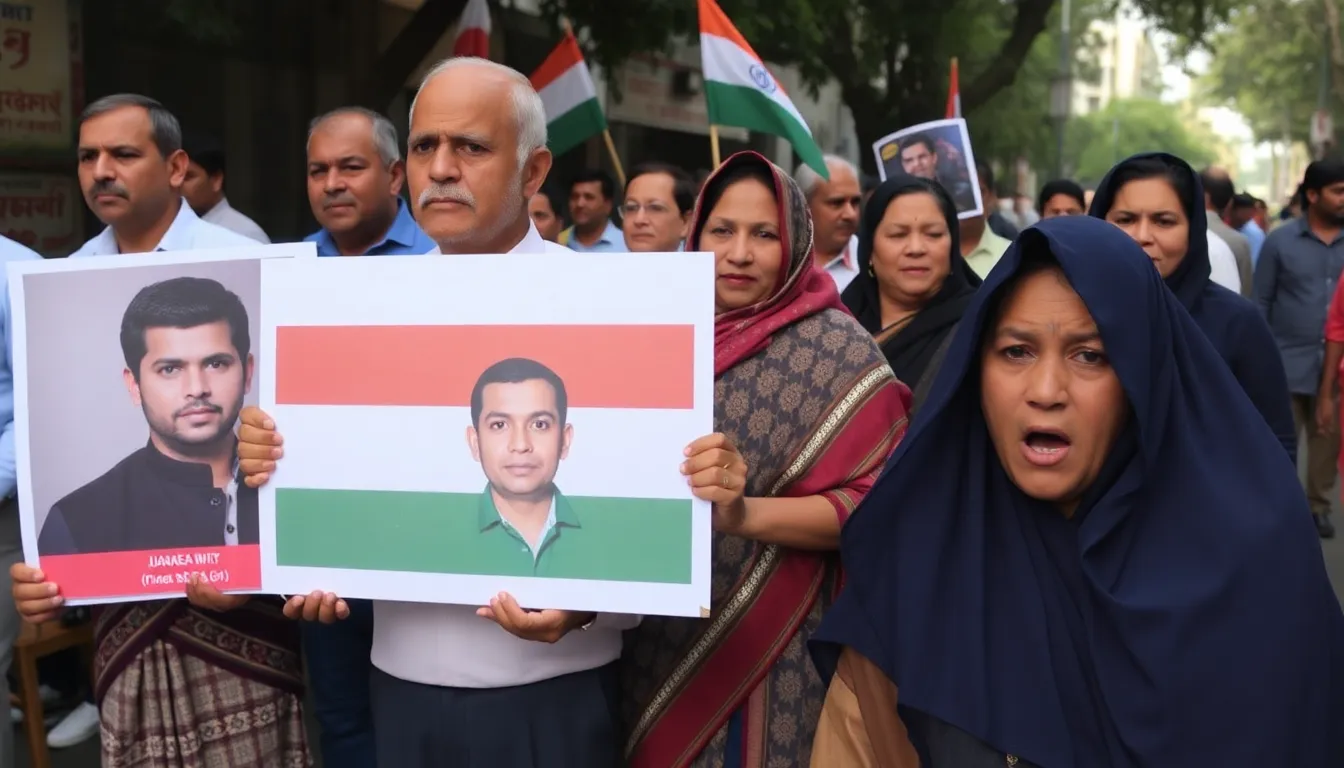
Historically, Iran has asserted its influence over the Strait of Hormuz, a critical chokepoint for global oil shipments. This strategic location has made it a focal point for military and economic conflicts. The seizure of vessels, often justified by Iran as a response to perceived threats or violations of its sovereignty, has occurred multiple times in the past, highlighting the precarious nature of maritime operations in these waters.
Key milestones in maritime tensions
One of the notable incidents occurred in 2019 when the British Royal Navy seized an Iranian tanker near Gibraltar, which was accused of violating EU sanctions by transporting oil to Syria. In retaliation, Iran captured a British-flagged tanker, escalating tensions significantly. These events have set a precedent for how maritime disputes can quickly spiral into broader diplomatic crises, affecting not only the countries directly involved but also the families of those who work on these vessels.
The economic implications of such seizures are profound. The shipping industry is vital to both India’s economy and global trade. The uncertainty surrounding the safety of vessels operating in contested waters can lead to increased insurance costs and hesitance among shipping companies to engage in trade routes that pass through these high-risk areas. For the families of the crew members, this translates into anxiety and fear for their loved ones’ safety, compounded by the potential financial repercussions of prolonged detentions.
As families await news of their loved ones, the broader context of international diplomacy and maritime law becomes increasingly relevant. The situation underscores the need for robust diplomatic efforts to ensure the safe passage of commercial vessels and to address the underlying tensions that lead to such dramatic actions on the high seas.
Examining the stakeholders involved in the situation
The recent seizure of a ship by Iranian authorities has raised significant concerns among various stakeholders, particularly the families of the crew members on board. These families are primarily focused on the safe return of their loved ones, highlighting the emotional and psychological toll of the incident. Their interests are rooted in the desire for transparency, communication, and assurance from the Indian government regarding the situation, akin to the demands for clarity in creative projects that resonate with the public.
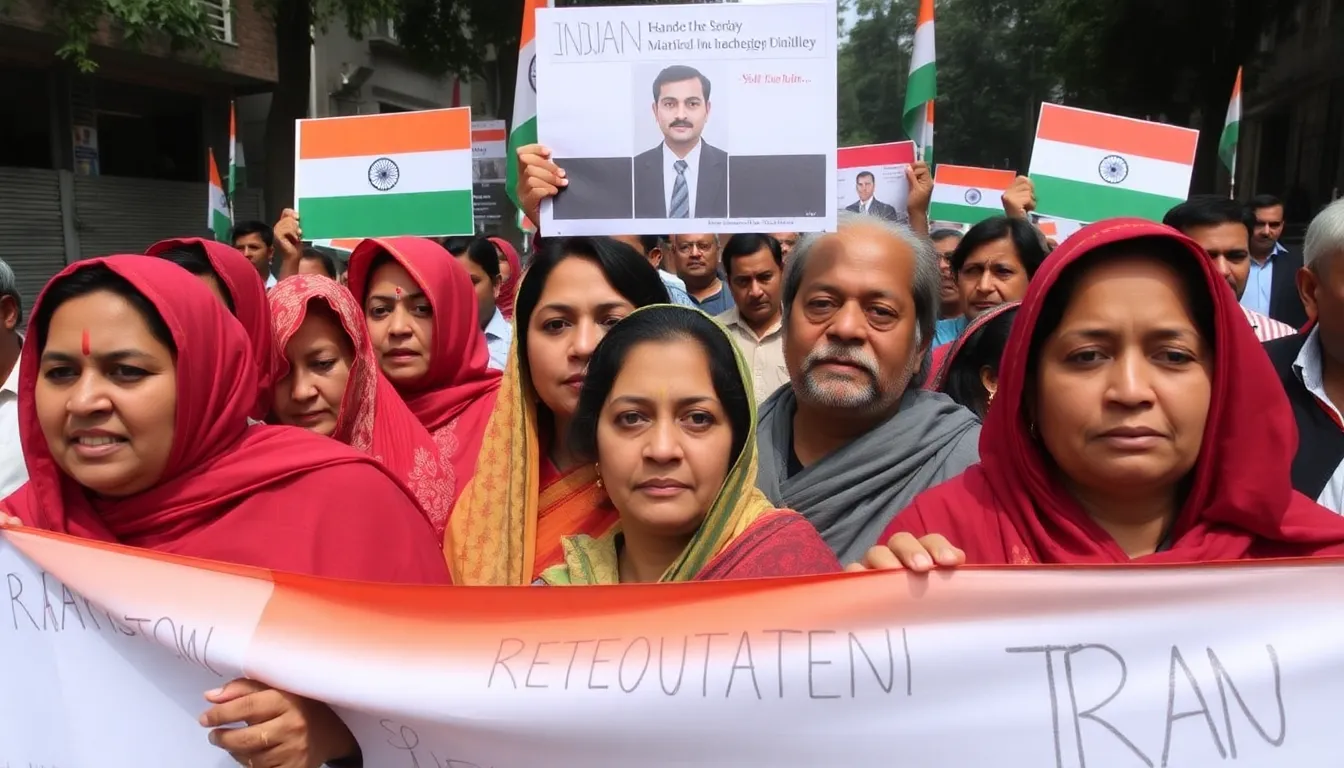
On the governmental side, the Indian government plays a crucial role in addressing the concerns of the families while navigating diplomatic relations with Iran. The Indian Ministry of External Affairs is likely working to engage in dialogue with Iranian officials to secure the release of the crew. This situation places the Indian government in a delicate position, balancing national interests, international relations, and the welfare of its citizens.
Iran, as the party that seized the ship, has its own interests and motivations. The Iranian government may view the seizure as a means of asserting its maritime rights or responding to geopolitical tensions. This creates a complex dynamic, where Iran’s actions could be influenced by broader regional issues, including sanctions and international relations, which complicates the resolution of the situation.
- The families of the crew are advocating for immediate action and communication from the Indian government.
- The Indian government must balance diplomatic relations with Iran while ensuring the safety of its citizens.
- Iran’s motivations for the seizure may include political leverage and asserting its maritime claims.
- International reactions and potential sanctions could impact the negotiations for the crew’s release.
- The situation underscores the vulnerabilities faced by maritime crews in politically tense regions.
The implications for families and the maritime industry
The recent seizure of a ship by Iran has sent shockwaves through the maritime industry and has left families in India deeply concerned. The immediate impact is felt by the families of the crew members, who are grappling with uncertainty and anxiety about their loved ones’ safety. These families are not only emotionally affected but are also facing financial strain as they await news of the crew’s return.
In addition to the emotional toll on families, the maritime industry in India is experiencing disruptions. Shipping companies are facing increased scrutiny and potential delays in operations, which can lead to financial losses. The uncertainty surrounding shipping routes and the safety of crews may also deter new investments in the sector, affecting growth prospects.
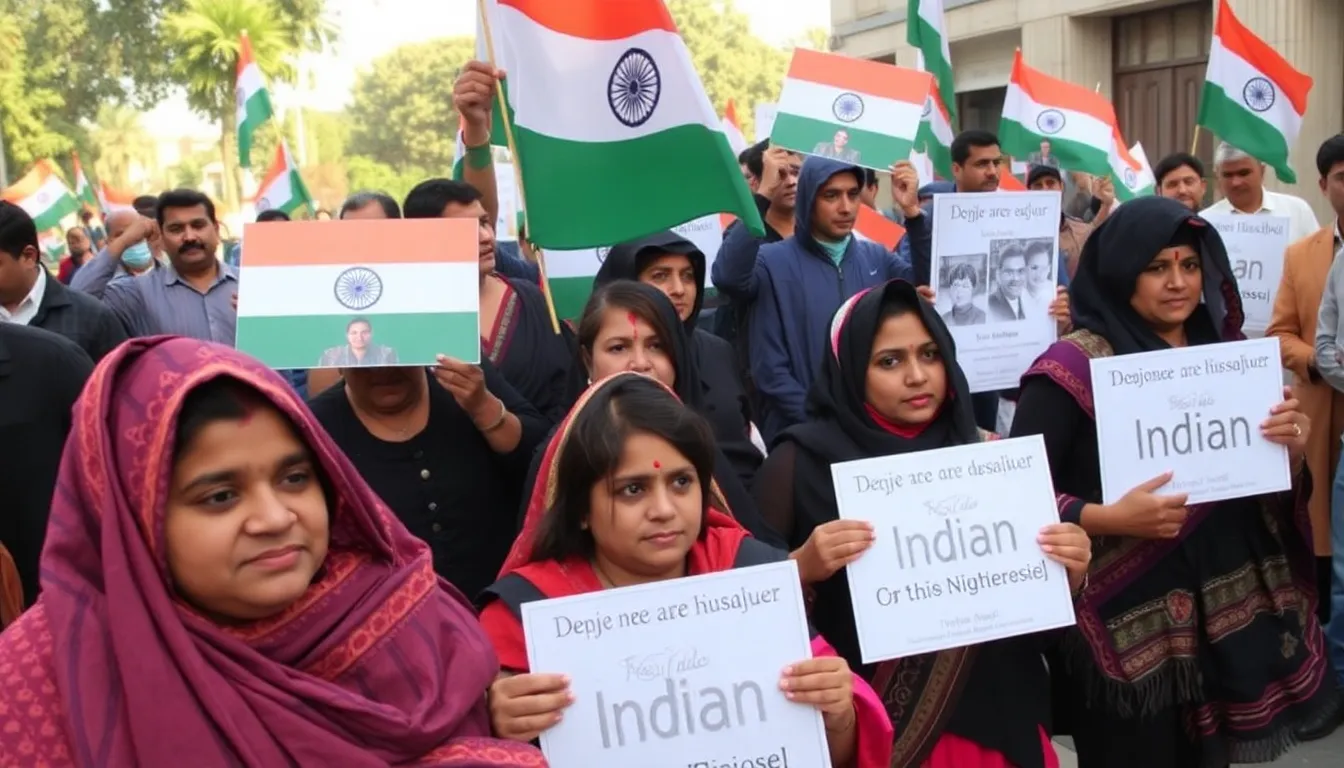
In the short term, the situation may lead to heightened security measures for shipping companies operating in volatile regions. This could result in increased operational costs, which may be passed on to consumers in the form of higher prices for goods. Furthermore, the government may implement stricter policies regarding maritime security, impacting the way shipping operations are conducted.
- Families facing emotional and financial distress.
- Shipping companies experiencing operational disruptions.
- Potential increase in shipping costs affecting consumers.
- Stricter maritime security policies from the government.
In the mid-term, there may be opportunities for the maritime industry to reassess and enhance safety protocols, potentially leading to innovations in security technology. Additionally, this incident could spur discussions on diplomatic relations and maritime laws, which may create a more stable environment for shipping in the future. However, the risks associated with geopolitical tensions remain a significant concern, as they could lead to further incidents affecting the industry and families alike.
A: The ship was seized due to alleged violations of maritime regulations, though the specific reasons are still being investigated. A: There are several crew members on board, and their families are actively seeking updates and support from the government. A: The Indian government is in talks with Iranian authorities to negotiate the safe return of the crew members. A: Families are experiencing significant stress and anxiety, and many are organizing support groups to share information and resources. A: This incident could lead to increased scrutiny of maritime operations in the region and may affect shipping routes.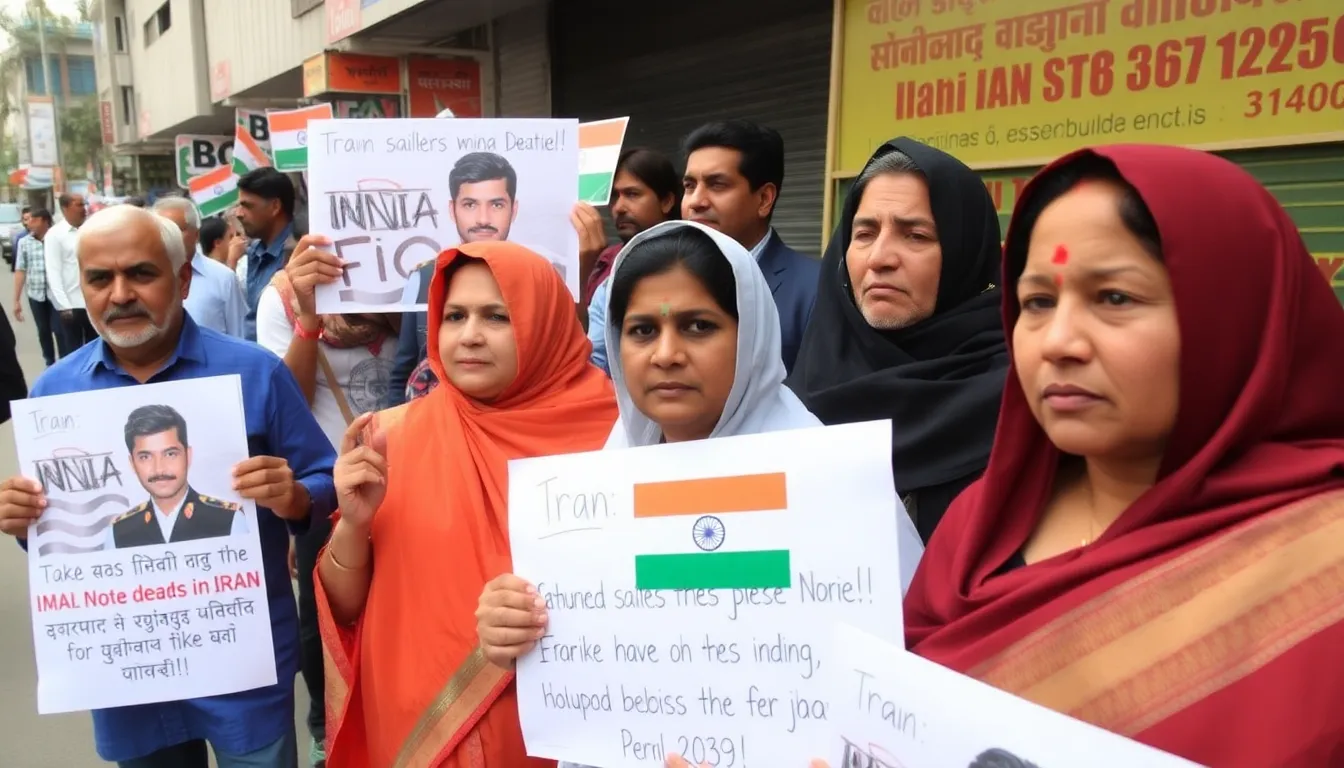
Frequently asked questions about the situation
Key points and future outlook on the issue
The recent seizure of a ship by Iranian authorities has sparked significant concern among families of the crew members in India. As diplomatic efforts unfold, the situation highlights the delicate balance between international relations and the safety of individuals. The families are understandably anxious, and their calls for the return of their loved ones underscore the human element in geopolitical tensions.
Moving forward, it is crucial to monitor the responses from both the Indian government and Iranian officials, as well as the potential implications for maritime trade in the region. The outcome of this incident may set a precedent for how similar situations are handled in the future, particularly regarding the rights of seafarers and the responsibilities of nations involved in maritime disputes.
- Watch for updates on diplomatic negotiations between India and Iran, which could influence the timeline for the crew’s return.
- Consider the broader impact on maritime security in the region and how it may affect shipping routes and trade.
- Observe public sentiment in India regarding government actions, as this may affect future policies related to international maritime disputes.
- Keep an eye on international organizations that may become involved, advocating for the rights and safety of seafarers globally.