


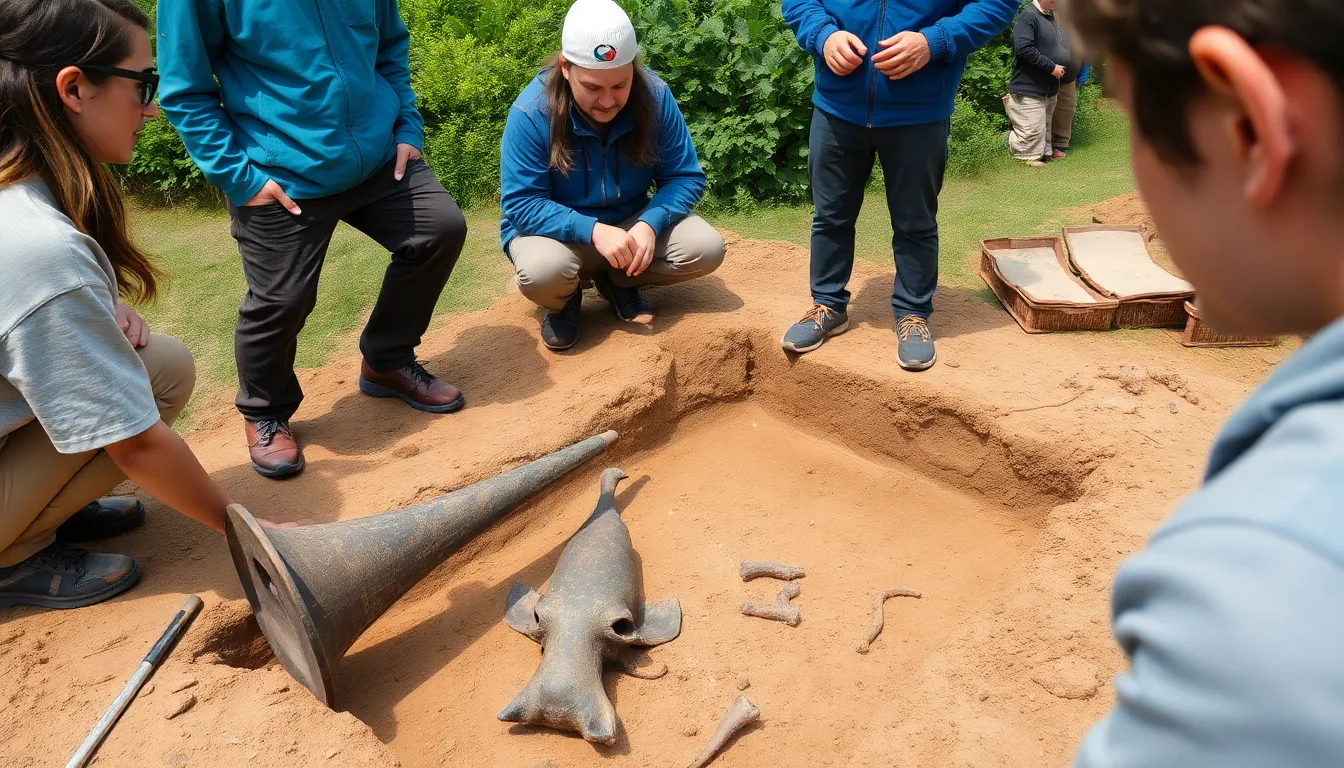
The war trumpet, intricately designed and made from bronze, is believed to have been used in ceremonial contexts or during battles to rally troops. Meanwhile, the boar standard, a flag featuring a boar motif, likely served as a symbol of power and identity for a warrior group. Both artifacts were found in close proximity to each other, suggesting they may have been part of a larger ceremonial or military assemblage, similar to the way complex societies emerged in contrast with simpler ones.
These discoveries are particularly important as they contribute to the understanding of the technological advancements and artistic expressions of the Iron Age in Britain. Experts believe that such items reflect not only the military capabilities of the period but also the complex social structures and belief systems that underpinned them, shedding light on the impact of warfare on society.
The excavation site has since become a focal point for further research, with plans for additional digs in the coming months. As archaeologists continue to analyze these artifacts, the broader implications of their findings may reshape existing narratives about Iron Age Britain and its inhabitants.
Understanding the historical context of Iron Age warfare
The Iron Age, spanning from approximately 1200 BCE to 600 CE, marked a significant turning point in European history, characterized by the widespread use of iron tools and weapons. This period saw the emergence of complex societies, with advancements in agriculture, trade, and military organization. The discoveries of artifacts such as war trumpets and boar standards provide valuable insights into the social and political dynamics of Iron Age communities, particularly in relation to warfare.
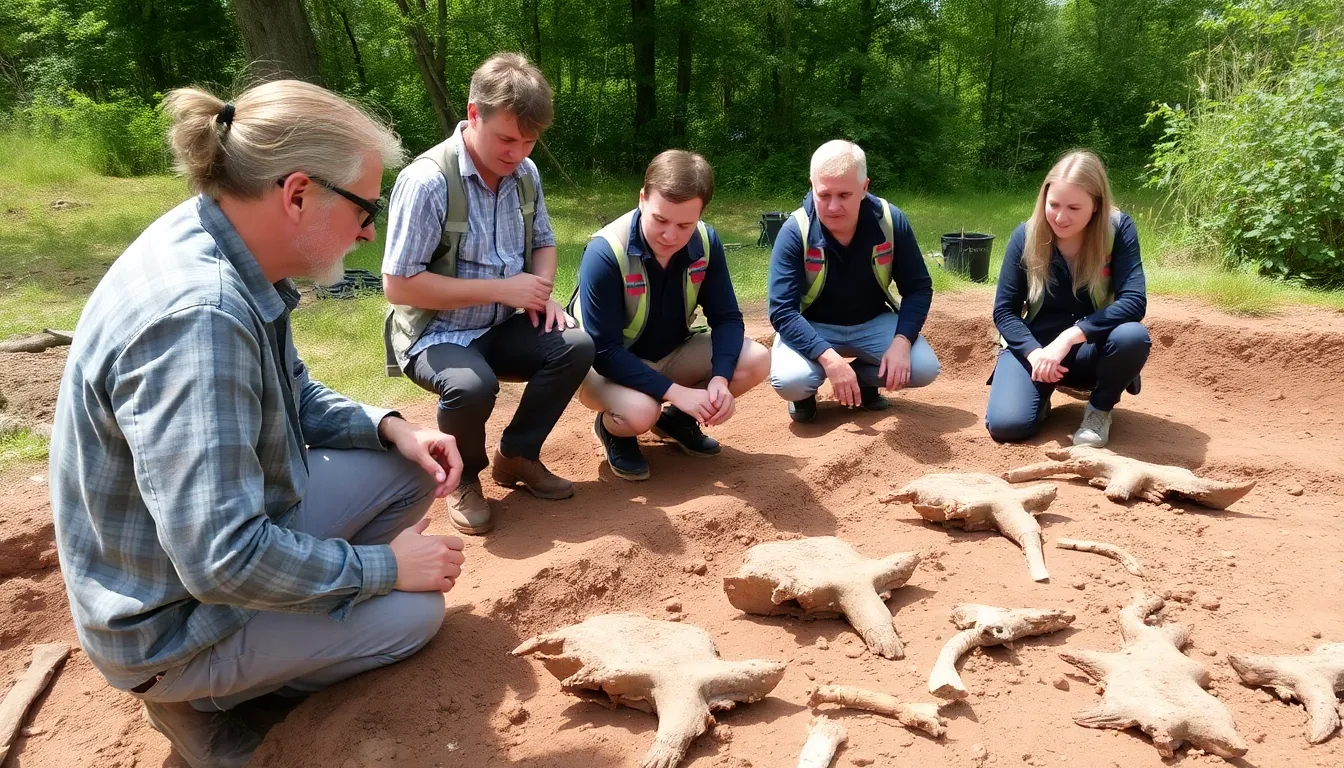
Warfare during the Iron Age was often driven by competition for resources, territory, and power among tribes and emerging kingdoms. The presence of a war trumpet, used to signal troops and rally warriors, indicates the importance of organized military tactics and communication in conflicts. Similarly, the boar standard, a symbol of strength and ferocity, suggests that tribes employed symbols to boost morale and assert their identity on the battlefield, echoing issues seen in modern times where the use of symbols in warfare can influence psychological aspects.
The role of symbolism in Iron Age warfare
Symbols like the boar standard played a crucial role in Iron Age warfare, serving not only as a rallying point for warriors but also as a means of psychological warfare against enemies. The boar, often associated with bravery and ferocity, would strike fear into opponents while fostering a sense of unity among fighters. This cultural significance of symbols underscores the intertwining of warfare and identity during this period.
Throughout the Iron Age, significant milestones such as the rise of powerful chieftains and the establishment of trade routes influenced military strategies and alliances. The interactions between different tribes, often marked by both conflict and cooperation, shaped the political landscape of the time. The discovery of such artifacts indicates that these societies were not only engaged in warfare but were also developing complex social structures that reflected their values and beliefs.
In summary, the recent findings of rare artifacts like the war trumpet and boar standard illuminate the intricate relationship between warfare, identity, and society in the Iron Age. These discoveries offer a glimpse into the past, revealing how communities navigated the challenges of their time through military innovation and cultural expression.
Key stakeholders and implications of the findings
The discovery of the rare Iron Age war trumpet and boar standard has significant implications for various stakeholders, including archaeologists, historians, local governments, and cultural heritage organizations. Each of these groups has vested interests in the findings, which may lead to both collaboration and conflict as they navigate the complexities of preservation, interpretation, and public engagement.
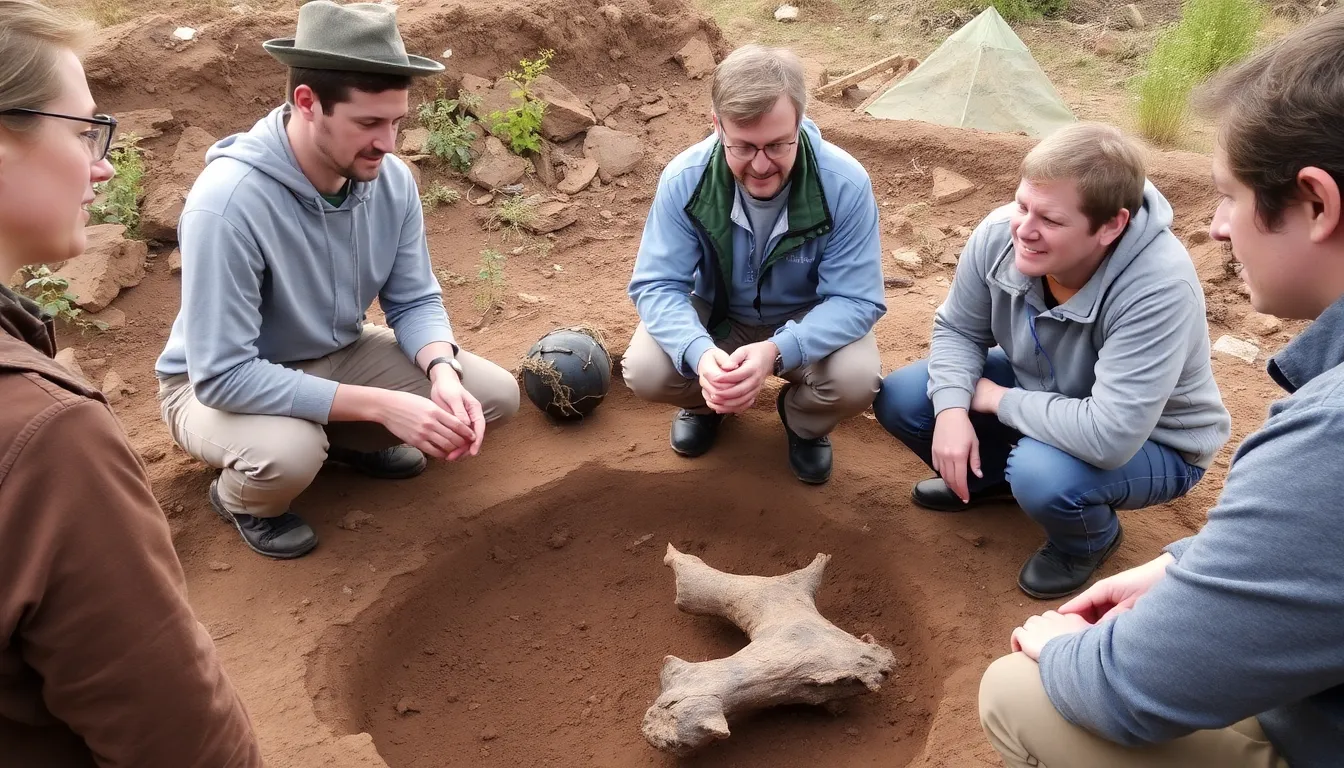
Archaeologists and historians are primarily interested in the artifacts for their potential to provide insights into Iron Age warfare, societal structure, and cultural practices. The trumpet and standard could reshape current understanding of the period, prompting further research and excavation. However, this also raises concerns about the interpretation of these findings and the potential for sensationalism that could overshadow scholarly rigor.
Local governments and cultural heritage organizations have a stake in the preservation and display of the artifacts. They may seek to create exhibitions that attract tourism, which can be economically beneficial for the region. However, this interest may conflict with the archaeological community’s desire to prioritize research and conservation over commercial exploitation. The challenge lies in balancing economic benefits with ethical responsibilities toward the artifacts and their historical context.
- Potential conflicts between academic rigor and public interest in sensational narratives.
- Trade-offs between tourism revenue and the preservation of archaeological integrity.
- Legal issues surrounding the ownership and repatriation of cultural artifacts.
- Impact on local communities and their historical identity.
- Opportunities for interdisciplinary collaboration among stakeholders.
Furthermore, the legal landscape surrounding archaeological finds can complicate matters. Questions of ownership and rights to the artifacts may arise, particularly if they are discovered on private land or in areas with disputed historical claims. This could lead to legal battles that divert resources and attention away from the artifacts themselves, highlighting the need for clear legal frameworks that protect both cultural heritage and the interests of local communities.
The impact of these discoveries on archaeology and history
The recent discovery of a rare Iron Age war trumpet and boar standard has significant implications for various groups, including archaeologists, historians, and local communities in the regions where these artifacts were found. These items not only shed light on ancient military practices but also enhance our understanding of cultural identity during the Iron Age.
In the short term, local tourism industries may experience a boost as enthusiasts and scholars flock to the discovery site. Museums and educational institutions are likely to see increased interest in exhibitions related to Iron Age history, leading to potential partnerships and funding opportunities. This can result in a temporary surge in economic activity in the surrounding areas.
Mid-term impacts may include a shift in educational curricula as schools and universities integrate these findings into their history and archaeology programs. This could foster a greater appreciation for local heritage among younger generations, potentially influencing cultural preservation efforts. However, there are risks associated with increased tourism, such as environmental degradation and the commercialization of historical sites.
- Tourism Growth: Increased visitors to local sites may enhance economic activity.
- Educational Opportunities: Curricula may evolve to include new findings, enriching student knowledge.
- Cultural Preservation: Enhanced interest in local heritage could lead to more preservation efforts.
- Environmental Risks: Increased foot traffic may threaten the integrity of archaeological sites.
- Commercialization Concerns: The potential for exploitation of historical artifacts for profit could arise.
Overall, while the findings present exciting opportunities for education and economic growth, they also pose challenges that stakeholders must navigate to ensure the responsible management of cultural heritage.
A: The war trumpet and boar standard are significant as they provide insights into the military practices and cultural symbols of the Iron Age. They reflect the social structure and beliefs of the time. A: The artifacts were discovered in a significant archaeological site known for its rich Iron Age history. This location has yielded numerous important finds in the past. A: These artifacts help historians and archaeologists understand the social hierarchy, warfare strategies, and cultural values of Iron Age societies, enriching our knowledge of their way of life. A: Yes, further research is planned to analyze the artifacts in detail and explore their implications for understanding Iron Age culture and warfare. A: Techniques such as radiocarbon dating, stratigraphy, and material analysis are commonly used to date and understand the context of archaeological finds.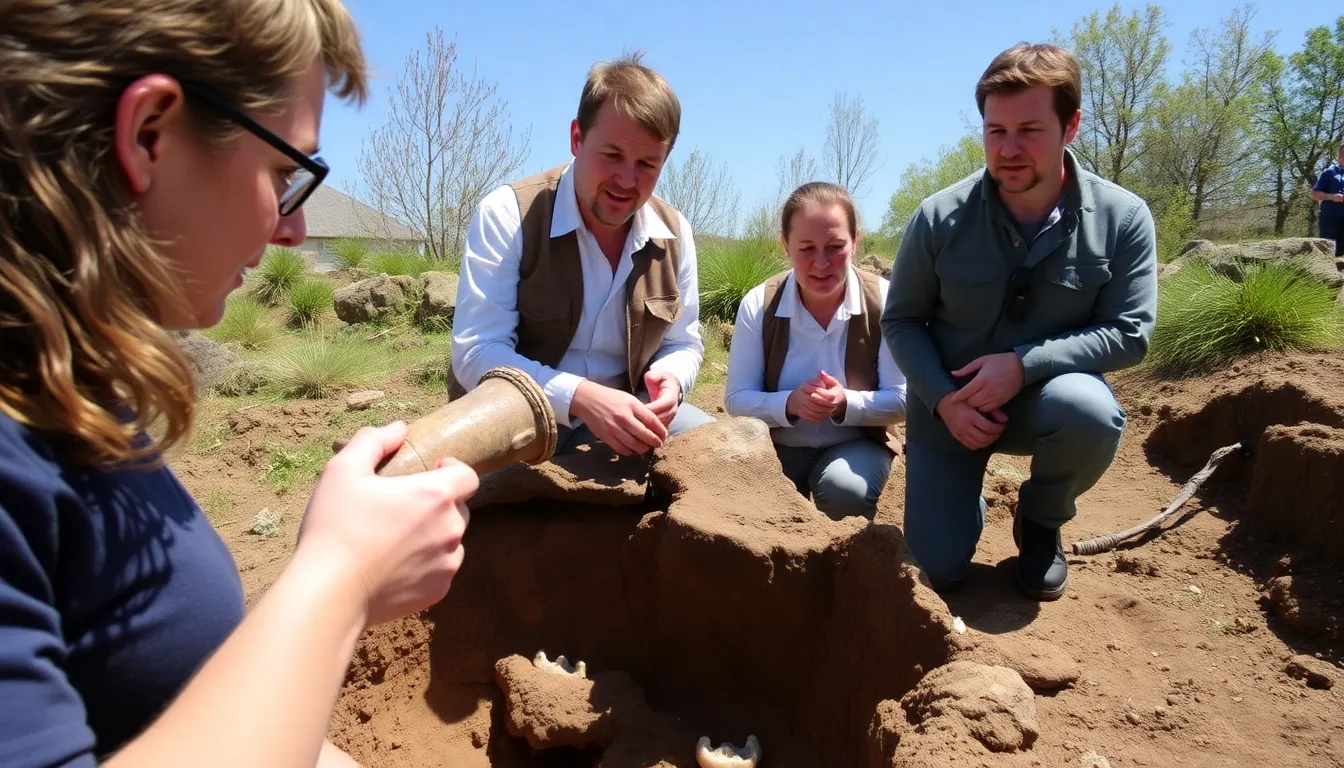
Frequently asked questions about the Iron Age artifacts
Insights and future implications of the findings
The discovery of the rare Iron Age war trumpet and boar standard offers a unique glimpse into the militaristic and cultural practices of the time. These artifacts not only highlight the significance of warfare in Iron Age societies but also provide valuable insights into the artistry and craftsmanship prevalent during this period. As scholars continue to analyze these findings, they may uncover further details about the social structures and rituals associated with these objects.
The implications of this discovery extend beyond historical interest, as they may influence future archaeological efforts and public engagement with Iron Age history. Understanding the context in which these artifacts were used could lead to new interpretations of Iron Age warfare and its impact on societal development.
- Future archaeological digs may prioritize sites known for military artifacts to uncover more about Iron Age warfare.
- Increased public interest in Iron Age history could lead to more educational programs and exhibitions showcasing these findings.
- Further research on the craftsmanship of the trumpet and standard may reveal trade connections or cultural exchanges between different Iron Age communities.
- Insights gained from these artifacts could reshape narratives around the social hierarchies and roles within Iron Age societies.