


The Japan Meteorological Agency reported that some areas received over 3 meters of snow, causing roofs to collapse and creating hazardous conditions for residents. This situation has raised concerns not only about immediate safety but also about the impact on local hospitals as emergency services have been stretched thin in response to numerous incidents, including accidents caused by icy roads and snow-related injuries.
Local governments are urging citizens to exercise caution and stay indoors whenever possible. In addition to the human toll, the snowfall has also impacted agriculture and supply chains, raising concerns about food shortages and economic repercussions in affected areas, similar to the disruptions seen during past natural disasters.
As recovery efforts continue, the Japanese government is mobilizing resources to assist those in need. Relief measures include providing shelter, food, and medical assistance to the hardest-hit communities, highlighting the urgent need for support in the wake of this natural disaster.
Understanding the severe weather conditions affecting Japan
Japan is no stranger to heavy snowfall, particularly in its northern regions and mountainous areas. The phenomenon is primarily attributed to the country’s geographical location, which is influenced by cold air masses from Siberia colliding with warm, moisture-laden winds from the Sea of Japan. This climatic interaction creates ideal conditions for significant snowfall, especially during winter months. In recent years, however, the intensity and frequency of these snowstorms have raised concerns among meteorologists and local authorities.
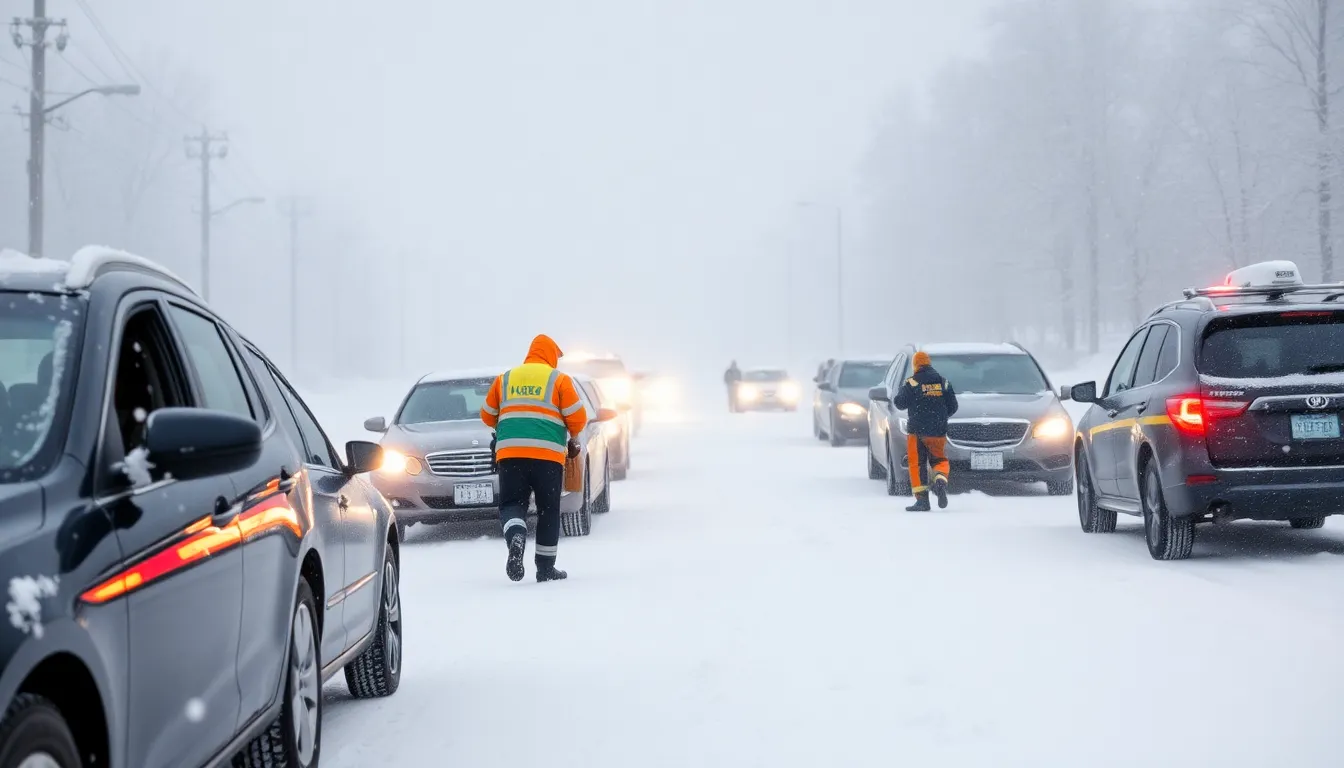
Historically, Japan has experienced severe winter weather events, but the scale of recent snowfalls has been unprecedented. In February 2021, for instance, the country recorded some of its heaviest snowfalls in decades, leading to disruptions in transportation and power outages. The current situation, with at least 30 fatalities attributed to the recent snowstorms, underscores the growing severity of winter weather in the region and its impact on communities.
Economic and Social Impacts
The economic ramifications of heavy snowfall extend beyond immediate damage to infrastructure. Local economies, particularly in tourism-dependent areas, face significant challenges as snowstorms can deter visitors and disrupt seasonal activities. Additionally, the social implications are profound; families are often left isolated, and emergency services are strained under the pressure of responding to numerous incidents related to snow accumulation, such as accidents and health emergencies.
Moreover, the Japanese government has been urged to invest in better infrastructure and emergency preparedness to mitigate the effects of such weather events. This includes enhancing snow removal capabilities, improving public transportation systems, and providing support for vulnerable populations during extreme weather conditions. As climate change continues to influence weather patterns globally, Japan’s experience serves as a critical case study in understanding the broader implications of severe weather on society and the economy.
Key stakeholders and issues arising from the snowfall crisis
The recent heavy snowfall in Japan has resulted in significant loss of life, with at least 30 fatalities reported. This crisis has brought attention to various stakeholders, including local and national government agencies, emergency services, residents, and various non-governmental organizations (NGOs). Each of these actors has distinct interests and responsibilities that influence their response to the ongoing situation.
Local governments are primarily focused on ensuring the safety and well-being of their residents. They are tasked with coordinating emergency responses, clearing roads, and providing assistance to those affected by the snow. Their interests often conflict with budgetary constraints, as the costs associated with emergency management can strain already limited resources. Additionally, the national government must balance its response to this crisis with other pressing issues, leading to potential trade-offs in resource allocation.
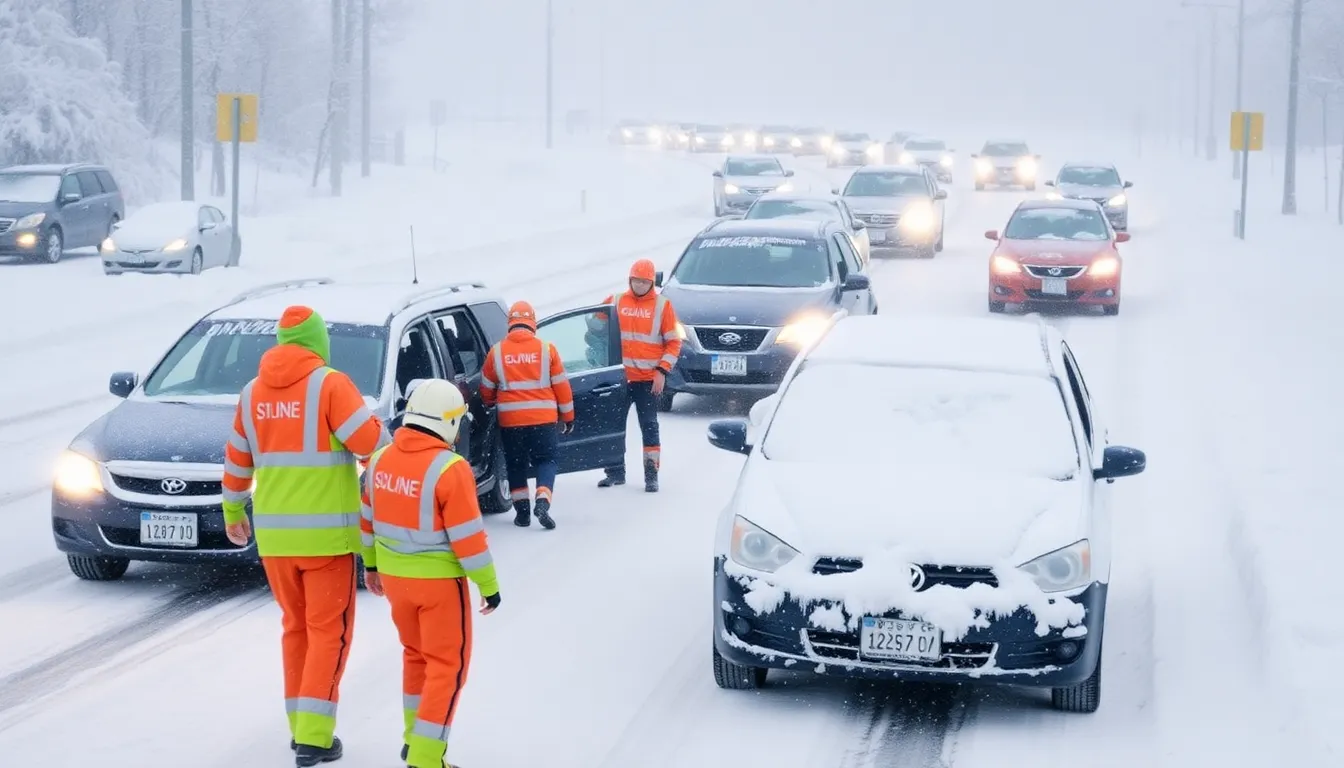
Emergency services, including police and fire departments, are on the front lines of the crisis, working tirelessly to rescue stranded individuals and provide medical assistance. Their primary concern is public safety, but they also face challenges such as inadequate equipment and manpower during extreme weather events. The legal implications of their actions, especially concerning liability and emergency protocols, are critical factors that can affect their operational effectiveness.
Residents in the affected areas are experiencing significant hardships, as many are cut off from essential services and supplies. Their interests revolve around immediate survival needs, including food, shelter, and medical care. The psychological impact of such disasters can also lead to long-term community challenges, including mental health issues and economic instability. This situation raises key questions about the adequacy of disaster preparedness and response strategies in Japan.
- Resource Allocation: Balancing immediate response needs with long-term recovery plans.
- Emergency Preparedness: Assessing the effectiveness of existing protocols and infrastructure.
- Community Impact: Addressing the psychological and economic effects on residents.
- Legal Considerations: Understanding liability issues for emergency services and local governments.
- Environmental Factors: Evaluating the impact of climate change on weather patterns and snowfall frequency.
Impact on communities and emergency services in Japan
The recent heavy snowfall in Japan has profoundly affected various communities, particularly in the northern regions such as Hokkaido and the Japanese Alps. These areas, already accustomed to winter weather, are now grappling with unprecedented snowfall, leading to significant disruptions in daily life and local economies, a situation that echoes the challenges faced during previous extreme weather events.
Emergency services are under immense pressure as they respond to a surge in incidents related to snow-related accidents, power outages, and blocked roads. The local authorities are mobilizing resources to clear roads and provide assistance to stranded residents, but the scale of the snowfall has overwhelmed their capabilities.
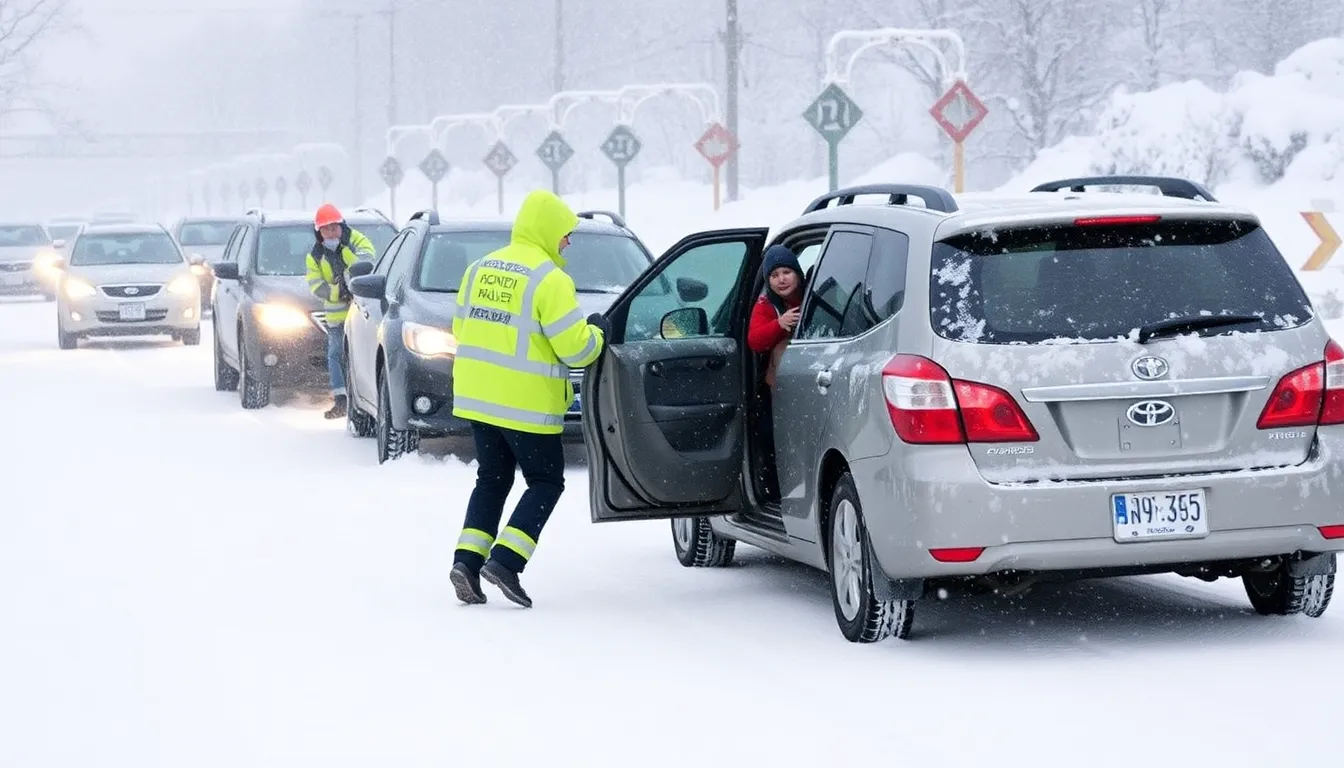
- Transportation disruptions, including delayed flights and train services.
- Increased demand for emergency services and healthcare resources.
- Potential damage to infrastructure, including homes and businesses.
In the short term, businesses in affected areas, especially those reliant on tourism, are facing challenges as visitors cancel trips and local shops struggle to operate. The hospitality sector is particularly hard hit, with many hotels and restaurants closing temporarily due to safety concerns. However, this situation could present opportunities for businesses that pivot to offer services catering to local residents, such as delivery or online shopping.
Looking ahead, the mid-term impacts may include a reevaluation of infrastructure resilience and emergency preparedness policies. Authorities may invest in better snow removal equipment and emergency response training to mitigate future risks. Additionally, there may be discussions around climate change and its impact on weather patterns, prompting potential policy shifts aimed at enhancing community resilience against extreme weather events.
A: The heavy snowfall in Japan was primarily caused by a combination of cold air masses and moisture from the Sea of Japan, leading to extreme weather conditions. A: Authorities are mobilizing emergency services, providing shelter and assistance to affected residents, and working to clear roads and restore normalcy. A: Regions in northern Japan, particularly in prefectures like Niigata and Akita, have experienced the heaviest snowfall and the most significant impacts. A: Yes, meteorological agencies continue to issue warnings for potential further snowfall and extreme cold, urging residents to stay vigilant. A: Residents are advised to stay indoors, avoid unnecessary travel, and prepare emergency supplies in case of power outages or road closures.
Frequently asked questions about the snowfall disaster
Looking ahead: Insights and future implications of the snowfall
The recent heavy snowfall in Japan has had devastating effects, leading to a tragic loss of life and significant disruptions across various sectors. As the nation begins to recover, it is crucial to consider the broader implications of these weather patterns, particularly in the context of climate change and disaster preparedness. The challenges faced by local authorities and communities highlight the need for improved infrastructure and response strategies to mitigate the impact of such extreme weather events in the future.
Moving forward, it will be essential to monitor how Japan adapts to these challenges, including potential changes in policy and investment in resilient infrastructure. The lessons learned from this disaster can serve as a guide for other regions facing similar climatic threats, emphasizing the importance of proactive measures to safeguard lives and livelihoods.
- Infrastructure Investment: Increased funding for snow removal and emergency services may be prioritized to enhance response times during extreme weather.
- Climate Adaptation Strategies: The government may implement new policies aimed at improving resilience against climate-related disasters.
- Community Preparedness Programs: Local governments could focus on educating residents about emergency preparedness and safety measures during severe snowfall.
- Monitoring Weather Patterns: Enhanced meteorological services may be developed to provide more accurate forecasts and warnings for future snow events.
- International Collaboration: Japan might engage with other countries to share best practices and technologies for dealing with extreme weather challenges.