


Meta’s leadership, including CEO Mark Zuckerberg, has emphasized the importance of these investments in driving future growth and maintaining user engagement across its platforms.
Furthermore, the forecasted spending is expected to support Meta’s ambitious vision for the metaverse, a digital environment that blends virtual and augmented realities. As competitors also pivot towards similar technologies, Meta’s financial commitment may play a crucial role in establishing its dominance in this emerging market. Analysts are closely monitoring how this spending will impact the company’s overall financial health and market position.
As of now, Meta has already begun implementing various projects funded by this budget, with a focus on enhancing user experience and expanding its advertising capabilities. The company’s ability to effectively manage such a significant investment will be pivotal in determining its success in the coming years. Stakeholders are keenly observing the outcomes of these initiatives, as they could set the tone for the future of digital interaction and commerce.
Understanding the background of Meta’s spending plans
Meta Platforms, Inc., formerly known as Facebook, has been at the forefront of the social media revolution since its inception in 2004. Over the years, the company has expanded its portfolio to include various platforms such as Instagram and WhatsApp, fundamentally altering the way people communicate and share information. However, this rapid growth has not come without challenges, particularly in terms of regulatory scrutiny and public perception. As the digital landscape evolves, so too does Meta’s approach to investment, particularly in the realm of technology and innovation.
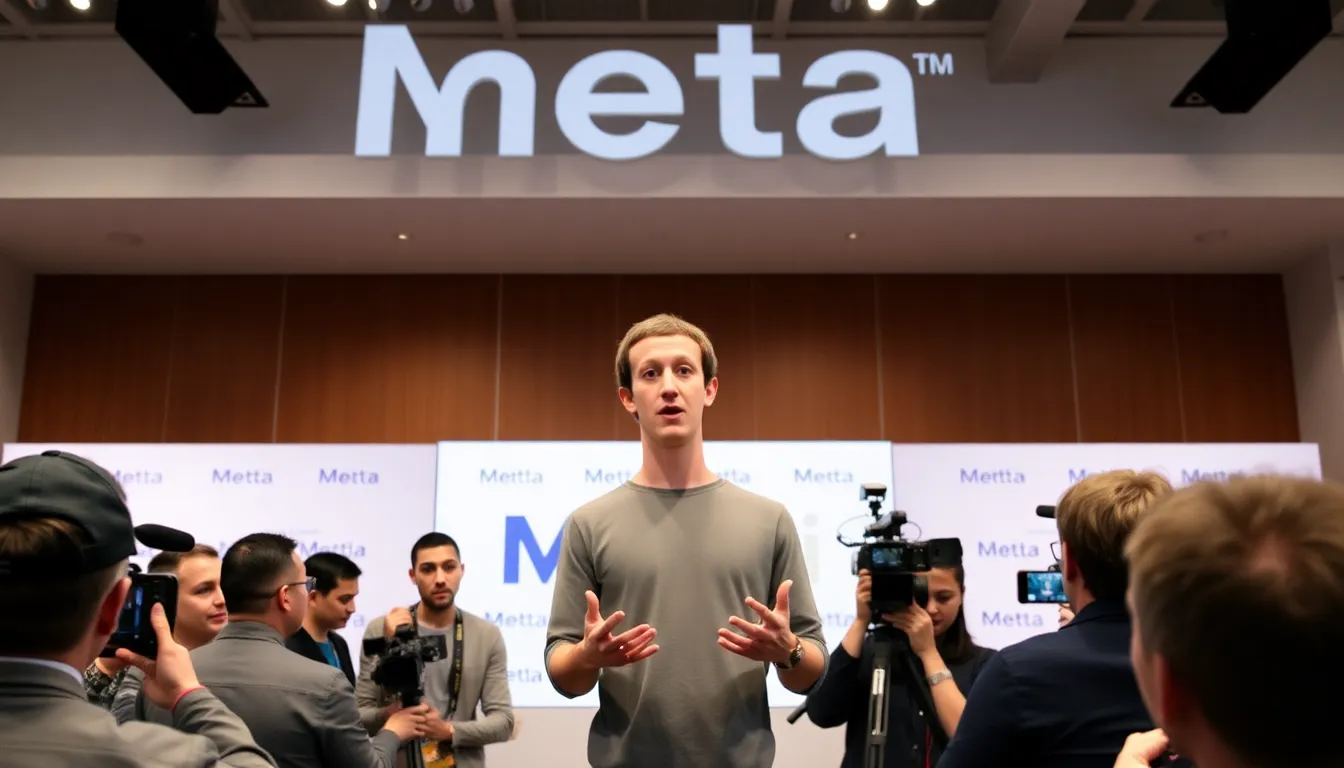
In recent years, Meta has faced increased pressure from regulators worldwide, addressing concerns over privacy, misinformation, and monopolistic practices. This scrutiny has led to significant legal battles and fines, shaping the company’s financial strategies. The commitment to spending at least $115 billion this year reflects a proactive approach to not only comply with regulatory demands but also to invest in new technologies such as the metaverse, artificial intelligence, and virtual reality, which are seen as critical to future growth.
The metaverse initiative requires substantial investment in infrastructure, research, and development, further justifying the forecasted spending.
Key Milestones in Meta’s Financial Strategy
Historically, Meta has navigated various economic climates, adapting its business model to maintain profitability. The COVID-19 pandemic accelerated digital adoption, leading to increased revenues from advertising. However, as growth begins to stabilize, Meta’s leadership has recognized the need for diversification beyond traditional revenue streams. The commitment to significant spending this year marks a pivotal moment in Meta’s evolution, as it seeks to position itself as a leader in the next generation of digital interaction.
Key stakeholders and issues surrounding Meta’s budget
Meta, formerly known as Facebook, is a major player in the tech industry, and its forecasted spending of at least $115 billion this year has drawn attention from various stakeholders. These stakeholders include investors, employees, regulatory bodies, and the broader community affected by Meta’s operations. Each group has distinct interests that shape their perspectives on the company’s financial decisions.
Investors are primarily concerned with the return on investment and the long-term growth potential of Meta. The substantial budget allocation raises questions about the effectiveness of spending, especially in areas like research and development, marketing, and infrastructure. Investors will be closely monitoring how these funds are utilized to ensure they contribute to the company’s profitability and market position.

Employees, on the other hand, may view this spending forecast as a double-edged sword. While increased budgets can lead to job security and opportunities for advancement, there is also the potential for layoffs or restructuring if the company does not achieve its financial goals. Moreover, the employees’ interests in workplace culture and job satisfaction could be impacted by how the company prioritizes its spending.
This significant financial commitment could lead to enhanced regulatory oversight, especially if expenditures are directed toward controversial areas like artificial intelligence or virtual reality.
- Investor interests: Focus on profitability and effective use of funds.
- Employee concerns: Job security versus potential restructuring.
- Regulatory scrutiny: Increased oversight related to privacy and market practices.
- Community impact: Effects of Meta’s spending on local economies and social issues.
- Technological advancement: Balancing innovation with ethical considerations.
The impact of Meta’s spending on the tech market
Meta’s forecasted spending of at least $115 billion this year is poised to significantly affect various groups and industries. Primarily, the tech sector, including software development, artificial intelligence, and virtual reality, will experience heightened competition and innovation as Meta invests heavily in these areas. Additionally, regions with a strong tech workforce, such as Silicon Valley and other tech hubs worldwide, will see a direct impact as Meta’s demand for talent increases.
In the short term, businesses that provide services or products related to Meta’s focus areas may experience a surge in opportunities. Companies specializing in cloud computing, data analytics, and cybersecurity could benefit from Meta’s investments, leading to job creation and economic growth in those sectors. However, this influx of capital may also create challenges for smaller firms that struggle to compete with Meta’s resources.

In the mid-term, the impact on daily life could manifest through advancements in technology that enhance user experiences across Meta’s platforms. Enhanced virtual reality and augmented reality applications could become more mainstream, transforming how people interact with digital content and each other. However, this rapid technological advancement also raises concerns about privacy and data security, prompting policymakers to consider stricter regulations.
- Increased job opportunities in tech-related fields.
- Heightened competition for smaller tech companies.
- Advancements in virtual and augmented reality technologies.
- Potential regulatory scrutiny regarding user privacy and data protection.
While there are risks associated with Meta’s expansive spending, such as market monopolization and potential job losses in less competitive sectors, there are also significant opportunities for innovation and collaboration. As Meta continues to shape the tech landscape, stakeholders across various industries must adapt to the evolving market dynamics and leverage the opportunities that arise from this substantial investment.
A: Meta aims to enhance its technological infrastructure and invest in new projects, particularly in virtual and augmented reality. This significant spending reflects its long-term vision for growth. A: The spending will primarily focus on research and development, talent acquisition, and expanding its product offerings in the metaverse. This aligns with Meta’s strategic goals. A: This year’s forecasted spending is significantly higher than in previous years, indicating Meta’s aggressive push into new markets and technologies. A: High spending can lead to increased scrutiny from investors and stakeholders, as well as potential financial strain if the expected returns do not materialize. A: Depending on market reactions and the success of its investments, this spending could either bolster investor confidence or raise concerns about financial sustainability.
Frequently asked questions about Meta’s spending
Key insights and future outlook on Meta’s financial strategies
Meta’s decision to allocate a staggering $115 billion for spending this year reflects its commitment to innovation and long-term growth, particularly in areas such as artificial intelligence and the metaverse. This substantial investment underscores the company’s strategy to maintain its competitive edge in an evolving digital landscape while navigating challenges such as regulatory scrutiny and market volatility.
As Meta continues to prioritize its financial resources, stakeholders should closely monitor how these expenditures translate into tangible outcomes. The effectiveness of this spending will be crucial in shaping Meta’s future market position and its ability to drive user engagement across its platforms.
- Watch for advancements in AI technologies that could enhance user experience and advertising effectiveness.
- Monitor developments in the metaverse space, particularly how Meta’s investments translate into new revenue streams.
- Keep an eye on regulatory responses to Meta’s spending and innovation strategies, which could impact its operational flexibility.
- Assess the potential for partnerships or acquisitions that may arise from this significant financial commitment.
- Evaluate user engagement metrics to determine the success of new features and services funded by this budget.