


In the wake of the Bondi shooting, local authorities have ramped up police presence in the area, aiming to reassure residents and deter further violence. However, community leaders have expressed frustration over the lack of a cohesive national strategy to address gun violence, similar to the response seen after the Port Arthur massacre. Many argue that the incident highlights ongoing issues related to mental health and social support systems.
The Bondi shooting has also led to discussions about the effectiveness of current gun laws in Australia, which are often cited as some of the strictest in the world. Critics point out that while regulations exist, illegal firearms still permeate the streets, raising questions about enforcement and the loopholes that allow such weapons to circulate.
As the investigation continues, the families of those affected are calling for justice and accountability. The community’s response has been mixed, with some advocating for more stringent gun laws, while others emphasize the need for comprehensive mental health services to prevent future tragedies. This disparity in public reaction compared to historical events like the Port Arthur massacre raises important questions about collective memory and societal priorities in addressing violence.
Historical context of national tragedies in Australia
Australia has faced several national tragedies that have significantly shaped its collective consciousness and social fabric. One of the most pivotal moments occurred 30 years ago with the Port Arthur massacre in 1996, where 35 lives were lost in a mass shooting. This event prompted a profound national response, leading to sweeping gun control reforms and a united front against gun violence. The aftermath saw the Australian government implement strict gun laws, which are often credited with reducing firearm-related deaths and incidents in the years that followed.
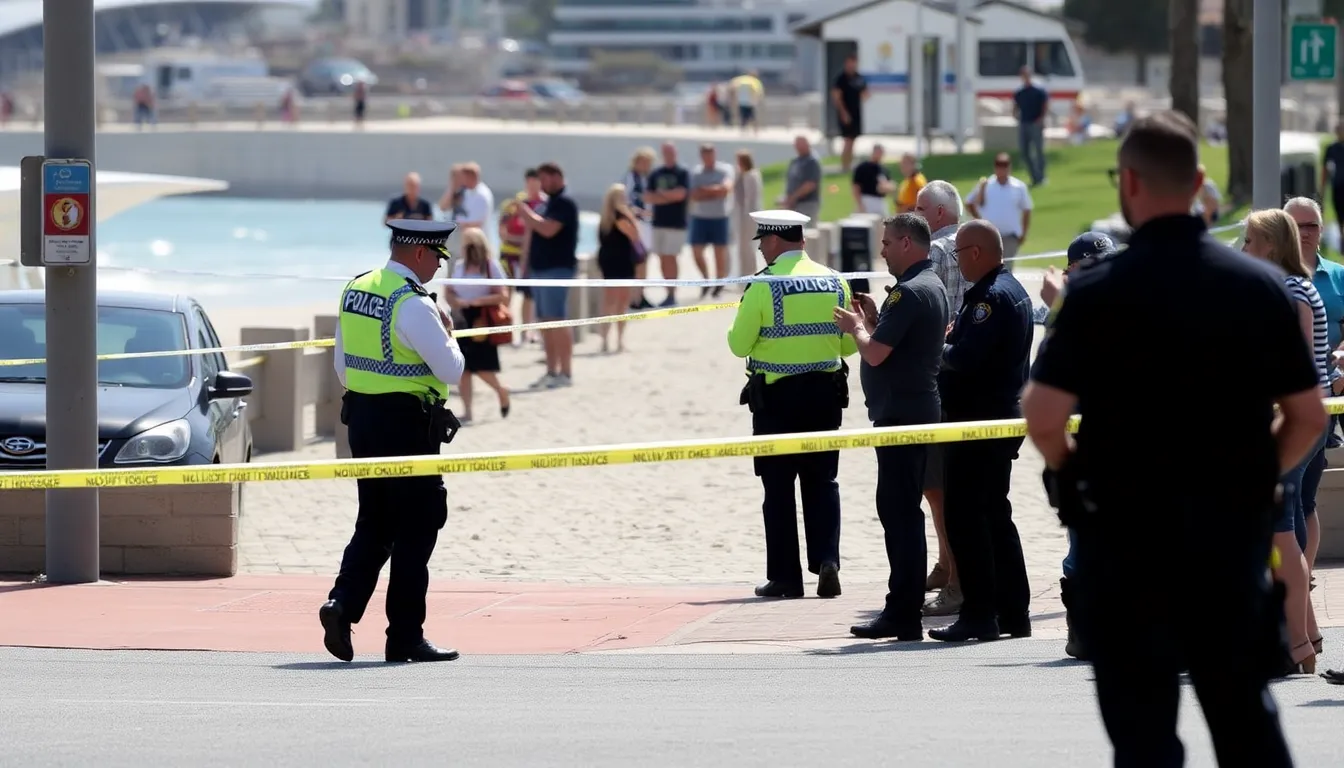
In contrast, the recent Bondi shooting has not elicited the same level of national unity or systemic change. The differing responses can be attributed to various factors, including the nature of the incidents, the societal context at the time, and the political climate. The Port Arthur massacre was a singular event that shocked the nation to its core, while the Bondi shooting, though tragic, has been perceived as part of a broader pattern of violence rather than a defining moment for the country.
Political and social implications
The political landscape in Australia has also evolved since the 1990s, with issues of gun control and public safety becoming more complex and polarized. The rise of social media and the 24-hour news cycle has changed how such events are reported and discussed, often leading to a fragmented public discourse. This fragmentation can dilute the urgency and collective response that characterized the aftermath of the Port Arthur tragedy.
Furthermore, the economic implications of violence, particularly in urban areas like Bondi, have led to debates about resource allocation for community safety, mental health support, and social services. The lack of a cohesive response to the Bondi shooting reflects broader societal challenges, including the increasing normalization of violence and the struggle to mobilize public sentiment towards systemic change.
As Australia reflects on its past tragedies, the question remains: why has the Bondi shooting failed to galvanize the same sense of urgency and collective action? Understanding the historical context and the evolution of public response to violence is crucial in addressing these ongoing challenges and fostering a safer society for all Australians.
Analyzing the stakeholders involved in the Bondi shooting
The Bondi shooting incident has drawn attention from various stakeholders, each with distinct interests that shape the narrative surrounding the tragedy. Key actors include local law enforcement, government officials, community organizations, and the media. Understanding their roles and perspectives is crucial in analyzing the broader implications of the event.
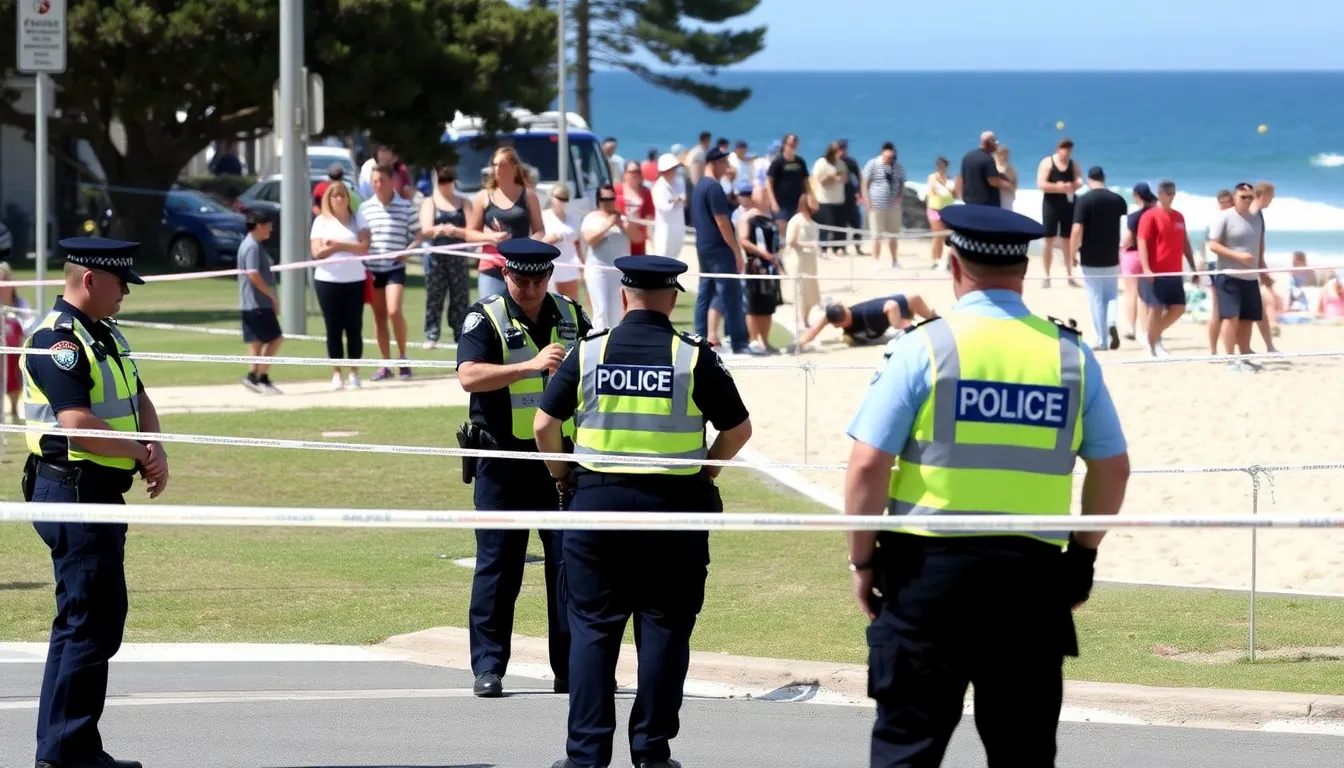
Local law enforcement agencies are primarily focused on maintaining public safety and investigating the incident. Their interests lie in resolving the case efficiently while managing community concerns about crime and security. The police face pressure to demonstrate their effectiveness and build trust within the community, which can sometimes lead to conflicts with public sentiment, especially if perceived as inadequate in preventing such tragedies.
Government officials, including local and state representatives, have a vested interest in addressing public safety and community welfare. They are often tasked with formulating policies that respond to incidents like the Bondi shooting. This can lead to trade-offs between implementing stricter gun control measures and addressing the rights of lawful gun owners. The political ramifications of their decisions can influence their standing in the community and impact future elections.
Community organizations and advocacy groups play a vital role in shaping public discourse around the shooting. They often seek to address the root causes of violence and promote initiatives aimed at prevention. However, differing opinions on how to achieve these goals can lead to conflicts within the community, particularly regarding the balance between security measures and civil liberties.
- Local Law Enforcement: Focused on crime prevention and investigation.
- Government Officials: Navigating policy responses and public safety concerns.
- Community Organizations: Advocating for violence prevention and community support.
- The Media: Shaping public perception and influencing the narrative.
- Victims’ Families: Seeking justice and support in the aftermath.
Impact of the Bondi shooting on Australian society
The Bondi shooting has reverberated across various segments of Australian society, affecting not only the local community but also broader industries and regions. Key groups impacted include residents of Bondi, law enforcement agencies, tourism operators, and mental health services. The emotional toll on families and friends of victims further complicates the societal response to this tragic event.
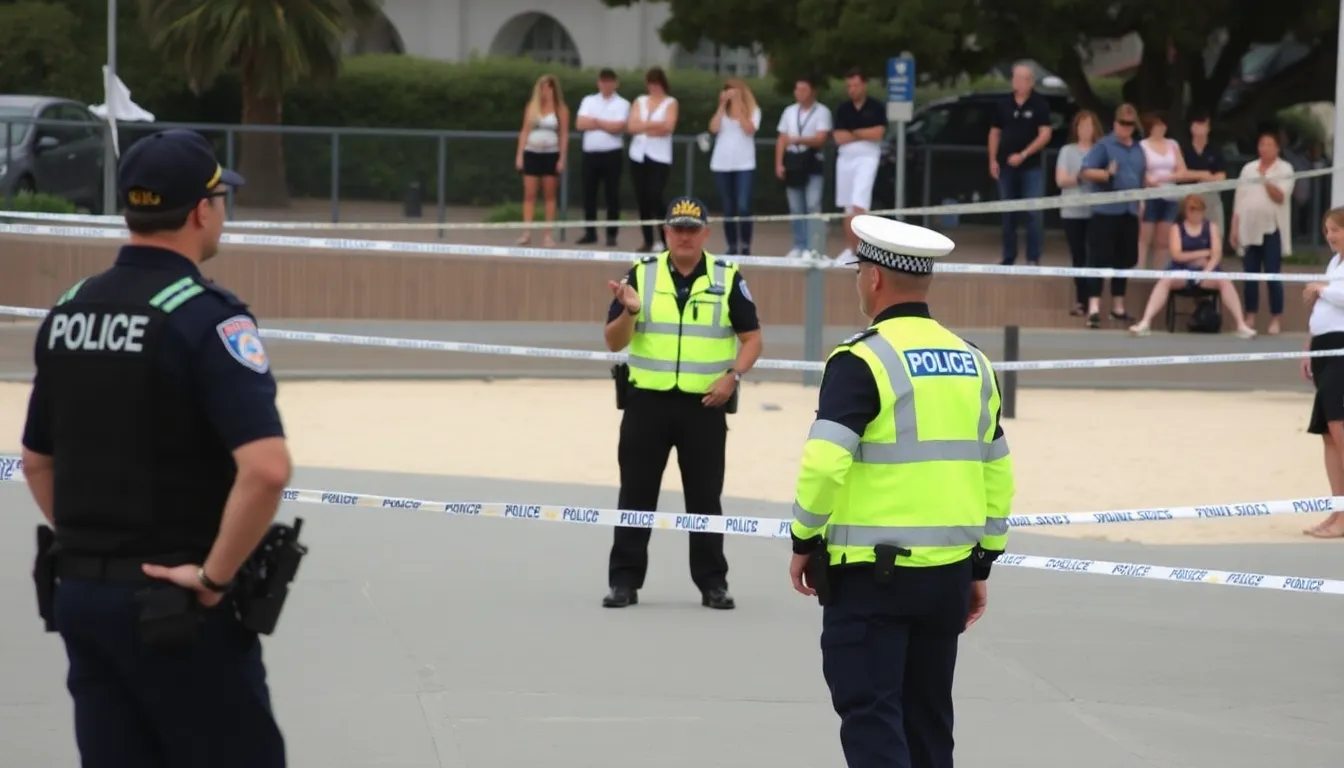
In the short term, the shooting has led to increased police presence and heightened security measures in urban areas, particularly in popular tourist destinations. This shift may disrupt daily life for local residents as well as visitors, leading to hesitance in engaging with public spaces. Businesses in the hospitality and tourism sectors may face immediate declines in patronage due to safety concerns, which could result in layoffs or reduced hours.
Mid-term impacts may include changes in public policy regarding gun control and community safety measures. Local governments may feel pressured to implement stricter regulations or community programs aimed at addressing violence. Additionally, the mental health sector may see an uptick in demand for counseling services as individuals process the trauma associated with the shooting.
- Risks: Increased fear and anxiety among the public, potential economic downturn for local businesses, and strain on mental health services.
- Opportunities: Enhanced community engagement initiatives, potential growth in security industries, and advocacy for policy reforms.
Ultimately, the Bondi shooting serves as a stark reminder of the challenges faced by Australian society in addressing violence and its aftermath. The varied impacts on different groups highlight the need for a coordinated response that prioritizes both safety and community resilience.
A: The Bondi shooting involved a tragic incident where multiple individuals were affected, leading to significant public concern and media coverage. A: Unlike past events that united the nation, the Bondi shooting has resulted in mixed reactions, highlighting differing public sentiments. A: Key issues include public safety, community response, and the effectiveness of law enforcement in preventing such incidents. A: The response has varied due to factors such as the nature of the incident, media portrayal, and the current political climate. A: Community engagement, increased law enforcement presence, and mental health support are essential steps to enhance safety.
Frequently asked questions about the Bondi shooting
Key insights and future outlook on the Bondi shooting
The Bondi shooting serves as a stark reminder of the complexities surrounding gun violence in Australia, a nation that has previously united in the face of tragedy. Unlike the collective response seen three decades ago, the current incident has elicited a fragmented reaction, raising questions about societal cohesion and the effectiveness of existing gun control measures. As the investigation unfolds, it becomes essential to reflect on the broader implications for community safety and public policy.
Moving forward, the need for a comprehensive dialogue around violence prevention and mental health support is paramount. This incident may act as a catalyst for renewed discussions on gun legislation and community engagement, fostering a proactive rather than reactive approach to such tragedies.
- Increased focus on mental health resources to address underlying issues contributing to violence.
- Potential for legislative reviews concerning gun ownership and public safety measures.
- Importance of community engagement initiatives to strengthen social cohesion and support systems.
- Monitoring media narratives to ensure responsible reporting that does not sensationalize violence.
- Encouragement of open dialogues among policymakers, law enforcement, and community leaders to collaboratively address root causes.