


Rescue teams had been working tirelessly for several days, utilizing drones and ground searches in challenging conditions. However, the New Zealand Police stated that the chances of finding the missing individuals alive had diminished significantly, leading to the difficult decision to halt the search. This situation has also raised important questions regarding New Zealand’s emergency response protocols.
This decision has drawn attention not only for the tragic loss of life but also for the broader implications it carries for emergency response protocols in natural disasters. Authorities are now focusing on providing support to the families of the missing individuals, who are grappling with the uncertainty and grief of this situation. The emotional impact can be devastating, similar to the feelings experienced during the tragic fire at Pakistan mall.
As the nation mourns the loss, discussions are emerging about the need for improved safety measures in vulnerable areas prone to such natural disasters. This incident serves as a stark reminder of the risks associated with extreme weather events and the importance of preparedness in the face of unpredictable natural phenomena.
Understanding the circumstances surrounding the landslide
New Zealand has a long history of geological activity, particularly in regions like the South Island, which is home to the Southern Alps. This mountainous terrain is prone to landslides due to its steep slopes and the frequent seismic activity that characterizes the area. Over the years, various landslides have occurred, often exacerbated by heavy rainfall and geological shifts. Understanding this backdrop is crucial to grasp the current situation regarding the recent landslide that has claimed six lives.
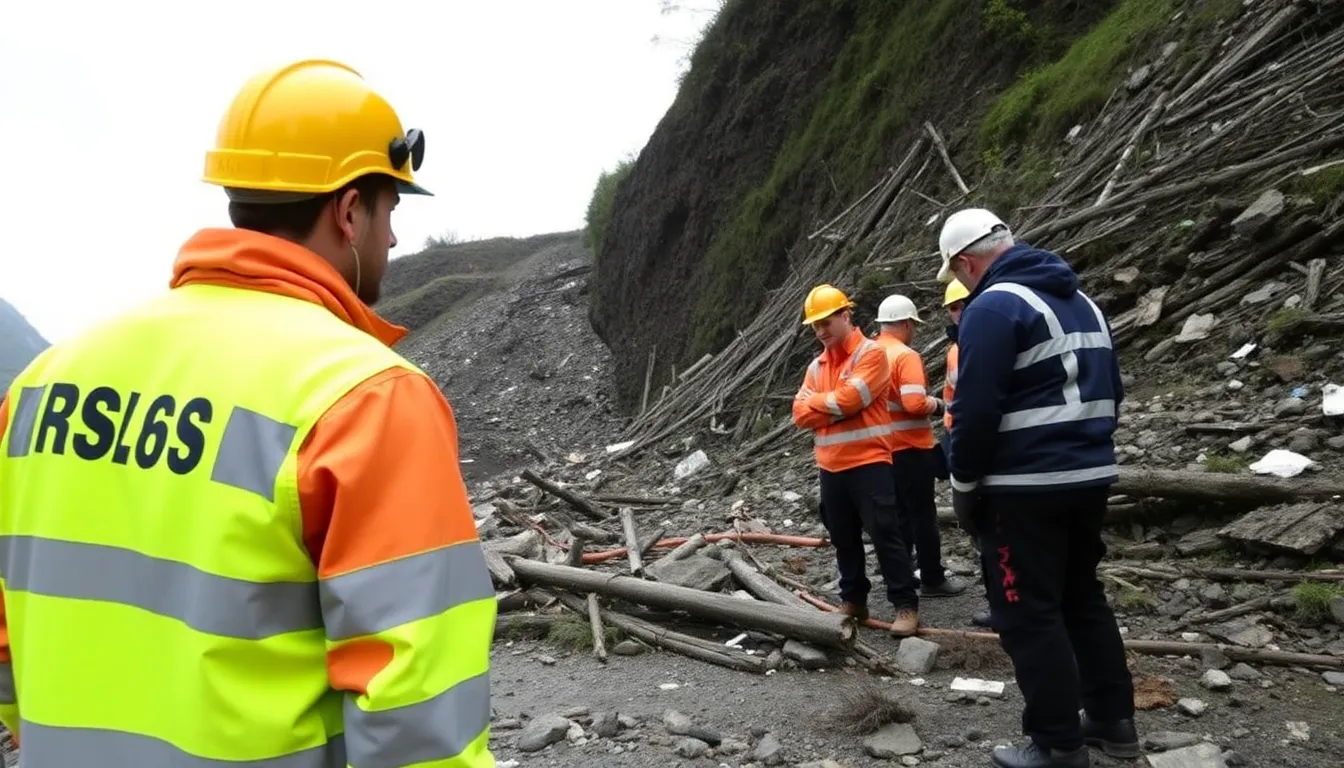
The landslide that led to the suspension of rescue efforts for the missing individuals occurred in a region known for its rugged landscape. In recent years, climate change has intensified weather patterns, resulting in more extreme rainfall events. These changes have raised concerns among scientists and local authorities about the stability of slopes and the risks posed to communities living in vulnerable areas. The government has been under pressure to enhance monitoring and response strategies to mitigate such disasters.
Past Landslide Incidents
Historically, New Zealand has faced several significant landslides, with some leading to loss of life and property. One notable incident occurred in 2017 when a massive landslide blocked the State Highway 1, isolating communities and highlighting the need for improved infrastructure and disaster preparedness. These past events have prompted discussions about land use planning and the necessity of developing better early warning systems to protect residents.
In light of these challenges, the response to the current landslide has been met with both support and criticism. While many commend the efforts of emergency services, there are calls for a more comprehensive approach to disaster management that includes community education and investment in resilience-building infrastructure. The tragic loss of life in this incident underscores the urgent need for proactive measures to safeguard against future occurrences.
Examining the implications for families and rescue teams
The recent decision by New Zealand authorities to call off rescue efforts for six individuals missing after a landslide has far-reaching implications for various stakeholders. Families of the missing individuals are undoubtedly at the forefront, grappling with uncertainty and grief. Their emotional and psychological well-being is significantly impacted as they navigate the difficult reality of the situation.
Rescue teams, including local emergency services and volunteers, also face challenges. Their commitment to saving lives is evident, yet they must balance this with the practicalities of safety and resource allocation. The decision to halt rescue operations raises questions about the limits of search efforts and the ethical considerations involved in determining when to cease such operations.
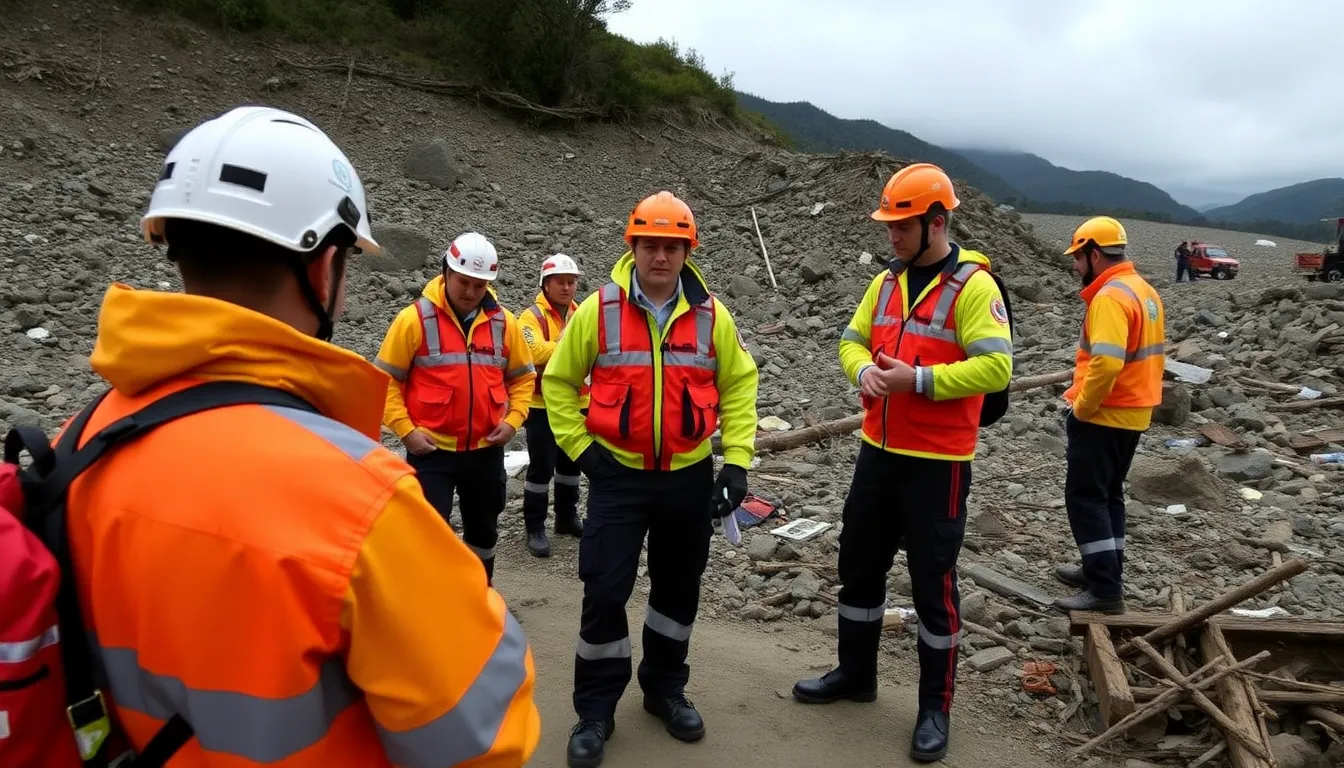
Moreover, local government officials and emergency management agencies are key actors in this scenario. They must consider the legal implications of their decisions, particularly regarding liability and community expectations. The allocation of resources during rescue operations can strain budgets, leading to potential conflicts with other community needs and priorities.
- Emotional Impact: Families are left in limbo, facing the dual burden of loss and uncertainty.
- Rescue Team Dynamics: Teams must weigh safety against the desire to continue searching for survivors.
- Government Accountability: Officials are tasked with making difficult decisions that could be scrutinized by the public.
- Resource Allocation: The need for resources in rescue efforts may conflict with other community services.
- Legal Considerations: The cessation of rescue operations raises questions about liability and community trust.
In summary, the decision to end rescue efforts highlights the complex interplay between emotional, ethical, and practical considerations that various stakeholders must navigate in the wake of such tragedies. The broader implications for community resilience and support systems will likely unfold in the coming weeks as families and rescue teams process this challenging situation.
The emotional and social impact on the affected communities
The recent decision to call off rescue efforts for the six individuals missing after the landslide has left a profound emotional toll on the local communities in New Zealand. Families and friends of the missing are grappling with uncertainty and grief, while the broader community faces a collective sense of loss and helplessness.
Regions directly impacted by the landslide, particularly those near the affected area, will experience significant disruptions. Local businesses may see a decline in customer traffic as residents are preoccupied with the tragedy. Additionally, the tourism industry, which often thrives in these scenic areas, may suffer as visitors reconsider their plans amidst safety concerns.
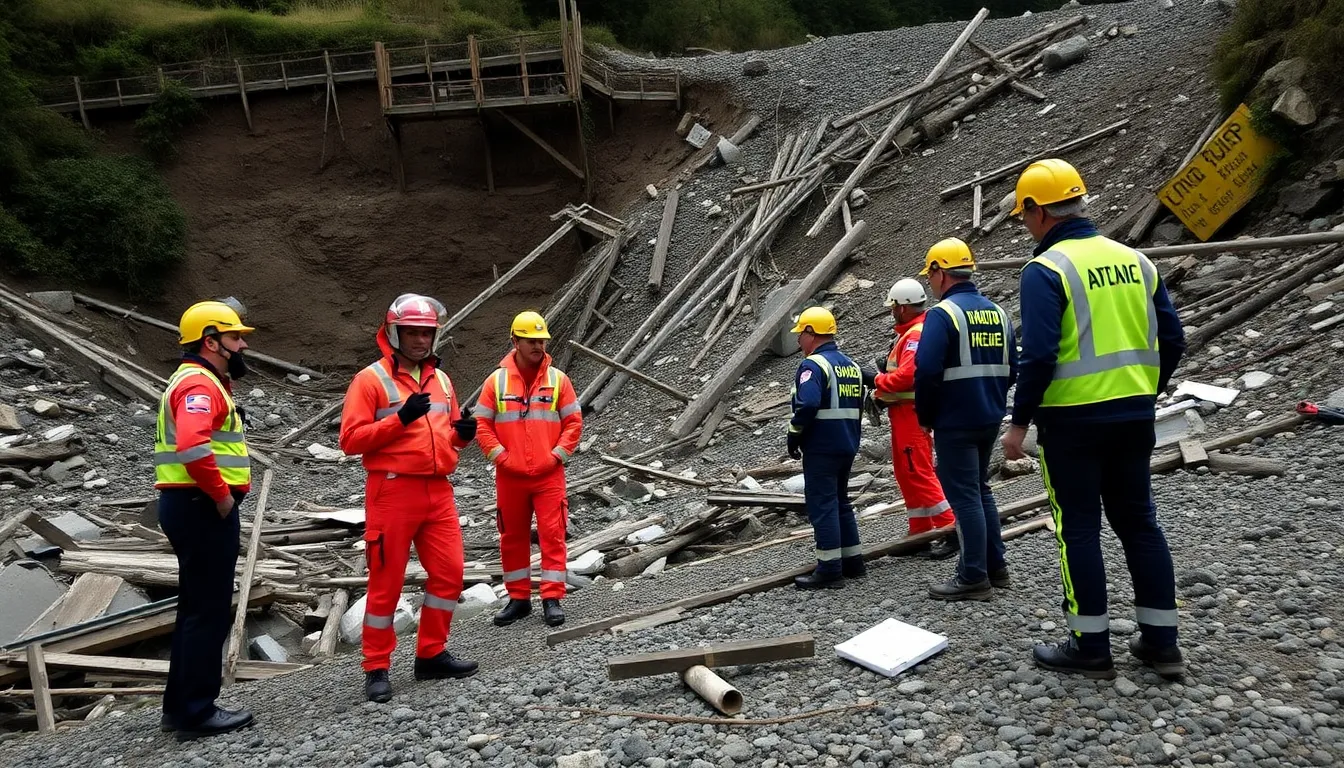
In the short term, community support systems will be tested as residents rally to provide emotional and logistical support to those affected. Local governments may need to allocate resources for counseling services and community gatherings to help process the tragedy. Mid-term impacts could include increased scrutiny on land management and safety regulations, prompting policy changes aimed at preventing similar disasters in the future.
- Emotional strain on families and communities, leading to potential mental health issues.
- Economic downturn for local businesses and tourism sectors.
- Policy shifts regarding land use and disaster preparedness.
- Community solidarity fostering resilience and support networks.
While the immediate risks are evident, there may also be opportunities for growth in community engagement and disaster response initiatives. Local organizations could emerge stronger, focusing on preparedness and resilience training, which could ultimately benefit the region in the long run.
A: The landslide was triggered by heavy rainfall and unstable geological conditions in the area, leading to significant earth movement. A: Rescue operations were carried out for several days, involving multiple agencies and volunteers, but ultimately were deemed unsafe to continue. A: The area will be monitored for further geological activity, and efforts will shift towards recovery and support for affected families. A: Yes, local authorities and organizations are providing counseling and support services for families impacted by the tragedy. A: The community will focus on healing and rebuilding, as well as addressing safety concerns to prevent future incidents.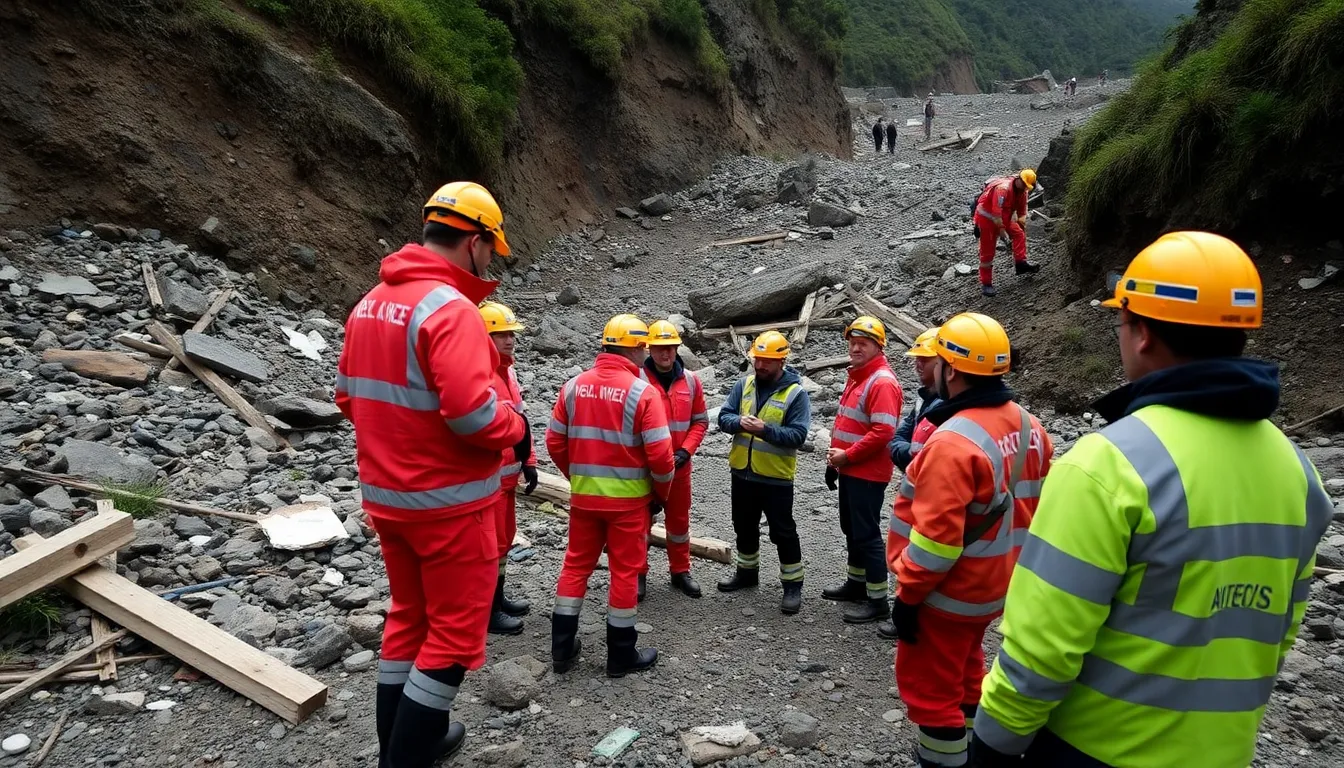
Frequently asked questions about the landslide incident
Key takeaways and future outlook on recovery efforts
The decision to call off rescue efforts for the six individuals missing after the landslide in New Zealand marks a significant turning point in the ongoing response to this tragic event. As search and recovery operations transition to a focus on community support and rebuilding, the implications for local residents and authorities are profound. This situation underscores the importance of preparedness and resilience in the face of natural disasters, as well as the need for effective communication and support systems for affected families.
Looking ahead, the community will likely face challenges related to emotional recovery and infrastructure rebuilding. Monitoring the response strategies and support mechanisms put in place will be crucial for understanding how best to assist those impacted and to enhance future disaster readiness.
- Increased emphasis on community support services for families affected by the landslide.
- Potential for new policies or funding aimed at improving disaster preparedness and response in vulnerable areas.
- Heightened awareness of geological risks in regions prone to landslides, leading to more stringent land-use regulations.
- Opportunities for local businesses to engage in recovery efforts, fostering community solidarity.
- Importance of mental health resources as part of the recovery process for those grieving the loss of loved ones.