


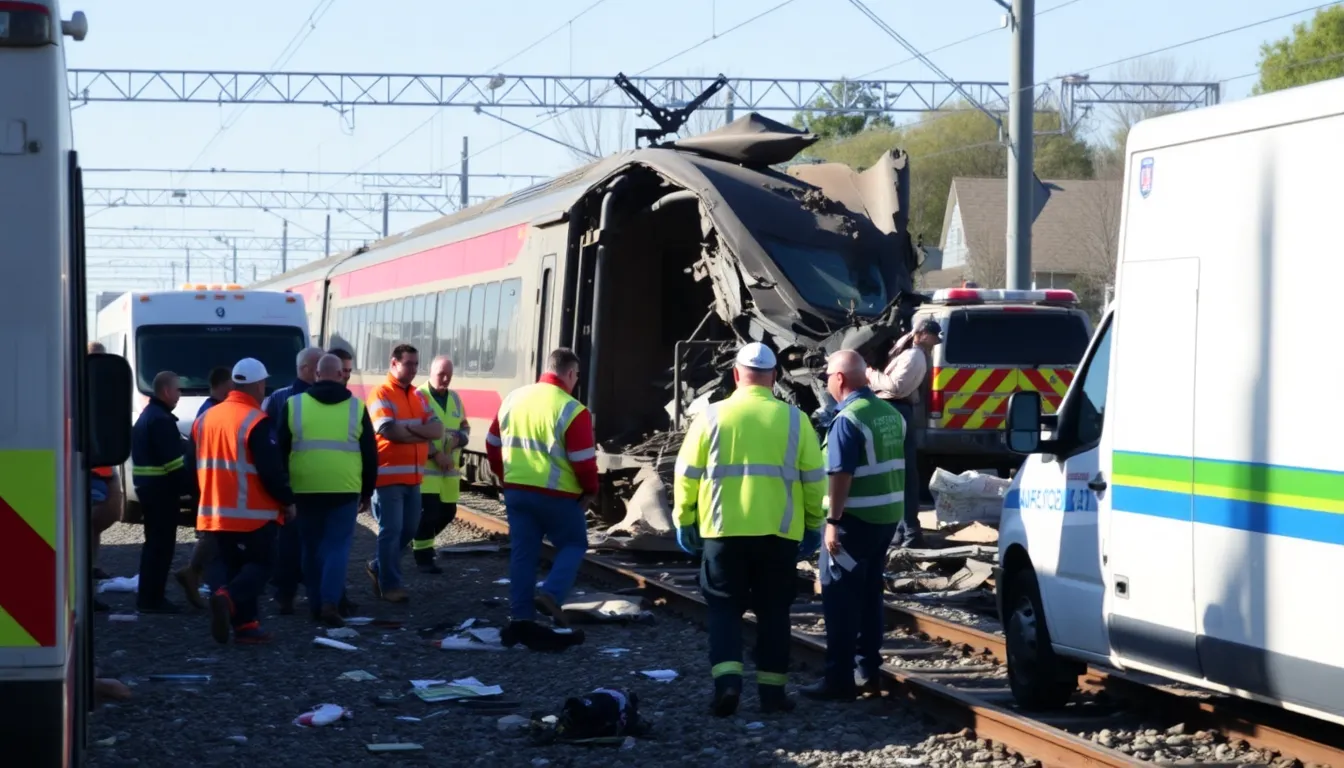
Initial reports indicate that the crash involved multiple carriages derailing, resulting in numerous injuries and at least three fatalities. Emergency services were deployed swiftly to the scene, where they are currently working to rescue passengers trapped in the wreckage and provide medical assistance to the injured.
However, this tragic event has cast a shadow over its perceived benefits, prompting officials to launch an investigation into the cause of the crash. For a deeper understanding of the implications of accidents, you can read about the Kianna Underwood hit-and-run incident.
Transportation authorities are now under pressure to address safety concerns and ensure that such incidents do not recur. Stakeholders, including government officials and rail companies, are calling for a thorough review of the rail system’s operational standards and maintenance practices.
Understanding the development of high-speed rail systems
The advent of high-speed rail systems can be traced back to the early 1960s in Japan with the introduction of the Shinkansen, which revolutionized rail travel by drastically reducing journey times between major cities. This innovation not only transformed transportation in Japan but also sparked interest globally, leading countries in Europe and Asia to invest heavily in similar infrastructures. The success of these systems has often been attributed to their ability to alleviate traffic congestion, reduce travel times, and provide a more environmentally friendly alternative to air travel.
In recent decades, the push for high-speed rail has gained momentum in various parts of the world, particularly in regions where urbanization and population growth have strained existing transportation networks. In the United States, discussions around high-speed rail have been ongoing since the 1990s, yet significant projects have faced numerous hurdles, including funding challenges and political opposition. The construction of new rail lines often encounters resistance from local communities and stakeholders concerned about land use, environmental impact, and the economic viability of such projects.
Key milestones in high-speed rail development
Several key milestones have marked the evolution of high-speed rail systems globally. The launch of France’s TGV in 1981 set a benchmark for speed and efficiency, influencing other nations to develop their own high-speed networks. In China, the rapid expansion of high-speed rail since 2007 has resulted in the world’s largest network, connecting major cities and transforming domestic travel patterns. These milestones highlight the varying degrees of investment and commitment to high-speed rail, reflecting each country’s unique political and economic landscape.
This incident serves as a reminder of the challenges that accompany the rapid development of high-speed rail networks, including the need for rigorous testing, maintenance, and adherence to safety standards. To explore more about safety measures in different transportation sectors, check out our article on the impact of pesticides on fish lifespans.
Key stakeholders and issues surrounding rail safety
The recent crash on a new stretch of high-speed rail track has brought various stakeholders into the spotlight, each with distinct interests and concerns. Key actors in this scenario include government transportation agencies, rail companies, safety regulators, and the affected communities. Their collective focus is on ensuring safety, maintaining public trust, and addressing the economic implications of such incidents.
Government transportation agencies are primarily concerned with public safety and regulatory compliance. They are tasked with investigating the crash to determine its causes and prevent future occurrences. Their interest lies in upholding safety standards and ensuring that the rail infrastructure is reliable and secure for passengers.
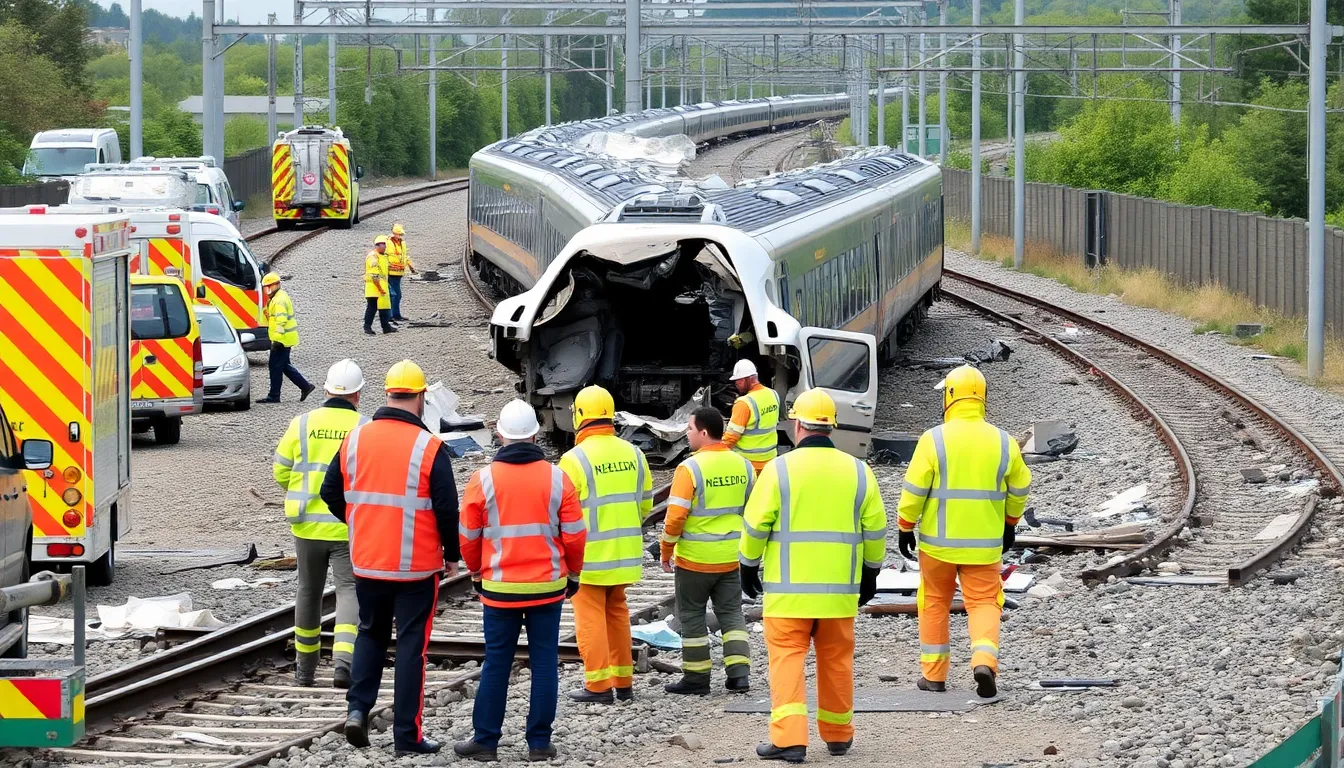
Rail companies, on the other hand, face the challenge of balancing operational efficiency with safety measures. Their interests include minimizing financial losses from the crash and maintaining their reputation in the industry. They may also face pressure from shareholders to quickly resume operations, which can lead to conflicts with safety protocols.
- Safety regulations: The need for stringent safety regulations is paramount, especially on new rail systems.
- Economic impact: The crash may lead to significant economic repercussions for rail companies and local economies reliant on rail services.
- Public trust: Restoring public confidence in rail travel is essential for both government agencies and rail companies.
- Legal ramifications: Potential lawsuits from victims and their families could arise, complicating the response to the crash.
- Infrastructure investment: Ongoing debates about funding for rail infrastructure improvements may be intensified by this incident.
In conclusion, the interplay between these stakeholders highlights the complexities of rail safety and the multifaceted issues that arise following such incidents. The resolution of these conflicts and the prioritization of safety will be crucial in shaping the future of high-speed rail travel.
The impact of the crash on passengers and the rail industry
With safety concerns now at the forefront, the incident raises questions about the reliability of high-speed rail systems and the potential for stricter regulations in the future. This situation parallels the urgent need for safety protocols in other fields, as seen in the recent reports about how astronauts dealt with a medical emergency in space.
Passengers who rely on high-speed rail for commuting and travel are likely to face immediate disruptions. Many may experience delays or cancellations, leading to frustration and uncertainty in their daily routines. The psychological impact of the crash may also deter some individuals from using rail services, at least in the short term.
For the rail industry, the crash could result in significant financial repercussions. Rail operators may incur costs related to damages, legal liabilities, and increased insurance premiums. Additionally, the incident could prompt a reevaluation of safety protocols and infrastructure investments, which might divert funds from other projects.
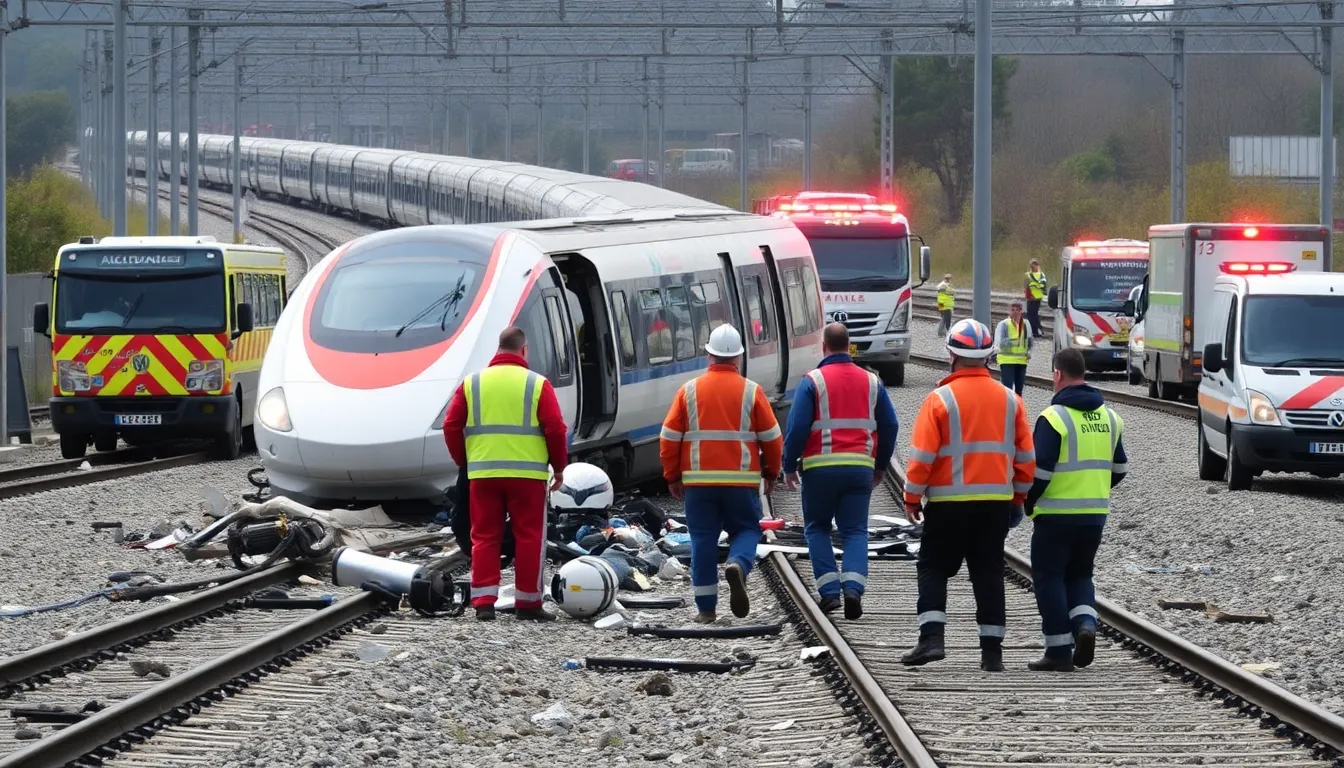
- Short-term impacts: Increased passenger anxiety, service disruptions, and potential financial losses for rail companies.
- Mid-term impacts: Possible regulatory changes, shifts in public perception of rail travel, and a reassessment of safety measures.
- Opportunities: Enhanced focus on rail safety technology, potential government investment in infrastructure improvements, and innovation in customer service approaches.
Regions dependent on high-speed rail for tourism and commerce may also feel the effects. A decline in ridership could impact local businesses and tourism sectors, particularly in areas that rely on visitors traveling via rail. Conversely, this incident might spark discussions on improving rail safety standards, potentially leading to investments that enhance the overall quality of rail services in the long run.
A: The exact cause of the crash is still under investigation, but officials are looking into potential technical failures and human error. A: Yes, there were several injuries reported, and emergency services responded promptly to assist those affected. A: This incident may lead to increased scrutiny and stricter safety regulations for future high-speed rail developments. A: Authorities are reviewing existing safety protocols and may implement new measures to prevent similar incidents in the future. A: Service resumption will depend on the findings of the investigation and necessary repairs to the track.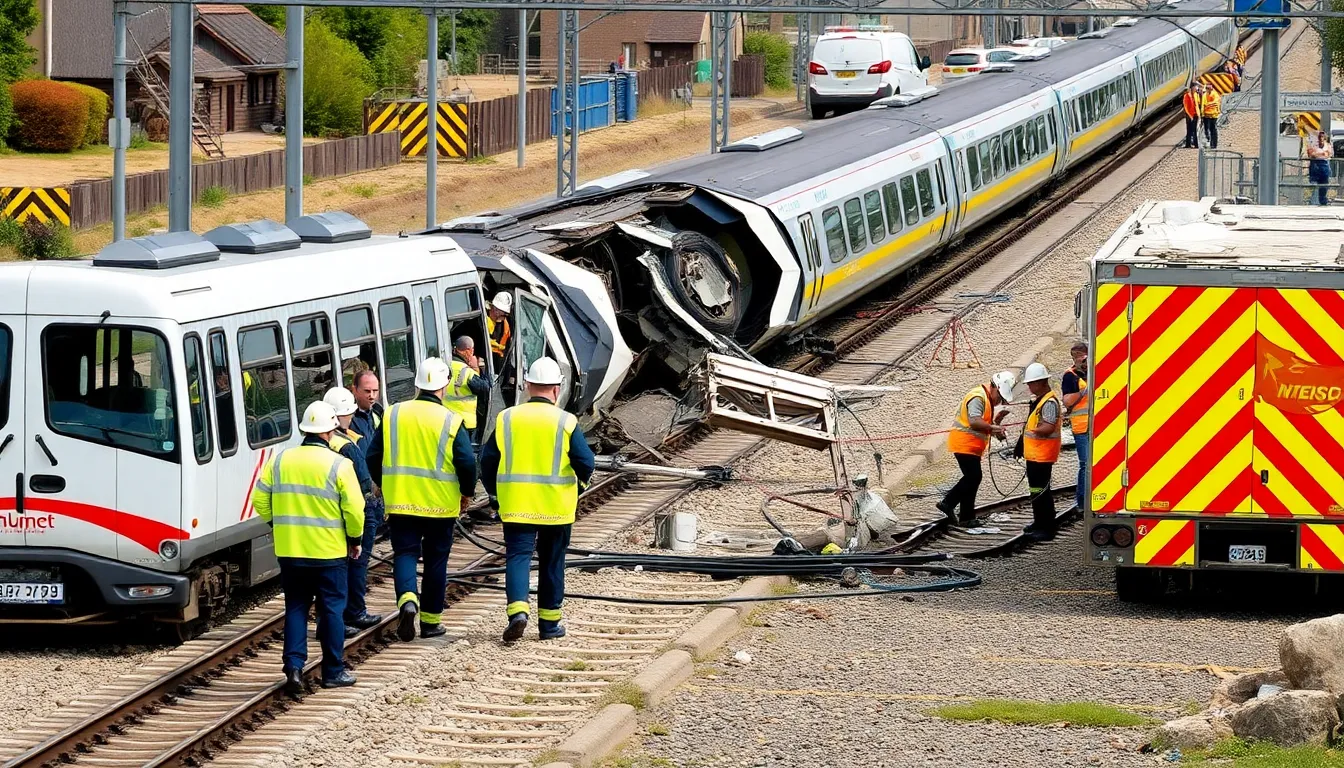
Frequently asked questions about the rail crash
Looking ahead: safety measures and future of high-speed rail
The recent crash on a new stretch of high-speed rail track has raised significant concerns about the safety and reliability of such transportation systems. As investigations unfold, it is crucial to analyze the implications for both current operations and future developments in high-speed rail infrastructure. Stakeholders must prioritize safety enhancements while maintaining the momentum for innovation in rail technology.
In light of this incident, the industry may see increased scrutiny from regulatory bodies, leading to more stringent safety protocols and operational guidelines. This could also spark a broader dialogue regarding the balance between rapid expansion of rail networks and the imperative of ensuring passenger safety.
- Anticipate the implementation of enhanced safety regulations and protocols across high-speed rail systems.
- Watch for potential delays in the rollout of new rail projects as safety assessments become a priority.
- Monitor public sentiment and its impact on funding and support for high-speed rail initiatives.
- Consider the role of technology in improving safety measures, such as advanced monitoring systems and automated controls.
- Evaluate how this incident may influence international collaborations and standards in high-speed rail development.