


Key players in this burgeoning industry include local tour operators and startups that specialize in providing immersive experiences in remote locations, such as those highlighted in Top 10 Locations to Die for in Arequipa Peru. For instance, regions like Ladakh and Rann of Kutch have emerged as prime destinations, offering clear skies and minimal light pollution. These areas have seen a rise in bookings for stargazing camps, with some operators reporting a 150% increase in demand compared to pre-pandemic levels.
The Indian government has also recognized the potential of astrotourism as a means to promote rural development and conservation, similar to other initiatives aimed at boosting local economies through tourism. Initiatives are being launched to enhance infrastructure in these remote areas, making them more accessible to tourists. Moreover, events such as the annual International Astronomy Festival in Ladakh have further spotlighted India’s capabilities in hosting significant astronomical events.
This growing interest in astrotourism not only caters to urban stargazers seeking a break from city life but also fosters a greater appreciation for astronomy and environmental conservation. Educational programs and workshops are increasingly being integrated into travel itineraries, allowing participants to learn more about celestial phenomena while enjoying the beauty of nature. As this trend continues to evolve, it promises to reshape the travel landscape in India, much like the emerging economic opportunities discussed in Assessing the feasibility of India’s rare earth magnet ambitions.
Understanding the growth of astrotourism in India
Astrotourism in India has emerged as a significant trend over the past decade, driven by a growing urban population’s desire to escape the light pollution of cities and reconnect with the cosmos. Historically, India’s rich astronomical heritage, dating back to ancient civilizations that studied celestial bodies, has laid the groundwork for this modern movement. Observatories, such as the Jantar Mantar built in the 18th century, reflect the country’s long-standing interest in astronomy.
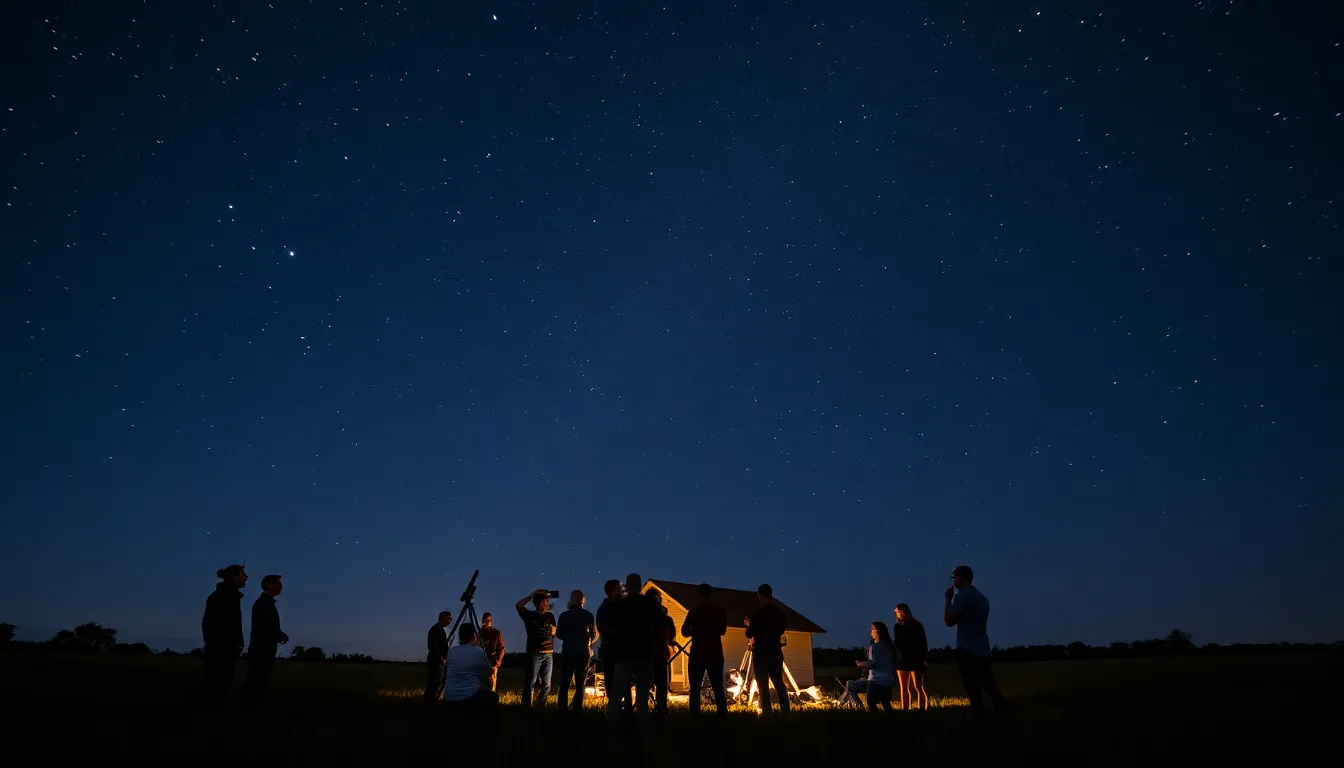
The political landscape has also played a crucial role in fostering astrotourism. Government initiatives aimed at promoting rural tourism and sustainable travel have encouraged the development of astrotourism sites. The Ministry of Tourism has recognized the potential of dark sky locations, leading to the establishment of designated astrotourism destinations that offer stargazing experiences, guided tours, and educational programs.
Economically, astrotourism presents a unique opportunity for rural areas to benefit from increased tourism revenue. As urban dwellers seek out remote locations for stargazing, local economies are revitalized through the establishment of accommodations, eateries, and tour services. This trend not only supports local businesses but also encourages environmental conservation efforts, as communities recognize the value of preserving their natural landscapes for tourism.
Key Milestones in India’s Astrotourism Journey
Several key milestones have marked the growth of astrotourism in India. The launch of the International Dark-Sky Association’s initiatives has prompted various regions to apply for dark sky status, enhancing their appeal to stargazers. Additionally, the rise of social media has played a pivotal role in popularizing astrotourism, with enthusiasts sharing breathtaking images of the night sky, thus inspiring more people to venture beyond urban confines.
Key players and challenges in the astrotourism sector
The burgeoning astrotourism sector in India has attracted a diverse range of stakeholders, each with distinct interests and motivations. Key players include government bodies, private tour operators, local communities, and environmental organizations. Their interactions shape the landscape of astrotourism, revealing both opportunities and challenges.
Government agencies are primarily focused on promoting tourism as a means of economic development. They aim to create policies that facilitate the growth of astrotourism, which can enhance local economies and create jobs. However, there is often a tension between rapid tourism development and the preservation of natural and cultural resources.
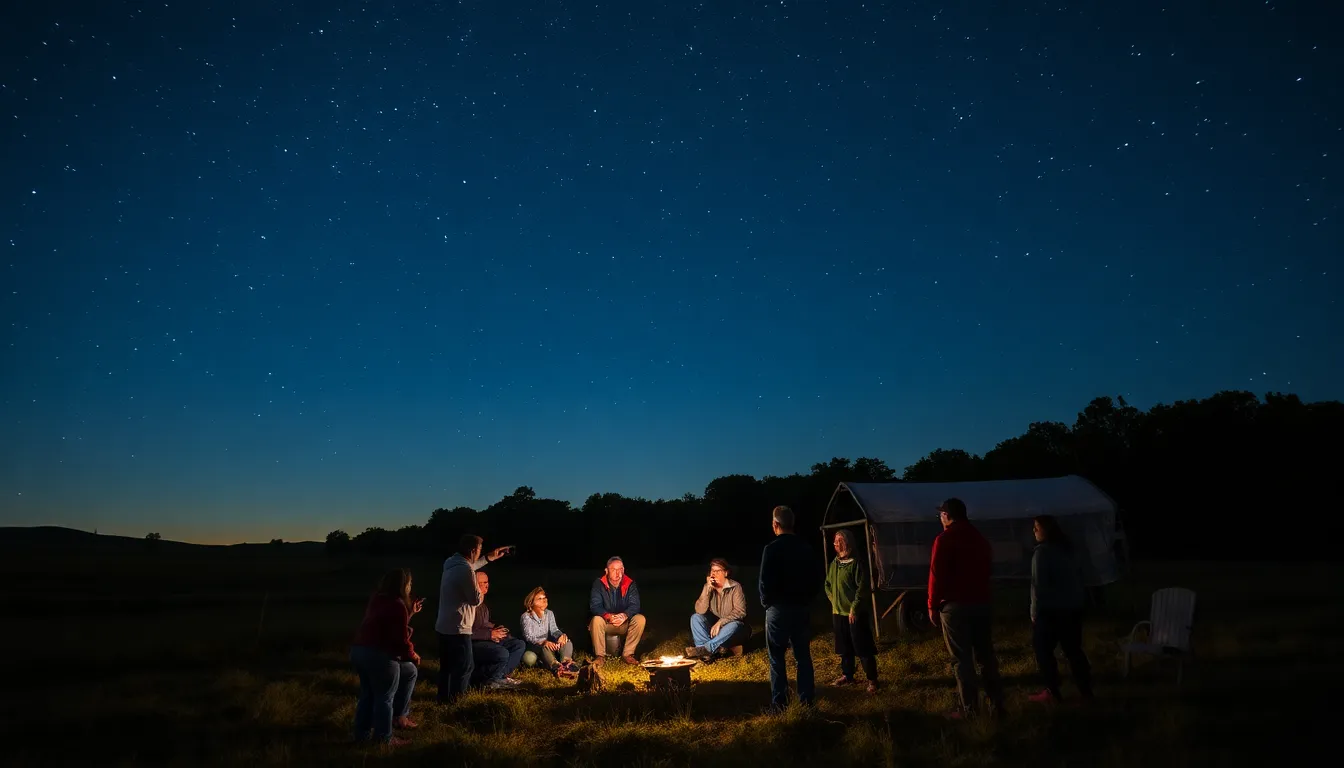
Private tour operators are capitalizing on the growing interest in stargazing, offering packages that range from guided night sky tours to luxury accommodations in remote areas. Their interests lie in maximizing profits while providing unique experiences. However, this can lead to over-commercialization, which may detract from the authenticity of the experience and strain local ecosystems.
- Local communities are both beneficiaries and stakeholders in the astrotourism boom. They stand to gain economically through employment and business opportunities but may face challenges related to cultural dilution and environmental degradation.
- Environmental organizations advocate for sustainable practices in astrotourism. They emphasize the importance of preserving dark skies and natural habitats, often clashing with commercial interests that prioritize short-term gains.
- Legal frameworks surrounding land use and environmental protection are critical in balancing development and conservation. Conflicts may arise over land rights and the implementation of regulations aimed at protecting sensitive areas from overexploitation.
As urban stargazers venture beyond city limits, the interplay among these stakeholders will determine the future trajectory of astrotourism in India. The need for collaboration and dialogue among all parties is essential to address the key issues and ensure a sustainable model that benefits everyone involved.
Effects of astrotourism on local economies and communities
The rise of astrotourism in India is significantly impacting various groups, particularly rural communities, local businesses, and the tourism sector. As urban stargazers venture beyond city limits in search of clearer skies, regions traditionally overlooked are experiencing a surge in visitors. This influx can lead to both economic opportunities and challenges for these communities.
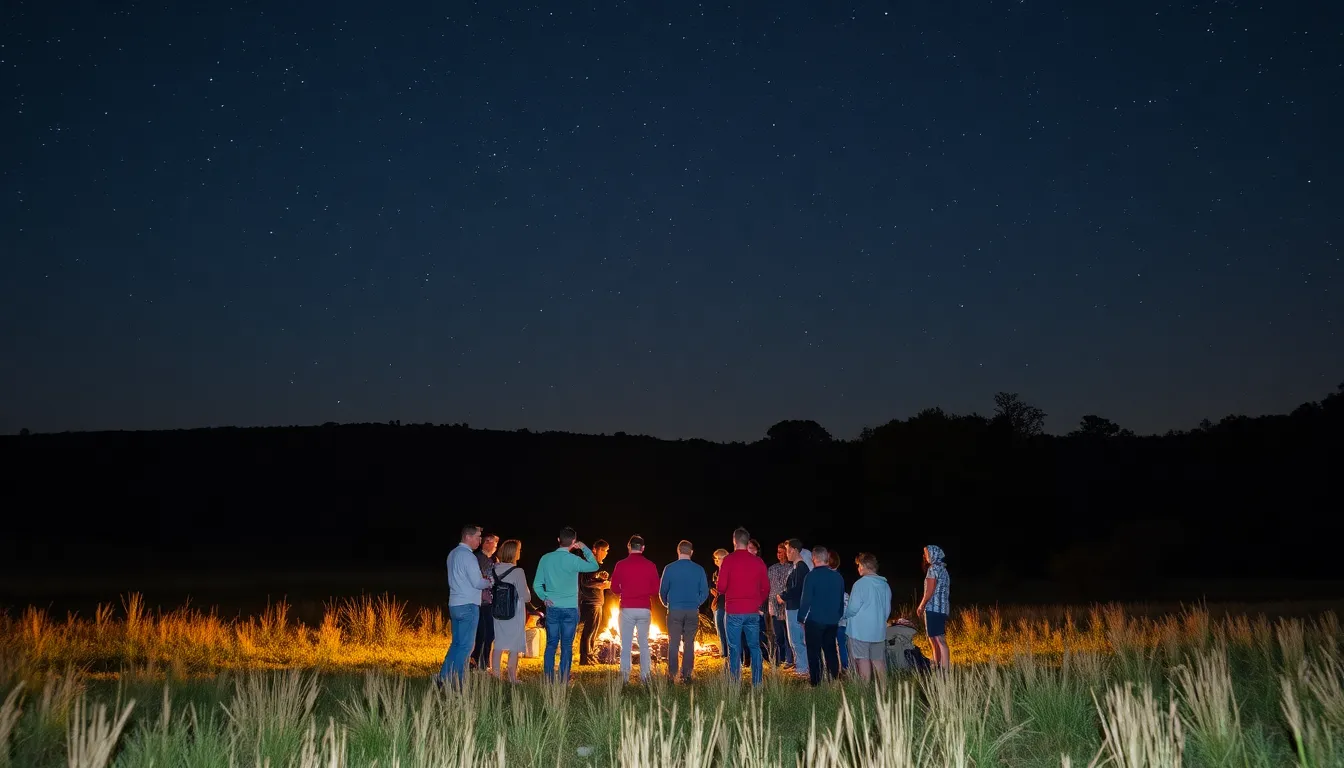
Short-term impacts include increased foot traffic in remote areas, which can boost local economies through spending on accommodations, food, and transportation. Businesses such as guesthouses, restaurants, and tour operators are likely to see a rise in demand, creating new job opportunities and stimulating local markets. Additionally, regions known for their dark skies, such as Ladakh and Rann of Kutch, are becoming more prominent on the tourism map.
In the mid-term, the sustained interest in astrotourism could lead to improved infrastructure in these areas, including better roads, communication networks, and amenities. Local governments may prioritize investments in tourism-related facilities, which can enhance the overall quality of life for residents. However, this growth also brings risks, such as environmental degradation and cultural dilution if not managed sustainably.
- Economic Opportunities: Increased revenue for local businesses and job creation.
- Infrastructure Development: Improved facilities and services in rural areas.
- Environmental Risks: Potential harm to local ecosystems and natural resources.
- Cultural Impact: Risk of cultural commercialization and loss of authenticity.
Moreover, as astrotourism gains traction, there may be a need for policies that balance economic development with environmental conservation. Stakeholders, including local governments and community leaders, will need to collaborate to ensure that growth is sustainable and beneficial for all involved. This could involve regulations on visitor numbers, conservation efforts, and promoting awareness of local culture and ecology among tourists.
A: Astrotourism refers to travel that focuses on experiencing celestial events and observing the night sky, often in areas with minimal light pollution. A: Urban stargazers seek clearer skies and better visibility of celestial bodies, which are often obscured by city lights. A: Popular astrotourism destinations in India include Ladakh, Rann of Kutch, and places in the Western Ghats, known for their dark skies. A: Astrotourism can boost local economies by attracting tourists, creating jobs, and promoting local culture and heritage. A: Challenges include environmental concerns, infrastructure development, and ensuring sustainable practices in tourism.
Frequently asked questions about astrotourism
Future outlook and key takeaways on astrotourism
As India’s astrotourism sector continues to flourish, it presents significant opportunities for both urban stargazers and rural economies. The increasing interest in celestial phenomena is not just a fleeting trend; it reflects a deeper desire for connection with nature and the cosmos. This burgeoning market is likely to encourage sustainable tourism practices, boost local economies, and enhance awareness of astronomical sciences among the general public.
Looking ahead, stakeholders should remain vigilant about the balance between tourism growth and environmental conservation. The collaboration between local communities, tourism operators, and government agencies will be crucial in shaping a sustainable framework for astrotourism in India.
- Growing Demand: The rise in urban stargazers indicates a sustained interest in astrotourism, suggesting potential for long-term growth in this sector.
- Community Involvement: Engaging local communities in astrotourism initiatives can enhance economic benefits while preserving cultural heritage.
- Environmental Considerations: Sustainable practices must be prioritized to protect natural landscapes and minimize light pollution.
- Educational Opportunities: Astrotourism can serve as a platform for educational initiatives, fostering interest in science and astronomy among youth.
- Technological Advancements: The use of technology in astrotourism experiences, such as apps for stargazing and virtual tours, may enhance visitor engagement.