


The delayed response from local firefighting units has come under scrutiny, with eyewitness accounts suggesting that help arrived much later than expected. For more about the challenges faced by emergency services, check out our article on activists in Iran using Starlink. Firefighters struggled to access the building due to inadequate infrastructure and a lack of clear evacuation routes. This incident has sparked outrage among the public and officials alike, highlighting systemic issues within the emergency services.
Authorities have launched an investigation into the circumstances surrounding the fire and the subsequent emergency response. This tragedy has reignited debates on building safety standards and the need for improved training for first responders, which are often highlighted in discussions surrounding major incidents like the crane collapse in Thailand.
The Al-Faisal Mall fire is not an isolated incident; it reflects a broader pattern of inadequate emergency response in urban areas of Pakistan. As cities continue to expand without sufficient safety measures, the risk of such disasters increases. The urgency of reforming emergency services has never been clearer, as communities demand accountability and change to prevent future tragedies.
Understanding the circumstances surrounding the mall fire
The tragic fire that engulfed a shopping mall in Pakistan has raised serious concerns about the effectiveness of emergency response systems in the country. Historically, Pakistan has faced numerous challenges in disaster management, often exacerbated by political instability and inadequate infrastructure. The lack of a robust emergency response framework has been a recurring theme, particularly in urban areas where rapid development has outpaced regulatory oversight.
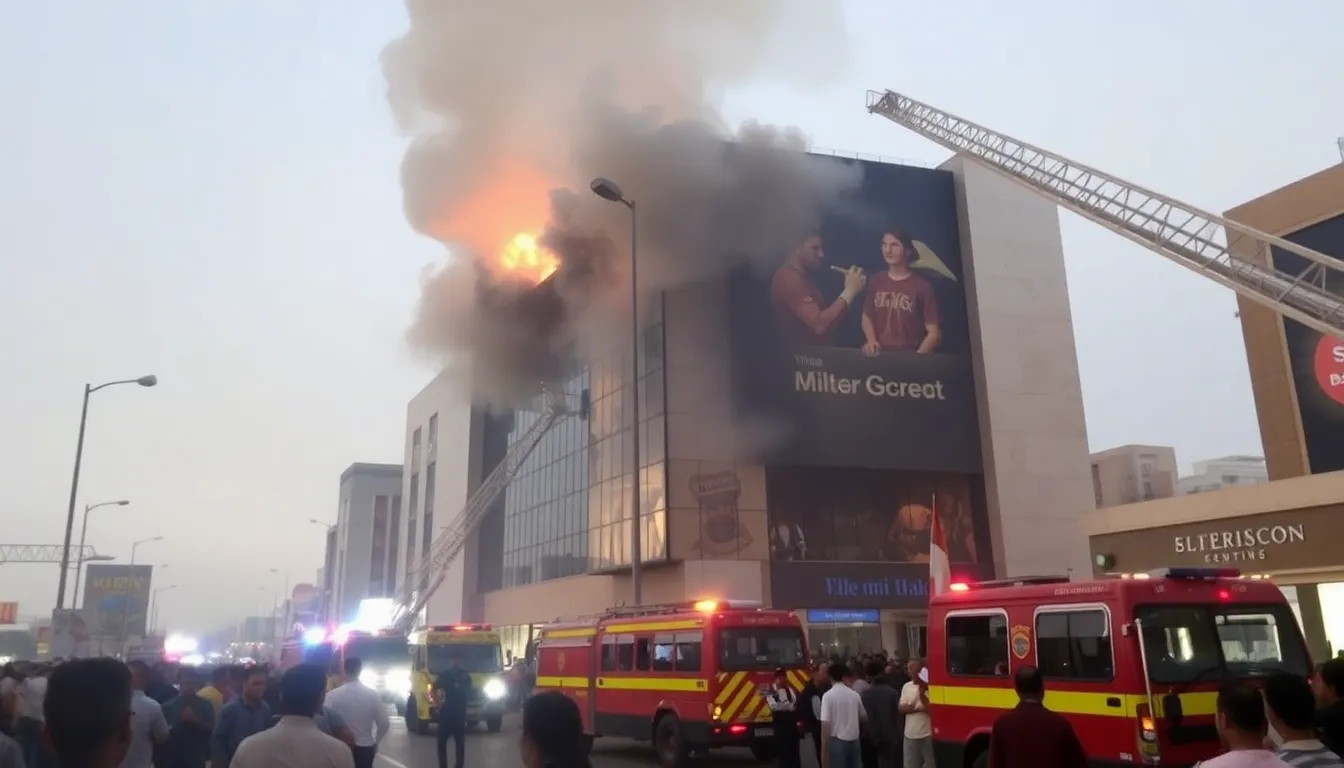
In recent years, Pakistan has experienced a surge in urbanization, with many cities expanding rapidly without sufficient planning. Past incidents, such as the 2012 Ali Enterprises factory fire, which claimed over 250 lives, highlight the systemic failures in enforcing safety standards and ensuring timely emergency responses, echoing concerns raised after the medical evacuation of astronauts.
The Role of Government and Regulatory Bodies
The government and various regulatory bodies have been criticized for their slow response to enforcing safety codes. Investigations into the mall fire revealed that many establishments operate without proper fire safety certifications, and local authorities have often turned a blind eye to violations. The interplay between corruption, lack of accountability, and limited resources has hindered the implementation of effective safety protocols.
Moreover, the socio-economic context plays a crucial role in shaping the response to such emergencies. Many citizens, particularly in lower-income areas, lack access to adequate emergency services, which can lead to devastating outcomes in crises. As the nation grapples with these challenges, the need for comprehensive reforms in emergency management and urban planning has never been more urgent.
Examining the key stakeholders and issues in emergency management
The tragic mall fire in Pakistan highlights the critical roles played by various stakeholders in emergency response situations. Key actors include local government authorities, fire and rescue services, mall management, and the affected community. Each of these groups has distinct interests that can sometimes conflict, leading to delays and inefficiencies in emergency response.
Local government authorities are primarily responsible for public safety and emergency preparedness. Their interest lies in ensuring that regulations are adhered to and that resources are allocated effectively. However, budget constraints and bureaucratic inefficiencies can hinder their ability to respond promptly to emergencies. This often leads to a lack of preparedness, as seen in the recent fire incident.
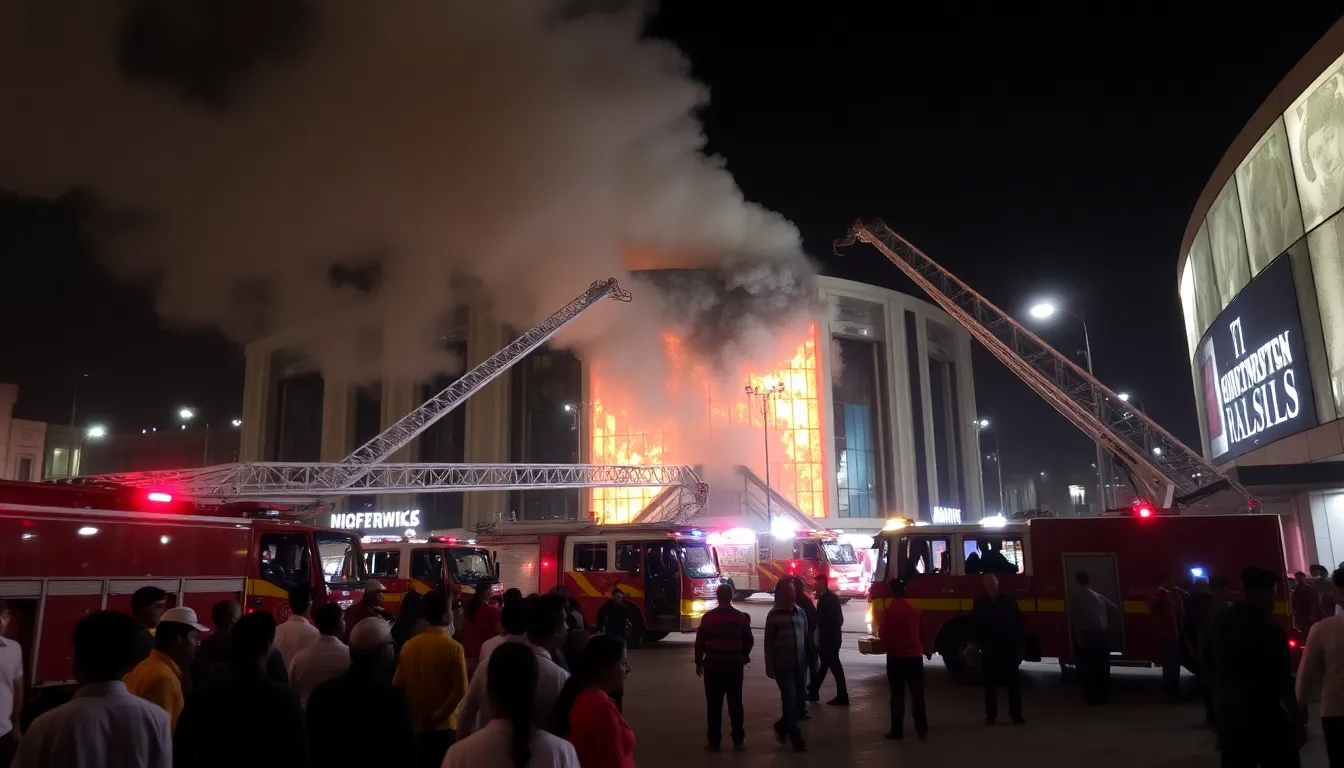
Fire and rescue services, tasked with responding to emergencies, face challenges such as insufficient training, outdated equipment, and a lack of coordination with other agencies. Their interest is in saving lives and minimizing property damage, but they are often impeded by logistical issues and the need for better communication with local authorities and mall management.
Mall management is responsible for implementing safety protocols and ensuring the well-being of patrons. Their interests may conflict with those of local authorities, particularly regarding compliance with safety regulations. In some cases, financial considerations may lead to inadequate safety measures, which can exacerbate the impact of emergencies.
- Resource Allocation: Local governments may struggle to allocate sufficient funds for emergency services, impacting response times.
- Regulatory Compliance: Conflicts can arise when mall management prioritizes profit over safety regulations.
- Community Trust: The effectiveness of emergency response affects public trust in local authorities and emergency services.
- Training and Preparedness: Ongoing training for emergency responders is crucial for effective action during crises.
- Coordination Among Agencies: Improved communication and collaboration between stakeholders can enhance response efforts.
The devastating impact on victims and the local community
The tragic fire at the mall in Pakistan has left a profound impact on various groups, including the victims’ families, local businesses, and the broader community. The immediate loss of life and injuries has created a ripple effect that will be felt for years to come.
Families who lost loved ones or suffered injuries are grappling with emotional and financial distress. Many of these families depended on the income generated from the mall, which served as a vital economic hub. The local workforce, particularly those in retail and security, faces uncertainty as businesses reassess their operational strategies in light of the disaster.
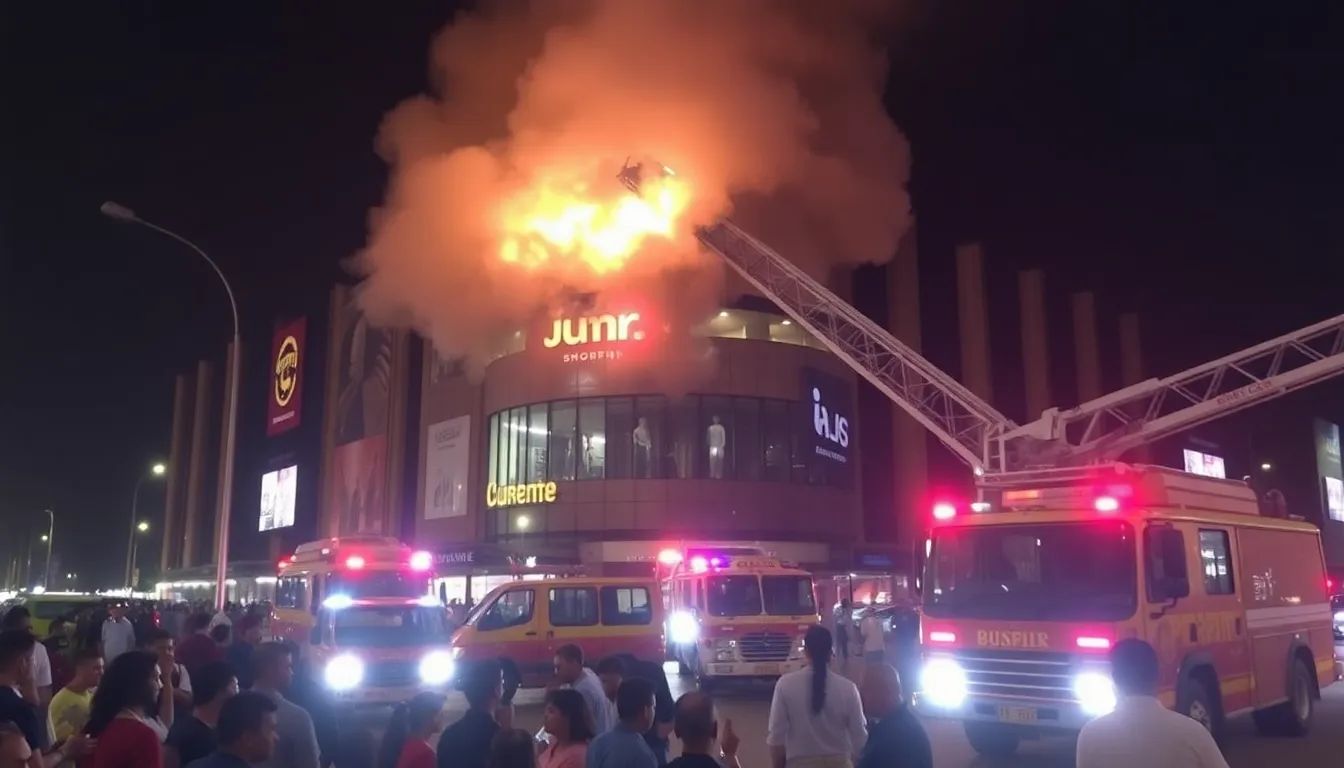
Moreover, the local economy is set to experience significant strain. The mall’s closure disrupts not only the livelihoods of employees but also affects suppliers and service providers linked to the retail sector. In the short term, businesses may see a decline in foot traffic as consumers are wary of safety in public spaces.
- Increased insurance claims and financial strain on local businesses.
- Potential policy changes regarding fire safety regulations and emergency response protocols.
- Heightened community awareness and support for fire safety initiatives.
In the mid-term, the incident may prompt local businesses to invest in safety measures, potentially leading to a rise in demand for fire safety equipment and training services. This could create opportunities for companies specializing in safety compliance and emergency response solutions. However, the shadow of the tragedy may linger, affecting consumer behavior and trust in public spaces.
A: The exact cause of the fire is still under investigation, but initial reports suggest it may have been linked to electrical faults. A: The fire resulted in numerous casualties, with reports indicating several deaths and many injuries among shoppers and staff. A: Witnesses reported that the emergency response was significantly delayed, contributing to the severity of the situation. A: Authorities are reviewing safety protocols and emergency response plans to improve preparedness for future emergencies. A: Various local charities and organizations are accepting donations to support the victims and their families during this difficult time.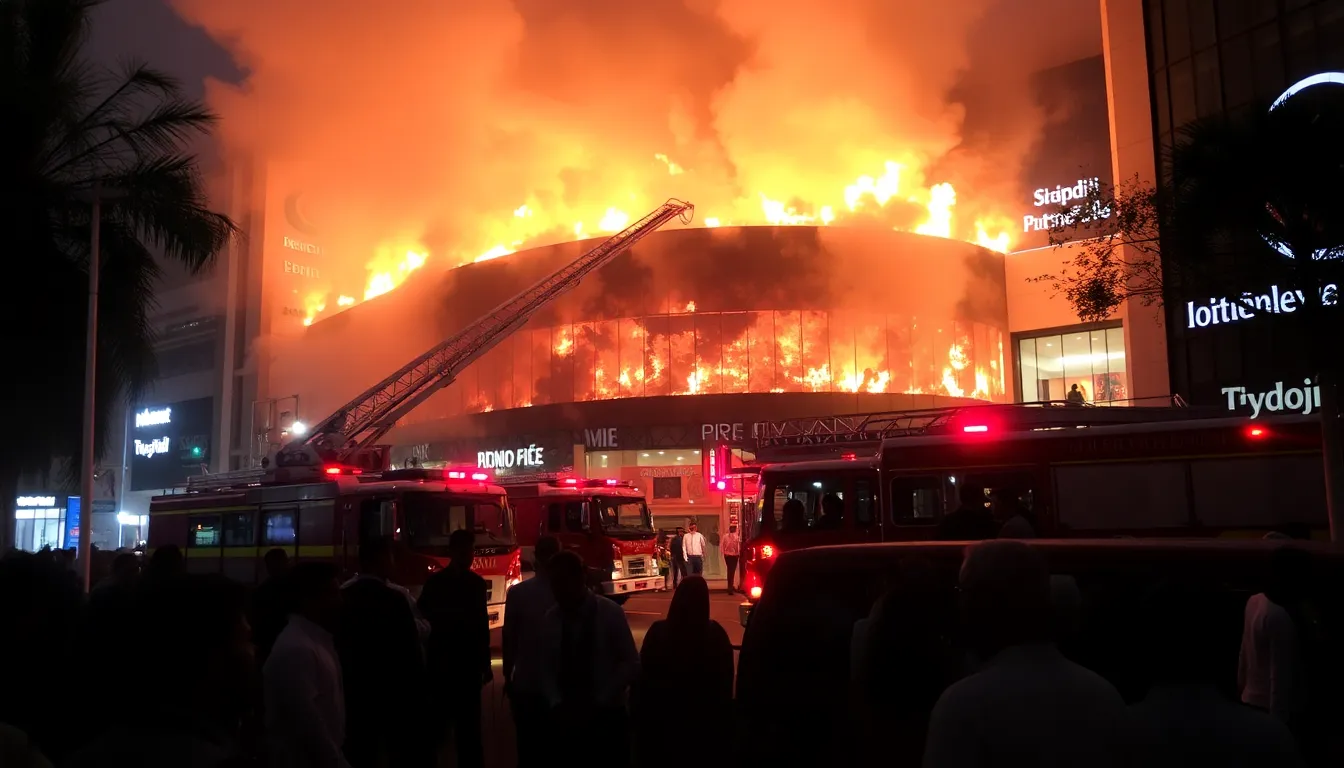
Frequently asked questions about the mall fire incident
Key takeaways and future outlook on emergency response
The tragic fire at the mall in Pakistan highlights critical deficiencies in emergency response protocols that demand immediate attention. The slow response time not only exacerbated the situation but also resulted in significant loss of life, raising questions about the effectiveness of current safety measures and preparedness for such disasters. Moving forward, it is essential to analyze these failures to implement more robust emergency management strategies.
As communities and authorities reflect on this incident, there is a pressing need for enhanced training for first responders, improved communication systems, and stricter enforcement of safety regulations in public spaces. Addressing these areas will be vital in preventing future tragedies and ensuring the safety of citizens.
- Enhance Training: Invest in regular training programs for emergency responders to improve readiness and efficiency during crises.
- Upgrade Communication Systems: Establish better communication networks that enable swift coordination among emergency services and local authorities.
- Implement Safety Regulations: Enforce stricter safety codes and regulations for public buildings to minimize risks and enhance evacuation procedures.
- Community Awareness: Promote fire safety awareness campaigns to educate the public on emergency procedures and preparedness.
- Regular Drills: Conduct regular emergency drills in public spaces to ensure that both staff and patrons are familiar with evacuation routes and safety protocols.