


The shooting took place during a busy evening, with many witnesses present. Eyewitness accounts describe a chaotic scene as emergency services responded to the unfolding crisis. The incident has raised questions about public safety and the effectiveness of current law enforcement measures in managing violent crime.
The royal commission aims to examine not only the events of that night but also the broader implications for community safety and policing strategies in urban areas.
This decision marks a pivotal moment in addressing gun violence in Australia, a country known for its strict gun control laws. The royal commission is expected to provide recommendations that could shape future policy and enhance safety measures across the nation.
Background on Bondi and previous incidents in the area
The recent announcement by the Prime Minister to launch a royal commission into the Bondi shooting has brought these issues to the forefront of public discourse.
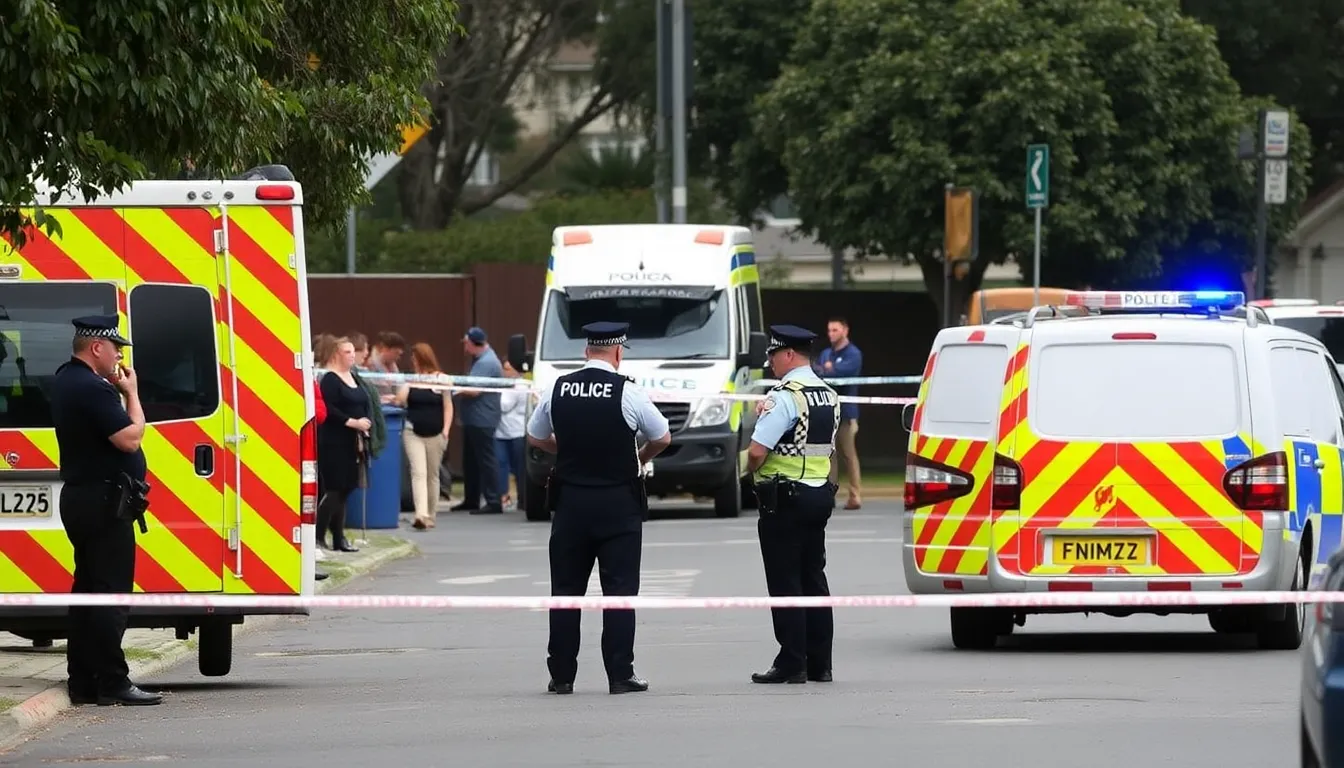
Historically, Bondi has experienced its share of violence and crime, often linked to the nightlife and social activities that characterize the area. Previous incidents, such as brawls and altercations, have prompted local authorities to implement measures aimed at improving safety, including increased police presence and changes in liquor licensing laws. However, the recent shooting has highlighted the inadequacies of these measures and the urgent need for a comprehensive review of public safety protocols.
This royal commission marks a significant milestone in addressing the ongoing concerns surrounding crime in Bondi. It follows a series of high-profile cases that have drawn attention to the broader issues of gun violence and public safety in Australia. The decision to investigate the circumstances surrounding the shooting reflects a growing recognition of the need for systemic change in how such incidents are managed and prevented.
Previous Royal Commissions and Their Impact
The outcomes of these investigations often shape public policy and community responses to similar incidents, making the current royal commission into the Bondi shooting a pivotal moment for both the local community and national discourse on safety and crime prevention.
Key stakeholders involved in the royal commission and their interests
The announcement of a royal commission into the Bondi shooting has brought various stakeholders to the forefront, each with distinct interests and concerns. Key actors include the Australian government, law enforcement agencies, the victims’ families, and community organizations. Understanding their roles and motivations is crucial for grasping the broader implications of the commission.
The Australian government, led by the Prime Minister, has a vested interest in restoring public confidence in the safety and effectiveness of law enforcement. By initiating a royal commission, the government aims to demonstrate accountability and transparency, addressing public concerns about the handling of the incident and potential systemic issues within policing practices.
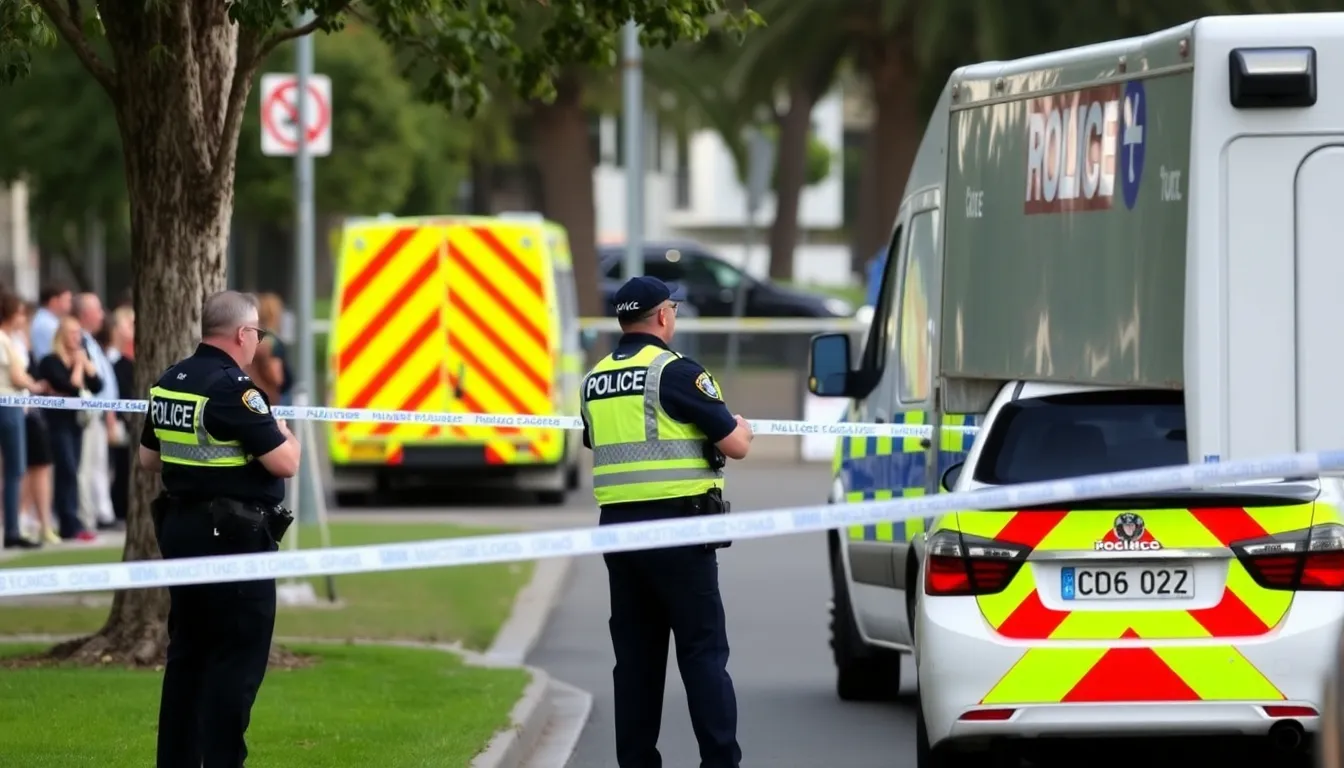
Law enforcement agencies, particularly the police involved in the Bondi area, are also significant stakeholders. Their interests lie in defending their actions during the incident while ensuring that operational protocols are scrutinized fairly. They may face challenges if the commission uncovers shortcomings in their procedures or training, potentially leading to reforms that could impact their operational autonomy.
- Victims’ families: They seek justice and answers regarding the circumstances surrounding the shooting, hoping the commission will provide clarity and accountability.
- Community organizations: These groups advocate for greater scrutiny of police practices and aim to ensure that community voices are heard in the commission’s findings.
- Legal experts: They may be interested in the commission’s outcomes for potential implications on future legal standards and police accountability.
Conflicts may arise as different stakeholders present their narratives and interests during the commission proceedings. The balance between ensuring public safety and maintaining police integrity will be a central theme, as will the economic implications of any recommended reforms. The commission’s findings could lead to changes in funding allocations for law enforcement or community support services, further complicating the landscape of interests involved.
Impact of the shooting on the local community and law enforcement
The recent shooting incident at Bondi has sent shockwaves through the local community, affecting residents, businesses, and law enforcement agencies alike. The immediate aftermath has heightened concerns about safety and security, leading to increased anxiety among residents who now feel vulnerable in their own neighborhoods.
Local businesses, particularly those in the hospitality and tourism sectors, are facing potential downturns as visitors may be deterred by the perception of danger in the area. This could lead to a decrease in foot traffic and revenue, impacting jobs and livelihoods. In the short term, businesses may need to implement additional security measures, which could strain resources.
- Increased police presence and community patrols.
- Potential decline in tourism and local business revenue.
- Heightened community awareness and engagement in safety initiatives.
In the mid-term, the royal commission may lead to significant policy changes aimed at improving public safety and addressing the root causes of violence. This could result in stricter regulations and funding for community programs, which may provide opportunities for local organizations to engage in preventive measures and community building.
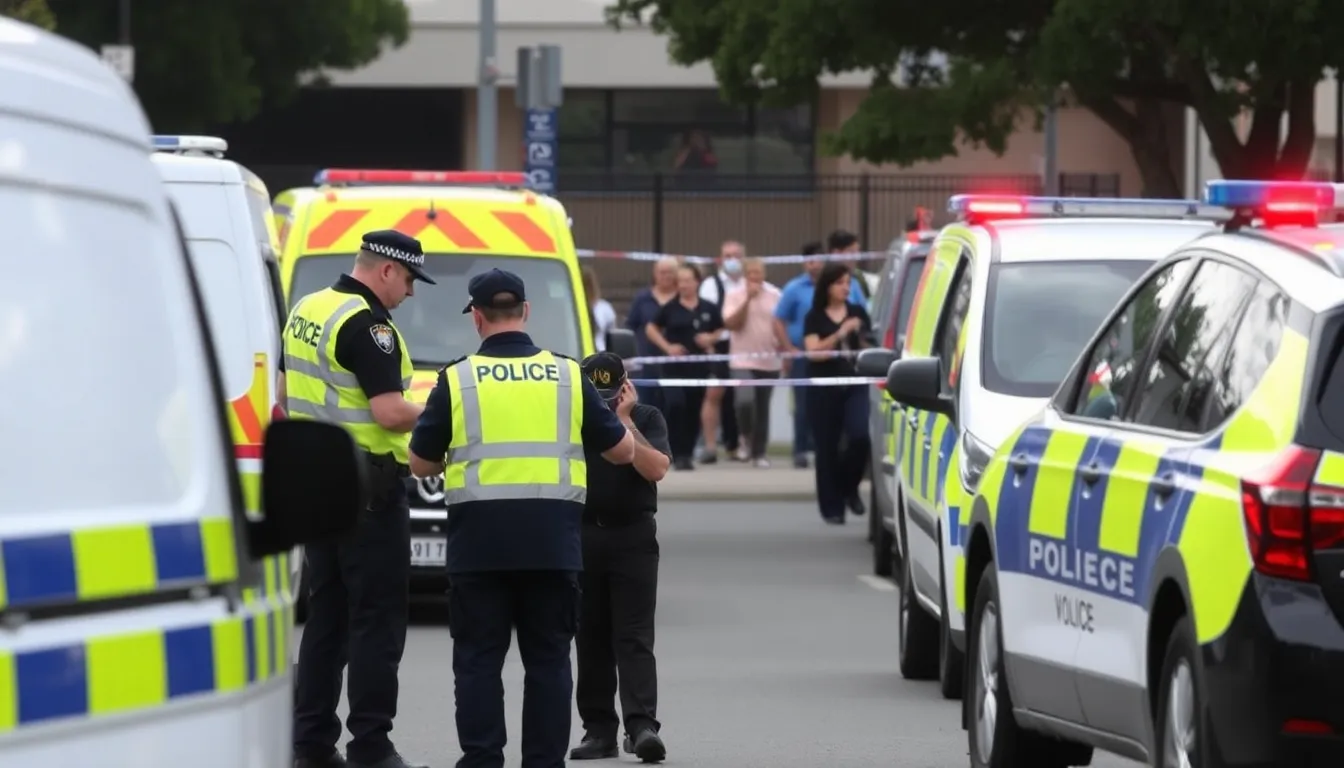
While there are risks associated with the fallout from the shooting, including increased tension and fear within the community, there is also the potential for positive change. Enhanced dialogue between law enforcement and residents could foster a stronger sense of community and collaboration, ultimately leading to a safer environment for all.
A: The royal commission aims to investigate the circumstances surrounding the Bondi shooting, ensuring transparency and accountability in the process. A: The commission will include legal experts, community representatives, and law enforcement officials to provide a comprehensive examination of the incident. A: While the exact timeline is not specified, royal commissions typically take several months to complete their investigations and report findings. A: The outcomes may include recommendations for policy changes, accountability measures, and potential reforms in law enforcement practices. A: The public may have opportunities to provide submissions or testimonies during the investigation, ensuring community voices are heard.
Frequently asked questions about the royal commission
Key takeaways and future implications of the royal commission
The announcement of a royal commission into the Bondi shooting marks a significant step in addressing public concerns regarding safety and law enforcement practices in Australia. This inquiry not only aims to uncover the circumstances surrounding the incident but also seeks to restore public trust in the authorities. The outcomes of this commission could lead to pivotal changes in policy and community engagement strategies.
As the investigation unfolds, it will be essential to monitor the responses from various stakeholders, including law enforcement, community groups, and policymakers. The findings may influence future legislation and operational protocols, highlighting the need for transparency and accountability in the justice system.
- The royal commission may prompt reforms in police training and community relations to enhance public safety.
- Expect increased scrutiny of law enforcement practices and their alignment with community expectations.
- The outcomes could lead to new legislative measures aimed at preventing similar incidents in the future.
- Continued public engagement will be crucial as the commission progresses, shaping the narrative around safety and justice.
- The commission’s findings may serve as a benchmark for future inquiries into police conduct and community safety across Australia.