


The Nobel Prize Institute responded swiftly, clarifying that the Nobel Prize cannot be transferred or offered to another individual. This statement underscores the strict regulations governing the prestigious award, which has historically been awarded to individuals for their contributions to peace, literature, and science.
Machado’s offer appears to be a commentary on the political landscape in the United States, as she expressed her belief that Trump deserves recognition for his impact on American society. However, her remarks have also been met with skepticism, with critics questioning the sincerity and intent behind her proposal.
This incident highlights the intersection of celebrity culture and political discourse, as public figures like Machado leverage their platforms to engage in broader societal conversations. The ongoing dialogue surrounding her offer reflects the polarized opinions on Trump and his legacy, further complicating the narrative around public recognition and honor.
Understanding the significance of the Nobel Prize in today’s world
The Nobel Prize, established by the will of Alfred Nobel in 1895, is one of the most prestigious awards in the world, recognizing outstanding contributions in various fields, including peace, literature, and science. The significance of the Nobel Prize extends beyond mere accolades; it symbolizes the values of innovation, humanitarianism, and global cooperation. In contemporary society, the Prize serves as a powerful tool for elevating critical issues and inspiring change, often reflecting the political and social climates of the times.
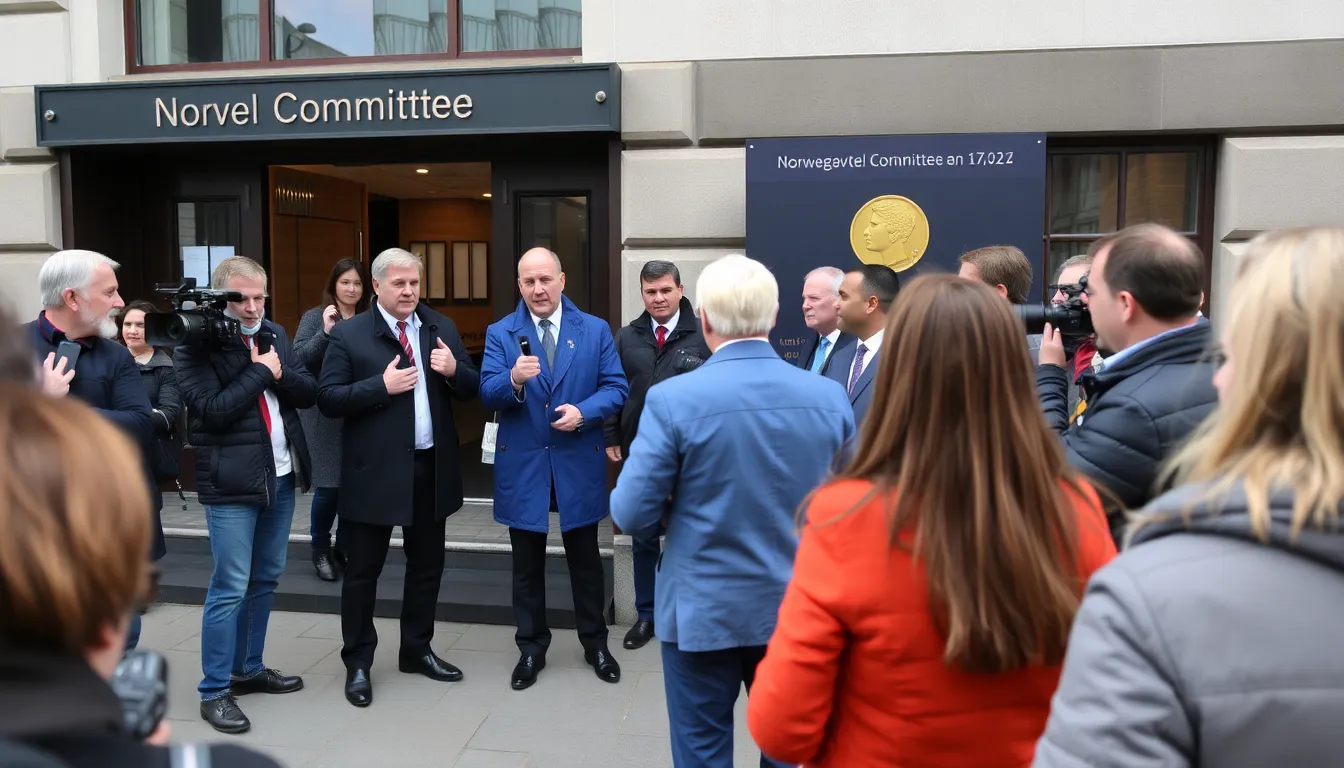
In recent years, the Nobel Peace Prize has become particularly intertwined with political discourse. Awarding the prize to figures who have made substantial efforts towards peace can both endorse their work and amplify their message. This dynamic has led to instances where political leaders have sought to leverage the Nobel Prize for their own agendas, raising questions about the integrity and impartiality of the award process.
The incident involving Machado offering her Nobel Prize to Donald Trump highlights the complexities of this intersection between politics and the Nobel Prize. Machado, a prominent figure known for her advocacy on issues such as human rights and democracy, believed that her Nobel recognition could serve as a catalyst for political change in the U.S. However, the Nobel Institute’s response that such offers are not permitted underscores the strict guidelines governing the Prize and the importance of maintaining its integrity.
The Role of the Nobel Committee
The Nobel Committee operates under a set of established rules designed to protect the sanctity of the awards. These rules include stipulations against the transfer or commercialization of the prizes, which are intended to preserve the dignity and value of the Nobel legacy. Historical precedents, such as past refusals to allow prize recipients to auction or sell their awards, reinforce the notion that the Nobel Prize is not merely an individual honor but a symbol of collective human achievement.
As the global landscape continues to evolve, the implications of such offers and the responses from the Nobel Institute will likely be scrutinized, revealing the ongoing tension between personal ambition and institutional integrity within the realm of international recognition.
Examining the stakeholders involved in this unusual situation
In the recent controversy surrounding the Nobel Prize offer made by former Brazilian President Dilma Rousseff to Donald Trump, several key stakeholders emerge, each with distinct interests and implications. The primary actors include Dilma Rousseff, Donald Trump, the Nobel Prize Institute, and the broader political landscape in both Brazil and the United States.
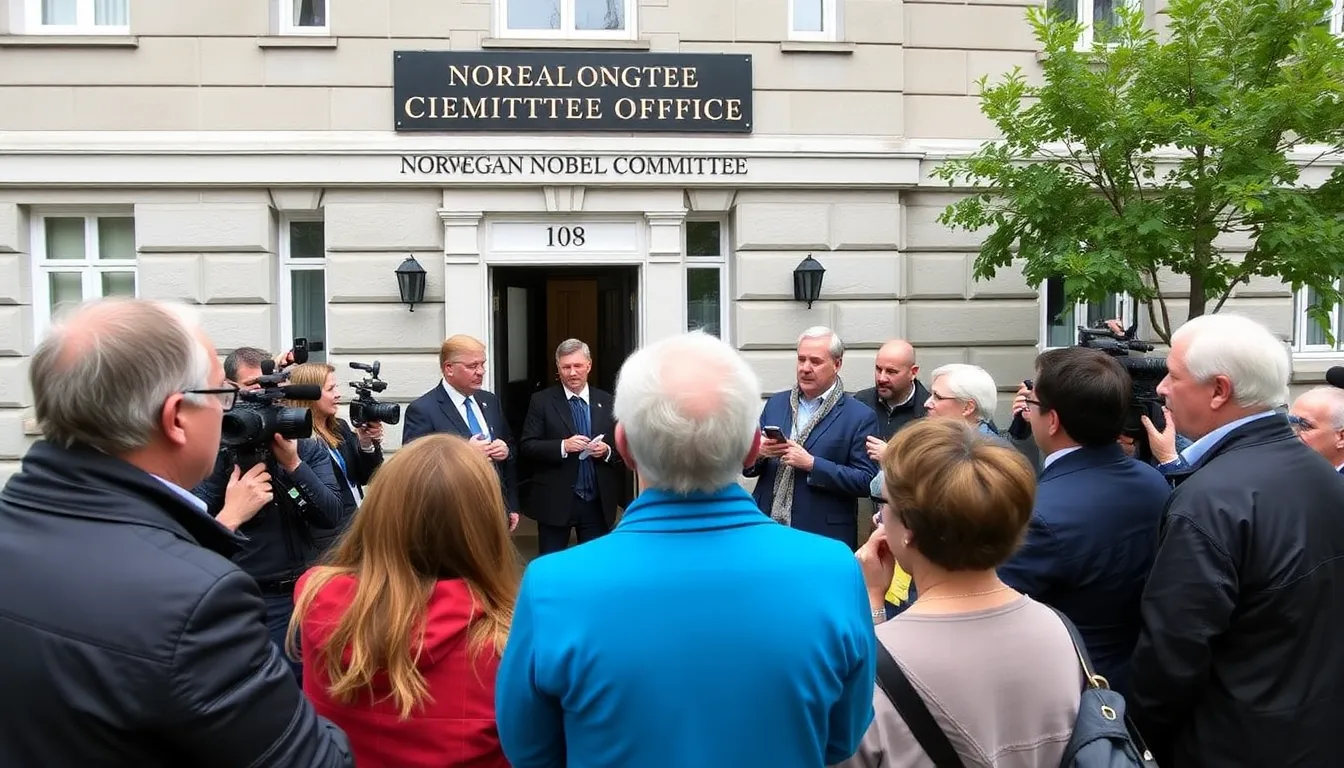
Dilma Rousseff, who was awarded the Nobel Prize for her contributions to social justice and democracy, aims to leverage her prestigious title to influence global political discourse. By offering her Nobel Prize to Trump, she seeks to engage him in a dialogue on critical issues such as climate change and human rights, reflecting her commitment to these causes. However, this action raises questions about the ethical implications of using such an accolade as a bargaining chip.
Donald Trump, as a prominent political figure and former U.S. President, has a vested interest in maintaining his public image and political relevance. Receiving a Nobel Prize, even as an offer, could bolster his standing among supporters and detractors alike. However, the rejection of this offer by the Nobel Prize Institute complicates his narrative, as it underscores the limitations and boundaries of political recognition.
The Nobel Prize Institute itself is a crucial stakeholder, tasked with upholding the integrity and prestige of the Nobel Awards. Their response to Rousseff’s offer highlights legal and ethical considerations surrounding the award’s use. According to their regulations, the Nobel Prize cannot be transferred or offered as a gift, emphasizing the importance of maintaining the award’s sanctity and the implications for future nominations and awards.
- Legal Issues: The Nobel Prize Institute’s rules against transferring the award raise questions about the legality of Rousseff’s offer.
- Political Implications: The situation could influence diplomatic relations between Brazil and the U.S., depending on how both leaders respond.
- Public Perception: The offer and subsequent rejection may shape public opinion on both Rousseff and Trump, impacting their legacies.
- Ethical Considerations: Using a Nobel Prize as a political tool raises ethical dilemmas regarding the sanctity of such awards.
Potential ramifications for Machado, Trump, and the Nobel Prize
The recent offer by Alicia Machado to present her Nobel Prize to former President Donald Trump has stirred significant conversations across various sectors. The implications of this action affect multiple groups, including political activists, the entertainment industry, and the Nobel Prize community itself. Each of these stakeholders may experience both immediate and long-lasting effects stemming from this unusual intersection of politics and recognition.

In the short term, the entertainment industry may see a surge in discussions surrounding celebrity activism and political engagement. Machado’s actions could inspire other public figures to take similar stands, potentially leading to a wave of celebrity endorsements or critiques regarding political figures. This could reshape public perception and influence the dynamics of celebrity culture, where political affiliations become more pronounced.
From a policy perspective, the Nobel Prize Institute’s rejection of Machado’s offer highlights the importance of maintaining the integrity of prestigious awards. This could lead to a reevaluation of how political figures interact with such honors, prompting discussions about the boundaries between recognition and endorsement. The Nobel community may strengthen its guidelines to prevent future controversies, affecting how awards are perceived and awarded globally.
- Risks: Potential backlash against Machado for her controversial offer could harm her public image.
- Risks: Trump may face criticism for accepting an award that he is not eligible for, impacting his political capital.
- Opportunities: Increased visibility for Machado could bolster her career and advocacy efforts.
- Opportunities: The Nobel Prize Institute might see a rise in interest and discussions around its awards and their significance.
In the mid-term, the implications may extend to broader discussions about the intersection of fame, politics, and social responsibility. As more celebrities engage in political discourse, there could be a shift in how audiences relate to these figures, potentially leading to a more politically active fanbase. This evolution could impact marketing strategies in various industries, as brands may seek to align themselves with socially conscious celebrities.
A: Machado’s offer was likely a symbolic gesture aimed at highlighting her political views and the current climate. It reflects her desire to provoke discussion around important issues. A: The Nobel Prize Institute stated that such offers are not allowed, emphasizing the integrity and the value of the Nobel Prize itself. They maintain strict guidelines regarding the prize. A: Public reaction has been mixed, with some supporting her bold stance while others criticize it as a publicity stunt. The incident has sparked widespread debate on social media. A: Depending on public perception, this incident could either bolster Machado’s profile as a political activist or harm her reputation among certain audiences. It remains to be seen how this will affect her future endeavors. A: No, Nobel Prizes are awarded to individuals for their contributions and cannot be transferred or given away. This is a fundamental rule of the Nobel Prize Institute.
Frequently asked questions about the Nobel Prize offer
Key takeaways and future implications of this incident
The recent offer by Machado to present her Nobel Prize to Trump has sparked significant discussion about the intersection of awards, politics, and public perception. While the Nobel Prize Institute has clarified that such a transfer is not permissible, the incident raises important questions about the role of prestigious accolades in political discourse and the potential for public figures to leverage them for personal gain.
As this situation unfolds, it is essential to monitor the reactions from various stakeholders, including the media, political analysts, and the public. The implications of this incident may extend beyond the immediate reactions, influencing how awards are viewed in the context of political engagement and celebrity culture.
- The incident highlights the ongoing intertwining of celebrity culture and politics, prompting discussions about the legitimacy of using awards in political narratives.
- Future interactions between award winners and political figures may be scrutinized more closely, leading to potential guidelines on the use of accolades in political contexts.
- This situation could lead to increased public interest in the Nobel Prize’s role and its perceived value, potentially affecting its reputation.
- Political figures may seek to distance themselves from controversial endorsements or offers involving awards to maintain credibility.
- The response from the Nobel Prize Institute could set a precedent for how similar situations are handled in the future, influencing the governance of such prestigious awards.