


According to a 2022 report by the World Health Organization, only 40% of adolescent girls in low-income countries receive adequate information about reproductive health. This lack of knowledge can lead to increased risks of unintended pregnancies and sexually transmitted infections, highlighting the urgent need for comprehensive health education in schools. Without addressing these issues, the benefits of job skills training may be diminished. For more information on related health issues, visit this article.
Furthermore, organizations like UNESCO have emphasized the need for holistic education that includes both career readiness and health literacy. In 2023, a survey conducted across several nations revealed that over 70% of girls expressed a desire for more information on health topics, yet many educational institutions continue to prioritize job skills at the expense of this critical area.
The disparity in educational focus not only affects individual health outcomes but also has broader societal implications. As these young women enter the workforce, their lack of health knowledge can lead to increased healthcare costs and lost productivity. Addressing this imbalance is essential for creating a healthier and more equitable future for women worldwide.
Understanding the educational priorities for girls in today’s society
In recent decades, significant strides have been made in promoting gender equality in education. However, the focus has often been on equipping girls with skills necessary for the workforce, while critical topics related to women’s health have been largely overlooked. This discrepancy highlights a broader societal issue where economic and political agendas prioritize job readiness over comprehensive health education.
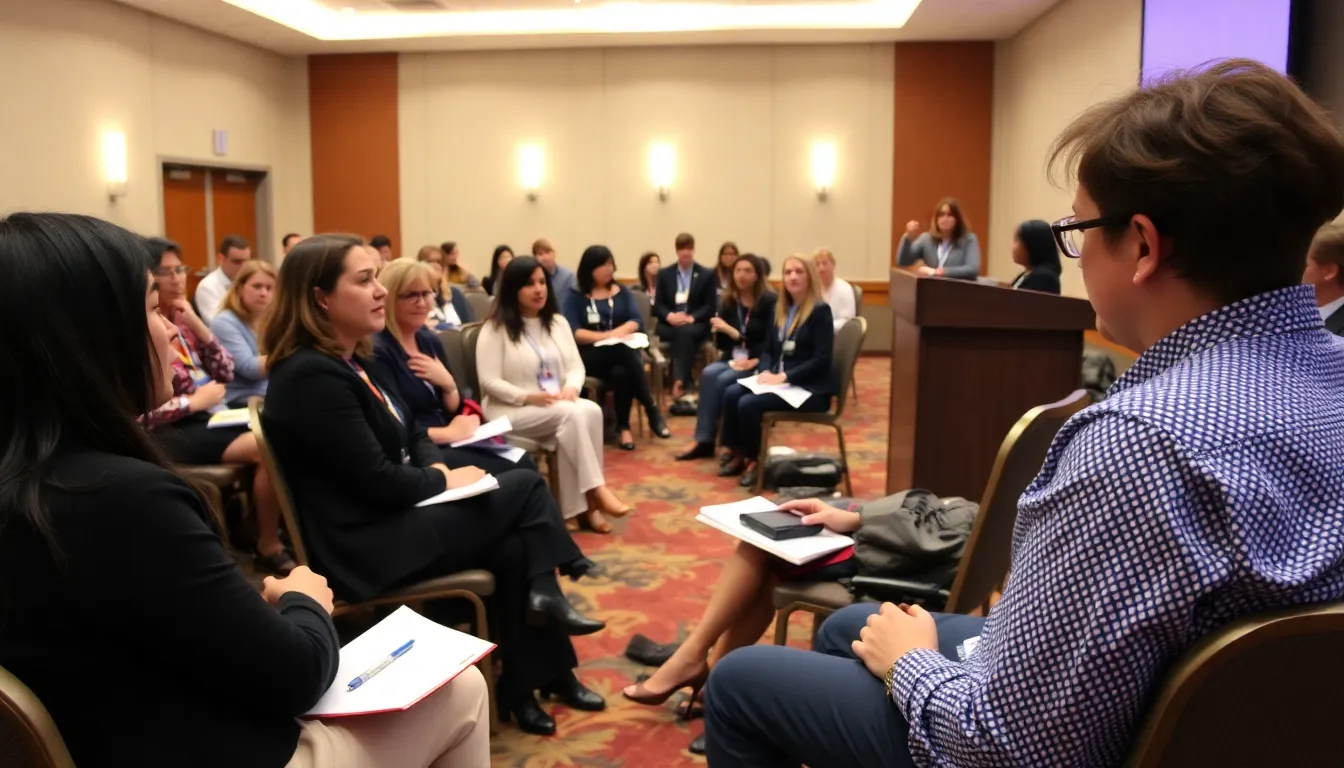
The historical context of this issue can be traced back to the women’s rights movements of the late 20th century, which emphasized equal access to education and employment. While these movements successfully opened doors for women in various professional fields, they often did not address the specific health needs of women and girls. As a result, educational curricula have evolved to emphasize vocational skills, leaving health education as a secondary concern.
Economically, the push for workforce integration has been fueled by labor market demands. Governments and educational institutions have prioritized teaching skills that align with job availability, often neglecting the importance of health education that empowers girls to make informed choices about their bodies. This economic rationale has inadvertently contributed to a lack of awareness and understanding of women’s health issues among young women.
The Impact of Policy Decisions
Policy decisions at both local and national levels have also played a crucial role in shaping the educational landscape. For instance, funding for health education programs has frequently been cut in favor of initiatives that promote STEM (Science, Technology, Engineering, and Mathematics) careers. This has created a gap where essential health topics, such as reproductive health and mental well-being, are not adequately covered in school curricula, leaving girls without vital knowledge that impacts their overall quality of life.
As society continues to evolve, it is essential to reassess educational priorities and ensure that women’s health education is given equal weight alongside job preparedness. Only by addressing this imbalance can we create a more informed and empowered generation of women who are equipped to navigate both their careers and their health effectively. This is crucial as highlighted in our discussion on health topics affecting young girls.
Key stakeholders and issues in girls’ education
In the ongoing discourse surrounding girls’ education, several key stakeholders play pivotal roles. These include governments, educational institutions, non-governmental organizations (NGOs), and families. Each actor has distinct interests that shape the educational landscape for girls, particularly in relation to career readiness and health education.
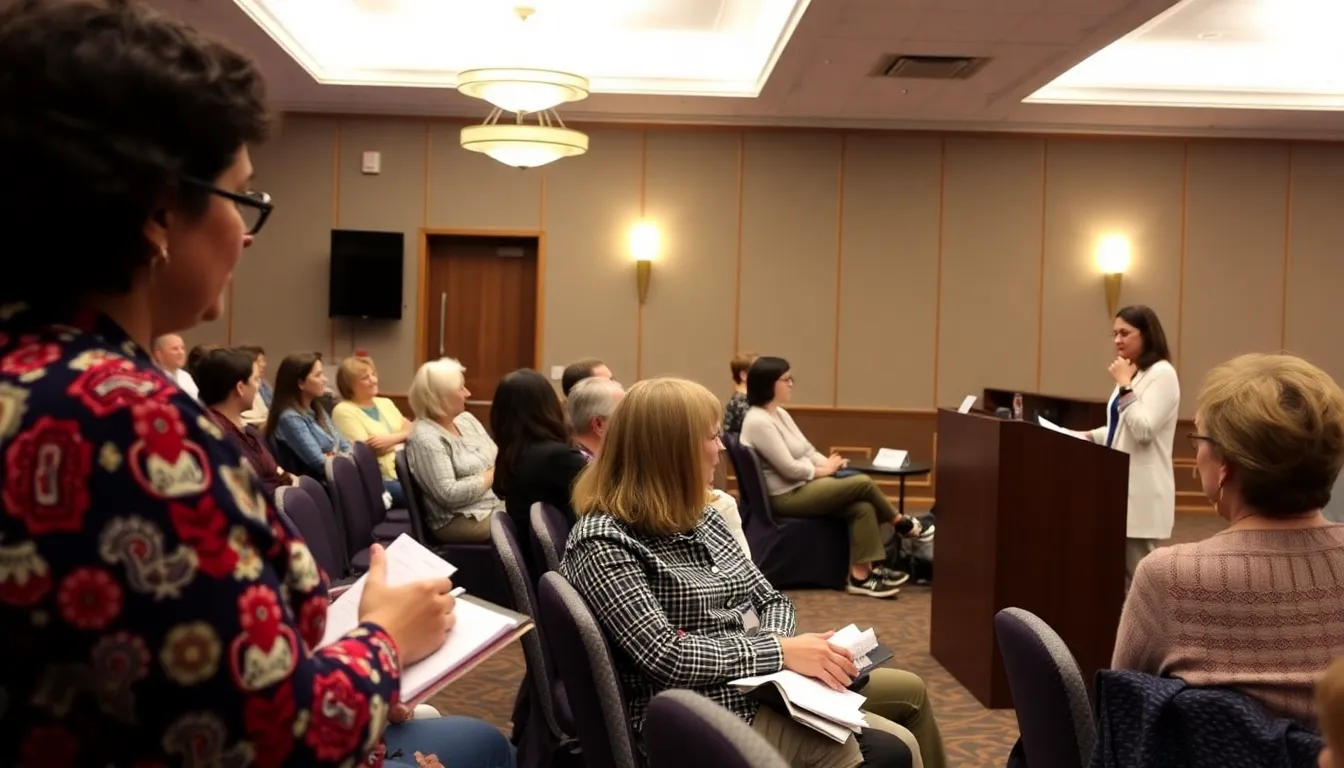
Governments often prioritize economic development and workforce participation, leading to policies that emphasize job readiness over comprehensive health education. This focus can create a disparity where girls are equipped with skills for employment but lack essential knowledge about their own health. Educational institutions, on the other hand, may be influenced by curriculum standards that do not adequately address women’s health issues, further exacerbating the gap in necessary life skills.
NGOs frequently advocate for a more balanced approach to education that includes both career skills and health education. They aim to empower girls with knowledge about their bodies, reproductive health, and mental well-being, recognizing that these factors are integral to their overall success. However, funding limitations and societal norms can hinder these organizations’ efforts to implement comprehensive programs, as discussed in this article about educational impacts.
- Conflicts of interest: Governments may prioritize economic outcomes over health education, leading to a narrow focus on job training.
- Trade-offs: Educational institutions may face pressure to meet standardized testing requirements, which can limit the inclusion of health topics.
- Legal issues: In some regions, laws may restrict discussions around women’s health, affecting the curriculum and available resources.
- Economic implications: A lack of health education can lead to increased healthcare costs and reduced workforce participation among women in the long term.
- Social norms: Cultural attitudes towards women’s health can create barriers to education and awareness, impacting girls’ overall empowerment.
Understanding these dynamics is crucial for developing a more holistic approach to girls’ education that not only prepares them for the workforce but also equips them with the knowledge to make informed decisions about their health and well-being.
The effects of inadequate health education on young women
The lack of comprehensive health education for young women significantly impacts various groups, particularly girls in educational institutions, health care providers, and employers. Educational systems that focus solely on job readiness often neglect essential topics related to women’s health, leaving young women unprepared to navigate their own health needs. This gap affects not only the individual but also the broader community as these women enter the workforce without critical knowledge about their health.
In the short term, young women may experience increased anxiety and confusion regarding their health, leading to a higher likelihood of avoiding necessary health care. This can result in untreated conditions, which may exacerbate health issues over time. Additionally, employers may face challenges in managing a workforce that lacks knowledge about health-related issues, potentially leading to increased absenteeism and decreased productivity.
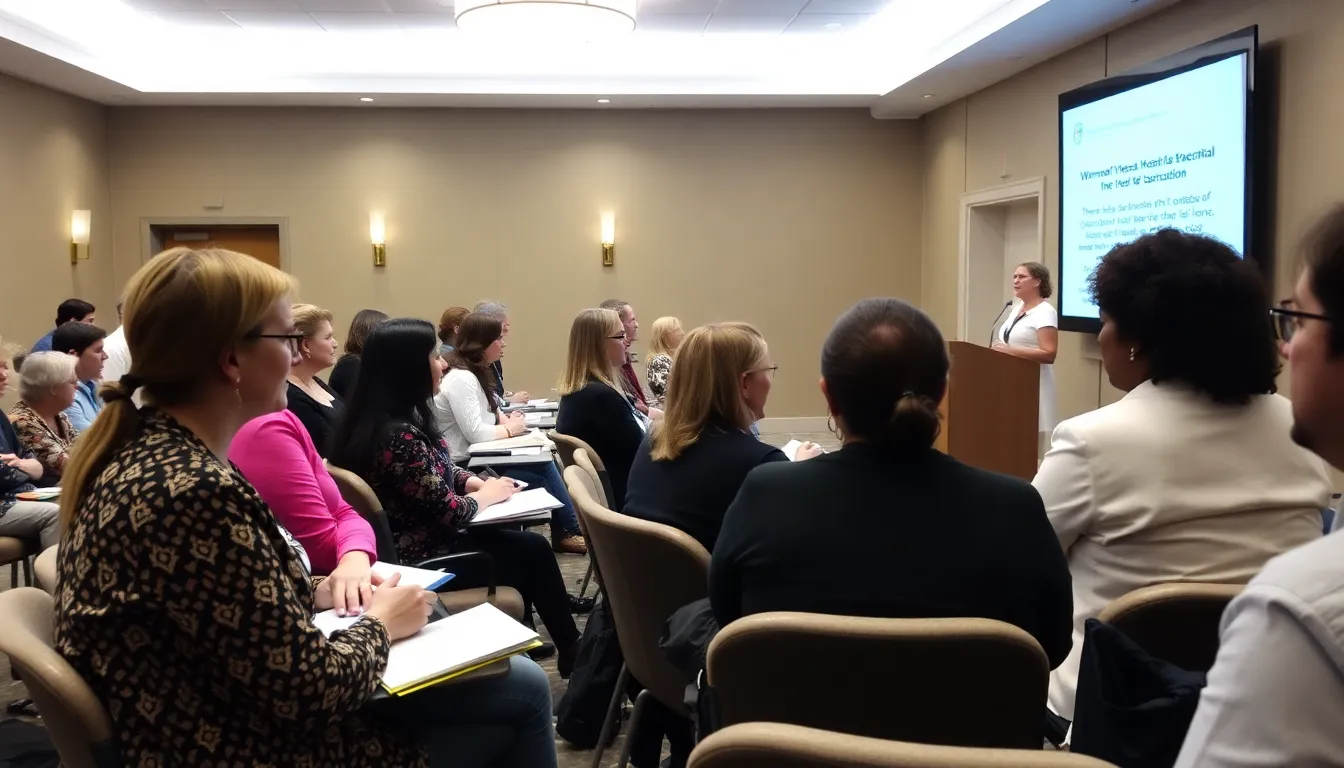
In the mid-term, the absence of health education can influence policy decisions at various levels. Policymakers may find themselves addressing rising health care costs associated with preventable conditions that disproportionately affect women. Furthermore, businesses may need to invest more in health education programs or wellness initiatives to compensate for the lack of foundational knowledge among employees.
- Risks: Increased health issues among young women, higher healthcare costs, and reduced workforce productivity.
- Opportunities: Development of targeted health education programs, potential partnerships between schools and health organizations, and increased awareness leading to better health policies.
Regions with limited access to health resources may feel these impacts more acutely, as the intersection of education and health becomes increasingly critical in shaping the future of young women. Addressing these gaps can empower young women, equipping them with the knowledge necessary to advocate for their health and well-being, ultimately benefiting society as a whole.
A: Women’s health education is crucial as it empowers girls to understand their bodies, make informed health decisions, and seek necessary medical care. Without this knowledge, they may face health challenges later in life. A: Schools can enhance health education by integrating comprehensive health curricula that cover topics like reproductive health, mental health, and nutrition. Engaging qualified health educators can also make a significant difference. A: Neglecting women’s health education can lead to increased health issues, lower quality of life, and economic disadvantages for women. It can also perpetuate cycles of misinformation and stigma. A: Yes, numerous organizations work to enhance health education for girls, advocating for policy changes and providing resources. These include nonprofits, educational institutions, and health organizations. A: Parents play a vital role by initiating conversations about health topics at home, supporting their daughters’ education, and advocating for comprehensive health programs in schools.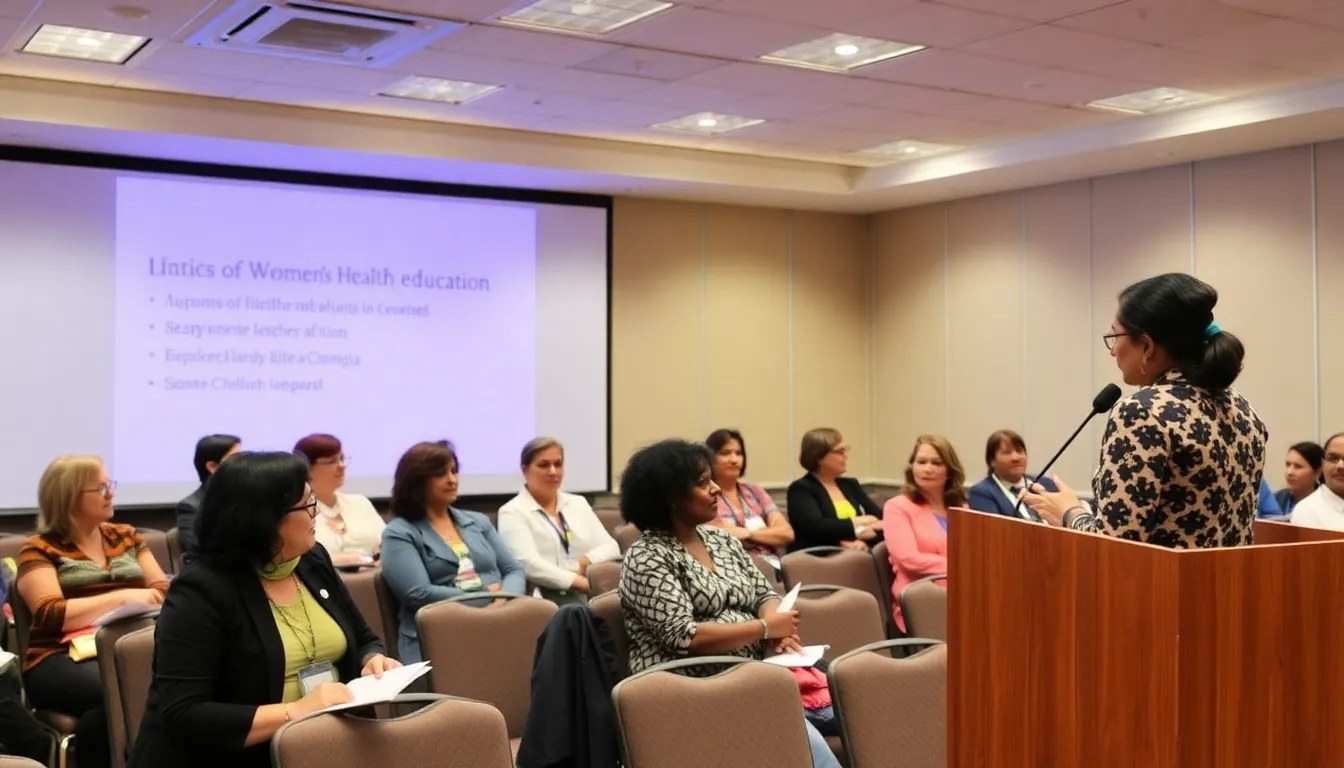
Frequently asked questions about girls’ education and health
Key insights and future directions for girls’ education
The disparity in educational focus for girls highlights a critical gap in their overall development. While equipping girls with job-related skills is essential for their economic empowerment, neglecting women’s health education can have profound implications on their well-being and future opportunities. A balanced approach that incorporates both career readiness and health awareness is crucial for fostering resilient and informed young women.
As society progresses, it is vital to advocate for comprehensive educational programs that address not only job skills but also essential health knowledge. This dual focus can empower girls to make informed decisions about their bodies and careers, ultimately leading to a more equitable future.
- Integrate health education into career programs: Schools should develop curricula that combine job training with essential health information.
- Promote awareness of women’s health issues: Encourage discussions and workshops that focus on women’s health topics in educational settings.
- Engage parents and communities: Involve families and local organizations in supporting holistic education for girls.
- Advocate for policy changes: Support initiatives that fund and prioritize comprehensive education for young women.
- Monitor outcomes: Track the impact of integrated education on girls’ health and career success to inform future programs.