


The vaccine will be offered to children aged between 12 months and 5 years, with the aim of preventing outbreaks that can lead to serious complications. Health authorities have emphasized the importance of vaccination in safeguarding not only individual children but also the wider community. For more information on vaccination initiatives, you can check out related articles.
Recent statistics indicate that chickenpox affects approximately 700,000 children in the UK each year, leading to significant healthcare costs and lost school days. By introducing the vaccine, the National Health Service (NHS) hopes to alleviate these pressures and improve overall child health outcomes.
The rollout will be conducted through general practitioners and health clinics, ensuring accessibility for families across the country. Parents are encouraged to consult with healthcare providers to understand the benefits and any potential side effects of the vaccine.
Understanding the background of chickenpox vaccination initiatives
Chickenpox, caused by the varicella-zoster virus, is a highly contagious disease that primarily affects children. Historically, it has been seen as a mild illness, often resulting in a few days of discomfort. However, complications can arise, leading to severe health issues. In the UK, the introduction of chickenpox vaccination initiatives marks a significant shift in public health policy aimed at reducing the incidence of this disease among young children.
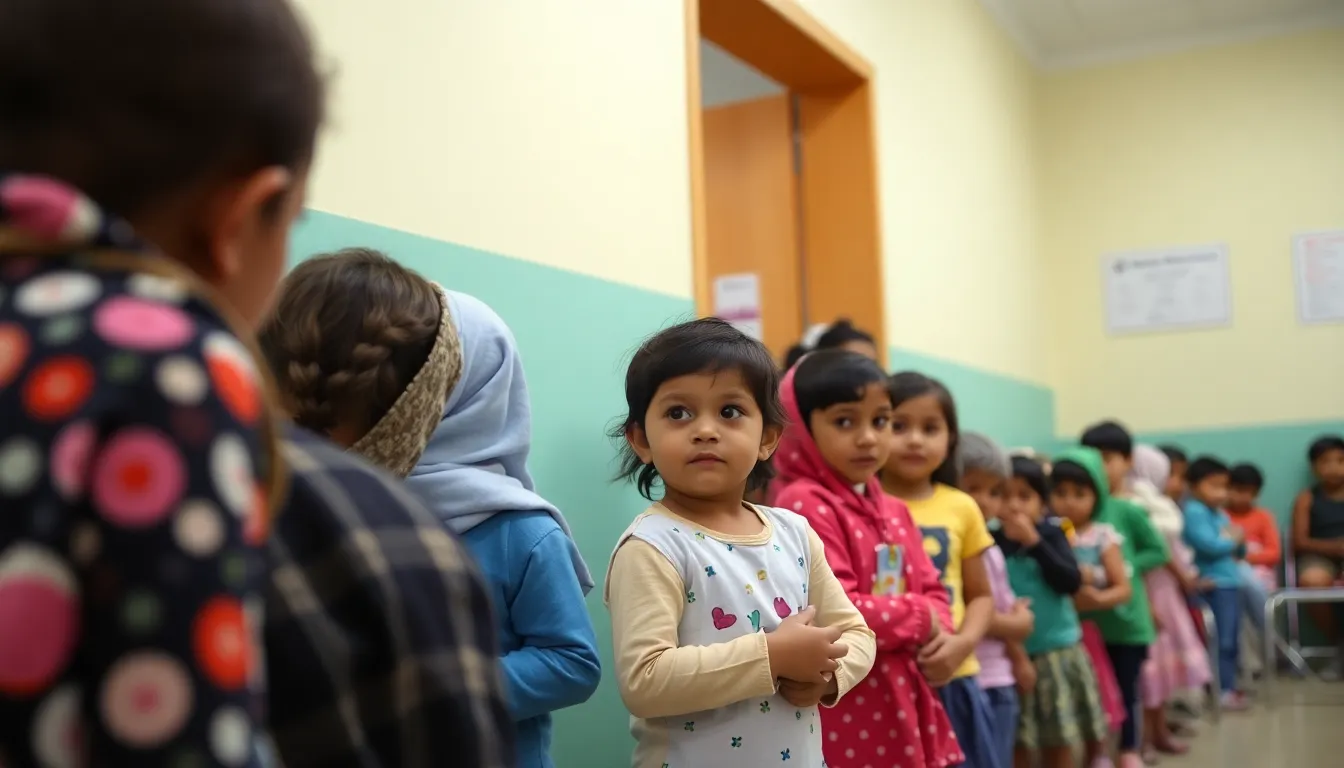
The push for chickenpox vaccination in the UK gained momentum in the late 20th century as health authorities recognized the potential for vaccines to prevent outbreaks and reduce healthcare costs associated with treating the disease. In 1995, the United States introduced the varicella vaccine, leading to a notable decline in chickenpox cases and related complications. This success prompted discussions in the UK regarding the necessity and feasibility of implementing a similar vaccination program, which has parallels to modern vaccination initiatives for other diseases.
Key milestones in vaccination policy
In 2013, the Joint Committee on Vaccination and Immunisation (JCVI) in the UK began reviewing the evidence for introducing the chickenpox vaccine into the childhood immunisation schedule. After several years of deliberation and analysis of international data, the committee recommended that the vaccine be offered to children as part of the routine immunisation program. This recommendation was influenced by rising healthcare costs associated with chickenpox-related hospitalizations and the desire to protect vulnerable populations.
By 2023, the UK government officially launched the chickenpox vaccination program for young children, marking a pivotal moment in public health efforts. This initiative aims to immunize children at an early age, thereby reducing the spread of the virus and preventing outbreaks in schools and communities. The decision reflects a broader trend in public health towards proactive vaccination strategies, emphasizing prevention over treatment.
As the vaccination program rolls out, it is essential to monitor its impact on public health and to continue educating parents about the benefits of vaccination. The historical context of chickenpox vaccination initiatives in the UK highlights a growing recognition of the importance of immunization in safeguarding children’s health and preventing disease transmission within the community.
Key stakeholders and issues surrounding the vaccination program
The introduction of chickenpox vaccines for young children across the UK involves several key stakeholders, each with distinct interests and concerns. Primary actors include the UK government, healthcare providers, parents, and pharmaceutical companies. The government aims to improve public health outcomes and reduce the burden of chickenpox-related complications. Healthcare providers are focused on ensuring effective vaccine administration and managing potential side effects, while parents are primarily concerned about their children’s health and the safety of the vaccine.
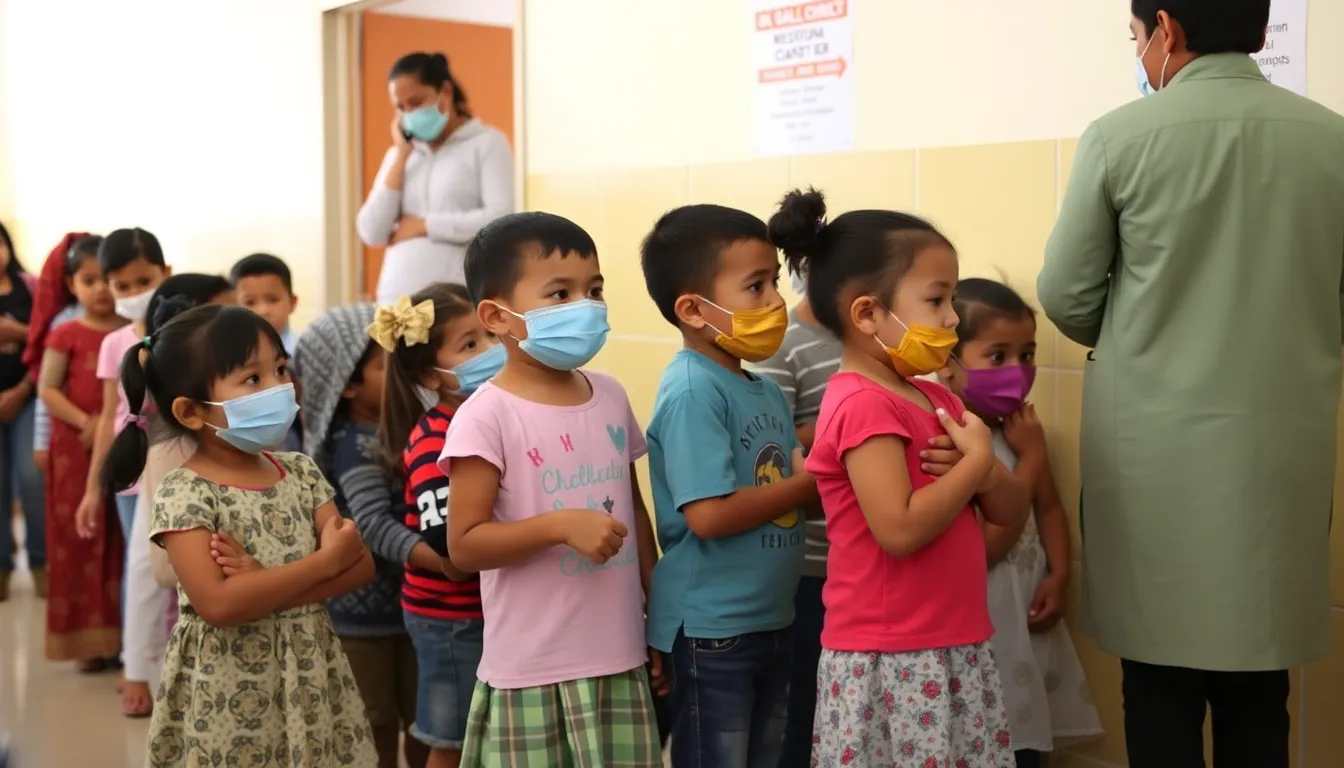
Pharmaceutical companies play a significant role in the development and distribution of the vaccine. Their interests lie in profit generation and market share, which can lead to potential conflicts with public health goals. Additionally, the cost of the vaccine and its accessibility for all families are critical economic issues that need to be addressed. The government must balance these interests while ensuring that the vaccine remains affordable and widely available.
Legal issues also arise in the context of vaccine mandates and parental consent. Some parents may have concerns about mandatory vaccinations, leading to debates about individual rights versus public health responsibilities. This tension can create challenges in achieving high vaccination rates, which are essential for herd immunity. Understanding these legal facets is crucial for parents considering vaccinations.
- Public Health Goals: The government seeks to decrease the incidence of chickenpox and its complications.
- Economic Considerations: Ensuring the vaccine is affordable and accessible for all families is crucial.
- Parental Concerns: Parents may have reservations about vaccine safety and mandates.
- Healthcare Provider Role: Providers must effectively communicate the benefits and risks associated with the vaccine.
- Pharmaceutical Interests: Companies are motivated by profit, which may conflict with public health priorities.
In summary, the successful rollout of the chickenpox vaccination program in the UK hinges on navigating the interests and concerns of these diverse stakeholders. Addressing conflicts and trade-offs will be essential in fostering a collaborative approach to public health initiatives.
Potential impacts on public health and community well-being
The introduction of chickenpox vaccines for young children across the UK is set to affect various groups, including families, healthcare providers, and educational institutions. Parents of young children will be particularly impacted, as they now have access to a preventive measure against a virus that can cause significant discomfort and complications in children. Additionally, healthcare professionals will need to adapt to the new vaccination protocols, which may include training and resource allocation.
In the short term, the availability of chickenpox vaccines is likely to lead to increased vaccination rates among young children. This could result in a noticeable decline in chickenpox cases, thereby reducing the burden on healthcare systems and minimizing the risk of outbreaks in schools and communities. Parents may experience peace of mind knowing that their children are protected from this illness.
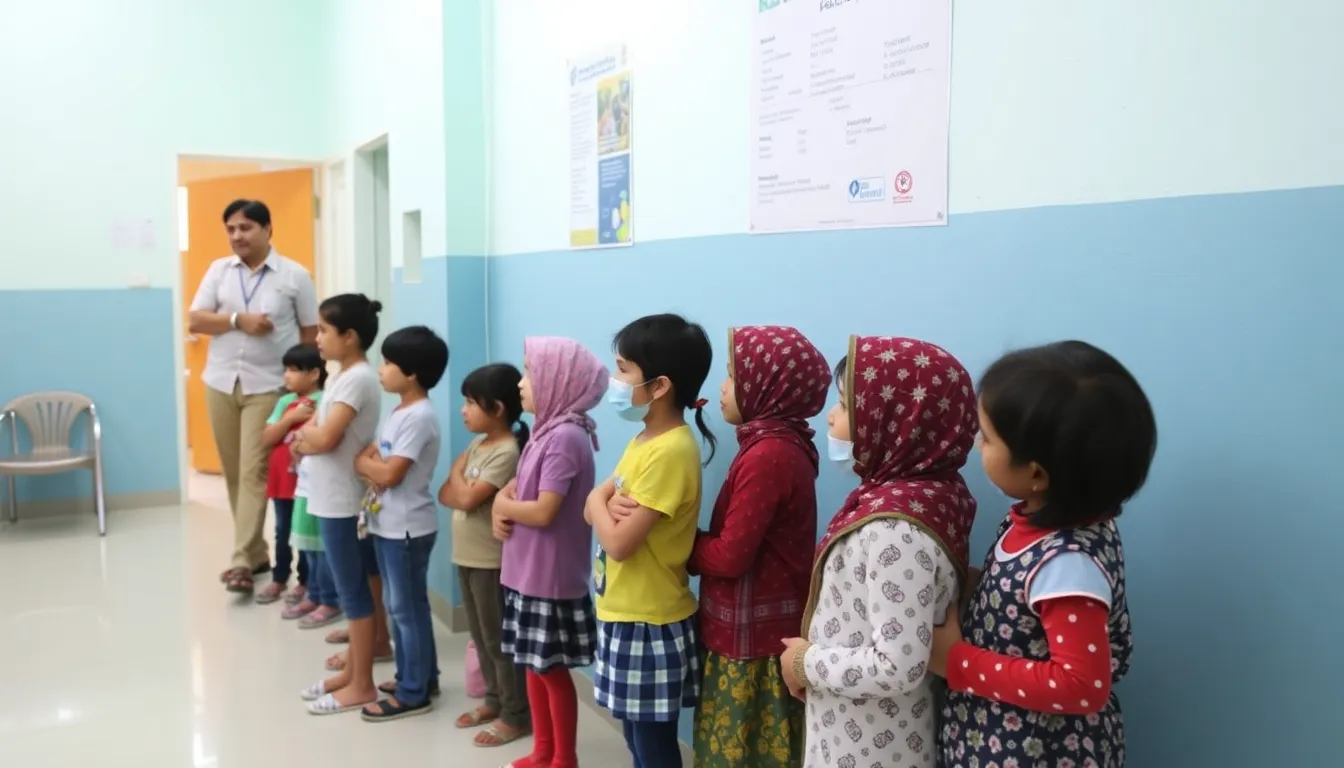
Mid-term impacts could include changes in public health policy, as the government may allocate more resources to vaccination programs and health education initiatives. Schools may also implement new health policies regarding vaccination requirements for enrollment, which could affect attendance and enrollment figures. The overall community well-being may improve as herd immunity increases, leading to fewer cases of chickenpox and related complications.
- Healthcare providers: Increased demand for vaccinations and potential shifts in healthcare resource allocation.
- Families: Reduced incidence of chickenpox leading to fewer sick days and disruptions in daily life.
- Educational institutions: Potential changes in enrollment policies and health protocols.
- Public health policy: Possible reallocation of funding towards vaccination and preventive health measures.
While the rollout of the chickenpox vaccine presents numerous opportunities for improved public health, there are also risks to consider. Vaccine hesitancy among some parents could hinder overall vaccination rates, potentially leading to pockets of unvaccinated children and the risk of outbreaks. Additionally, the healthcare system may face challenges in ensuring equitable access to the vaccine, particularly in underserved regions.
A: The chickenpox vaccine is a live attenuated vaccine that helps protect against varicella, the virus that causes chickenpox. It works by stimulating the immune system to recognize and fight the virus. A: The vaccine is recommended for young children, typically between 12 months and 18 months of age. It may also be given to older children and adults who have not had chickenpox. A: Common side effects include mild fever, rash, and soreness at the injection site. Serious side effects are rare, but parents should consult with healthcare providers if they have concerns. A: The chickenpox vaccine is about 90% effective at preventing chickenpox. Even if a vaccinated person does get chickenpox, the symptoms are usually much milder. A: The vaccination program for young children in the UK has already commenced, with health authorities encouraging parents to get their children vaccinated as soon as possible.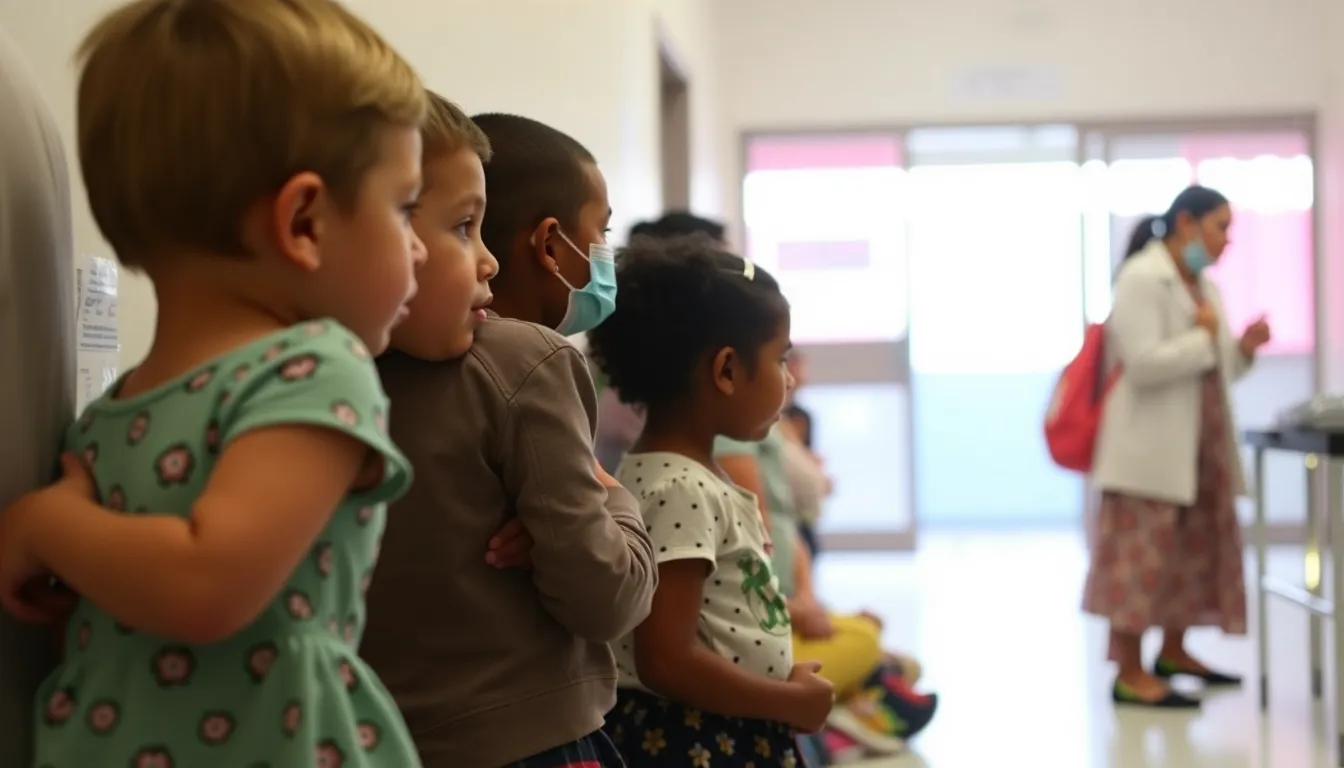
Frequently asked questions about the chickenpox vaccine
Looking ahead: key takeaways and future outlook
The introduction of chickenpox vaccines for young children across the UK marks a significant step in public health, aiming to reduce the incidence of this contagious disease. As vaccination programs roll out, attention will be focused on their impact on both individual health outcomes and broader community immunity. Monitoring the uptake rates and public response will be crucial in determining the program’s success.
In the coming months, it will be important to observe how healthcare systems adapt to this new vaccination schedule and to assess the effectiveness of the vaccine in reducing chickenpox cases. Additionally, understanding parental attitudes towards vaccination will provide insights into public health strategies and education efforts needed to enhance participation.
- Increased vaccination rates may lead to a notable decrease in chickenpox cases among young children.
- Healthcare providers will need to prepare for potential increases in vaccine-related inquiries and consultations.
- Public health campaigns will be essential to address any concerns and misinformation surrounding the vaccine.
- Long-term monitoring will be necessary to evaluate the vaccine’s effectiveness and any emerging patterns in chickenpox outbreaks.
- Engagement with parents and communities will be crucial for fostering trust and encouraging vaccination uptake.