


These changes include stricter guidelines on fuel use and the integration of hybrid systems, which are expected to influence team budgets and engineering approaches, as detailed in the Key differentiator in F1 2026 as predicted by FIA.
Notably, several high-profile transfers have occurred, reshaping team line-ups and rivalries, which you can explore in our Transfers in January 2026 Overview.
Fan engagement is also evolving, with organizers planning to enhance the spectator experience both at the tracks and through digital platforms. The introduction of augmented reality features and interactive apps aims to attract a younger audience and keep existing fans more engaged. As the season approaches, the focus on enhancing viewer experience underscores the sport’s commitment to growth in an increasingly competitive entertainment landscape.
Background on the evolution of road racing regulations
Road racing has undergone significant transformations since its inception, shaped by various historical, political, and economic factors. From the early days of informal races on public roads to the establishment of formal regulations, the sport has evolved to address safety, competitiveness, and environmental concerns. The introduction of standardized rules and regulations in the mid-20th century marked a pivotal moment, as governing bodies sought to create a more structured framework for the sport.
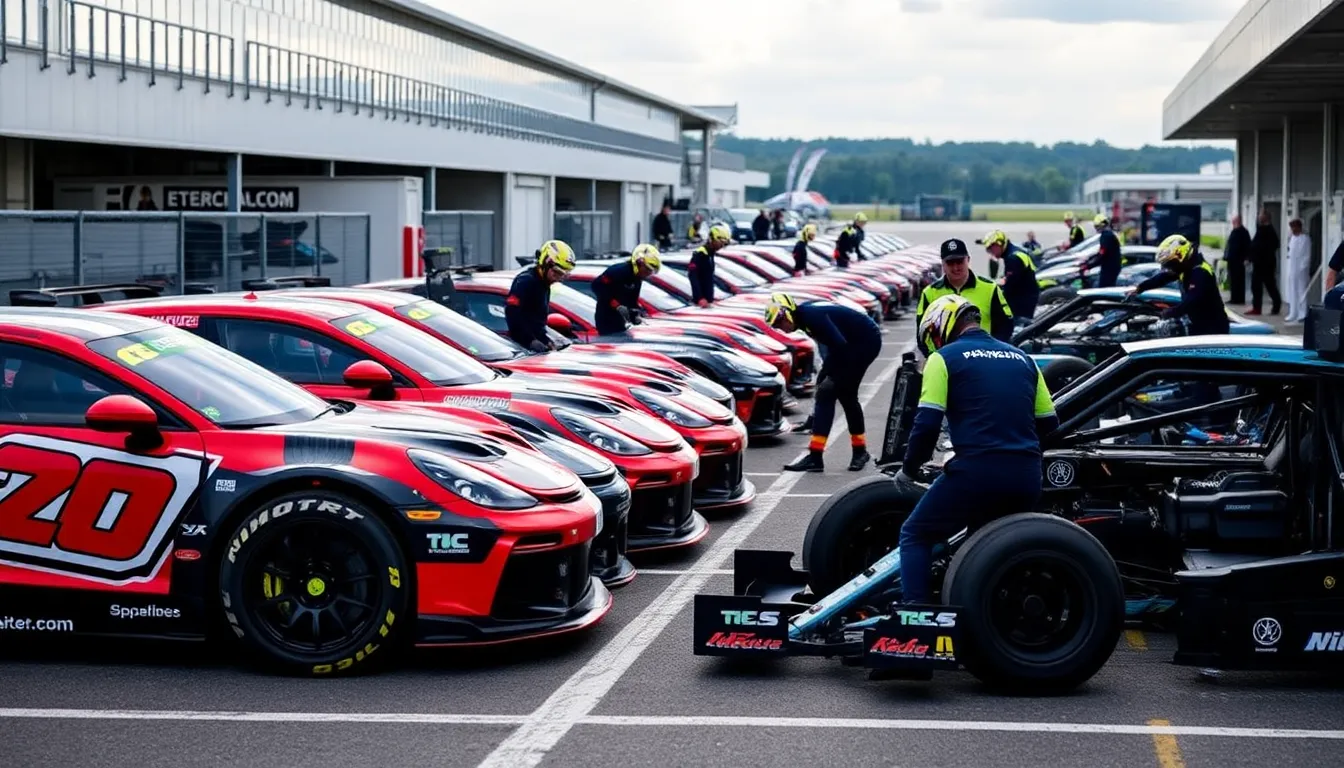
In the 1960s and 1970s, the rise of professional road racing brought about increased scrutiny from both the public and governments. High-profile accidents and fatalities highlighted the need for stricter safety measures. This led to the implementation of regulations aimed at protecting drivers and spectators alike, including mandatory safety gear and vehicle specifications. The establishment of organizations such as the Fédération Internationale de l’Automobile (FIA) played a crucial role in standardizing these regulations across different countries.
Economic Factors Influencing Road Racing
The economic landscape surrounding road racing has also significantly influenced its evolution. Sponsorship deals and television rights have transformed the sport into a lucrative business, attracting major corporations to invest heavily in teams and events. This commercialization has led to a greater focus on performance and technology, pushing teams to innovate and adapt to new regulations aimed at sustainability and efficiency.
The push for greener technologies and the integration of electric vehicles into racing circuits are just a few examples of how the sport is responding to societal demands, reflecting broader trends towards sustainability in motorsports.
In conclusion, the historical context of road racing regulations reveals a complex interplay of safety, economic interests, and societal expectations. As the sport continues to evolve, the lessons learned from past events will be crucial in navigating the challenges and opportunities that lie ahead in the 2026 season.
Key stakeholders and their roles in the upcoming season
The 2026 road racing season is poised to be a pivotal year, with several key stakeholders influencing the landscape of the sport. These actors include racing teams, manufacturers, governing bodies, sponsors, and fans, each with distinct interests and motivations that will shape the season ahead.
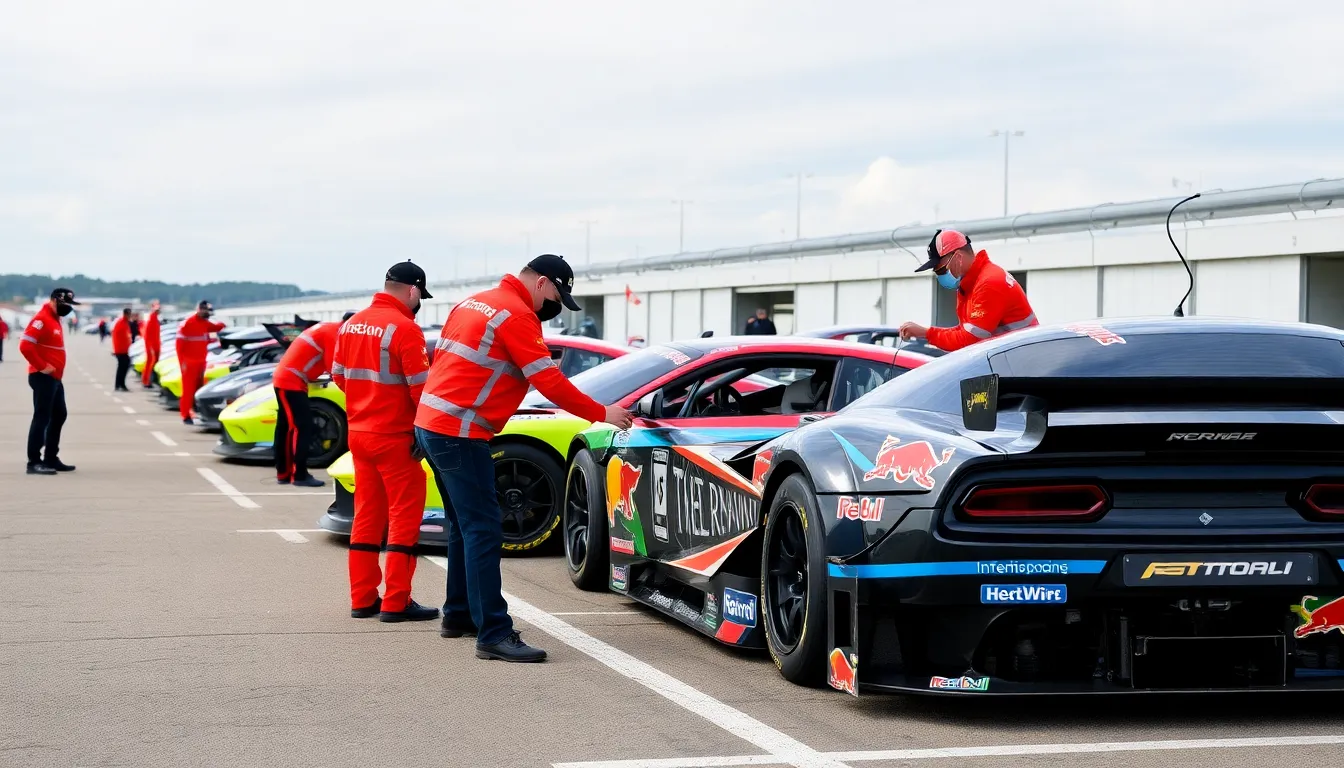
Racing teams are at the forefront, as they strive for competitive advantage and success on the track. Their interests often revolve around securing sponsorships, optimizing performance through technological advancements, and navigating the regulatory framework set by governing bodies. Teams like Mercedes, Ferrari, and Red Bull Racing will be particularly focused on the development of their vehicles to meet evolving standards and maintain their competitive edge.
Manufacturers, such as Honda and Audi, play a crucial role in the development of engines and technology. With the shift towards more sustainable practices, their investment in hybrid and electric technologies will be critical. This transition not only affects their market positioning but also aligns with global trends towards environmental sustainability, creating a potential conflict between performance and ecological responsibility.
- Economic interests: Teams and manufacturers must balance the costs of innovation with potential returns from sponsorship and prize money.
- Regulatory challenges: Compliance with new regulations can create trade-offs between performance enhancements and legal restrictions.
- Fan engagement: Maintaining and growing fan interest is essential for sponsors and teams, leading to a focus on entertainment value and accessibility.
Governing bodies, such as the FIA, are responsible for setting the rules and regulations that govern the sport. Their interests include ensuring fair competition, promoting safety, and enhancing the sport’s global appeal. However, their decisions can lead to conflicts with teams and manufacturers, particularly when regulations are perceived as limiting innovation or favoring certain competitors.
Sponsors and advertisers are also significant stakeholders, as their financial support is vital for the sustainability of teams and events. They seek to maximize their visibility and return on investment, which can sometimes lead to tensions with teams over branding and promotional strategies. The balance between commercial interests and the sport’s integrity will be a key issue in the upcoming season.
Potential impacts on teams, drivers, and fans
The 2026 road racing season is set to bring significant changes that will affect various stakeholders in the motorsport community. Teams, drivers, and fans will experience shifts in dynamics as new regulations and technologies are introduced. These changes are likely to have both immediate and lasting effects on the industry.
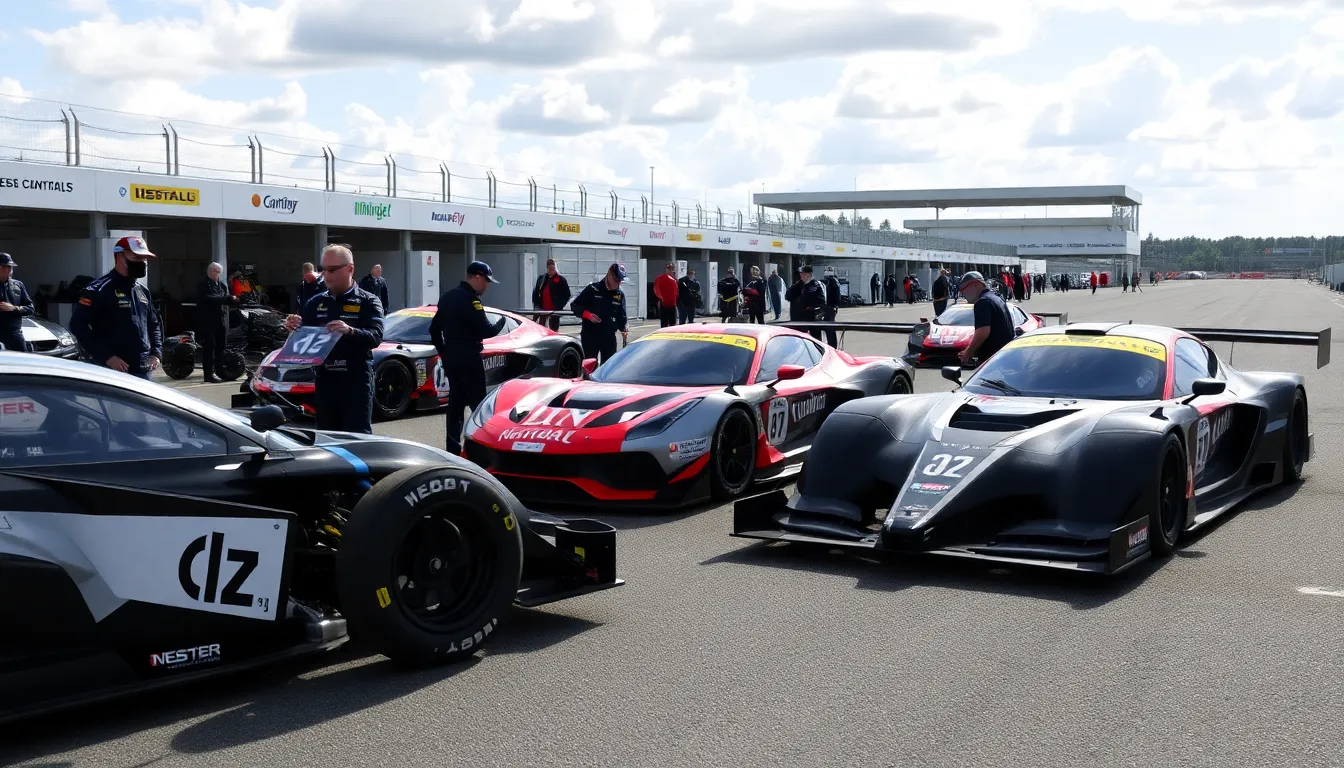
One of the most notable impacts will be on the teams, particularly smaller and mid-tier organizations that may struggle to adapt to the new technological requirements. The introduction of advanced power units and sustainability measures could lead to increased operational costs. However, this also presents an opportunity for innovation and partnerships with tech companies, potentially leveling the playing field in the long run.
Drivers will face a dual challenge as they navigate new vehicles and performance parameters. The transition to more sustainable racing formats may require them to adapt their driving styles. While this could initially pose risks in terms of performance, it also offers a chance for drivers to showcase their versatility and attract sponsorships focused on sustainability.
- Short-term impacts: Increased costs for teams, potential performance inconsistencies for drivers.
- Mid-term impacts: Opportunities for technological partnerships, enhanced fan engagement through new formats.
- Risks: Smaller teams may face financial strain, possible reduction in competitiveness.
- Opportunities: Innovation in vehicle design, growth in eco-conscious sponsorships.
Fans will also feel the effects of the 2026 season as the sport evolves. With a shift towards sustainability, there may be changes in race formats and locations, impacting how and where fans engage with the sport. This could lead to a more dedicated fan base that values environmental responsibility, potentially increasing attendance at events that prioritize green initiatives.
Overall, the 2026 road racing season presents a complex landscape of risks and opportunities for teams, drivers, and fans alike. The decisions made during this transition period will shape the future of the sport, influencing everything from daily operations to long-term policies within the racing community.
A: The 2026 season is anticipated to feature significant regulatory changes aimed at enhancing competitiveness and sustainability, including new engine specifications and technical guidelines. A: Teams will need to adapt their strategies to comply with the new regulations, which may involve redesigning cars and re-evaluating their approach to race preparation and execution. A: Yes, new initiatives are expected to enhance fan engagement, including interactive experiences and improved accessibility to races, making it more appealing for spectators. A: There are discussions about potential new teams entering the competition, which could bring fresh talent and dynamics to the racing landscape. A: The upcoming changes may lead to shifts in driver contracts as teams reassess their line-ups based on the new regulations and performance expectations.
Frequently asked questions about the 2026 season
Key takeaways and outlook for the future
The upcoming 2026 road racing season is poised to bring significant changes that could reshape the competitive landscape. With advancements in technology, evolving regulations, and shifting team dynamics, fans and participants alike should prepare for an exciting year ahead. Understanding these factors will be crucial for anticipating how the season unfolds.
As teams adapt to new rules and the introduction of innovative strategies, several key trends are likely to emerge. Observers should keep an eye on how these developments influence race outcomes and team performances throughout the season.
- Technological Advancements: Expect teams to leverage cutting-edge technology for performance gains, particularly in aerodynamics and powertrain efficiency.
- Regulatory Changes: The introduction of new regulations will necessitate strategic adjustments, impacting team budgets and resource allocation.
- Emerging Talent: Watch for new drivers making their mark, as fresh talent could disrupt established hierarchies and introduce new rivalries.
- Sustainability Focus: The push for greener practices will likely influence team strategies and fan engagement, as environmental considerations become more prominent.
- Team Dynamics: Changes in team line-ups and partnerships may lead to unexpected alliances and rivalries, affecting race strategies and outcomes.