


Another defining moment of the season was Lando Norris clinching the World Championship title at the final race in Abu Dhabi on December 7, 2025. This victory solidified Norris’s status as a leading driver in Formula 1, following a season filled with intense competition and strategic battles. His triumph was celebrated by fans and marked a significant milestone for his team, McLaren. For more on the exciting moments during this season, check out Gabriel Bortoleto’s experience at the Brazil GP.
The season also saw a resurgence in fan engagement, with record attendance at various Grand Prix events. The thrilling races, combined with the emergence of new talents and the return of seasoned drivers, have revitalized interest in Formula 1. The combination of established stars like Lewis Hamilton and rising contenders has created a dynamic atmosphere that keeps fans on the edge of their seats.
As the season unfolds, the implications of these key moments extend beyond individual achievements. They highlight the evolving landscape of Formula 1, where both veteran drivers and newcomers are shaping the future of the sport. The excitement surrounding these events not only enhances the competitive spirit but also fosters a deeper connection between fans and the sport.
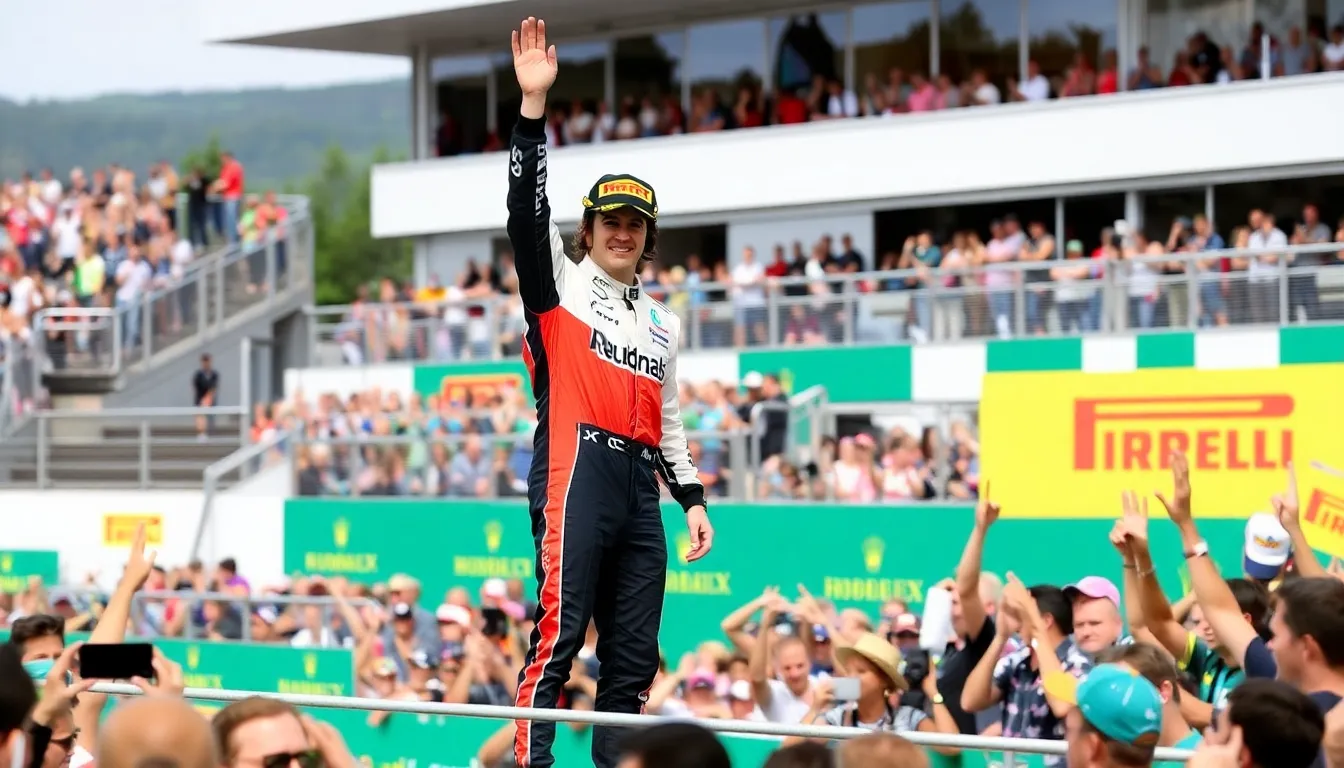
Understanding the significance of fan engagement in F1
The Formula 1 (F1) racing series has long been a platform where speed meets spectacle, but in recent years, the importance of fan engagement has surged to the forefront of its narrative. As the sport evolves with technological advancements and a growing global audience, the role of fans in shaping the F1 landscape has become increasingly pivotal. Events like the 2025 season, marked by Nico Hulkenberg’s unexpected podium finish and Lando Norris’s championship triumph, highlight not only the competitive nature of the sport but also the deep emotional connections fans have with their favorite drivers.
Historically, F1 has experienced fluctuations in popularity, influenced by various factors such as the introduction of new regulations, the emergence of charismatic drivers, and the global expansion of the sport into new markets. The 2020s have seen a significant revival in interest, largely attributed to the rise of social media and digital platforms that allow fans to interact more directly with teams and drivers. This shift has fostered a sense of community among fans, making their voices louder and more influential in the sport’s narrative.
In the context of the 2025 season, fan engagement reached new heights as audiences rallied behind drivers like Hulkenberg, whose podium finish was seen as a testament to perseverance and skill. Similarly, Norris’s journey to the title resonated with younger fans, who identified with his relatable personality and on-track talent. These moments became not just highlights of the season but also cultural milestones that reflected broader societal trends, such as the increasing importance of representation and the celebration of underdog stories in sports. You can read about how iconic moments in sports can shift narratives in our piece on the iconic match that changed sports forever.
The impact of social media on F1 fandom
Social media platforms have transformed the way fans consume F1 content and interact with the sport. The immediacy of updates, behind-the-scenes footage, and direct access to drivers has created a more immersive experience for fans. In the lead-up to the 2025 season, the buzz surrounding both Hulkenberg and Norris was amplified through viral moments shared across platforms like Twitter, Instagram, and TikTok. This digital engagement not only fueled excitement for the races but also allowed fans to feel a personal connection to the athletes, making their achievements feel like shared victories. For fans wanting to dive deeper, the shift in entertainment culture is also explored in Mariah Carey’s record-setting holiday single.
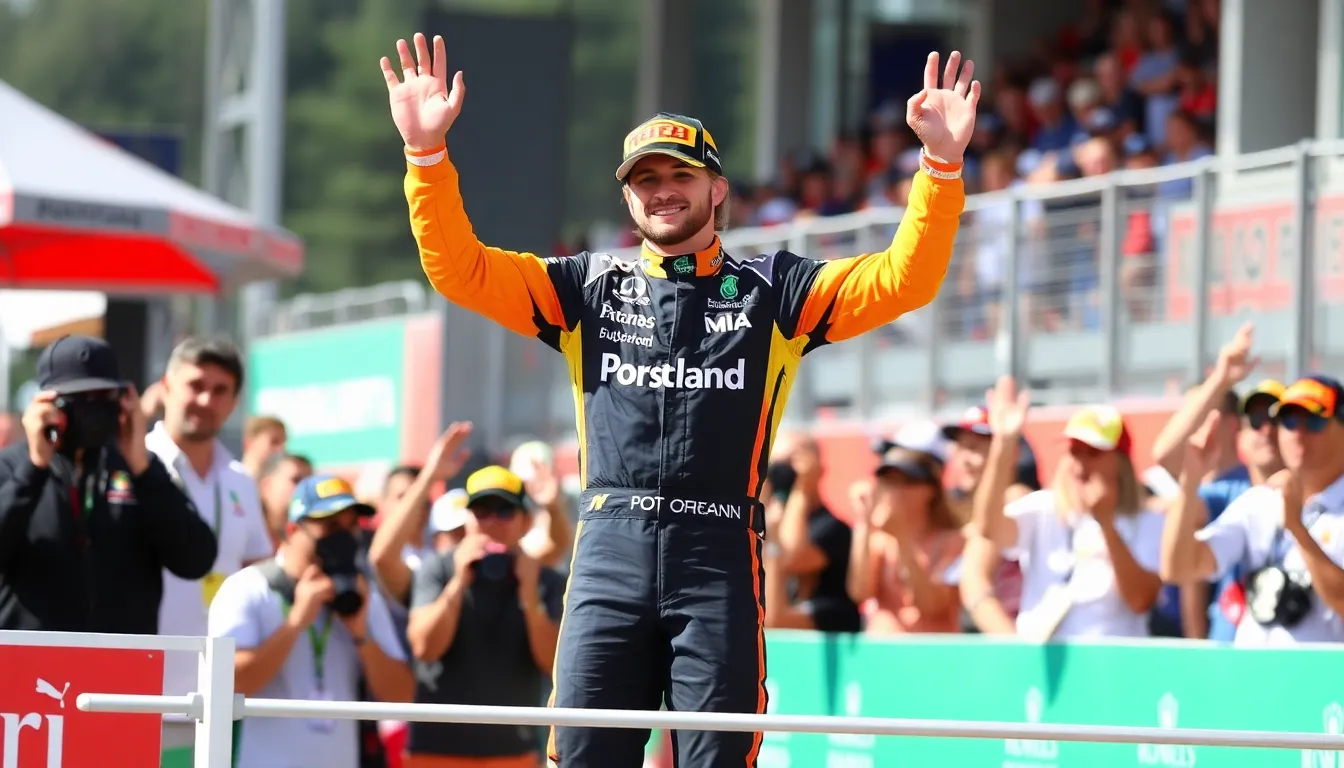
Analyzing the impact of Hulkenberg and Norris on the season
The 2025 Formula 1 season has been marked by standout performances from Nico Hulkenberg and Lando Norris, which have not only captivated fans but also highlighted various stakeholders within the sport. These include the teams, sponsors, governing bodies, and the fans themselves, each with unique interests and concerns regarding the outcomes of the season.
Nico Hulkenberg’s podium finish represents a significant achievement for both him and the Haas F1 Team, which is seeking to establish itself as a competitive force in the sport. This success can lead to increased sponsorship opportunities and a boost in team morale. However, it also raises questions about the long-term viability of smaller teams in an increasingly competitive environment dominated by larger organizations with more resources.
On the other hand, Lando Norris’s title victory has solidified McLaren’s position as a leading team in Formula 1, appealing to sponsors and fans alike. This triumph brings economic benefits to the team and its partners, but it also intensifies the pressure on other teams to innovate and keep pace. The competition for resources and talent can create conflicts, as teams vie for the best engineers and drivers.
- Fan Engagement: The emotional investment of fans in drivers like Hulkenberg and Norris can influence viewership and attendance, impacting revenue streams for the sport.
- Sponsorship Dynamics: Success on the track can attract new sponsors while existing sponsors reassess their partnerships based on team performance.
- Regulatory Challenges: The FIA must balance competitive fairness with the desire to promote emerging talent, which can lead to conflicts over regulations and team budgets.
- Economic Disparities: The gap between top teams and smaller teams continues to widen, raising concerns about the sustainability of the sport’s competitive landscape.
- Media Coverage: The narratives surrounding key drivers can shape public perception and influence the broader marketing strategies of Formula 1.
In summary, the performances of Hulkenberg and Norris have not only provided thrilling moments for fans but have also underscored the intricate web of interests and conflicts that define the world of Formula 1. As stakeholders navigate the implications of these highlights, the future of the sport remains a topic of considerable discussion and analysis.
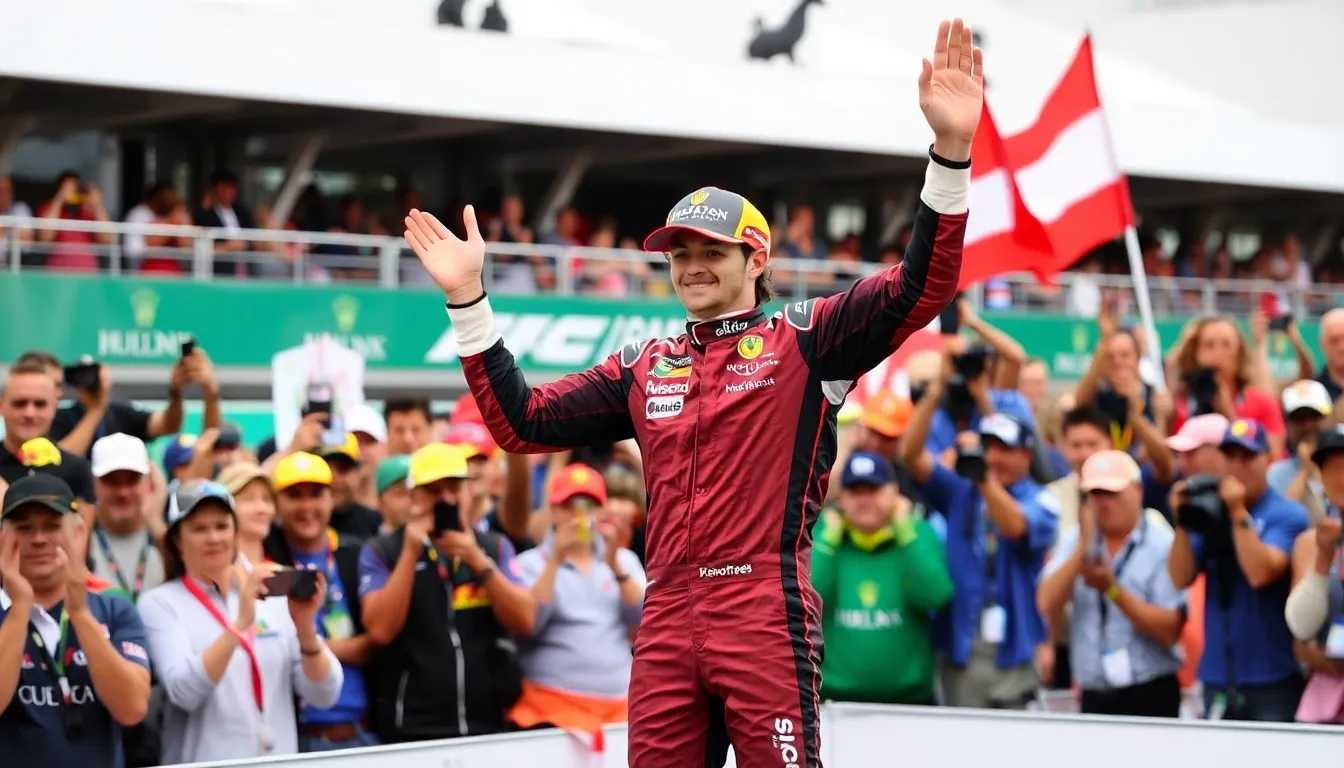
The effects of these moments on fans and the sport
The 2025 Formula 1 season has brought significant moments that resonate deeply with various groups, particularly fans, teams, and sponsors. Nico Hulkenberg’s podium finish and Lando Norris’s championship title not only capture the excitement of the sport but also influence multiple industries, including tourism, merchandise, and media. These highlights create a ripple effect, impacting fans’ daily lives and the broader F1 ecosystem.
In the short term, fans are likely to experience heightened enthusiasm and engagement with the sport. Increased viewership and attendance at races can lead to a surge in local tourism, especially in cities hosting Grand Prix events. Local businesses, such as hotels and restaurants, may see a boost in revenue as fans flock to support their favorite drivers. Furthermore, merchandise sales for both Hulkenberg and Norris are expected to rise, benefiting the F1 retail sector.
In the mid-term, the success of these drivers could reshape team dynamics and sponsorship strategies. Teams may invest more in marketing campaigns that highlight their star drivers, potentially attracting new sponsors eager to capitalize on the increased visibility. This shift could lead to a more competitive environment within the sport, as teams strive to enhance their performance to match the growing expectations of fans and stakeholders.
- Increased tourism: More visitors to race locations leading to economic benefits for local businesses.
- Merchandise sales growth: Rising demand for driver-related products boosts retail revenues.
- Sponsorship opportunities: Enhanced visibility for teams and drivers attracting new sponsors.
- Fan engagement: Heightened interest in F1 leading to increased viewership and participation.
However, there are risks associated with this newfound attention. If expectations are not met in future seasons, fan disillusionment could occur, leading to decreased engagement. Additionally, the pressure on drivers and teams to maintain performance levels can lead to burnout or poor decision-making, impacting the sport’s integrity. Balancing the excitement of success with sustainable practices will be crucial for the long-term health of Formula 1.
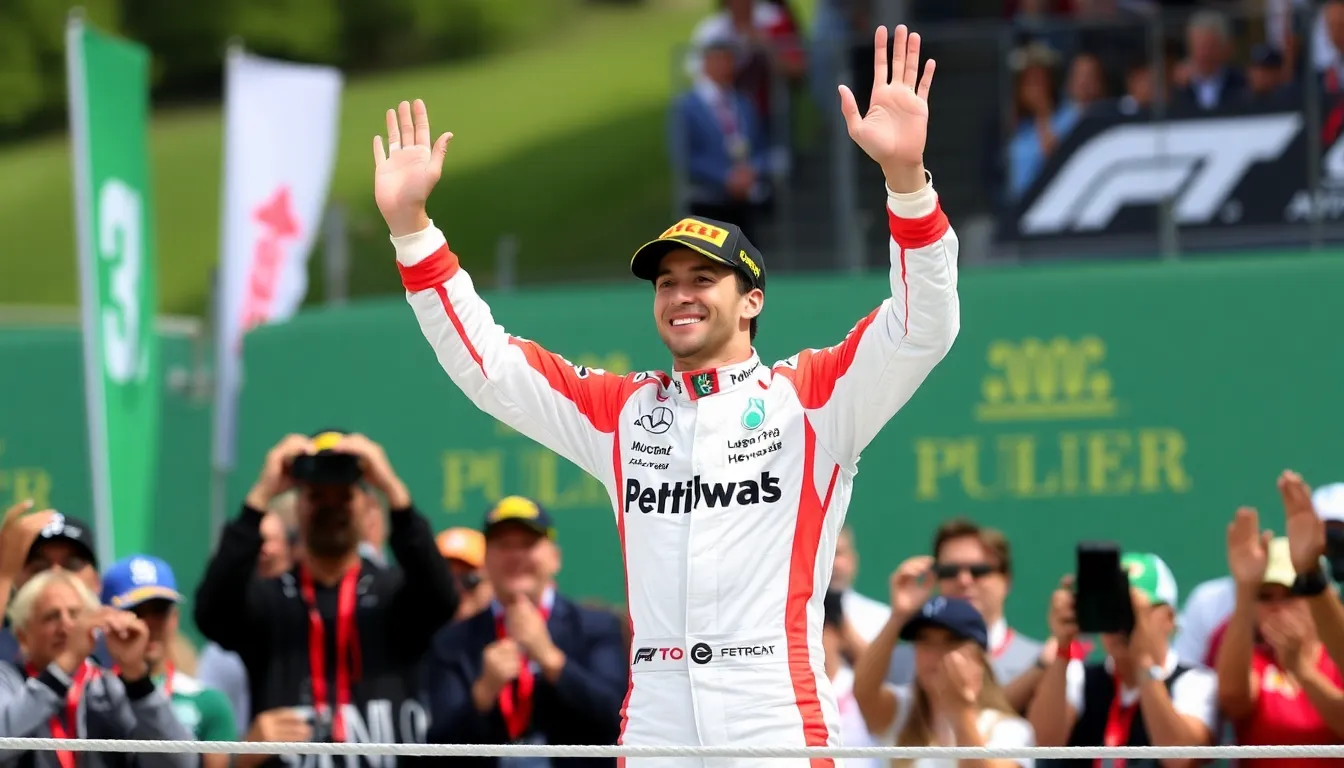
Frequently asked questions about the F1 2025 season
A: Nico Hulkenberg’s podium was significant as it marked his first top-three finish in F1, showcasing his talent and resilience after years of near misses.
A: Lando Norris secured the title through consistent performances and strategic race management, culminating in a strong finish in the final races.
A: Fans influence F1 through their engagement and feedback, impacting team strategies and promotional activities, highlighting the importance of fan support.
A: Yes, teams are expected to adapt their strategies based on the successes and failures observed in the 2025 season, which could lead to exciting developments.
Key takeaways and future outlook for F1
The 2025 Formula 1 season has provided fans with unforgettable moments, notably Nico Hulkenberg’s long-awaited podium finish and Lando Norris’s remarkable championship victory. These highlights not only reflect the evolving dynamics of the sport but also underscore the potential for emerging talent to disrupt established hierarchies. As the season unfolds, the implications of these events will likely resonate through future races, shaping team strategies and fan engagement.
Looking ahead, the focus will be on how teams adapt to the changing competitive landscape. The successes of Hulkenberg and Norris may inspire other drivers and teams to elevate their performance, leading to a more competitive field. Additionally, the growing influence of fan sentiment in shaping narratives around drivers could impact marketing and sponsorship opportunities within the sport.
- The rise of underdog stories, like Hulkenberg’s podium, may shift team strategies towards nurturing emerging talent.
- Norris’s championship win could lead to a stronger focus on youth development programs within F1 teams.
- Fan engagement will likely play a crucial role in shaping the sport’s marketing strategies, influencing sponsorship deals.
- The competitive balance may continue to evolve, prompting teams to innovate in technology and race strategies.
- Anticipate increased scrutiny on team dynamics and driver relationships as the pressure for performance intensifies.