


The contract includes provisions for increased minimum salaries, improved residuals for streaming content, and enhanced protections against the use of AI in writing, particularly in light of discussions surrounding the future of AI. These changes are designed to address the growing concerns among writers about fair compensation in an evolving digital landscape, where traditional revenue models have been disrupted.
Key players in the negotiations included representatives from major studios such as Warner Bros., Disney, and Netflix, alongside WGA leaders. The agreement was ratified by the WGA membership with a significant majority, reflecting widespread support for the terms negotiated after months of intense discussions.
This contract marks a pivotal moment in labor relations within Hollywood, as it sets a new standard for future negotiations not only for writers but potentially for other creative professionals in the industry. The successful conclusion of the strike and the agreement reached signal a renewed focus on the rights and livelihoods of those who create content in an increasingly competitive market.
Background on the Writers Guild and Industry Challenges
The Writers Guild of America (WGA) has historically played a pivotal role in advocating for the rights and interests of writers in the film and television industry. Established in the 1930s, the WGA has evolved alongside the entertainment landscape, responding to the changing dynamics of production, distribution, and compensation. As streaming platforms surged to prominence in the 2010s, the WGA faced new challenges in negotiating fair contracts that reflect the realities of modern media consumption.

One significant milestone in the WGA’s history was the 2007-2008 writers’ strike, which lasted 100 days and highlighted the need for updated compensation structures in the face of digital distribution. Writers fought for better residuals for content distributed online, leading to a new contract that addressed some of their concerns but left many issues unresolved. This strike set a precedent for future negotiations, emphasizing the importance of collective bargaining in an evolving industry.
The Rise of Streaming and Its Impact
With the rise of streaming services like Netflix, Hulu, and Amazon Prime, the landscape of content creation and distribution transformed dramatically. Writers found themselves navigating a new environment where traditional television and film revenue models were disrupted. The demand for original content surged, but the financial rewards for writers often did not keep pace. This created a pressing need for the WGA to advocate for contracts that would ensure fair pay and job security in an increasingly competitive market.
In recent years, the WGA has focused on addressing issues such as the gig economy’s impact on writers, the need for diversity and inclusion in storytelling, and the importance of protecting intellectual property rights, culminating in the recent four-year contract negotiations that echo the sentiments expressed in studies on resilience and adaptation.
As the WGA continues to navigate the complexities of a rapidly changing entertainment landscape, its achievements in recent negotiations reflect a broader struggle for equity and recognition in a sector that is vital to the cultural fabric of society. Understanding the historical context of these negotiations is essential to grasp the significance of the WGA’s recent accomplishments and their implications for the future of writing in the industry.
Key Stakeholders and Major Issues Addressed
The recent contract between the Writers Guild of America (WGA) and major studios and streaming platforms marks a significant development in the entertainment industry, revealing the intricate relationship between stakeholders, akin to the challenges faced by Sony’s fight against shovelware publishers.
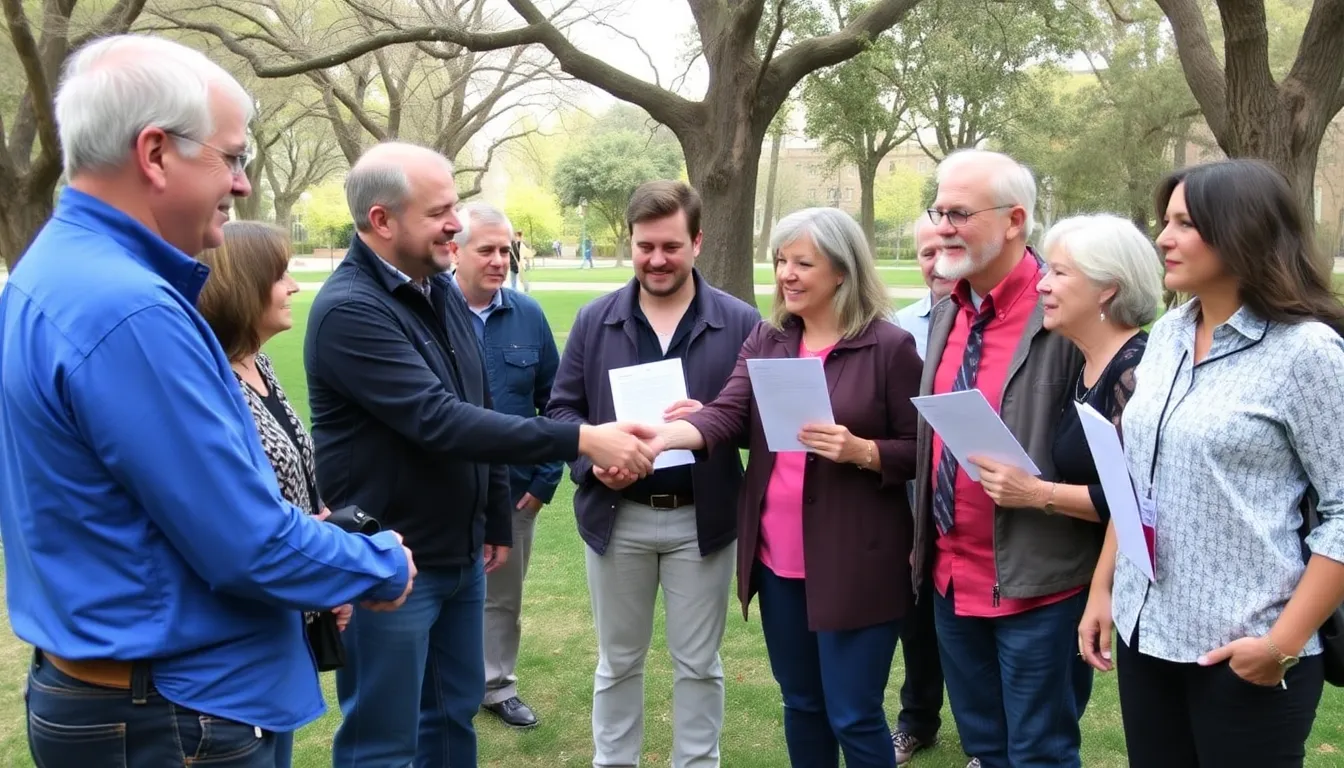
For the WGA, the primary focus is on securing fair compensation and improved working conditions for writers. This includes addressing issues such as minimum pay rates, job security, and the impact of artificial intelligence on the writing process. Writers are concerned about the sustainability of their careers in an evolving industry landscape, where streaming services are increasingly dominant.
On the other side, studios and streaming platforms, represented by the AMPTP, aim to balance their financial constraints with the need to attract and retain talented writers. Their interests often conflict with those of the writers, particularly regarding budget allocations and profit-sharing models. The studios are also navigating the competitive pressures of a rapidly changing media environment, which complicates their ability to meet writers’ demands.
- Economic Pressures: Both sides face economic realities, with studios needing to manage production costs while writers seek fair compensation.
- Technological Impact: The rise of AI in content creation raises questions about the future role of human writers and their rights.
- Job Security: Writers are advocating for protections against layoffs and more stable employment opportunities.
- Contract Length: The duration of the contract itself is a point of contention, as longer contracts can lock in conditions that may not adapt to future industry changes.
These dynamics illustrate the complex interplay of interests and challenges that both writers and studios face, highlighting the need for ongoing dialogue and negotiation in the evolving landscape of the entertainment industry.
Impact on Writers and the Entertainment Industry
The recent contract achieved by the Writers Guild of America (WGA) has significant implications for various stakeholders within the entertainment industry. Primarily, it directly affects writers across television, film, and streaming platforms, ensuring better compensation and working conditions. This contract also has ripple effects on production companies, studios, and streaming services that rely on the creative output of these writers.
In the short term, writers can expect improved pay rates and enhanced benefits, which may lead to increased job satisfaction and retention within the industry. This could foster a more vibrant creative environment, ultimately benefiting audiences with higher-quality content. Additionally, studios and streaming platforms may experience a surge in productivity as writers feel more valued and motivated to produce new material.

In the mid-term, the contract is likely to reshape business practices within the entertainment sector. Companies may need to adjust their budgets to accommodate the new wage structures, which could lead to a reevaluation of project funding and development strategies. This shift may also encourage more investment in diverse storytelling, as writers from various backgrounds gain better access to resources and opportunities.
- Short-term impacts: Improved pay and benefits for writers
- Mid-term impacts: Changes in production budgets and project funding
- Risks: Potential for increased production costs leading to fewer projects
- Opportunities: Enhanced creativity and diversity in storytelling
However, there are inherent risks associated with these changes. Increased production costs could lead studios to cut back on the number of projects they greenlight, potentially limiting opportunities for emerging writers. Conversely, the potential for a more diverse array of stories may attract new audiences and stimulate growth in the industry, balancing out any negative impacts.
A: The Writers Guild secured better pay, improved working conditions, and stronger protections against the use of AI in scriptwriting. These achievements aim to enhance the livelihoods of writers in an evolving industry. A: The new contract is set to last for four years, providing a stable framework for negotiations and adjustments in the future. This duration allows for a comprehensive review of industry changes. A: The Writers Guild faced significant challenges, including resistance from studios regarding pay increases and new regulations. The evolving landscape of streaming services also added complexity to the discussions. A: The contract includes specific provisions for streaming writers, ensuring they receive fair compensation and recognition for their work. This is crucial as streaming becomes a dominant force in the industry. A: Yes, the contract includes measures to protect writers from the potential negative impacts of AI on their work. This is a significant step in addressing concerns about automation in creative fields.
Frequently Asked Questions About the Contract
Key Takeaways and Future Outlook
The recent contract between the Writers Guild of America and the studios marks a significant milestone in the evolving landscape of the entertainment industry. As writers gain more leverage, the implications of this agreement extend beyond immediate financial benefits, influencing future negotiations and the overall dynamics between creators and platforms. The outcomes of this contract will likely set precedents for other unions and industries grappling with similar challenges in a rapidly changing media environment.
Moving forward, stakeholders should closely monitor how these changes affect content production, writer retention, and the overall quality of storytelling in film and television. The adaptability of studios and streamers in response to these new terms will also be crucial in shaping the future of the industry.
- Increased Writer Compensation: The contract ensures better pay for writers, which may lead to a more diverse range of stories being told.
- Impact on Streaming Services: As studios adjust to new financial obligations, the strategies of streaming platforms may shift, potentially affecting subscription models and content availability.
- Precedent for Future Negotiations: This agreement could serve as a benchmark for other unions, encouraging similar movements across different sectors in entertainment.
- Focus on Writer Well-being: Enhanced job security and working conditions may improve writer morale and productivity, leading to higher-quality content.
- Long-term Industry Shifts: As the industry adapts, watch for shifts in how projects are developed and produced, influencing the creative landscape for years to come.