


The increase in renewable energy generation can be attributed to several key factors, including the expansion of offshore wind farms and the installation of solar panels across residential and commercial properties. Notably, the government’s commitment to reducing carbon emissions has spurred investments in these sectors, resulting in a record output of 150 terawatt-hours from wind and solar sources this year. For more information on related topics, check out our article on Understanding the Flu Situation This Winter.
Major energy companies have also played a crucial role in this transformation. Firms such as Ørsted and SSE have ramped up their renewable projects, contributing to a more diverse energy portfolio. The integration of energy storage solutions has further enhanced the reliability of these renewable sources, allowing for better management of supply and demand.
This unprecedented growth in renewable energy is significant not only for environmental reasons but also for economic ones. As the country moves toward a greener economy, job creation in the renewable sector has surged, with thousands of new positions emerging in engineering, manufacturing, and maintenance roles.
As Great Britain continues to lead in renewable energy generation, the implications for energy policy and climate change mitigation are profound. This transition not only positions the country as a global leader in sustainability but also sets a precedent for other nations aiming to increase their reliance on clean energy sources.
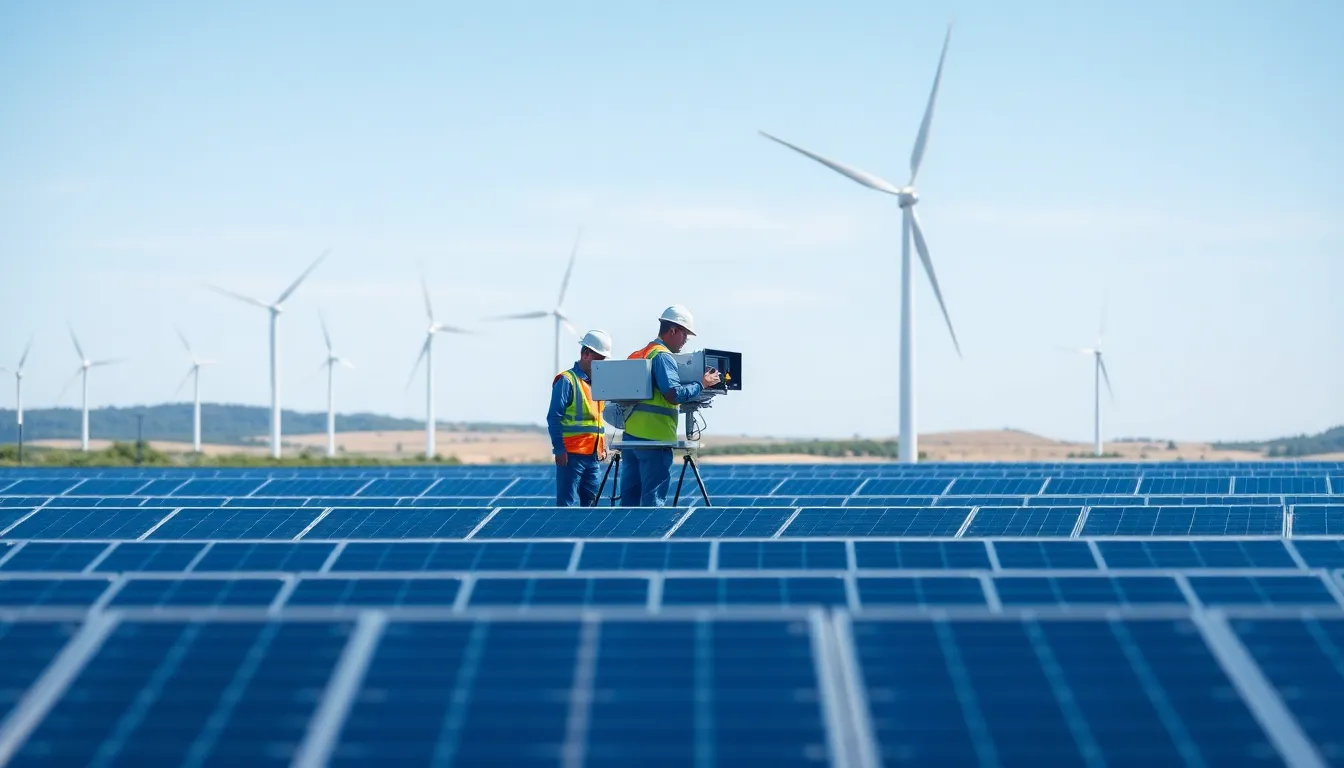
The evolution of renewable energy policies in Great Britain
Great Britain has seen a significant transformation in its energy landscape over the past few decades, particularly in the realm of renewable energy. The shift towards wind and solar power can be traced back to the early 2000s when concerns about climate change and energy security began to drive policy changes. The UK government recognized the need to diversify its energy sources and reduce reliance on fossil fuels, leading to the introduction of various incentives and regulatory frameworks aimed at promoting renewable energy.
One of the pivotal moments in this evolution was the establishment of the Renewable Obligation in 2002, which mandated that energy suppliers source a certain percentage of their energy from renewable sources. This policy not only incentivized the growth of wind and solar energy projects but also laid the groundwork for future initiatives. The introduction of feed-in tariffs in 2010 further accelerated the adoption of solar power by guaranteeing fixed payments for electricity generated from renewable sources, making investments in solar technology more attractive for homeowners and businesses alike. For more on the implications of such policies, see our analysis of Lara Croft’s potential career changes after cancellations.
Key milestones in renewable energy growth
The UK’s commitment to renewable energy was solidified with the passing of the Climate Change Act in 2008, which set legally binding targets for reducing greenhouse gas emissions. This act was a landmark achievement, positioning the UK as a leader in climate policy and fostering a supportive environment for renewable energy investments. Subsequent policies, such as the Contracts for Difference scheme introduced in 2014, provided long-term price stability for renewable energy projects, further catalyzing growth in the sector.
By 2025, these cumulative efforts have culminated in a record year for wind and solar electricity generation, marking a significant milestone in Great Britain’s journey towards a sustainable energy future. The rise of these renewable sources has not only contributed to a reduction in carbon emissions but has also played a crucial role in the economic recovery post-pandemic, creating jobs and attracting investments in green technologies. For insights on innovations impacting technology, check our review of JerryRigEverything’s take on the Pixel 10 Pro Fold.
As Great Britain continues to navigate the challenges of climate change and energy demands, the historical context of its renewable energy policies serves as a testament to the effectiveness of strategic planning and commitment to sustainability. The success of wind and solar energy in 2025 is not just a reflection of technological advancements but also a result of years of dedicated policy development and public support for a greener future.
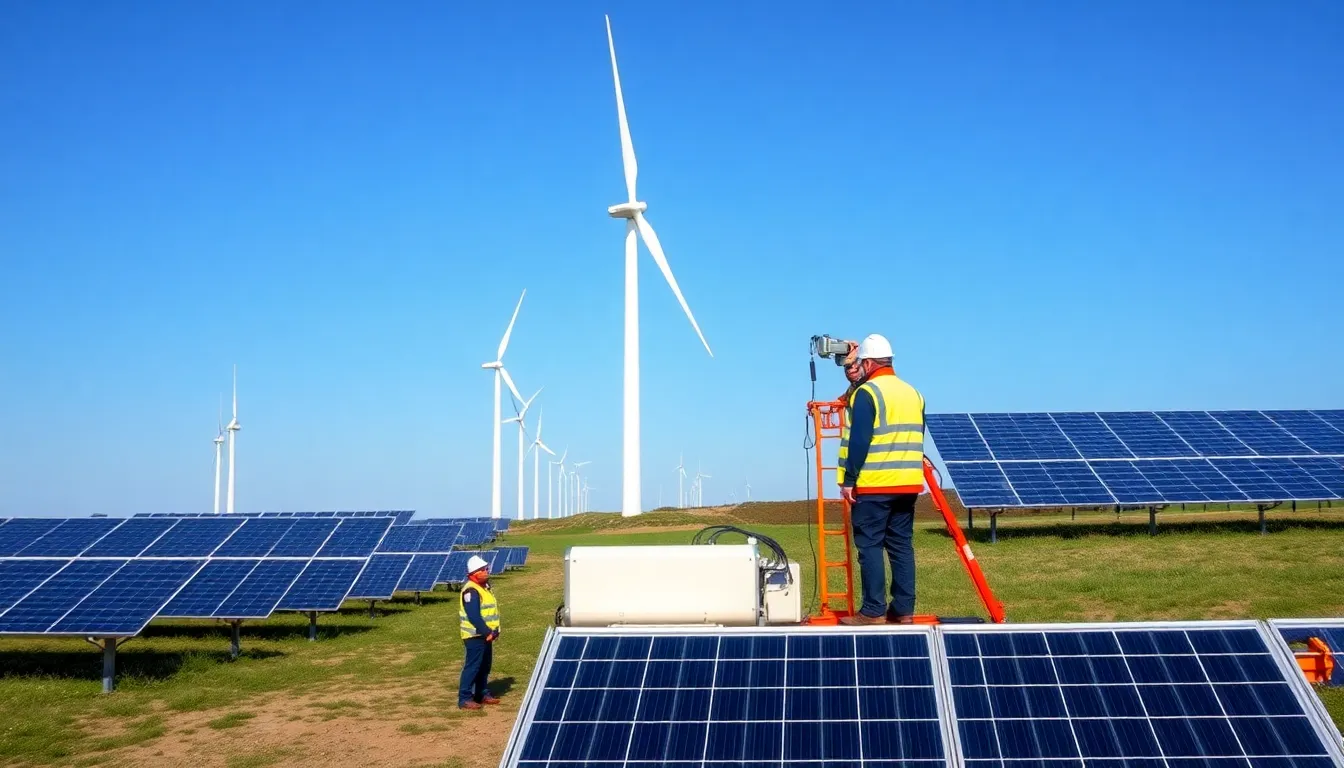
Key stakeholders and their roles in the renewable energy landscape
The transition to renewable energy sources, particularly wind and solar, has seen significant involvement from various stakeholders across Great Britain. These actors include government bodies, private companies, environmental organizations, and local communities, each with distinct interests and influences on the renewable energy sector.
Government agencies, such as the Department for Business, Energy & Industrial Strategy (BEIS), play a pivotal role in setting policies and regulations that encourage the growth of renewable energy. Their interests lie in meeting climate targets, enhancing energy security, and stimulating economic growth through job creation in the green sector. However, the challenge remains in balancing these goals with the need for reliable energy supply and managing public concerns regarding land use and visual impacts of wind farms.
Private companies, including energy providers and technology developers, are crucial in the development and deployment of renewable technologies. Their primary interest is in profitability and market competitiveness. The rapid expansion of wind and solar capacity presents both opportunities and challenges; while it opens new markets, it also necessitates significant investment and innovation to stay ahead in a rapidly evolving industry.
- Environmental organizations advocate for sustainable practices and the protection of ecosystems affected by renewable installations, often pushing for stricter regulations.
- Local communities may have mixed feelings about renewable projects, with some supporting the transition to clean energy while others raise concerns about noise, aesthetics, and land use.
- Investors are increasingly looking at renewable energy as a viable asset class, driven by both ethical considerations and the potential for long-term returns.
Conflicts often arise between these stakeholders, particularly between local communities and developers over land use and environmental impact. Legal challenges can emerge as communities seek to protect their interests against large-scale projects. Moreover, economic issues such as funding for infrastructure development and the fluctuating costs of renewable technologies can create trade-offs that impact the pace of transition to renewable energy sources.
As Great Britain moves towards a greener future, the interplay between these stakeholders will be crucial in shaping the landscape of renewable energy. Understanding their roles and interests will provide valuable insights into the complexities of achieving a sustainable energy system.
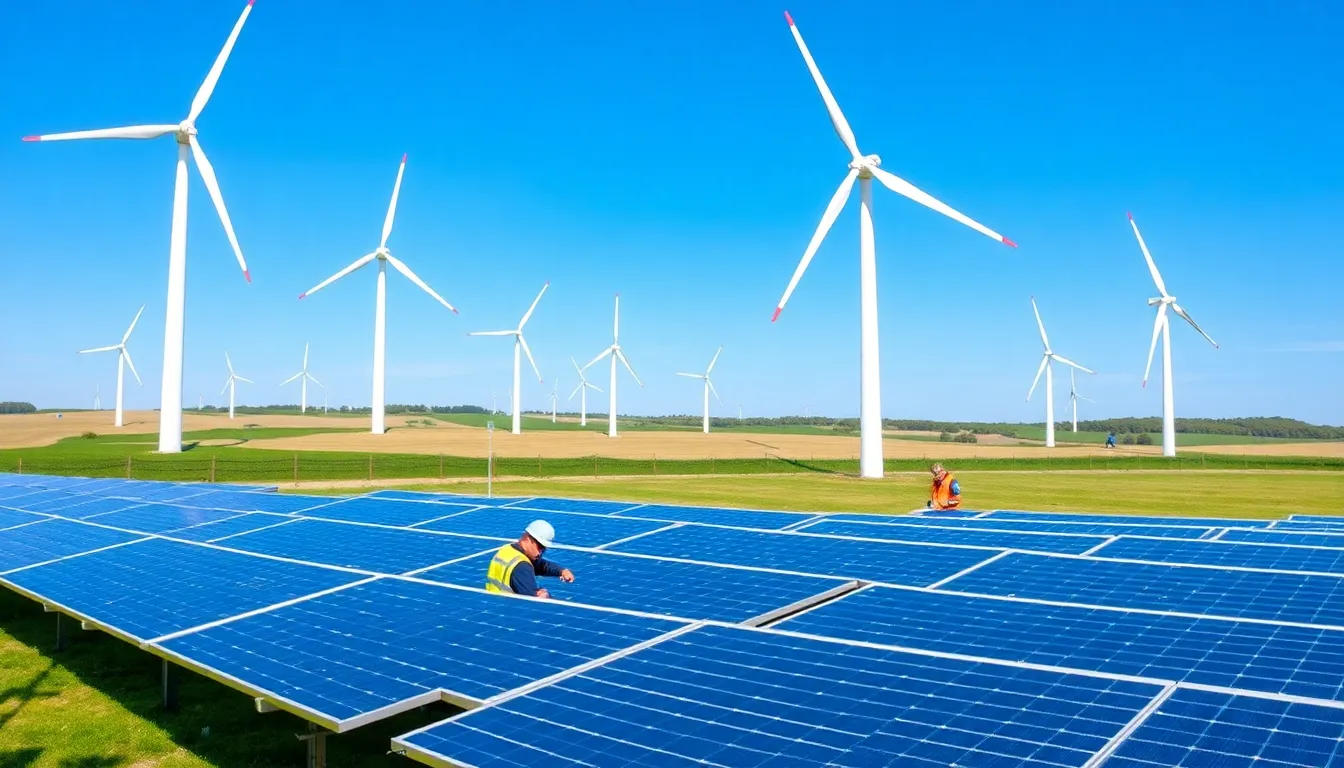
How the surge in wind and solar energy affects the economy and environment
The record year for wind and solar electricity in Great Britain in 2025 has far-reaching implications for various groups, industries, and regions. Key stakeholders include energy producers, consumers, businesses relying on energy, and policymakers. The shift towards renewable energy sources is transforming the landscape of energy production and consumption.
In the short term, households and businesses may experience lower energy costs as the increased supply of wind and solar power drives down prices. This can lead to enhanced disposable income for consumers and reduced operational costs for businesses. However, industries reliant on fossil fuels may face significant challenges, including job losses and financial instability as the market shifts towards renewables.
In the mid-term, regions heavily invested in renewable energy infrastructure, such as coastal areas with wind farms, could see economic growth and job creation. This transition may stimulate local economies and attract new investments in green technology. Conversely, regions dependent on traditional energy sources may struggle with economic decline and require strategic planning to manage the transition.
- Opportunities: Growth in green jobs and investment in renewable technology.
- Risks: Economic challenges for fossil fuel-dependent regions and potential job losses.
- Policy Implications: Need for supportive policies to facilitate the transition and manage the impact on affected communities.
As the energy landscape evolves, businesses must adapt to new market dynamics, embracing sustainability to remain competitive. This shift could also drive innovation in energy storage and efficiency technologies, presenting opportunities for companies willing to invest in the future of energy.
A: Several factors played a role, including favorable weather conditions, advancements in technology, and increased investment in renewable energy infrastructure. A: The increase in renewable energy generation significantly reduces reliance on fossil fuels, leading to lower carbon emissions and a positive impact on climate change. A: Expanding these energy sources creates jobs in manufacturing, installation, and maintenance, while also reducing energy costs for consumers. A: Yes, challenges include grid integration, storage solutions, and ensuring a stable energy supply during periods of low generation. A: Government policies, including subsidies and incentives for renewable energy projects, are crucial for encouraging investment and facilitating growth in the sector.
Frequently asked questions about renewable energy in Great Britain
Looking ahead: The future of renewable energy in Great Britain
The record year for wind and solar electricity generation in Great Britain in 2025 marks a significant turning point in the nation’s energy landscape. As the country continues to invest in renewable technologies, the implications for both the economy and the environment are profound. This shift not only contributes to reducing carbon emissions but also enhances energy security and creates new job opportunities within the green economy.
Moving forward, stakeholders must remain vigilant in monitoring the evolving policies and technologies that will shape the renewable sector. The achievements of 2025 set a precedent, but sustaining this momentum will require ongoing commitment and innovation in energy infrastructure, grid management, and public engagement.
- Policy Adaptation: Watch for changes in government policies that may further incentivize renewable energy investments and support grid enhancements.
- Technological Innovation: Keep an eye on advancements in energy storage and smart grid technologies that could optimize the use of intermittent renewable sources.
- Market Dynamics: The growth of wind and solar may influence energy prices, so monitoring market trends will be crucial for businesses and consumers alike.
- Public Engagement: Increased awareness and acceptance of renewable energy initiatives will be vital for community support and participation in future projects.
- Job Creation: Anticipate the emergence of new job opportunities in the renewable sector, emphasizing the need for workforce training and development programs.