


Countries such as China, Indonesia, and the Democratic Republic of the Congo are key players in this trade, exporting a wide range of species, including mammals, birds, and reptiles. The World Health Organization (WHO) has warned that the exploitation of wildlife increases the likelihood of new pathogens emerging and spreading to human populations. This concern is particularly pressing as urbanization and climate change continue to disrupt natural habitats, highlighting the need for comprehensive policies to mitigate these risks.
In 2021, the Convention on International Trade in Endangered Species of Wild Fauna and Flora (CITES) reported a rise in the illegal wildlife trade, exacerbated by the pandemic’s impact on enforcement efforts. The trafficking of wildlife not only threatens biodiversity but also poses a direct risk to public health, as seen in the outbreaks of diseases such as Ebola and SARS. Experts argue that comprehensive policies and international cooperation are essential to mitigate these risks.
As nations grapple with the aftermath of COVID-19, the necessity of addressing wildlife trade has become a global priority. Efforts to enhance monitoring and regulation of wildlife markets are underway, yet challenges remain in balancing economic interests with conservation and public health. The ongoing situation underscores the critical need for a unified approach to safeguard both wildlife and human health.
Exploring the background of wildlife trade and zoonotic diseases
The global wildlife trade has a long and complex history, intertwined with human culture, economic interests, and biodiversity conservation. For centuries, various societies have engaged in the trade of wildlife for food, traditional medicine, and luxury goods. This practice has escalated in recent decades, driven by globalization, urbanization, and a growing demand for exotic pets and traditional medicines, leading to significant ecological and health implications.
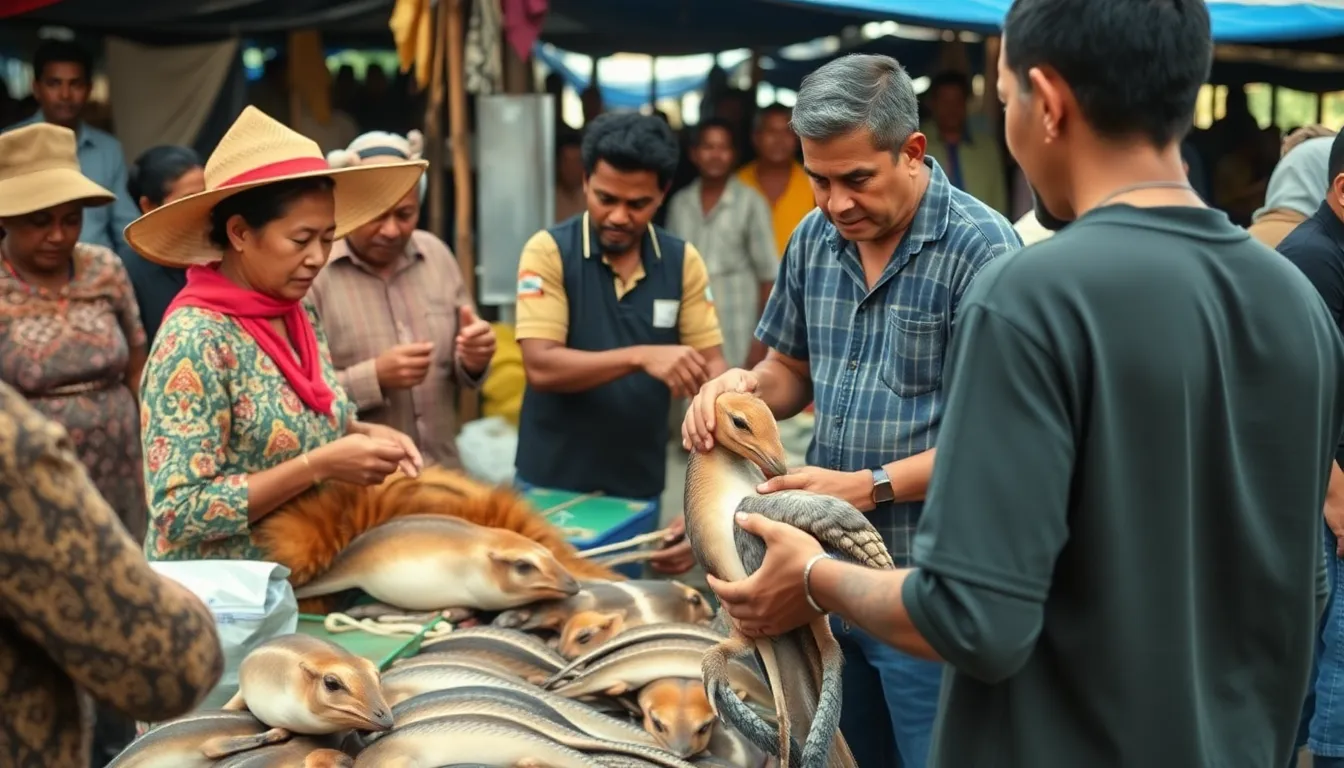
Historically, the unsustainable exploitation of wildlife has often been overlooked in favor of economic gain. The Convention on International Trade in Endangered Species of Wild Fauna and Flora (CITES), established in 1975, aimed to regulate the trade of endangered species. However, the enforcement of these regulations has been inconsistent, and illegal wildlife trafficking has proliferated, further complicating efforts to protect biodiversity and mitigate disease risks. As awareness grows, understanding the complex dynamics of wildlife trade becomes essential.
The link between wildlife trade and zoonotic diseases—those that can be transmitted from animals to humans—has gained increasing attention, especially following outbreaks like SARS, Ebola, and more recently, COVID-19. These events have highlighted how the encroachment of human activities into wildlife habitats and the consumption of wild animals can create opportunities for pathogens to jump species, resulting in significant public health crises. This emerging understanding resonates with the urgent calls for stricter regulations, as seen in the current discussions around wildlife policies.
The Economic Drivers of Wildlife Trade
The economic incentives behind wildlife trade are substantial, with billions of dollars generated annually. In many regions, communities rely on the income from wildlife trade for their livelihoods. This economic dependency often clashes with conservation efforts, as local populations prioritize immediate financial needs over long-term ecological health. As a result, balancing economic development with sustainable wildlife management remains a critical challenge in addressing the risks associated with zoonotic diseases.
Analyzing key stakeholders and issues in wildlife trade
The global wildlife trade involves a complex web of stakeholders, including governments, conservation organizations, local communities, and international markets. Each of these actors has distinct interests that shape their involvement in wildlife trade. Governments often seek to balance economic benefits from wildlife trade with the need to protect biodiversity and public health. Conservation organizations advocate for sustainable practices and the protection of endangered species, while local communities may rely on wildlife for their livelihoods.
One of the primary conflicts arises from the economic incentives associated with wildlife trade. The demand for exotic pets, traditional medicines, and luxury goods drives illegal poaching and trafficking, undermining conservation efforts. This creates a trade-off between short-term economic gains for local communities and the long-term health of ecosystems. Additionally, the legal frameworks governing wildlife trade, such as the Convention on International Trade in Endangered Species of Wild Fauna and Flora (CITES), often face challenges in enforcement, leading to further exploitation of vulnerable species.
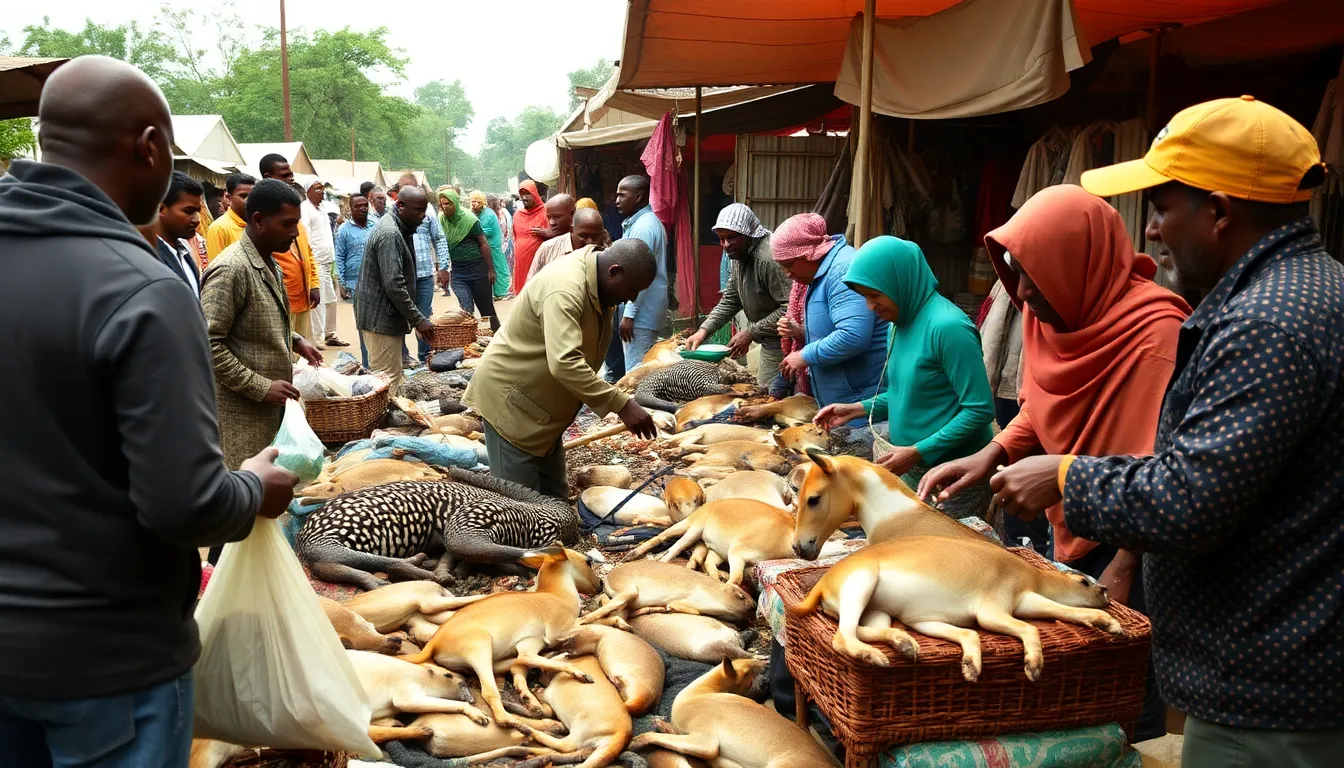
Another key issue is the public health risk posed by the wildlife trade. The transmission of zoonotic diseases, such as COVID-19, has highlighted the potential dangers associated with the consumption and trade of wild animals. This has led to increased scrutiny from governments and health organizations, prompting calls for stricter regulations and bans on certain wildlife products. However, these measures can create friction between conservation goals and the economic realities faced by communities dependent on wildlife trade.
- Governments: Balancing economic interests with public health and conservation efforts.
- Conservation Organizations: Advocating for sustainable practices and protection of endangered species.
- Local Communities: Relying on wildlife for livelihoods while facing the impacts of trade regulations.
- Health Organizations: Addressing the risks of zoonotic diseases linked to wildlife trade.
- International Markets: Driving demand for wildlife products, often leading to illegal trade.
In summary, the interplay between these stakeholders creates a multifaceted landscape where legal, economic, and ethical considerations must be navigated. Understanding these dynamics is crucial for developing effective policies that address both the conservation of wildlife and the health of human populations.
Assessing the impact of wildlife trade on public health and economies
The global wildlife trade affects a diverse range of groups, including local communities, wildlife conservation organizations, and industries reliant on tourism and agriculture. Regions with high biodiversity, particularly in Africa, Asia, and parts of South America, are most impacted. These areas often experience a dual burden: the economic benefits of wildlife trade and the health risks associated with zoonotic diseases.
In the short term, communities engaged in wildlife trade may see an economic boost, as demand for exotic animals and products rises. However, this can lead to increased exposure to diseases that can jump from animals to humans, such as COVID-19, Ebola, and others. As a result, public health systems may become strained, leading to increased healthcare costs and loss of productivity due to illness.
Mid-term impacts could include stricter regulations on wildlife trade, affecting businesses that rely on the industry. For instance, tourism sectors that promote wildlife experiences may face declines as safety concerns rise. Conversely, there is potential for growth in sectors focused on sustainable practices and ecotourism, as consumers become more health-conscious and environmentally aware.
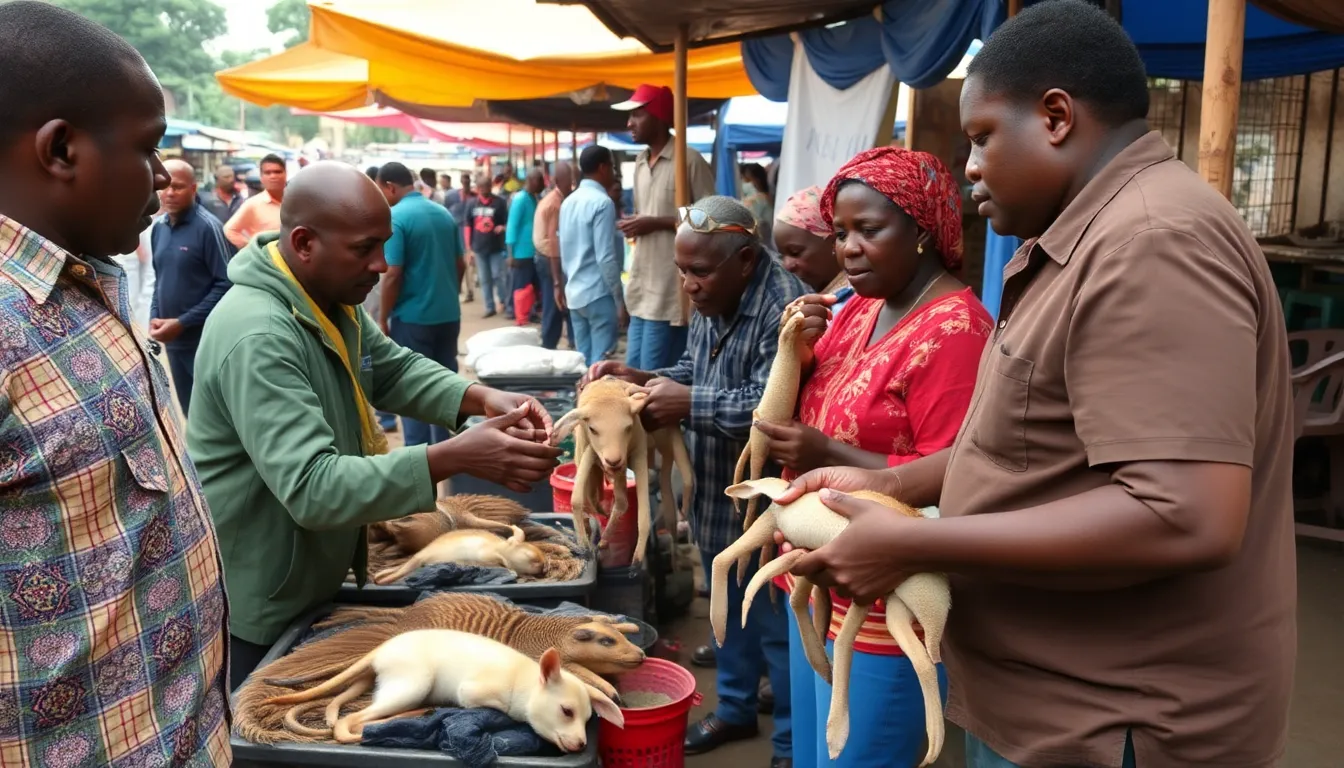
- Health Risks: Increased incidence of zoonotic diseases impacting local and global populations.
- Economic Shifts: Changes in revenue streams for communities reliant on wildlife trade.
- Policy Changes: Stricter regulations affecting wildlife trade and conservation efforts.
- Opportunities for Innovation: Growth in sustainable tourism and alternative livelihoods.
Ultimately, the interplay between wildlife trade, public health, and economic stability presents both significant risks and opportunities. As awareness of these issues grows, stakeholders will need to adapt to changing circumstances and seek solutions that prioritize both human health and wildlife conservation.
A: Wildlife trade facilitates the movement of animals that can carry diseases, increasing the risk of transmission to humans. This connection has been highlighted by recent outbreaks of diseases like COVID-19. A: The wildlife trade can lead to overexploitation of species and disrupt ecosystems, which may further contribute to the emergence of diseases as natural habitats are altered. A: Strengthening regulations, promoting sustainable practices, and increasing awareness about the risks of wildlife trade are essential steps to mitigate these risks. A: Yes, regions with high biodiversity and significant wildlife trafficking, such as Southeast Asia and Africa, are particularly vulnerable to the impacts of wildlife trade on disease spread. A: Consumers drive demand for wildlife products, which fuels the trade. Raising awareness about the consequences of purchasing these products can help reduce demand.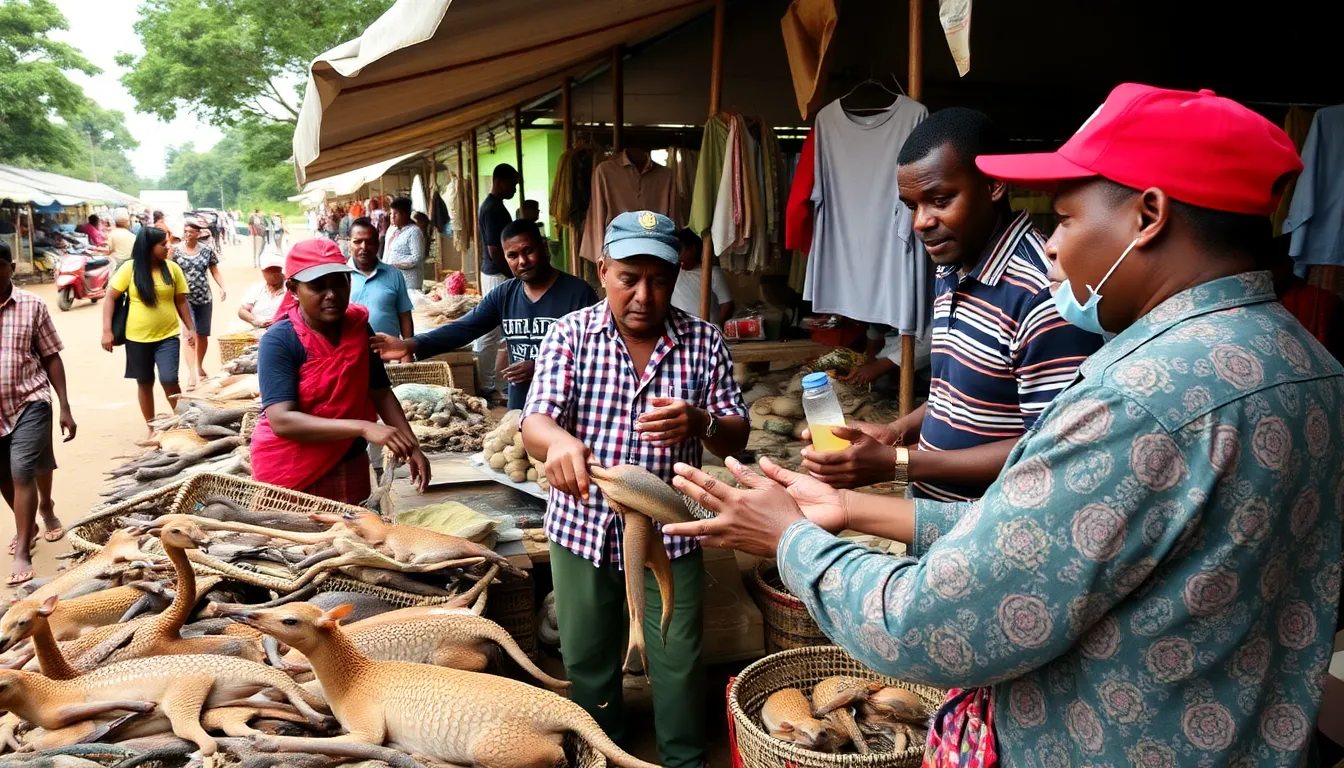
Frequently asked questions about wildlife trade and disease
Key insights and future outlook on wildlife trade and health
The interplay between global wildlife trade and emerging infectious diseases underscores a critical public health challenge. As human activities encroach upon natural habitats, the risk of zoonotic diseasesthose transmitted from animals to humansgrows significantly. This relationship highlights the need for comprehensive strategies that not only address wildlife trade regulations but also enhance surveillance and response systems to mitigate future outbreaks.
Looking ahead, it is essential for policymakers, conservationists, and health professionals to collaborate closely. By fostering a multi-disciplinary approach, they can develop effective frameworks that balance wildlife conservation with public health imperatives. Addressing the root causes of wildlife trade and its implications for disease spread will be pivotal in safeguarding both biodiversity and human health.
- Strengthening international regulations on wildlife trade to minimize the risk of disease transmission.
- Enhancing surveillance systems for early detection of zoonotic diseases in wildlife populations.
- Promoting public awareness campaigns about the risks associated with wildlife consumption and trade.
- Encouraging sustainable practices that protect natural habitats and reduce human-wildlife interactions.
- Fostering collaboration between health, environmental, and wildlife sectors for integrated disease management.