


In recent weeks, several artists have released original Christmas songs, hoping to capture the festive spirit and resonate with listeners. Notably, the release dates of these tracks are strategically planned to coincide with the peak shopping period, which typically begins in late November and culminates in the week leading up to Christmas. This timing is crucial as it maximizes exposure and streaming potential, similar to the approach seen in BigXthaPlug’s journey to stardom.
The influence of social media and streaming platforms cannot be underestimated in this year’s chart battle. Many artists are utilizing platforms like TikTok and Instagram to promote their new holiday songs, aiming to create viral moments that can boost their visibility. This trend reflects a shift in how music is marketed and consumed, particularly among younger audiences who are increasingly turning to digital platforms for their holiday playlists.
As of mid-December, early predictions suggest that the battle for the top spot will be closely contested. Industry analysts are keeping a close eye on streaming numbers and sales data, which will ultimately determine who claims the title of Christmas number one. The outcome could have significant implications for artists’ careers, as a number one hit can enhance visibility and lead to increased sales and streaming opportunities in the following year, especially when considering how current music trends unfold.
The Historical Significance of Christmas Number One Hits
The tradition of the Christmas number one in the UK charts has become a cultural phenomenon, signifying not just commercial success but also a marker of the holiday spirit. Since the inception of the UK Singles Chart in 1952, the race for the coveted Christmas number one spot has captivated the public, with many artists vying for the title during the festive season. This competition has evolved into a showcase of both musical talent and marketing prowess, reflecting broader social trends and shifts in consumer behavior.

Historically, the Christmas number one has been associated with popular songs that resonate with the themes of joy, togetherness, and nostalgia. Iconic tracks such as “Do They Know It’s Christmas?” by Band Aid and “Last Christmas” by Wham! have not only topped the charts but also left a lasting impact on the cultural landscape. These songs often encapsulate the spirit of the times, addressing social issues or celebrating community, which has helped solidify their place in holiday traditions, much like the impact of transformative cultural shifts we see today.
The Impact of Social Media and Streaming
In recent years, the way audiences consume music has drastically changed, with the rise of streaming platforms and social media reshaping the music industry. The accessibility of digital music has opened new avenues for artists to reach audiences, making it easier for songs to go viral. This shift has led to a more unpredictable landscape for the Christmas number one, as new contenders can emerge rapidly, challenging long-standing favorites. The phenomenon of “Wham-ageddon,” where listeners attempt to avoid hearing “Last Christmas” until Christmas Day, highlights the interplay between nostalgia and contemporary listening habits.
As we approach the festive season, the question arises: can a new song truly challenge the dominance of established Christmas classics? The answer lies in understanding the evolving dynamics of the music industry, where marketing strategies, audience engagement, and cultural relevance play crucial roles. The outcome of this year’s Christmas number one race could redefine what it means to be a holiday hit in the modern age.
Key Stakeholders and Their Influence on Chart Success
In the quest for the coveted Christmas number one spot in the UK charts, various stakeholders play pivotal roles. These include artists, record labels, streaming platforms, and fans, each with distinct interests that shape the landscape of music consumption during the festive season.
Artists, such as the members of Wham!, have a vested interest in achieving chart success, as it not only boosts their visibility but also enhances their legacy. For a new song to compete effectively, it must resonate with listeners and evoke a sense of nostalgia, especially during the holiday season. The emotional connection that fans have with established songs like “Last Christmas” can create a challenge for new entries.

Record labels are another critical player in this dynamic. They invest resources in marketing campaigns and promotional strategies to ensure their artists receive maximum exposure. This often involves collaborations with streaming services and radio stations to secure playlist placements and airplay, which are essential for driving sales and streams. The financial stakes are high, as chart success can lead to increased revenue through sales, merchandise, and concert ticket sales.
Streaming platforms like Spotify and Apple Music also hold significant influence over which songs gain traction. Their algorithms and curated playlists can propel a new release into the spotlight, making it crucial for record labels to negotiate favorable terms and placements. However, the competition among various platforms can lead to conflicts over rights and royalties, creating a complex web of economic interests.
- Artists aim for chart success to enhance visibility and legacy.
- Record labels invest heavily in marketing to promote new releases.
- Streaming platforms control access to audiences through algorithms.
- Fans’ nostalgia can impact the reception of new songs versus classics.
- Conflicts may arise over royalties and rights among stakeholders.
Who Benefits from a New Christmas Hit?
The release of a new Christmas song, such as in the case of ‘Wham-ageddon’, can have a ripple effect across various groups and industries. Musicians, record labels, and streaming platforms stand to gain significantly from a fresh holiday hit. The music industry thrives on seasonal hits, which can lead to increased sales and streaming revenue, especially during the peak holiday shopping season.
Retailers also experience a boost as new Christmas songs can enhance the shopping atmosphere, encouraging consumers to spend more. Stores often play holiday music to create a festive environment, and a popular new track can draw customers in, leading to higher foot traffic and sales. This impact can be particularly noticeable in regions heavily focused on holiday shopping, such as urban centers and popular tourist destinations.
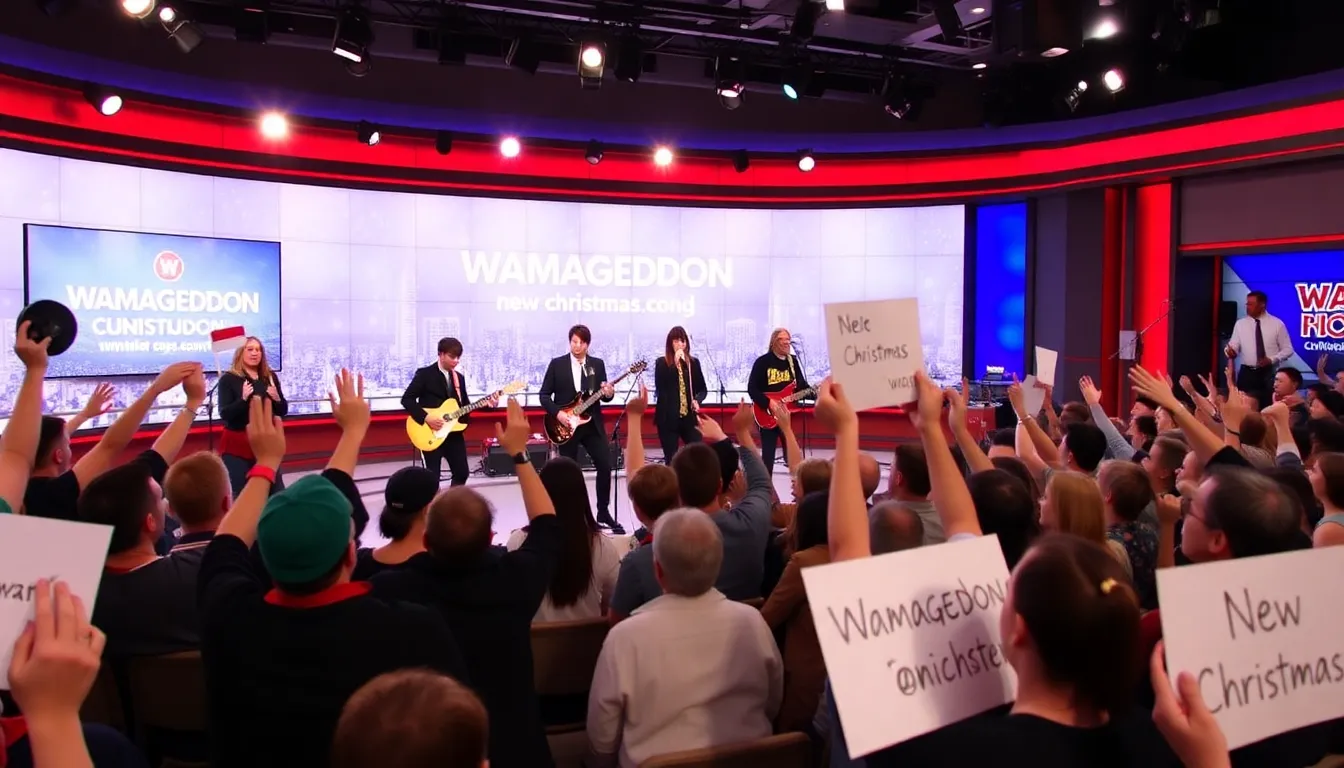
Moreover, the short-term effects of a new Christmas hit can extend to social media and marketing campaigns. Brands may leverage the popularity of the song for promotional purposes, creating advertisements that feature the track to resonate with consumers. This can lead to increased brand engagement and sales during the holiday season.
- Musicians and Record Labels: Increased revenue from sales and streaming.
- Retailers: Higher foot traffic and sales during the holiday season.
- Brands: Enhanced marketing opportunities and consumer engagement.
In the mid-term, the impact of a new Christmas song can influence future music trends and holiday traditions. If a song gains significant traction, it could become a staple in holiday playlists for years to come, shaping how consumers celebrate the season. However, there are risks involved; if the song fails to resonate with audiences, it could lead to wasted marketing efforts and decreased sales for associated products.
A: Wham-ageddon refers to the phenomenon of avoiding the song ‘Last Christmas’ by Wham! during the holiday season. It’s a fun challenge for many music fans. A: Yes, new songs can compete, but they often face tough competition from established classics that dominate the charts every year. A: The Christmas number one is determined by sales and streaming data, which are compiled weekly by chart organizations. A: Social media plays a significant role in promoting new songs and can rapidly increase their visibility and popularity during the holiday season. A: Yes, in recent years, several new songs have successfully entered the Christmas charts, showing that there is still room for fresh music.
Frequently Asked Questions About Christmas Music Charts
Looking Ahead: The Future of Christmas Music Hits
The landscape of Christmas music is evolving, with new contenders vying for the coveted number one spot each year. As the digital age reshapes how we consume music, the potential for a fresh holiday anthem like ‘Wham-ageddon’ to capture the public’s imagination is more pronounced than ever. This shift not only reflects changing consumer preferences but also highlights the impact of social media and streaming platforms in propelling songs to seasonal success.
As we look forward, the dynamics surrounding holiday music will likely continue to shift. Artists and marketers must consider innovative strategies to engage listeners and create memorable experiences that resonate during this festive season. The interplay between nostalgia and modern trends will be crucial in determining which songs rise to prominence.
- Monitor streaming trends: Keep an eye on how new releases perform on platforms like Spotify and Apple Music, as these metrics can indicate emerging favorites.
- Engagement through social media: Watch for viral trends that can elevate a song’s visibility and popularity, particularly during the holiday season.
- Collaboration opportunities: Artists may benefit from partnering with well-known figures or influencers to broaden their reach and appeal.
- Emotional connection: Songs that evoke nostalgia or capture the spirit of the season are more likely to resonate with audiences, making emotional storytelling essential.
- Shifts in consumer behavior: Pay attention to how changing consumer habits, such as increased online shopping and streaming, influence music consumption during the holidays.