


Recent statistics show that illegal dumping incidents have surged by approximately 30% since 2020, prompting urgent action from local governments. In many areas, the costs associated with cleanup and environmental restoration are straining municipal budgets. The heightened awareness of these issues has led to increased public pressure on officials to implement stricter regulations, especially considering the long-term impact on public health.
The Environment Agency, along with various local councils, is set to introduce new licensing measures aimed at waste carriers by early 2024. These measures will require waste carriers to provide more detailed documentation regarding the types of waste they handle and their disposal methods. The goal is to create a more accountable waste management system that discourages illegal dumping practices.
In addition to stricter licensing, authorities are also planning to enhance monitoring and enforcement efforts. This includes the potential use of surveillance technology in known dumping hotspots to deter illegal activities. By addressing the root causes of illegal dumping, officials hope to foster a cleaner and safer environment for all residents.
Background on waste management regulations
Waste management has been a critical issue for decades, particularly as urbanization and industrialization have accelerated. Historically, the lack of effective regulations led to widespread illegal dumping, which not only posed environmental hazards but also threatened public health. As communities began to recognize the implications of improper waste disposal, governments started to implement stricter waste management policies.

In the early 2000s, many countries began to establish waste carrier licensing systems aimed at regulating the transportation and disposal of waste. These systems were designed to ensure that only qualified operators could handle waste, thereby reducing the incidence of illegal dumping. However, as demand for waste disposal services grew, so did the number of unlicensed operators, leading to a resurgence in illegal dumping activities.
Key milestones in waste regulation
One significant milestone occurred in 2014 when several municipalities reported a spike in illegal dumping incidents, prompting legislative bodies to take action. This led to the introduction of more stringent licensing requirements, including background checks and proof of proper disposal facilities. Despite these efforts, enforcement remained a challenge, with many illegal operators continuing to evade regulations.
In recent years, public awareness campaigns and community initiatives have further highlighted the importance of responsible waste management. These efforts have encouraged local governments to revisit and tighten existing regulations. As part of a broader crackdown on illegal dumping, new proposals are now being discussed to enhance waste carrier licensing, aiming to create a more accountable and transparent waste management system.
The economic impact of illegal dumping has also been significant, resulting in increased cleanup costs for municipalities and environmental damage that can take years to remediate. As a result, tightening waste carrier licenses is seen not only as a regulatory measure but also as a necessary step towards sustainable waste management practices that protect both the environment and public health.
Key stakeholders and issues surrounding waste carrier licences
The tightening of waste carrier licences is a significant move aimed at curbing illegal dumping, which has become a pressing environmental issue. Various stakeholders are involved in this initiative, each with distinct interests and concerns. These stakeholders include government agencies, waste management companies, environmental groups, and local communities.

Government agencies, such as environmental protection departments, are primarily focused on enforcing regulations to reduce illegal dumping and enhance public health and safety. Their interest lies in creating a more robust regulatory framework that ensures compliance among waste carriers. Conversely, waste management companies may view these new regulations as a potential burden, as they could increase operational costs and complicate compliance processes.
Environmental groups are advocating for stricter regulations to protect ecosystems and promote sustainable waste management practices. They argue that illegal dumping not only harms the environment but also undermines legitimate waste management businesses. Local communities, often directly affected by illegal dumping, have a vested interest in seeing these regulations enforced, as they seek cleaner, safer living conditions.
- Increased compliance costs: Waste carriers may face higher fees and administrative burdens, impacting their profitability.
- Environmental protection: Stricter regulations could lead to improved waste management practices and reduced environmental harm.
- Public health concerns: Illegal dumping poses risks to community health, necessitating stronger enforcement measures.
- Economic implications: Changes in waste management regulations could affect local economies, especially for small businesses.
- Community engagement: Local residents may play a role in monitoring compliance and advocating for better waste management solutions.
As these stakeholders navigate their interests, conflicts may arise, particularly between regulatory bodies and waste management companies. The challenge lies in balancing the need for effective enforcement against the potential economic impact on businesses. Additionally, the role of local communities in reporting illegal dumping and holding waste carriers accountable could be pivotal in shaping the outcomes of this regulatory shift.
Impact on waste management companies and the environment
The tightening of waste carrier licenses is set to significantly affect various stakeholders in the waste management sector. Waste management companies, particularly those operating in regions with high rates of illegal dumping, will face increased regulatory scrutiny. This change is aimed at ensuring that only responsible and compliant operators are permitted to handle waste, which may lead to a consolidation in the industry.
In the short term, businesses may experience disruptions as they adjust to the new licensing requirements. Companies that fail to meet the stricter standards could face penalties or be forced to halt operations. This could lead to temporary job losses and reduced service availability in certain areas, particularly in rural regions where waste management services are already limited.
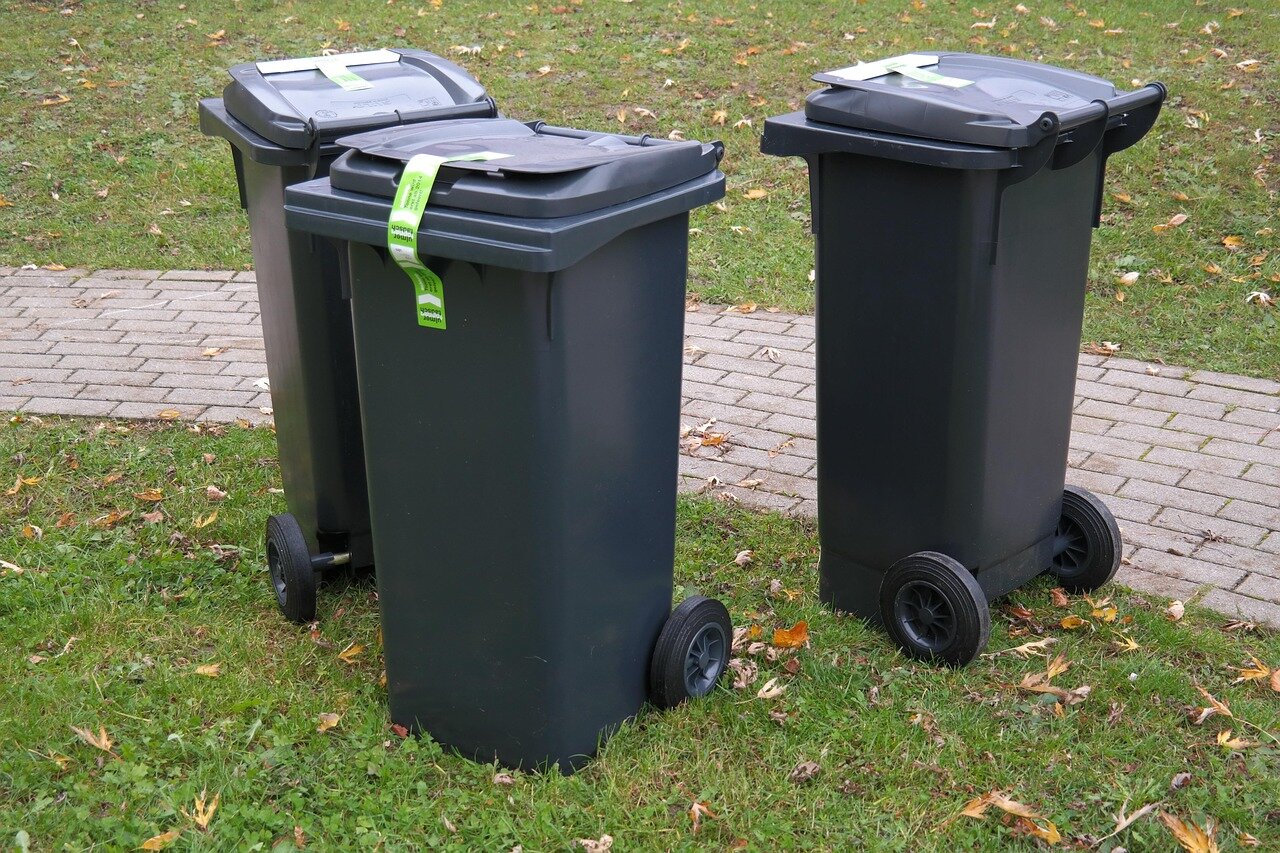
Mid-term impacts may include a shift in consumer behavior as residents become more aware of the importance of proper waste disposal. This could lead to increased demand for certified waste carriers who comply with the new regulations, presenting opportunities for businesses that invest in compliance and sustainable practices. Additionally, local governments may see a reduction in illegal dumping incidents, leading to cleaner neighborhoods and improved public health.
- Increased compliance costs for waste management companies.
- Potential job losses in non-compliant companies.
- Greater public awareness of waste disposal issues.
- Opportunities for businesses that adapt to new regulations.
- Cleaner environments and improved community health.
While there are risks associated with these changes, such as potential disruptions in service and increased operational costs, the long-term benefits of a more regulated waste management industry could lead to a more sustainable future for communities and the environment. The focus on compliance may also encourage innovation in waste management practices, paving the way for new technologies and services that promote recycling and waste reduction.
A: The government is implementing stricter regulations for waste carrier licences to ensure compliance and reduce illegal dumping activities. A: Waste management companies may face increased operational costs due to the need for compliance with new licensing requirements. A: Penalties for illegal dumping can include hefty fines and potential imprisonment for repeat offenders. A: The public can report illegal dumping incidents to local authorities or through dedicated hotlines established for this purpose. A: The new regulations are expected to take effect within the next few months, following the completion of the legislative process.
Frequently asked questions about waste carrier licences
Future outlook on waste management regulations
The tightening of waste carrier licenses represents a significant shift in the approach to waste management and illegal dumping. This initiative aims to enhance accountability among waste carriers and deter unlawful disposal practices. As regulations become stricter, both waste management companies and individuals will need to adapt to new compliance standards, which could lead to a more sustainable waste management ecosystem.
Stakeholders should be prepared for increased scrutiny and potential changes in operational procedures. This regulatory evolution not only seeks to curb illegal dumping but also emphasizes the importance of responsible waste handling and environmental stewardship. As enforcement measures are implemented, the landscape of waste management will likely evolve, presenting both challenges and opportunities for industry players.
- Increased compliance costs for waste carriers may lead to higher service fees for consumers.
- Stricter licensing could reduce the number of illegal operators, improving overall waste management quality.
- Public awareness campaigns may be necessary to educate citizens on legal waste disposal options.
- Potential for technological advancements in tracking waste disposal practices as part of compliance measures.
- Collaboration between local authorities and waste management companies will be crucial for effective implementation and monitoring.