


The 37-year-old batsman has been a vital part of Australia’s batting lineup, known for his elegant stroke play and resilience at the crease. His contributions were particularly notable during the recent Ashes series, where he played a crucial role in securing victories against England, further solidifying his legacy in the sport. For more insights on the significance of such athletes, you might also be interested in reading about Meyer Gottlieb.
Khawaja’s retirement not only marks the end of an era for Australian cricket but also raises questions about the team’s future composition and leadership. As the team looks to rebuild and integrate younger players, Khawaja’s experience and mentorship will be sorely missed both on and off the field. This shift in dynamics can be likened to other transformative moments in sports, similar to the rivalries and rumours that often define team cultures.
This announcement has resonated with fans and cricket analysts alike, highlighting Khawaja’s impact on the game and his journey from a young talent to a seasoned veteran. As the cricket community reflects on his achievements, discussions about his potential future contributions to the sport, possibly in coaching or commentary roles, are already underway.
Understanding Khawaja’s journey in international cricket
Usman Khawaja’s announcement of his retirement from international cricket following the Ashes Test at the Sydney Cricket Ground (SCG) marks the end of a significant chapter in Australian cricket. Khawaja, born in Pakistan and moving to Australia at a young age, has been a trailblazer not only for his cricketing skills but also as one of the few Muslim cricketers to represent Australia at the highest level. His journey reflects the changing face of Australian cricket and the broader societal shifts regarding diversity and inclusion in sports.
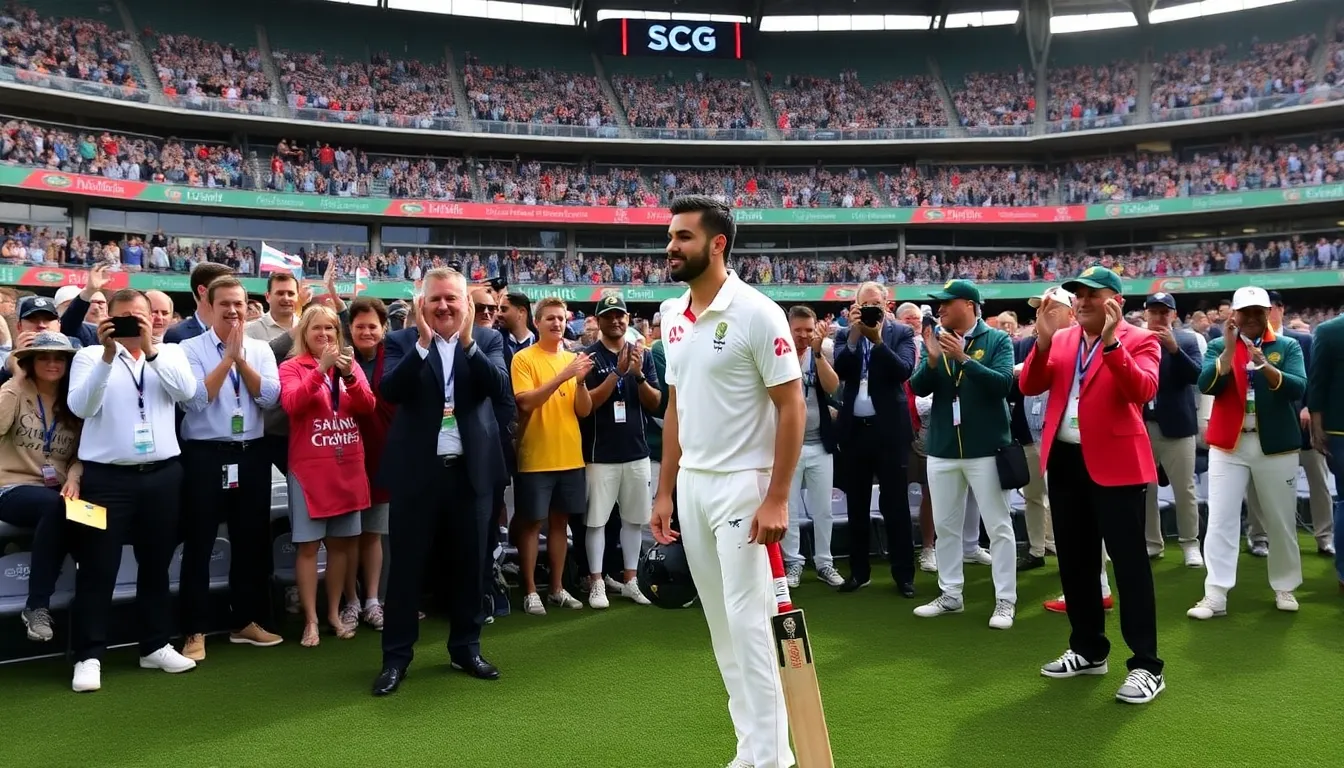
Debuting for Australia in 2011, Khawaja faced numerous challenges, including fluctuating form and fierce competition for places in the national team. His resilience was evident as he worked through periods of being dropped and recalled. This rollercoaster of a career saw him become a mainstay in the batting order, particularly in Test cricket, where he has been celebrated for his elegant stroke play and ability to handle pressure in critical situations.
Khawaja’s career milestones include becoming the first Australian of Pakistani descent to play Test cricket and scoring a memorable century in the 2019 Ashes series. His performances not only contributed to the team’s successes but also inspired a generation of young cricketers from diverse backgrounds. The significance of his achievements extends beyond numbers; they symbolize the evolving narrative of Australian identity in sports.
The impact of Khawaja’s retirement
As Khawaja steps away from international cricket, the implications resonate throughout the cricketing community. His departure opens up discussions about the future of Australian cricket, particularly regarding player diversity and the pathways available for aspiring cricketers from multicultural backgrounds. Furthermore, it emphasizes the importance of mentorship roles that seasoned players like Khawaja can provide to the next generation, ensuring that the sport continues to grow and adapt in an increasingly globalized world. In discussions about player health, the ethical implications around cancer-causing genes also highlight the complexities athletes face beyond their on-field performance.
Key issues surrounding Khawaja’s impact on Australian cricket
Usman Khawaja’s retirement from international cricket marks a significant moment in Australian sports history. As a seasoned player, his departure raises questions about the future of the national team and the direction of Australian cricket. Various stakeholders, including cricket boards, players, and fans, have vested interests in how this transition unfolds.
The Australian Cricket Board is keen to maintain a competitive edge in international cricket. Khawaja’s experience and performances have been instrumental in recent series, and his absence could create a gap in the batting lineup. The board must now consider how to replace his contributions while also fostering new talent.
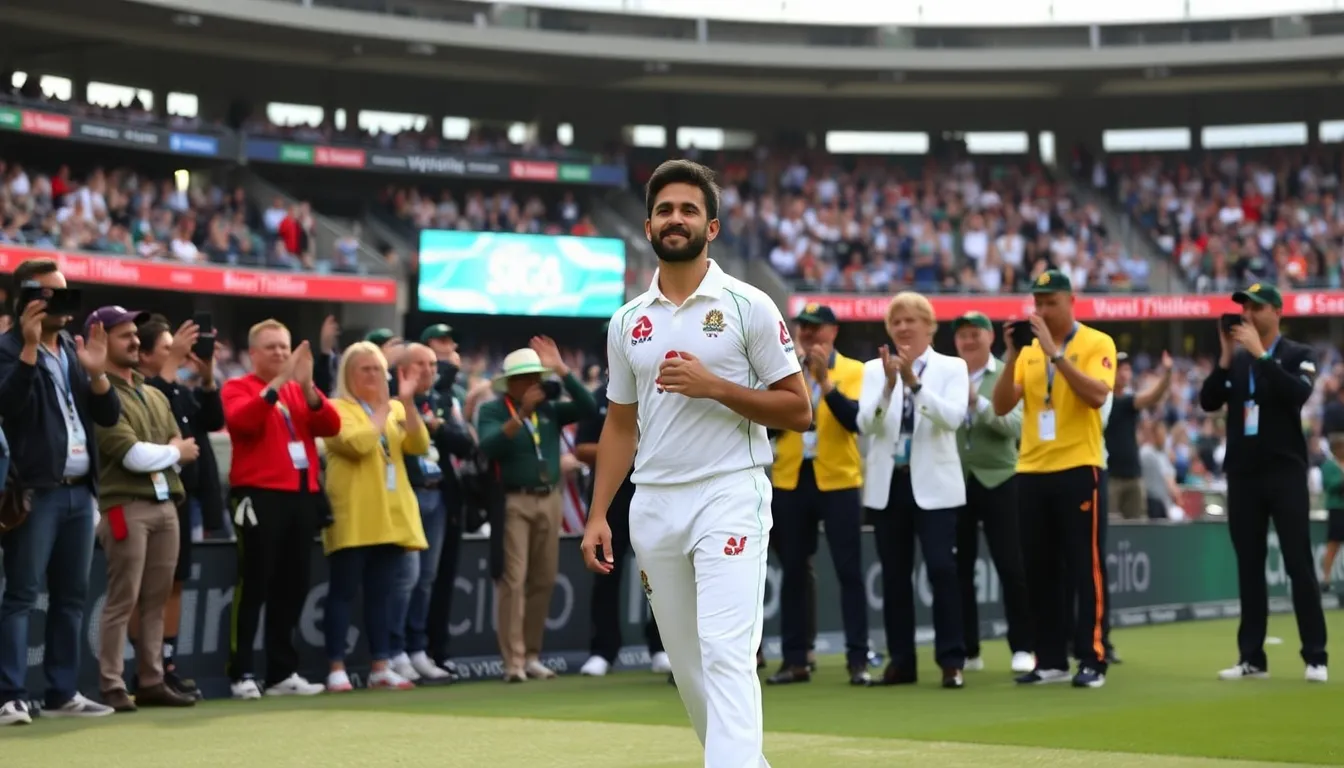
Players within the squad are also impacted by Khawaja’s retirement. Emerging cricketers may see this as an opportunity to step up, but they also face the pressure of filling the shoes of a well-respected veteran. The dynamics within the team could shift, leading to both challenges and opportunities as younger players adjust to the demands of international cricket.
Fans of Australian cricket have a strong emotional connection to Khawaja, who has been a symbol of resilience and talent. His retirement evokes mixed feelings, as supporters reflect on his contributions and what lies ahead for the team. The fanbase’s expectations will play a crucial role in shaping the narrative of Australian cricket in the coming years.
- Transition of leadership: Khawaja’s exit may lead to a shift in team dynamics and leadership roles.
- Development of new talent: The opportunity for younger players to emerge and prove themselves is critical.
- Fan engagement: Maintaining fan support during this transition will be essential for the board.
- Performance pressure: The new lineup will face heightened scrutiny as they strive to uphold the team’s legacy.
The implications of Khawaja’s retirement for the cricket community
Usman Khawaja’s announcement of his retirement from international cricket marks a significant moment for the cricket community, particularly in Australia. His departure affects various groups, including fans, fellow players, and cricketing institutions. As a prominent figure in Australian cricket, Khawaja’s influence extends beyond the pitch, impacting aspiring cricketers and the broader sports culture.
In the short term, Khawaja’s retirement may lead to a shift in team dynamics as selectors look for new talent to fill his role. This could create opportunities for younger players to step up and showcase their skills in international matches. However, it may also pose challenges for the Australian team as they adjust to the absence of a seasoned player known for his leadership and experience.
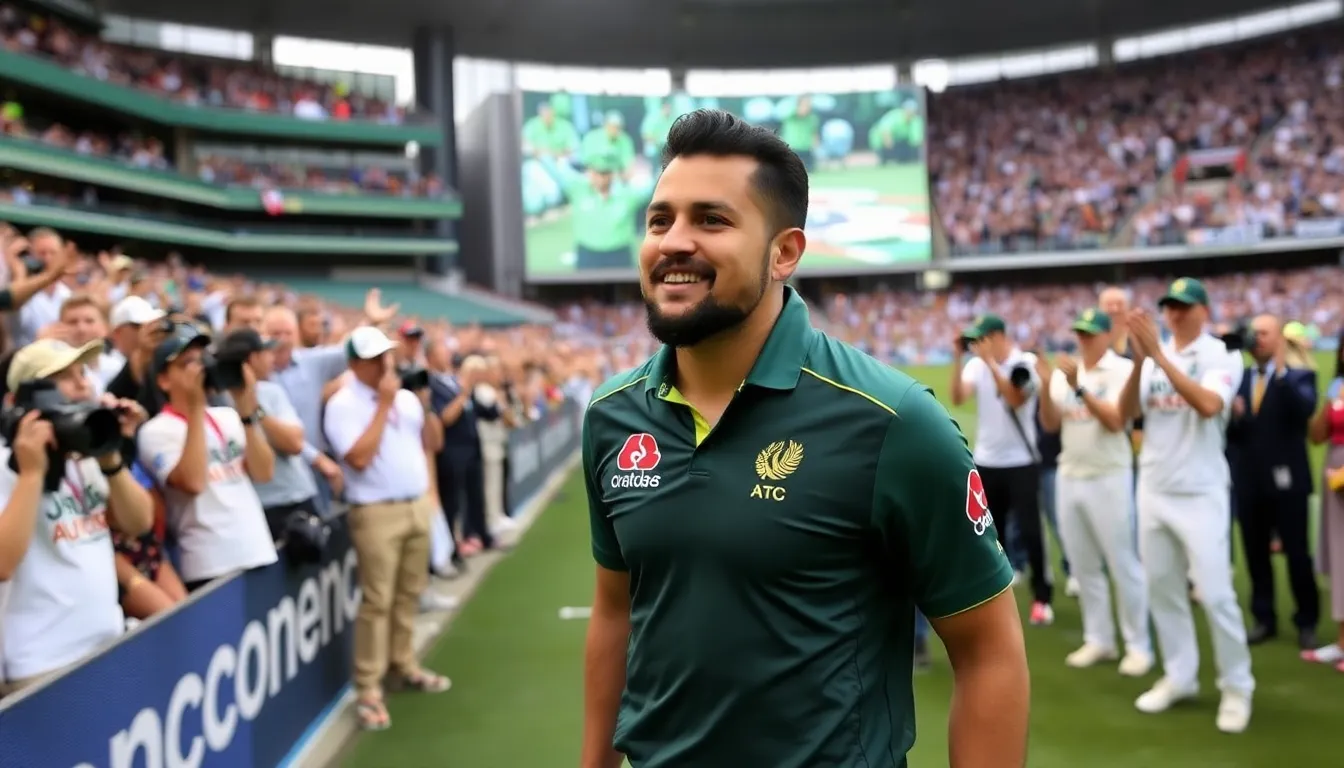
The mid-term impacts could resonate across various sectors, including sports marketing and merchandise. With Khawaja’s retirement, brands associated with him may need to recalibrate their marketing strategies, potentially affecting sponsorship deals and promotional campaigns. Conversely, this transition may open doors for new endorsements for emerging players, shifting the spotlight onto the next generation of cricketers.
- Short-term impacts: Team restructuring and opportunities for younger players.
- Mid-term impacts: Changes in sponsorship dynamics and marketing strategies.
- Potential risks: Loss of experienced leadership and potential decline in team performance.
- Potential opportunities: Emergence of new talent and revitalization of fan engagement.
Overall, Khawaja’s retirement will undoubtedly reshape the landscape of Australian cricket, prompting both challenges and opportunities for various stakeholders involved in the sport.
A: Usman Khawaja announced his retirement to focus on his personal life and to make way for younger players in the Australian cricket team. A: Khawaja made his retirement announcement after the final match of the SCG Ashes Test. A: Khawaja’s career highlights include multiple centuries in Test matches and being a key player in Australia’s batting lineup. A: Khawaja’s retirement may lead to a shift in team dynamics as younger players step up to fill his role. A: Fans have expressed mixed emotions, celebrating his contributions while also feeling sadness over his departure.
Frequently asked questions about Usman Khawaja’s retirement
Key takeaways and future outlook after Khawaja’s retirement
Usman Khawaja’s announcement to retire from international cricket marks the end of a significant chapter in Australian cricket. His contributions on and off the field have left an indelible mark, and his departure opens up new opportunities for emerging players. As the team looks to the future, it will be essential to assess how this transition impacts team dynamics and performance.
With Khawaja’s retirement, selectors will be tasked with identifying and nurturing the next generation of talent. The focus will shift to younger players who can fill the void left by his experience and skill. Additionally, this change may influence the team’s strategy in upcoming series, as they adapt to a new lineup and seek to maintain their competitive edge.
- Watch for the emergence of young batsmen who may step into Khawaja’s role, potentially reshaping the batting order.
- Expect a renewed focus on team cohesion and mentorship as experienced players guide newcomers through the transition.
- Anticipate changes in team strategy and selection criteria as the coaching staff evaluates the future direction of the squad.
- Monitor public and media reactions to Khawaja’s legacy, which may influence how future players are viewed in the context of Australian cricket history.
- Consider the potential impact on the upcoming Ashes series, as the team adapts to the absence of a seasoned campaigner in the lineup.