


Key figures in this movement include influential evangelical leaders and conservative politicians who advocate for the therapeutic potential of psychedelics. For instance, in 2021, the state of Oregon became the first in the U.S. to legalize psilocybin therapy, paving the way for similar discussions in other states. These developments reflect a broader trend where the stigma surrounding psychedelics is being challenged by narratives emphasizing personal healing and community restoration. For more on the changing perceptions of psychedelics, see our article on decriminalization efforts.
Organizations such as the Conservative Psychedelic Coalition have emerged, promoting research and dialogue about the benefits of psychedelics. Their efforts have gained traction among constituents who seek alternatives to conventional medicine, particularly in addressing issues like depression, anxiety, and PTSD. This coalition highlights the intersection of faith and science, arguing that responsible use of psychedelics can align with Christian values of compassion and healing.
As this movement continues to grow, it raises important questions about the future of drug policy and its implications for public health. The increasing acceptance of psychedelics among these traditionally conservative groups suggests a potential re-evaluation of drug laws and societal norms. This evolving landscape may influence not only local policies but also national conversations around mental health and wellness in America.
Historical perspective on psychedelics and their cultural stigma
The use of psychedelic substances dates back thousands of years, with indigenous cultures utilizing plants like peyote and psilocybin mushrooms for spiritual and healing purposes. However, in the mid-20th century, the perception of these substances began to shift dramatically. The counterculture movement of the 1960s embraced psychedelics as tools for personal and societal transformation, leading to a cultural revolution that challenged established norms.
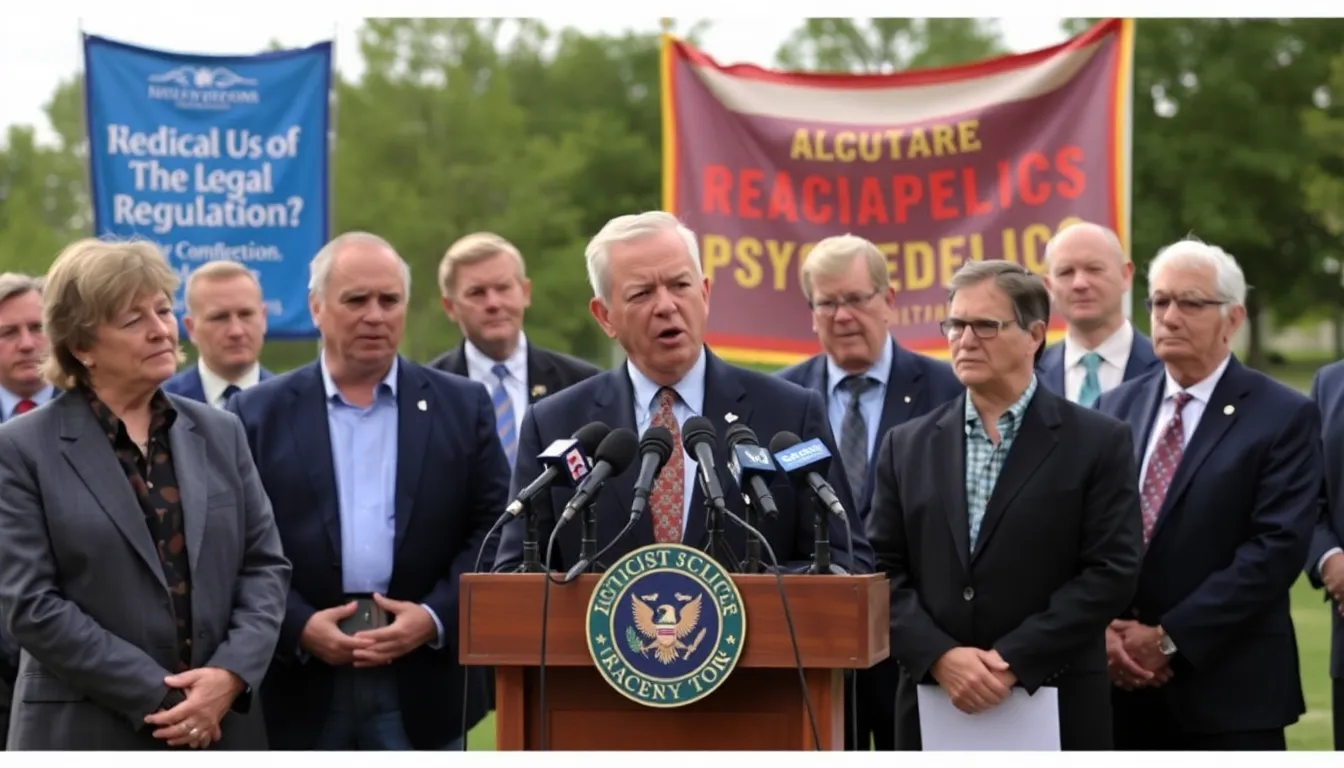
As the popularity of psychedelics grew, so did the backlash from conservative political factions. By the late 1960s, the U.S. government responded to the rising use of these substances by implementing strict regulations, culminating in the Controlled Substances Act of 1970, which classified many psychedelics as Schedule I drugs. This designation not only criminalized their use but also stigmatized them as dangerous and without medical value, effectively sidelining any potential therapeutic benefits. To understand the implications of these historical changes, check our insights on potential challengers to social norms.
The resurgence of interest in psychedelics
In recent years, there has been a notable resurgence of interest in psychedelics, driven by new research highlighting their potential therapeutic applications in treating mental health disorders such as PTSD, depression, and anxiety. This renewed focus has prompted a reevaluation of the historical stigma surrounding these substances, as more individuals and organizations advocate for their decriminalization and medical use.
Interestingly, this movement has gained traction among some conservative and Christian groups, who see psychedelics not only as potential medical solutions but also as tools for personal and spiritual growth. This shift reflects a broader cultural transformation, where the intersection of traditional conservative values with progressive approaches to mental health and spirituality is becoming more common.
Key milestones in this evolving narrative include the establishment of research institutions dedicated to studying psychedelics, such as the Multidisciplinary Association for Psychedelic Studies (MAPS), and the passage of legislation in several states that decriminalizes or legalizes the use of certain psychedelics. These developments signal a significant change in the discourse surrounding psychedelics, suggesting a future where these substances may be embraced across a diverse range of ideological perspectives.
Key stakeholders and the motivations behind this shift
The evolving landscape of psychedelic drug advocacy in the United States has brought together a diverse array of stakeholders, each with their own motivations and interests. Among the most prominent actors are conservative political leaders, Christian organizations, and various advocacy groups focused on drug policy reform. This coalition is reshaping the narrative around psychedelics, often framing them as tools for mental health and personal growth. For a broader look at societal responses, you might find our piece on mental health initiatives enlightening.
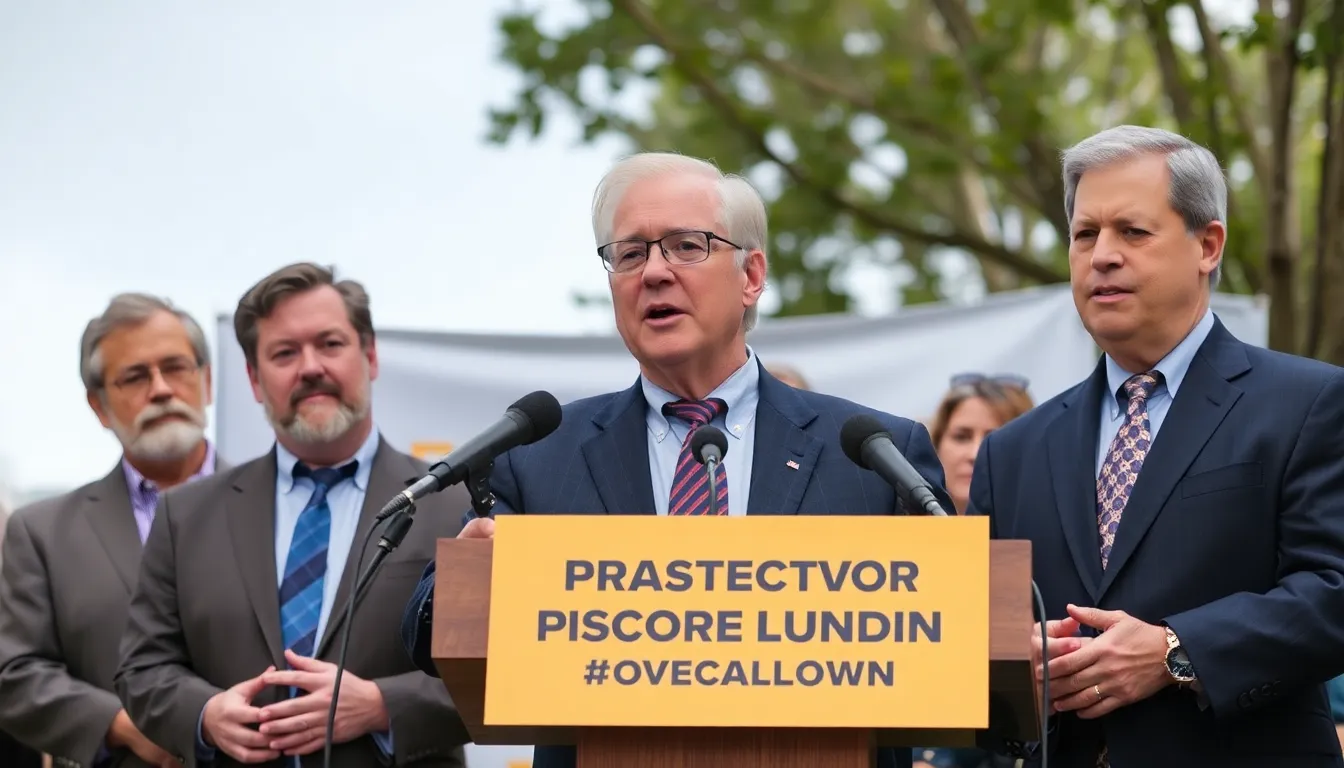
Conservative politicians, traditionally opposed to drug liberalization, are increasingly recognizing the potential benefits of psychedelics in addressing mental health crises, such as PTSD and depression. This shift is partly motivated by a desire to appeal to a broader voter base that includes individuals seeking alternative therapies. Furthermore, some conservatives view the promotion of psychedelics as a means to reduce the stigma associated with mental health issues, aligning with their values of personal responsibility and well-being.
Christian organizations are also playing a significant role in this movement. Many are advocating for the therapeutic use of psychedelics, citing their potential to facilitate spiritual experiences and enhance personal faith. This perspective can create a unique intersection between traditional conservative values and progressive drug policy, fostering a dialogue that may have previously seemed unlikely. However, this alliance is not without its conflicts, as some religious groups remain staunchly opposed to any form of drug use.
- Legal issues surrounding the decriminalization and regulation of psychedelics pose significant challenges, as federal laws still classify many of these substances as illegal.
- The economic implications of a legal psychedelic market could be substantial, affecting healthcare, law enforcement, and local economies.
- Conflicts between traditional conservative views on drug use and the emerging support for psychedelics could lead to divisions within the Republican Party.
- Public perception and acceptance of psychedelics are crucial, as ongoing stigma may hinder broader adoption and policy changes.
As this coalition continues to evolve, the interplay between these stakeholders will shape the future of psychedelic drug policy in the United States. Understanding their motivations and the potential conflicts that arise will be essential for navigating this complex landscape.
Potential effects on public policy and healthcare
The recent support for psychedelic drugs from conservative and Christian groups marks a significant shift in the political landscape of the United States. This movement primarily affects various demographics, including patients seeking alternative treatments, healthcare providers, and policymakers. Regions with a history of conservative values may experience the most pronounced changes as these groups advocate for broader access to psychedelic therapy.
In the short term, businesses in the healthcare and wellness industries may see increased investment and interest in psychedelic research and development. Companies focused on mental health treatments could benefit from potential partnerships with conservative organizations advocating for policy change. Additionally, the tourism industry may find opportunities in regions that establish themselves as centers for psychedelic therapy, attracting individuals seeking these treatments.
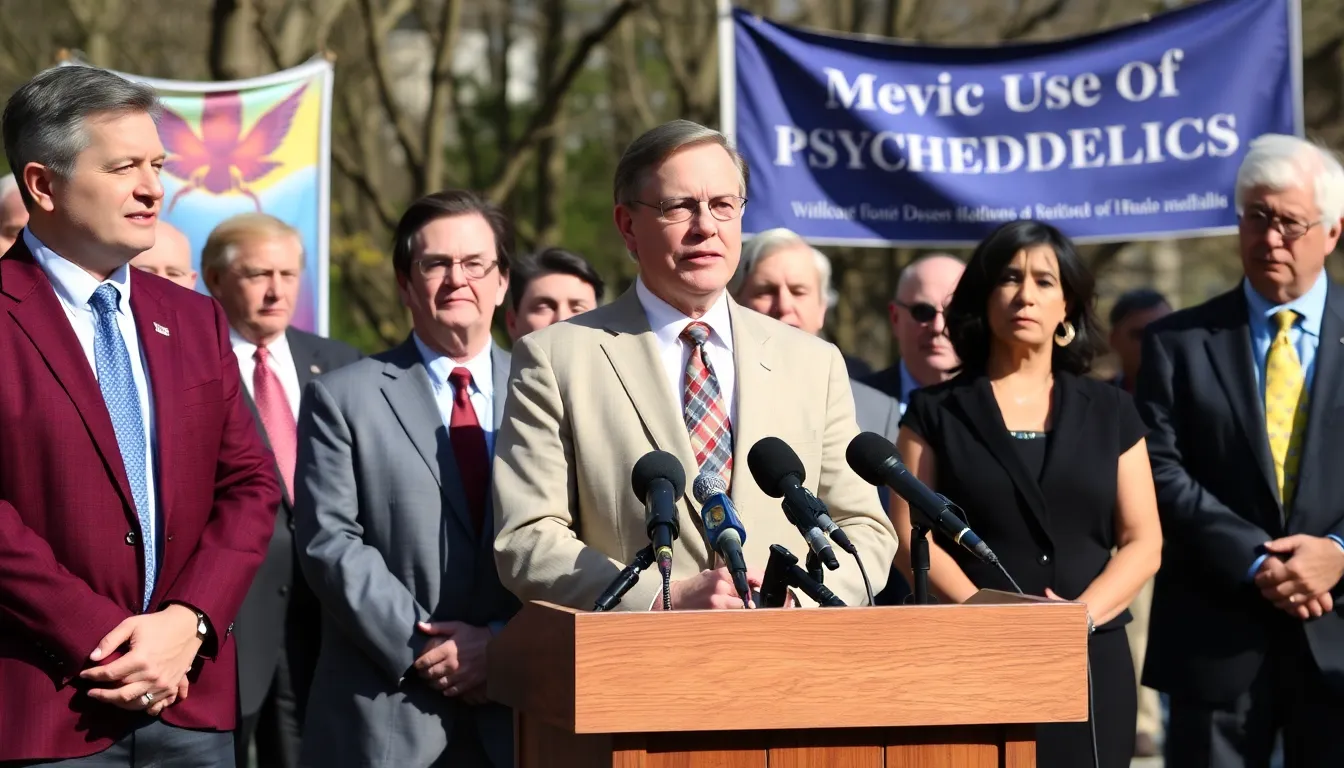
However, the push for legalization and acceptance of psychedelics also carries risks. There may be backlash from traditional conservative factions who oppose drug use, potentially leading to political fragmentation. Furthermore, public perception of psychedelics could fluctuate, impacting the willingness of healthcare providers to adopt these treatments. The regulatory landscape remains uncertain, which could deter investment in the sector.
- Increased access to alternative mental health treatments.
- Potential economic growth in healthcare and wellness sectors.
- Political challenges from opposing conservative factions.
- Shifts in public perception affecting healthcare provider adoption.
In the mid-term, if psychedelic therapies gain wider acceptance, we may see changes in healthcare policies that prioritize mental health and alternative treatments. This could lead to a re-evaluation of existing drug policies and a more significant focus on the therapeutic potential of psychedelics. The implications for insurance coverage and healthcare costs could also be profound, as new treatment modalities are integrated into existing systems.
A: Psychedelics are substances that alter perception and mood. They are often used in therapeutic settings for mental health treatment, but their recreational use has been controversial. A: Many are advocating for psychedelics as a means of healing and personal growth, aligning with their values of health and well-being. A: As acceptance grows, there may be changes in legislation regarding the use of psychedelics, potentially leading to decriminalization or medical legalization. A: Research suggests psychedelics can have positive effects on mental health conditions like depression and PTSD, though they also carry risks. A: Yes, while there are potential benefits, risks include psychological distress and the possibility of substance misuse.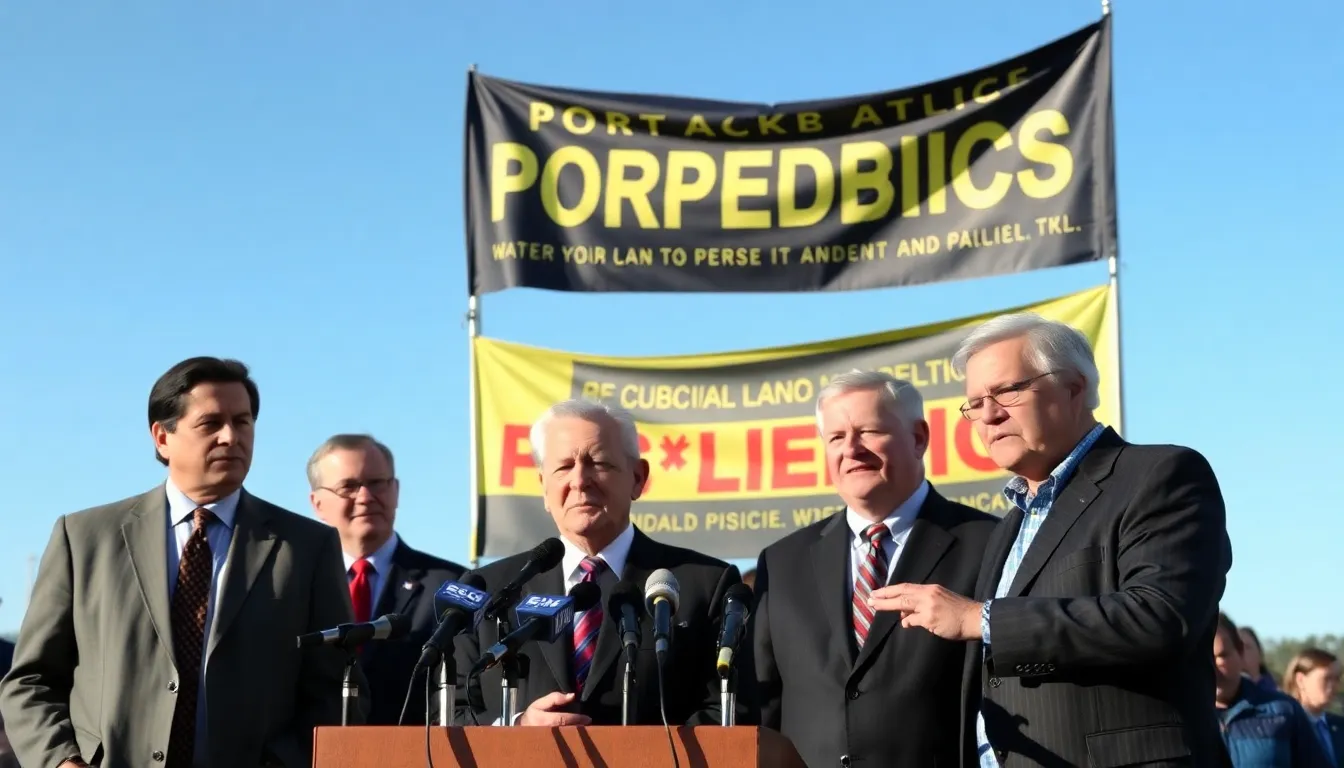
Common questions about psychedelics and their use
Future outlook on psychedelics in conservative circles
The increasing acceptance of psychedelic substances within conservative and Christian communities marks a significant shift in the political landscape surrounding drug policy. As these groups begin to explore the therapeutic benefits of psychedelics, it raises questions about the future of drug legislation and the potential for broader societal acceptance. This transition could lead to a reevaluation of longstanding stigmas associated with these substances, particularly in the context of mental health and personal freedom.
Moreover, the intersection of faith and science in this movement may foster new dialogues about the role of spirituality in healing. As conservative leaders champion these substances for their potential benefits, it is crucial to monitor how this will influence public perception, policy changes, and the overall discourse on drug reform in the United States.
- Watch for potential legislative changes that could emerge from conservative support for psychedelic therapy.
- Observe how the narrative around mental health evolves as faith-based groups advocate for psychedelic use.
- Consider the implications of this shift on the broader drug policy landscape and potential bipartisan support.
- Monitor the development of clinical studies and their impact on public opinion within conservative circles.
- Evaluate the role of community and church-based initiatives in promoting psychedelic therapy as a legitimate treatment option.