


Recent developments include a series of confrontations at sea, with U.S. naval forces conducting patrols to ensure freedom of navigation. In response, Iran has increased its military presence in the region, asserting its right to control the strait. Notable incidents include the seizure of oil tankers and confrontations between naval vessels, most recently reported in September 2023. For more on global security concerns related to this issue, see this article.
The geopolitical implications of these tensions are significant, as any disruption in the Strait of Hormuz could lead to spikes in global oil prices and impact international trade. The U.S. has emphasized its commitment to protecting maritime routes, while Iran views its actions as a necessary defense of its sovereignty and economic interests.

Diplomatic efforts to de-escalate the situation have so far been ineffective, with both sides remaining entrenched in their positions. As military assets continue to be deployed in the region, the potential for miscalculation and unintended escalation remains a pressing concern for global security.
Historical background of US-Iran relations
The relationship between the United States and Iran has been fraught with tension and conflict for more than seven decades. The roots of this discord can be traced back to the early 1950s when the CIA orchestrated a coup to overthrow Iran’s democratically elected Prime Minister Mohammad Mossadegh. This intervention was primarily motivated by the desire to maintain Western control over Iranian oil resources, leading to the establishment of the Shah’s authoritarian regime, which lasted until the Iranian Revolution in 1979.
The Iranian Revolution marked a significant turning point in US-Iran relations, as the overthrow of the Shah resulted in the establishment of an Islamic Republic under Ayatollah Khomeini. This new government was vehemently anti-American, viewing the US as a symbol of imperialism and interference in Iranian affairs. The subsequent hostage crisis, where 52 American diplomats and citizens were held captive for 444 days, further solidified animosity between the two nations and led to a complete severance of diplomatic ties.
Key Milestones in US-Iran Relations
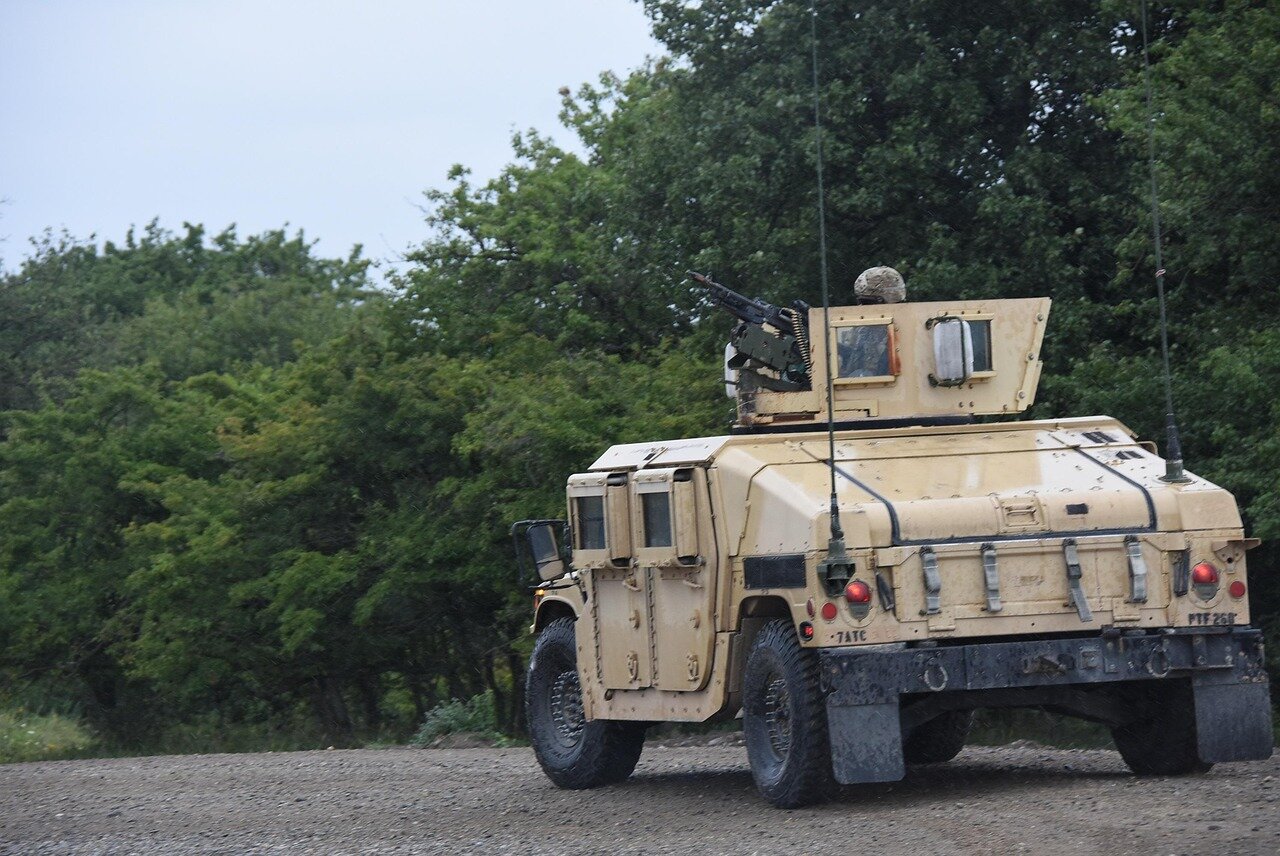
Over the years, several key events have shaped the ongoing conflict between the US and Iran. The Iran-Iraq War from 1980 to 1988 saw the US indirectly supporting Iraq, further straining relations. In the 1990s, Iran was designated as part of the “Axis of Evil” by President George W. Bush, which intensified hostilities. The 2015 nuclear deal, formally known as the Joint Comprehensive Plan of Action (JCPOA), offered a temporary thaw in relations but was ultimately abandoned by the US in 2018 under President Donald Trump, leading to renewed tensions and economic sanctions. Understanding the implications of these historic events is crucial for analyzing current geopolitical tensions.
The Strait of Hormuz, a critical chokepoint for global oil shipments, has become a flashpoint for military confrontations between the two nations. Iran’s strategic positioning in the region allows it to threaten the passage of oil tankers, a maneuver it has employed to exert pressure on the US and its allies. This ongoing struggle for control of the Strait is not just a matter of national pride but also a reflection of the broader geopolitical contest between the US and Iran, with implications for global energy security.
Key stakeholders and issues in the Strait of Hormuz
The Strait of Hormuz is a critical chokepoint for global oil transportation, making it a focal point of geopolitical tension. The main stakeholders in this region include the United States, Iran, and various international oil companies, alongside regional allies and adversaries. Each actor has distinct interests that often conflict with one another, leading to a complex web of issues that must be navigated.
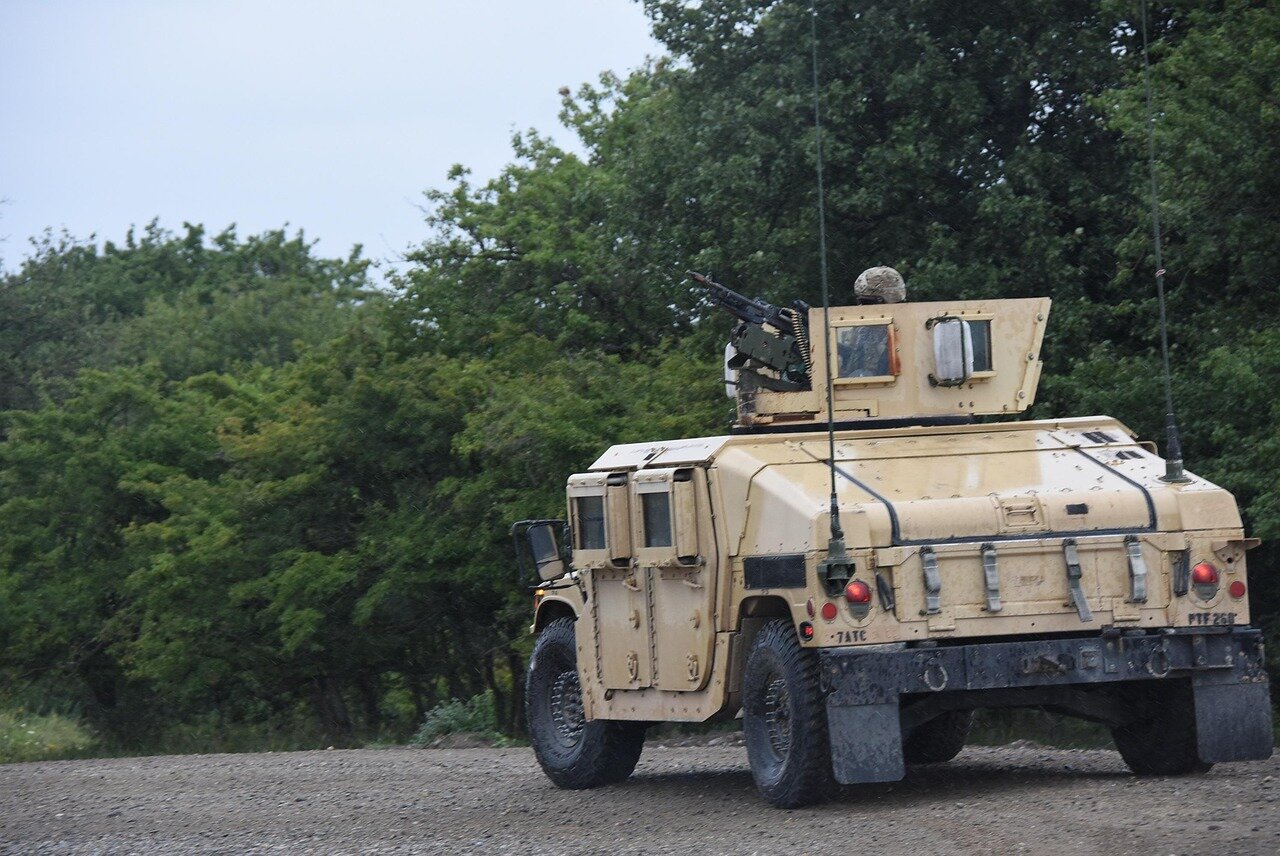
The United States aims to maintain freedom of navigation in the Strait and ensure the security of its allies in the region, particularly Saudi Arabia and the United Arab Emirates. The U.S. military presence serves as a deterrent against Iranian threats to close the strait, which could disrupt global oil supplies and significantly impact the world economy.
Iran, on the other hand, views the Strait of Hormuz as a vital national interest and a strategic asset. The Iranian government has threatened to block the strait in response to sanctions and military pressures from the U.S. and its allies. This creates a precarious situation where any military confrontation could escalate rapidly, affecting global shipping routes and oil prices.
- Economic Interests: The Strait of Hormuz is a key transit point for about 20% of the world’s oil supply, making its control essential for energy security.
- Legal Issues: International maritime law governs the rights of passage through the strait, but differing interpretations by Iran and the U.S. complicate enforcement.
- Regional Alliances: The involvement of Gulf Cooperation Council (GCC) states and other regional powers influences the dynamics of conflict and cooperation.
- Military Presence: The U.S. Navy’s presence in the region serves both as a protective measure for shipping and as a potential flashpoint for conflict with Iranian forces.
- Diplomatic Efforts: Ongoing negotiations and diplomatic efforts aim to de-escalate tensions, but mutual distrust remains a significant barrier.
In summary, the clash between the U.S. and Iran over the Strait of Hormuz is not merely a bilateral issue; it encompasses a broader spectrum of economic, legal, and geopolitical challenges that involve multiple stakeholders with competing interests. Understanding these dynamics is crucial for grasping the potential implications for global security and economic stability. The situation continues to evolve, highlighting the ongoing complexities and interconnections in international relations.
How the conflict affects global markets and regional stability
The ongoing clash between the US and Iran over the Strait of Hormuz has far-reaching implications for various groups, industries, and regions worldwide. As one of the most critical maritime chokepoints, the Strait of Hormuz is vital for the transportation of oil and gas. Any disruption in this area can significantly impact global energy markets and economic stability.
In the short term, businesses reliant on oil imports may experience increased costs due to potential supply disruptions. This can lead to higher prices at the pump for consumers and may also affect industries heavily dependent on oil, such as transportation and manufacturing. Additionally, regional economies in the Gulf Cooperation Council (GCC) countries could face instability, impacting tourism and foreign investment.
In the mid-term, geopolitical tensions may lead to shifts in energy policies and alliances. Countries may seek alternative energy sources or routes to reduce dependence on the Strait of Hormuz, fostering opportunities for renewable energy investments. However, the risk of military escalation remains a concern, which could deter investment and disrupt trade routes further.

- Energy Prices: Fluctuations in oil prices due to supply chain disruptions.
- Regional Economies: Potential downturns in tourism and investments in the GCC.
- Policy Shifts: Changes in energy policies as countries seek alternatives.
- Military Risks: Increased tensions may lead to conflict, affecting global stability.
- Investment Opportunities: Growth in renewable energy sectors as alternatives are explored.
Moreover, consumers may face a dual-edged sword; while short-term price hikes could strain budgets, the long-term shift towards renewable energy sources could lead to more sustainable energy solutions. As nations navigate these challenges, the balance between risk and opportunity will be crucial for economic recovery and stability in the region.
A: The Strait of Hormuz is a critical chokepoint through which about 20% of the world’s oil passes. Its control is vital for global energy security. A: The US aims to ensure free navigation and prevent Iranian influence, while Iran seeks to assert its dominance in the region and protect its interests. A: Both the US and Iran have increased military presence in the region, with the US conducting naval exercises and Iran threatening to block the strait. A: Any escalation in tensions can lead to uncertainty in oil supply, which typically drives up oil prices globally due to fears of disruptions. A: A military confrontation could lead to significant loss of life, regional instability, and a potential global economic crisis due to disrupted oil supplies.
Frequently asked questions about the US-Iran conflict
Future outlook on US-Iran relations and maritime security
The ongoing tensions between the United States and Iran, particularly surrounding the strategic Strait of Hormuz, highlight the delicate balance of power in the region. As both nations vie for influence, the implications for global oil markets and maritime security become increasingly significant. Monitoring developments in this area will be crucial for understanding future geopolitical dynamics.
In the coming months, the actions taken by both the US and Iran will shape not only their bilateral relations but also the broader security environment in the Middle East. Stakeholders should remain vigilant as shifts in military presence, diplomatic negotiations, and economic sanctions could redefine the landscape of maritime trade and security in this vital corridor.
- Watch for changes in US naval deployments in the Persian Gulf, which may signal shifts in military strategy or responses to Iranian actions.
- Monitor Iran’s responses to sanctions and international pressure, as these could influence its maritime operations and willingness to engage in negotiations.
- Consider the impact of global oil prices, which may fluctuate based on tensions in the Strait of Hormuz and the stability of shipping routes.
- Keep an eye on regional allies and their responses to US-Iran dynamics, as their involvement could complicate or mitigate tensions.
- Analyze potential diplomatic efforts aimed at de-escalation, which could reshape the future of US-Iran relations and enhance maritime security.