


This partnership is significant as it marks a shift towards international cooperation in addressing the challenges posed by melting Arctic ice and increasing maritime activity in the region.
The urgency behind this procurement stems from the growing geopolitical interest in the Arctic, where nations are competing for resources and shipping routes. The U.S. aims to bolster its presence and capabilities in the region, especially in light of Russia’s extensive icebreaker fleet and assertive actions in Arctic waters.
Furthermore, the U.S. Coast Guard’s commitment to modernizing its fleet aligns with broader national security objectives. By investing in state-of-the-art icebreakers, the U.S. seeks to ensure safe navigation, support scientific research, and protect its interests in the increasingly accessible Arctic region.
Understanding the historical context of icebreaker technology
Icebreaker technology has a rich history that dates back to the early 19th century, when the need to navigate through ice-covered waters became increasingly apparent. The first purpose-built icebreaker, the ‘Isbjörn’, was launched in Sweden in 1850, marking a significant milestone in maritime engineering. This innovation allowed for safer and more efficient navigation in polar regions, which were critical for trade and exploration.
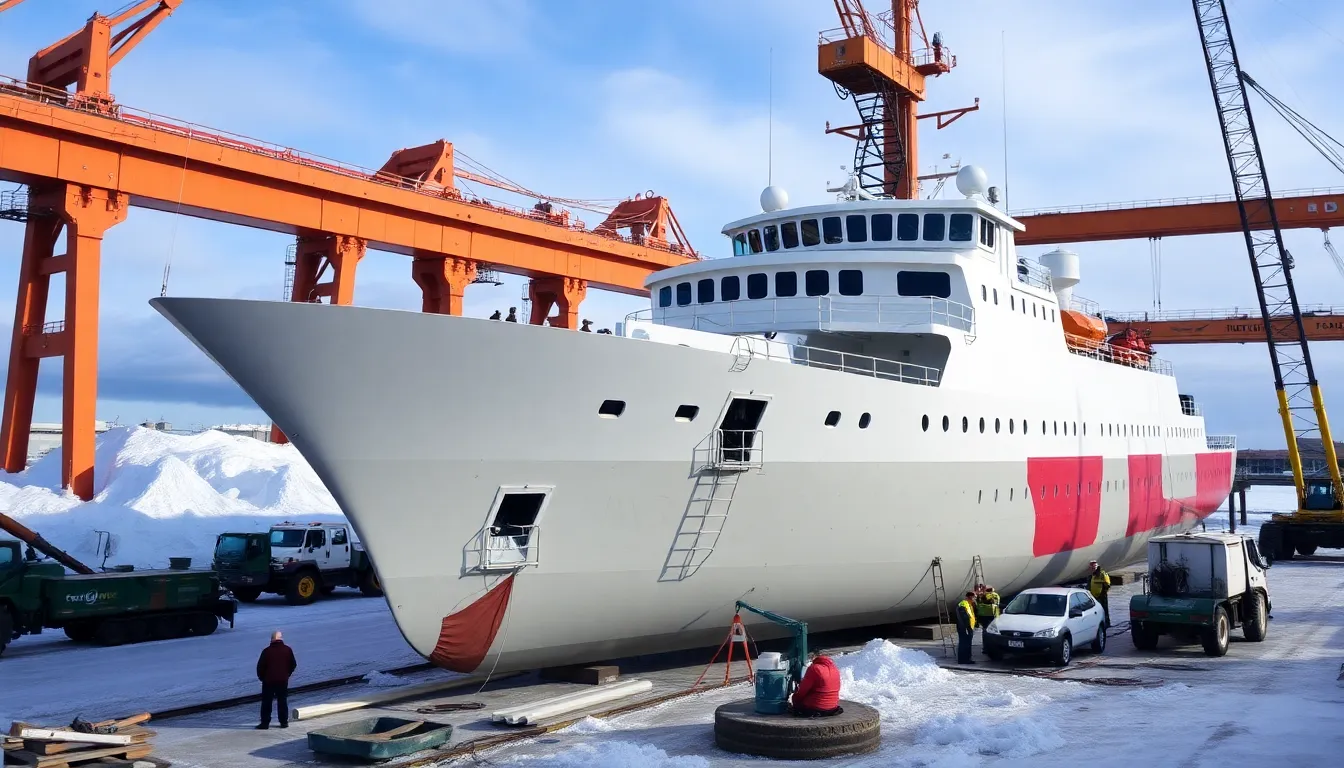
As the Arctic and Antarctic regions gained geopolitical importance, particularly during the Cold War, the demand for advanced icebreaking vessels surged. The United States and the Soviet Union invested heavily in their icebreaker fleets to secure their interests in these strategically vital areas. The U.S. Coast Guard’s icebreaker fleet, which includes the famous ‘Polar Star’, was established to ensure access to the Arctic for both military and scientific purposes.
This shift has prompted the U.S. government to reassess its icebreaker capabilities, leading to a renewed interest in acquiring state-of-the-art vessels, particularly from Finland, known for advanced icebreaking technology.
The Finnish Advantage in Icebreaker Technology
Finland has long been a leader in icebreaker design and construction, with its shipyards producing some of the most efficient and powerful icebreakers in the world. The Finnish government has invested in developing cutting-edge technology that enhances the performance and safety of these vessels in extreme conditions. This expertise has made Finnish icebreakers highly sought after, not only by Arctic nations but also by countries looking to bolster their maritime capabilities in icy waters.
The collaboration between the U.S. and Finland in icebreaker procurement reflects a broader trend of international cooperation in addressing the challenges posed by climate change and increased maritime activity in the Arctic.
Key stakeholders and issues in the icebreaker deal
The acquisition of icebreakers from Finland by the United States involves several key stakeholders, each with distinct interests and concerns. The primary actors include the U.S. government, Finnish manufacturers, environmental organizations, and maritime industry stakeholders. Understanding their motivations is crucial to grasping the broader implications of this deal.
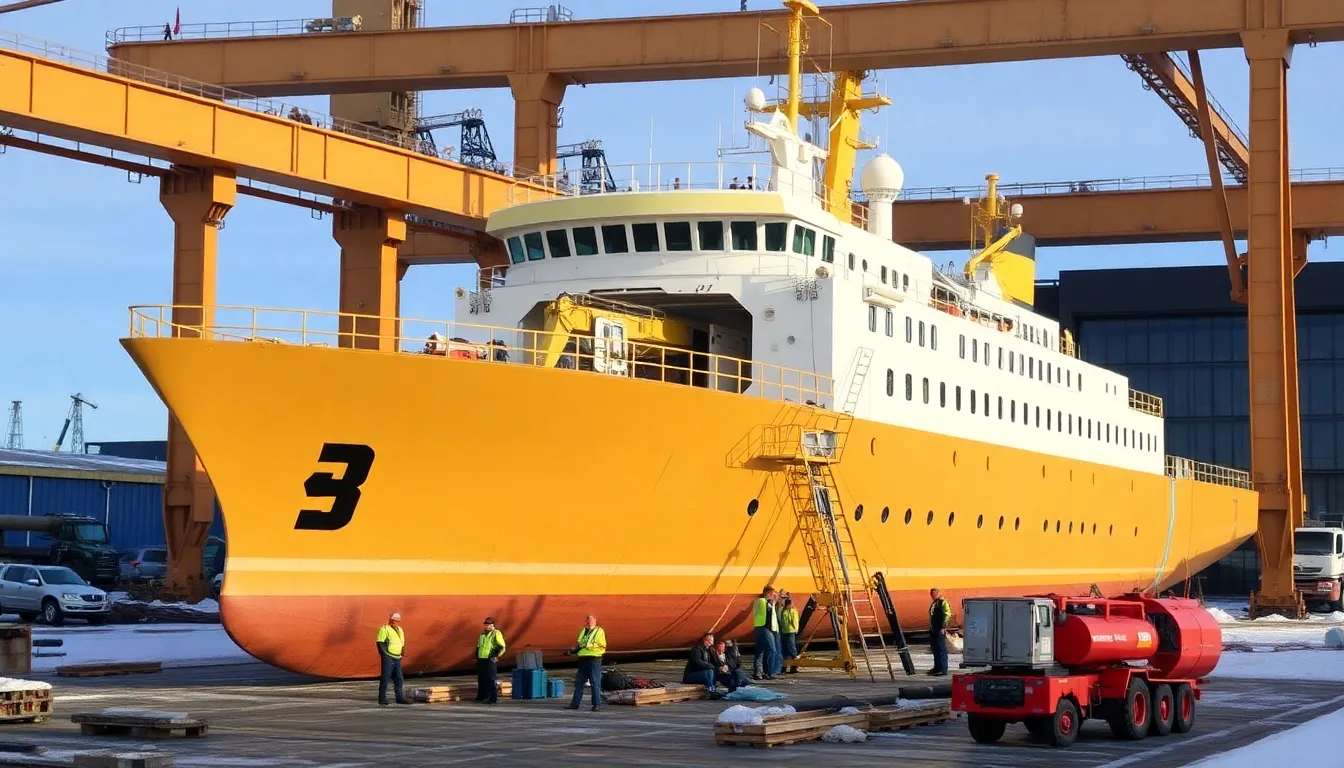
The U.S. government, particularly the Coast Guard and Department of Defense, is focused on enhancing national security and maritime capabilities in the Arctic region. With increasing geopolitical tensions and the need for reliable access to Arctic waterways, the U.S. aims to bolster its icebreaking fleet to maintain a strategic advantage. This aligns with broader interests in climate change and resource exploration as melting ice opens new shipping routes and access to untapped natural resources.
On the other hand, Finnish manufacturers, such as Wärtsilä and Arctech Helsinki Shipyard, stand to gain economically from this deal. Their interests lie in securing contracts that not only enhance their financial standing but also promote Finnish expertise in advanced shipbuilding technologies. This partnership can potentially lead to further collaborations in Arctic operations and maritime safety, benefiting both nations.
However, this deal is not without its conflicts and trade-offs. Environmental organizations express concerns regarding the ecological impact of increased maritime activity in the fragile Arctic ecosystem. They advocate for sustainable practices and caution against prioritizing military and economic interests over environmental preservation. This tension raises important questions about balancing national security needs with environmental stewardship.
- U.S. military interests in Arctic security and navigation.
- Economic benefits for Finnish shipbuilding companies.
- Environmental concerns regarding Arctic ecosystems.
- Geopolitical implications of increased U.S. presence in the Arctic.
- Potential for future collaborations in Arctic research and development.
Impact on US maritime capabilities and Arctic operations
The decision to purchase icebreakers from Finland has significant implications for various groups and industries in the United States. Key stakeholders include government agencies, maritime operators, environmental organizations, and indigenous communities in the Arctic region. Each of these groups stands to be affected by the enhanced capabilities and strategic positioning that these vessels will provide.
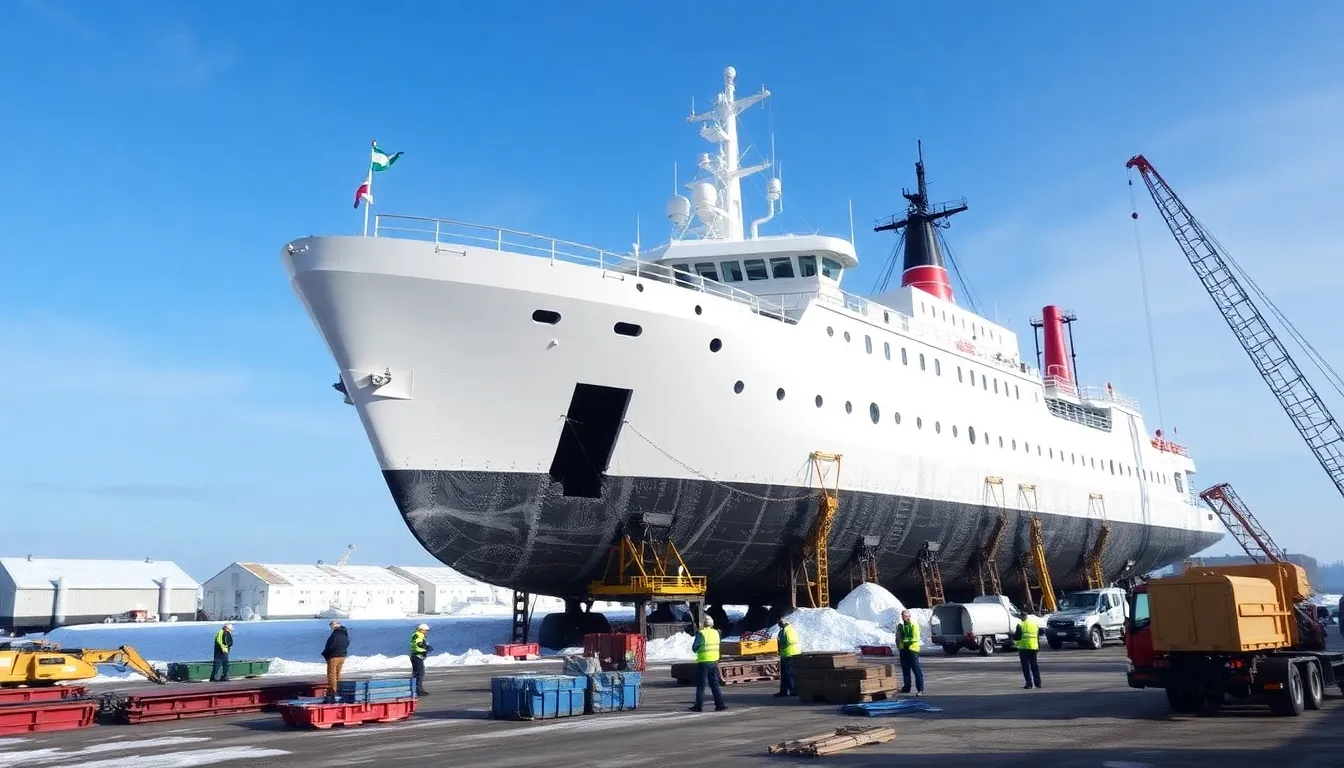
In the short term, the acquisition of advanced icebreakers will bolster the US Coast Guard’s operational capabilities in Arctic waters, which is crucial for national security and environmental protection. Increased maritime activity in the Arctic, driven by climate change and resource exploration, necessitates a robust presence to safeguard US interests and maintain safe navigation routes. This enhanced capability may lead to more rigorous enforcement of maritime laws and regulations, impacting shipping industries and environmental policies.
Mid-term impacts may include increased commercial opportunities for US businesses involved in shipping and resource extraction. As ice coverage diminishes, new shipping routes may open, creating potential for economic growth in regions like Alaska and other northern states. However, this also raises concerns about environmental degradation and the rights of indigenous communities, who may face disruptions to their traditional ways of life.
- Opportunities: Enhanced shipping routes and resource access may lead to economic growth.
- Risks: Environmental impacts and potential conflicts with indigenous rights may arise.
- Policy Changes: Increased need for regulations to manage new maritime activities.
Overall, while the purchase of icebreakers from Finland presents opportunities for economic advancement and improved maritime safety, it also carries risks that must be carefully managed to ensure the protection of both the environment and local communities. The balance between development and conservation will be a critical focus for policymakers and stakeholders in the coming years.
A: Finland is known for its advanced icebreaker technology and expertise, making it a strategic partner for the US in enhancing its Arctic capabilities. A: The US plans to acquire several icebreakers, although the exact number and specifications are still under discussion. A: The new icebreakers are expected to improve the US’s operational readiness in Arctic waters, ensuring safe navigation and supporting scientific research. A: This purchase is likely to strengthen US presence in the Arctic, potentially impacting relations with other Arctic nations, especially Russia. A: The delivery timeline is still being finalized, but it is expected that the first icebreaker could be operational within the next few years.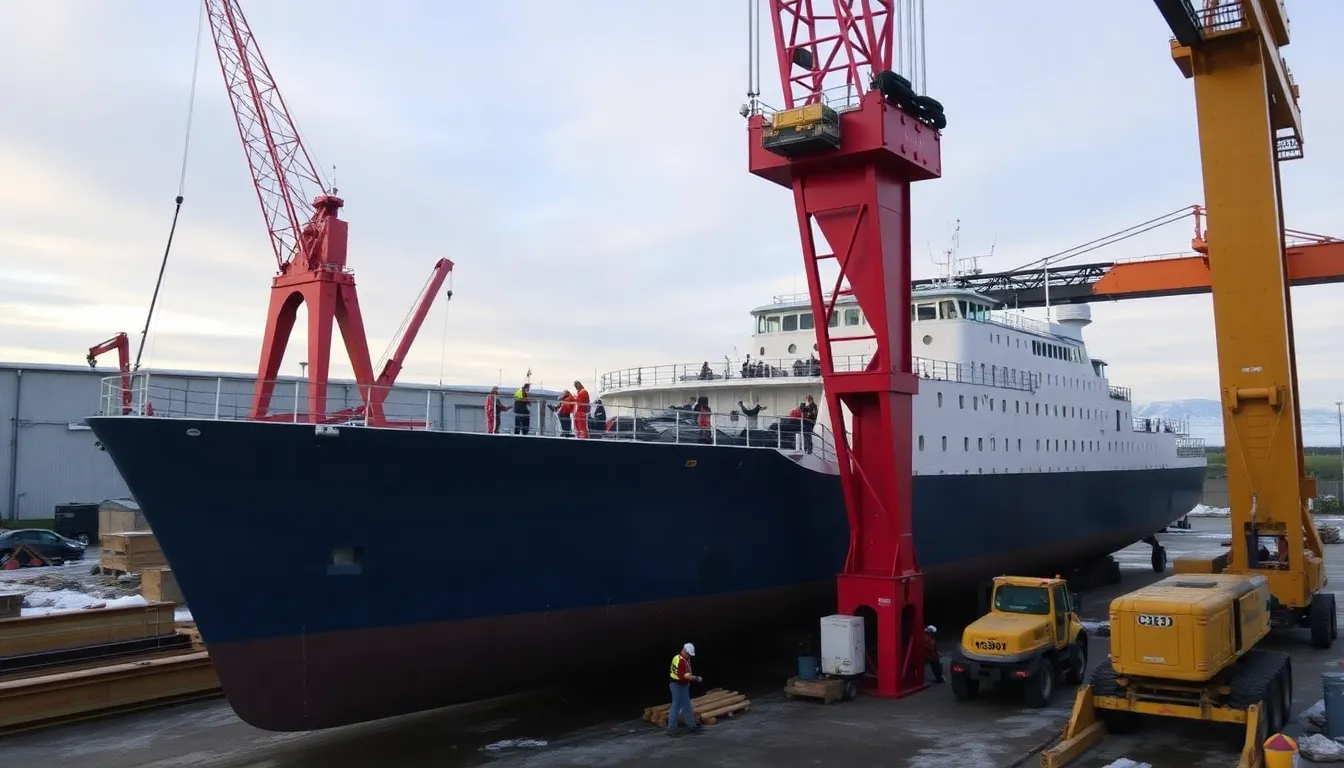
Frequently asked questions about the icebreaker purchase
Key insights and future outlook on US-Finland icebreaker collaboration
The collaboration between the United States and Finland in the acquisition of advanced icebreakers highlights a significant shift in Arctic strategy and maritime capabilities. As climate change opens new shipping routes and increases accessibility to Arctic resources, the demand for robust icebreaking capabilities becomes critical for national security and economic interests. The decision to procure these vessels from Finland not only underscores the quality of Finnish maritime technology but also emphasizes the strengthening of transatlantic partnerships in addressing emerging global challenges.
Looking ahead, the implications of this collaboration extend beyond mere military logistics. It reflects a growing recognition of the Arctic’s strategic importance and the need for enhanced cooperation among nations with interests in the region. Stakeholders should monitor how this partnership evolves and the potential impact it may have on geopolitical dynamics and environmental stewardship in the Arctic.
- The strengthening of US-Finland relations may lead to increased joint operations and training exercises in Arctic regions.
- Investments in icebreaker technology could spur innovation in other maritime sectors, enhancing overall maritime safety and efficiency.
- As Arctic shipping routes become more viable, countries may need to establish new regulations and agreements to manage increased traffic and environmental concerns.
- This collaboration may encourage other nations to enhance their Arctic capabilities, leading to a more competitive and potentially contentious environment in the region.