


This controller features a lightweight design, customizable buttons, and a solid build quality that caters to various gaming styles. While it stands out for its dependability, it notably lacks advanced rumble features, which may be a deciding factor for some users. As gamers continue to explore their options, the absence of this feature in the Rematch could limit its appeal among those who prioritize immersive gameplay experiences. For a deeper dive into the importance of controller features, check out our review of Carmageddon Rogue Shift for Switch 2.
In the context of a growing market for gaming accessories, the Rematch Wireless Controller faces competition from several established brands. Companies like Logitech and Razer have long been known for their high-performance controllers, which often include advanced features like haptic feedback. As such, Turtle Beach’s decision to forgo rumble technology may raise questions about its competitiveness in a landscape that increasingly values enhanced sensory feedback.
Despite these concerns, early reviews indicate that the Rematch Wireless Controller excels in areas such as battery life and connectivity. Users have reported a seamless wireless experience, allowing for extended gaming sessions without interruptions. This functionality is particularly important as more gamers engage in multiplayer online gaming, where reliability can significantly impact performance. For tips on how to enhance your multiplayer experience, visit our article on the importance of reliable gaming accessories.
As the gaming community continues to evolve, the introduction of the Turtle Beach Rematch Wireless Controller serves as a reminder of the diverse preferences among players. While it may not cater to everyone’s needs, its solid performance and user-friendly features position it as a viable option for those who prioritize durability and ease of use over advanced haptic feedback.
Background on Wireless Controllers for Switch
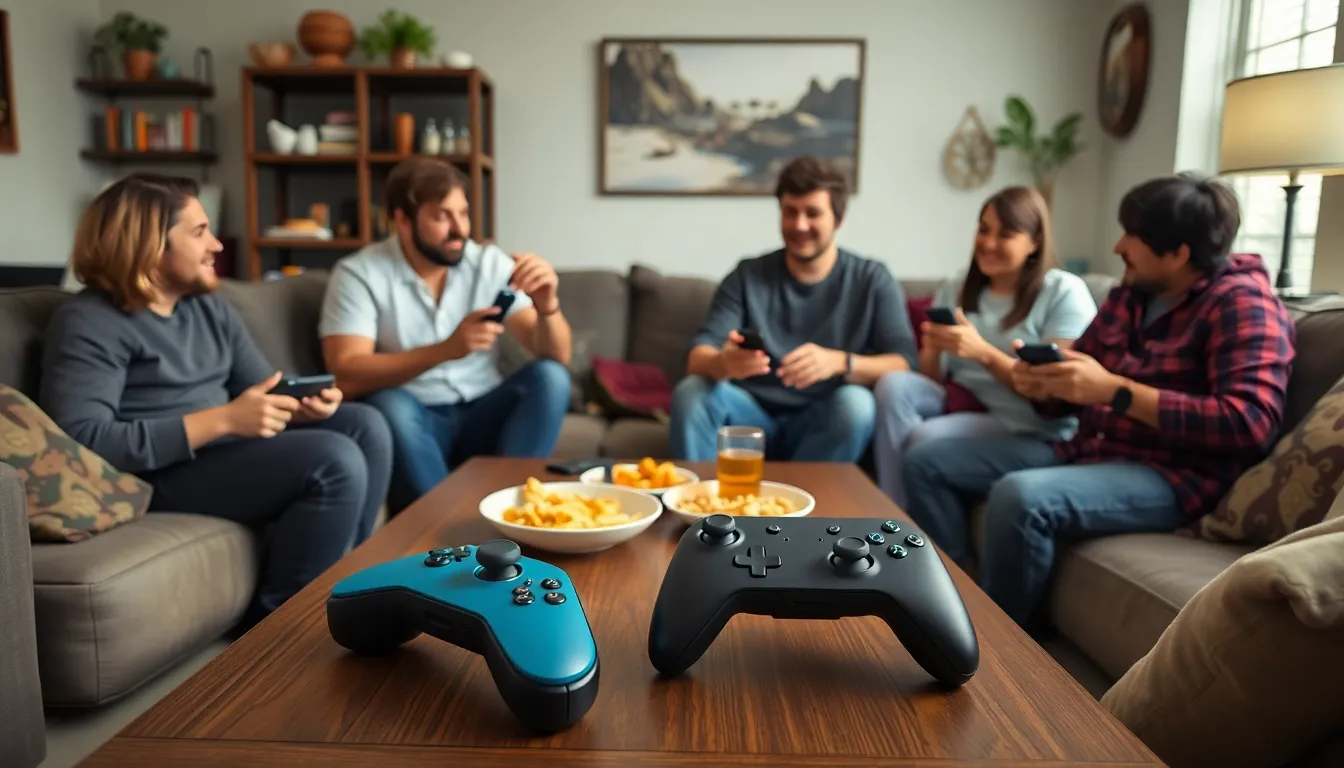
The evolution of gaming controllers has been a significant aspect of the gaming industry, particularly with the advent of wireless technology. Since the launch of the Nintendo Switch in 2017, players have enjoyed the flexibility of wireless gameplay, which has transformed how games are played and experienced. The original Joy-Con controllers, while innovative, faced criticism for their durability and comfort during extended play sessions, prompting third-party manufacturers to step in and provide alternative solutions.
Turtle Beach, known for its high-quality gaming accessories, has been a prominent player in this market. The company’s foray into the wireless controller arena reflects a growing demand for more ergonomic and reliable options for gamers. The release of the Turtle Beach Rematch Wireless Controller for Switch 2 is a response to this demand, aiming to capture the attention of both casual and competitive gamers who seek a dependable gaming experience without the necessity of advanced features like rumble. To explore more about the latest trends in gaming accessories, consider reading our article on customizable controllers.
The Shift Towards Accessibility and Customization
As gaming has become more mainstream, the need for accessible and customizable controllers has increased. Many gamers have diverse preferences and play styles, which has led to a rise in the popularity of third-party controllers that offer unique features and designs. The Turtle Beach Rematch Wireless Controller is positioned within this trend, providing a solid alternative to the standard offerings from Nintendo. This shift not only caters to individual preferences but also reflects a broader movement within the gaming community towards inclusivity and personalization.
Historically, the introduction of wireless controllers marked a significant milestone in gaming. The transition from wired to wireless technology has allowed for greater freedom of movement and has enhanced multiplayer experiences. However, the absence of certain features, such as haptic feedback, often leads to debates about the trade-offs between price and performance. Turtle Beach’s latest offering aims to balance these aspects, appealing to gamers who prioritize reliability over advanced functionality.
As the gaming landscape continues to evolve, the competition among controller manufacturers is likely to intensify. With each new release, companies like Turtle Beach are not only responding to consumer feedback but also setting new standards for what gamers can expect from their peripherals. The Rematch Wireless Controller is a testament to this ongoing evolution, reflecting both the challenges and opportunities that arise in the ever-changing world of gaming technology.
Key Features and Stakeholder Perspectives
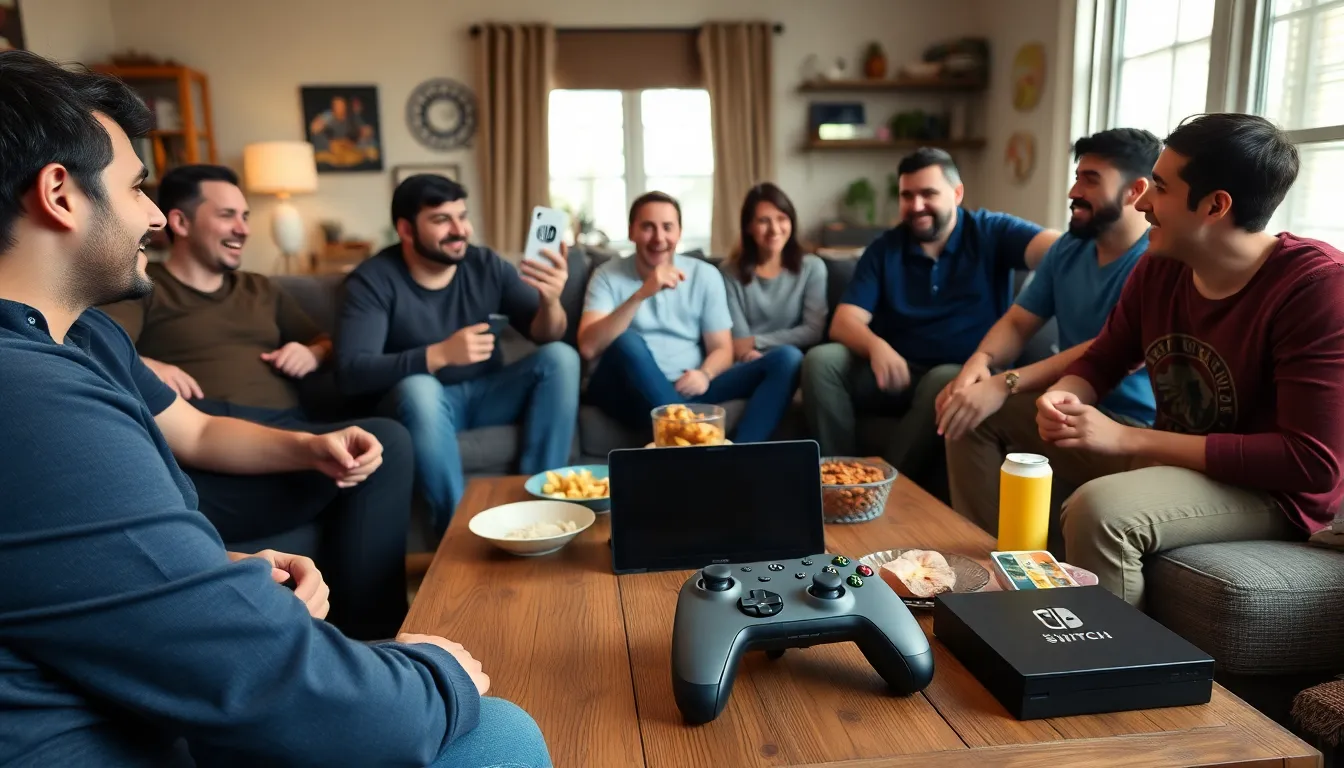
The release of the Turtle Beach Rematch Wireless Controller for the Switch 2 has garnered attention from various stakeholders, including gamers, developers, and hardware manufacturers. Each group holds distinct interests that shape their perspectives on the controller’s features and performance.
Gamers are primarily focused on the controller’s usability, comfort, and performance. They value features such as wireless connectivity and ergonomic design, which enhance the gaming experience. However, the absence of robust rumble functionality may deter some players who prioritize immersive feedback during gameplay. This creates a trade-off between cost and feature richness, as many consumers seek a balance between price and performance.
Game developers also play a crucial role in this analysis. They are interested in how well third-party controllers integrate with their games and whether these devices meet the technical specifications required for optimal performance. Compatibility issues can arise, leading to potential conflicts between developers and hardware manufacturers, especially if the controller does not support specific game mechanics or features.
Additionally, hardware manufacturers, including Turtle Beach, have a vested interest in the competitive landscape of gaming accessories. They must navigate the legal and economic implications of producing accessories that meet consumer expectations while adhering to regulatory standards. The success of the Rematch controller could influence Turtle Beach’s market position, prompting them to invest further in research and development.
- Gamers prioritize comfort and performance over rumble features.
- Developers require compatibility with their games for optimal performance.
- Manufacturers face legal and economic pressures in the gaming accessory market.
- Trade-offs exist between cost, features, and consumer expectations.
- Market competition may drive innovation and improvements in future products.

Who Benefits from This Controller?
The Turtle Beach Rematch Wireless Controller for Switch 2 is poised to impact various groups, particularly gamers, game developers, and retailers. Gamers seeking an affordable yet reliable controller will find this product appealing, especially those who prioritize functionality over advanced features like rumble. Game developers may also benefit indirectly as the availability of dependable controllers can enhance user experiences and encourage game sales.
In the short term, the introduction of this controller is likely to attract casual gamers and families, providing them with a cost-effective gaming solution. This could lead to an increase in Switch 2 console sales as more users look for compatible accessories. Retailers may see a boost in sales as they stock this new product, potentially driving foot traffic to both physical and online stores.
In the mid-term, the impact on the gaming industry could be more pronounced. As more gamers adopt the Turtle Beach Rematch controller, it may set a new standard for budget-friendly gaming peripherals. This could pressure other accessory manufacturers to innovate or lower prices, fostering a more competitive market. However, there is a risk that the lack of advanced features like rumble may deter hardcore gamers, potentially limiting the controller’s market share.
- Increased accessibility for casual gamers.
- Potential growth in accessory sales for retailers.
- Pressure on competitors to innovate or reduce prices.
- Risk of alienating hardcore gamers due to missing features.
Overall, the Turtle Beach Rematch Wireless Controller represents both opportunities and challenges across the gaming landscape. Its success could lead to a shift in consumer expectations, while also highlighting the importance of balancing cost with features in gaming accessories.
A: No, the Turtle Beach Rematch Controller does not include rumble features. It is designed for gamers who prefer a solid performance without the need for haptic feedback. A: The battery life of the Turtle Beach Rematch Controller is competitive, lasting several hours on a single charge. It is suitable for extended gaming sessions. A: The Turtle Beach Rematch Controller is primarily designed for the Nintendo Switch 2. However, it may have limited compatibility with other devices depending on the connection type. A: The main advantages include its reliable build quality, comfortable design, and ease of use. It is a dependable choice for gamers who value performance. A: Yes, the Turtle Beach Rematch Controller allows for some customization of the button layout, enabling users to tailor their gaming experience.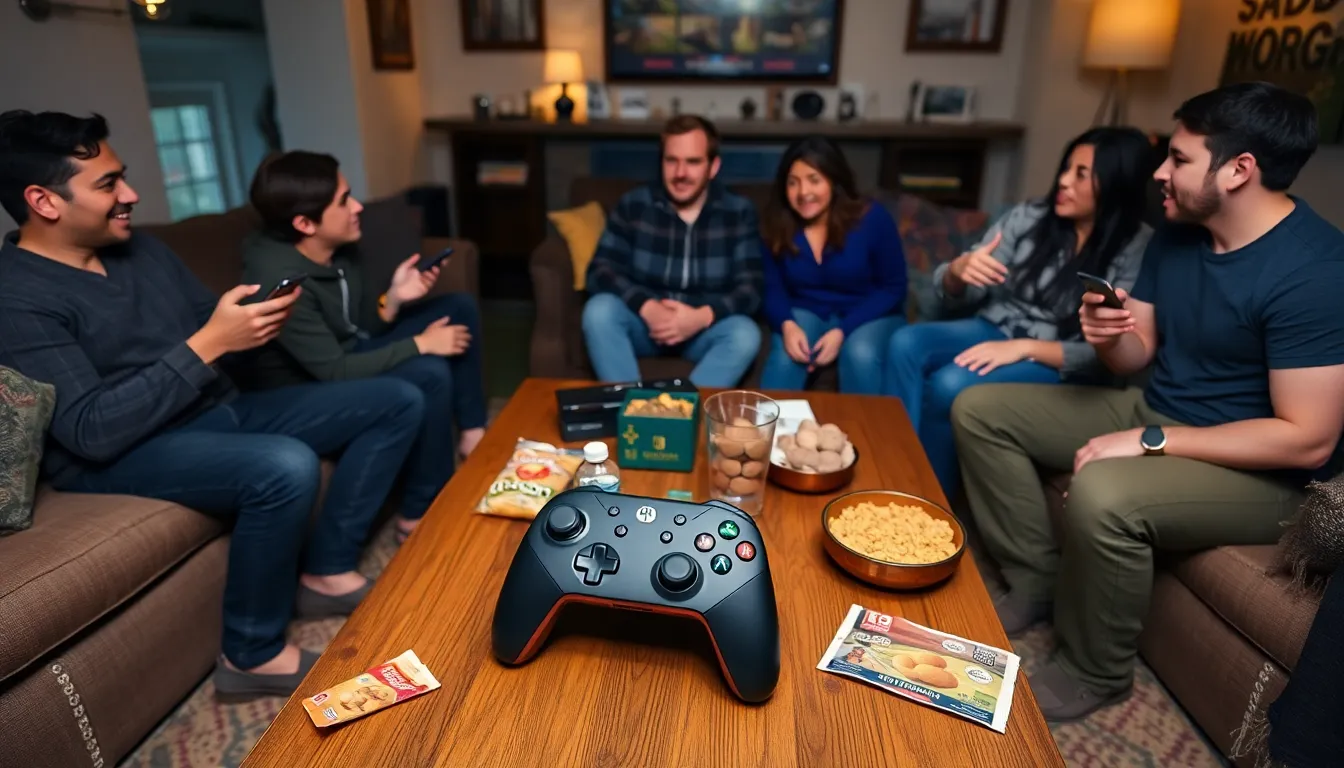
Frequently Asked Questions about the Controller
Final Thoughts on the Turtle Beach Controller
The Turtle Beach Rematch Wireless Controller for Switch 2 stands out as a reliable option for gamers seeking a functional and user-friendly pad. While it may not feature advanced rumble capabilities, its solid build and responsive controls make it a commendable choice for both casual and dedicated players. The emphasis on comfort and ease of use highlights its suitability for extended gaming sessions, catering to a wide range of preferences.
As the gaming landscape continues to evolve, the importance of versatile accessories like the Turtle Beach controller cannot be overstated. Players looking for dependable performance without the need for cutting-edge features will find this controller meets their expectations while providing a straightforward gaming experience.
- Consider compatibility: Ensure that the controller meets your specific gaming needs and preferences, especially if rumble features are a priority.
- Evaluate comfort: Take note of how the controller feels during prolonged use, as comfort can significantly impact your gaming experience.
- Assess battery life: Keep an eye on the controller’s battery performance during gaming sessions to avoid interruptions.
- Monitor software updates: Stay informed about any firmware updates that may enhance functionality or address issues over time.
- Explore customization options: Investigate the available settings and configurations to tailor the controller to your gaming style.