


Airlines have begun to reassess their flight routes and security measures in response to the instability. Major carriers, including those operating in and out of Israel, have reported cancellations and delays, as safety remains a top priority. For more on how such geopolitical events can impact resources, check out this article. The Federal Aviation Administration (FAA) has issued advisories, warning pilots to exercise caution when flying over conflict zones.
Moreover, the geopolitical implications of the conflict extend beyond immediate safety concerns. Prolonged unrest could lead to increased fuel prices and supply chain disruptions, which in turn may affect airfares and operational costs for airlines worldwide. Travel patterns may shift as travelers opt for alternative routes or destinations, impacting tourism and business travel in the region.
As the situation develops, the aviation industry is closely monitoring the conflict. Stakeholders, including governments and airline executives, are evaluating how to adapt to the changing landscape, ensuring that safety protocols are robust while also maintaining connectivity for global travelers. The long-term effects of this conflict on air travel remain uncertain, but the potential for significant disruption is clear.
Exploring the historical background of conflicts in the Middle East and their effects on aviation
The Middle East has been a region marked by conflict for much of the 20th and 21st centuries, shaped by a complex interplay of historical grievances, colonial legacies, and geopolitical interests. The roots of these conflicts can often be traced back to the dissolution of the Ottoman Empire after World War I, which led to arbitrary borders and the creation of nation-states that did not align with the ethnic and religious identities of their populations. This has fostered longstanding tensions that continue to influence the region’s stability and, consequently, global aviation routes.
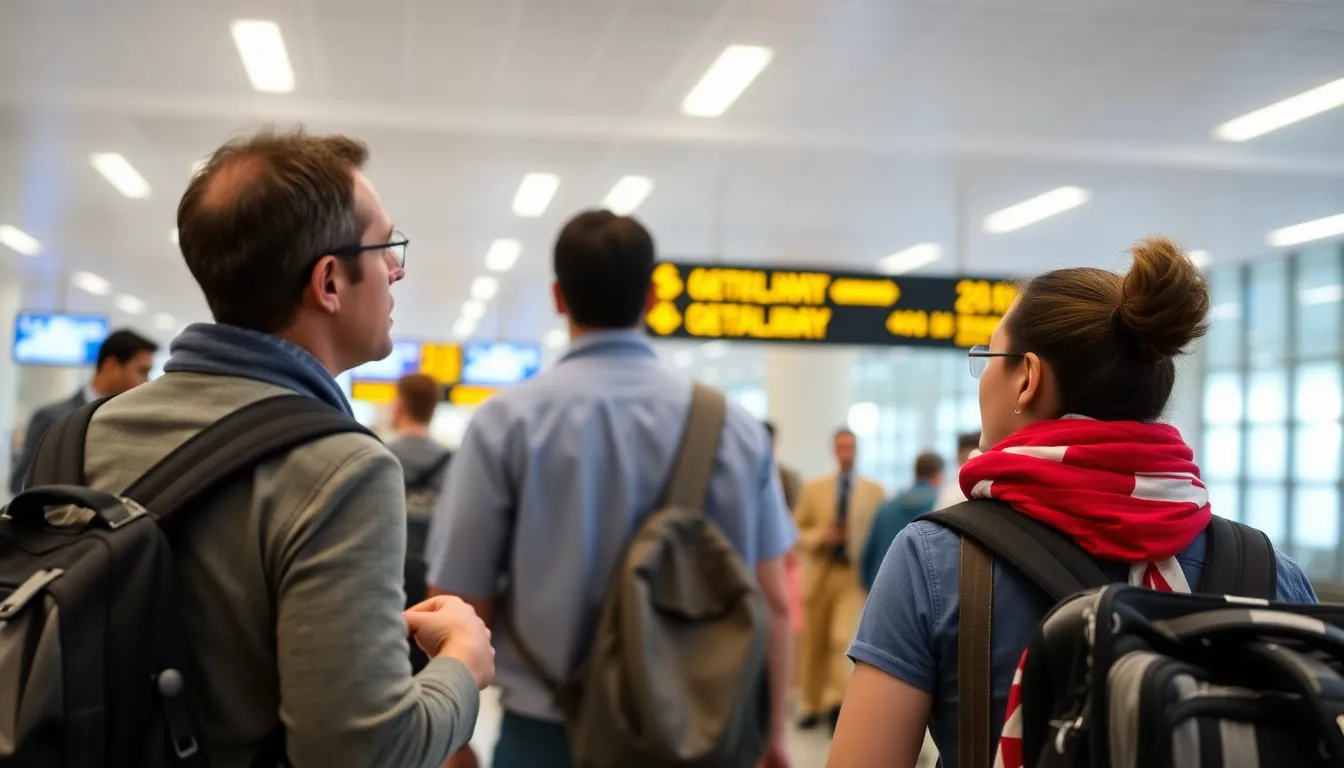
Key events such as the Arab-Israeli conflict, which began in the mid-20th century, have had profound implications for air travel in and around the region. The establishment of Israel in 1948 was met with resistance from neighboring Arab states, leading to several wars and ongoing hostilities that have made certain airspaces perilous for commercial airlines. For insights into the impact of conflicts on global trading, consider reading this article. The resulting air travel restrictions and heightened security measures have reshaped flight patterns, often leading to longer routes and increased costs for airlines operating in or near conflict zones.
Another significant milestone was the Gulf War in the early 1990s, which not only showcased the military capabilities of the United States but also highlighted the vulnerabilities of air travel in the region. The conflict prompted a reevaluation of airspace safety, leading to the implementation of new protocols and technologies aimed at protecting civilian flights. However, the aftermath of the war also saw the rise of terrorism, exemplified by the September 11 attacks in 2001, which had a lasting impact on global aviation security and policies.
The Economic Implications of Ongoing Conflicts
Economically, the persistent instability in the Middle East has led to fluctuating oil prices, which directly affect the aviation industry. Airlines are heavily reliant on fuel, and any disruption in the region can lead to increased operational costs. Moreover, the uncertainty surrounding regional conflicts can deter investment in aviation infrastructure, limiting the growth potential of airlines and airports in affected areas. As conflicts continue, the aviation industry must navigate these economic challenges while ensuring the safety and security of passengers. For further information related to electric vehicles and how they could influence market dynamics amid rising fuel costs, explore this article.
Analyzing key stakeholders and issues arising from the ongoing conflict
The ongoing conflict in the Middle East involves a complex web of stakeholders, each with distinct interests that influence global aviation. Key actors include regional governments, international organizations, airlines, and military bodies. Understanding their motivations is crucial to grasping how this conflict might reshape air travel.
At the forefront are Middle Eastern governments, particularly those directly involved in the conflict, such as Israel, Palestine, and neighboring states like Lebanon and Iran. Their primary interest lies in national security, territorial integrity, and political influence. The implications of their actions extend beyond regional borders, affecting global trade routes and air traffic.
International organizations, such as the United Nations and the International Civil Aviation Organization (ICAO), play a significant role in mediating disputes and establishing regulations. Their interests focus on maintaining peace and ensuring safe air travel. However, their effectiveness can be hindered by the political complexities surrounding the conflict.
Airlines are also critical stakeholders, facing operational challenges due to increased military activity and potential airspace restrictions. Their interests include maintaining profitability and ensuring passenger safety. The potential for flight cancellations and rerouting can lead to significant economic losses, impacting not only airlines but also the broader tourism and hospitality sectors.
- Increased flight rerouting: Airlines may need to adjust flight paths to avoid conflict zones, leading to longer travel times and higher operational costs.
- Security concerns: Heightened tensions may result in stricter security measures at airports, impacting passenger experience and operational efficiency.
- Economic ramifications: Prolonged conflict could lead to decreased tourism in the region, affecting airlines and local economies dependent on travel.
- Regulatory challenges: Ongoing violence may prompt international regulatory bodies to impose new guidelines for air travel safety in the region.
- Humanitarian considerations: Airlines may face pressure to assist in humanitarian efforts, complicating their operational priorities.
Assessing the impact on airlines, passengers, and global travel markets
The ongoing conflict in the Middle East is poised to have significant ramifications across various sectors, particularly impacting airlines, passengers, and the broader travel market. With geopolitical tensions rising, airlines operating in and around the region face immediate operational challenges. This includes potential flight cancellations, route adjustments, and increased security measures that could lead to longer travel times.
Passengers are likely to experience disruptions in their travel plans, with many facing uncertainty regarding flight availability and safety. In the short term, we may see a decline in travel to affected regions, leading to a ripple effect on local economies that heavily rely on tourism. Additionally, increased fuel prices resulting from geopolitical instability could contribute to higher ticket prices, further discouraging travel.
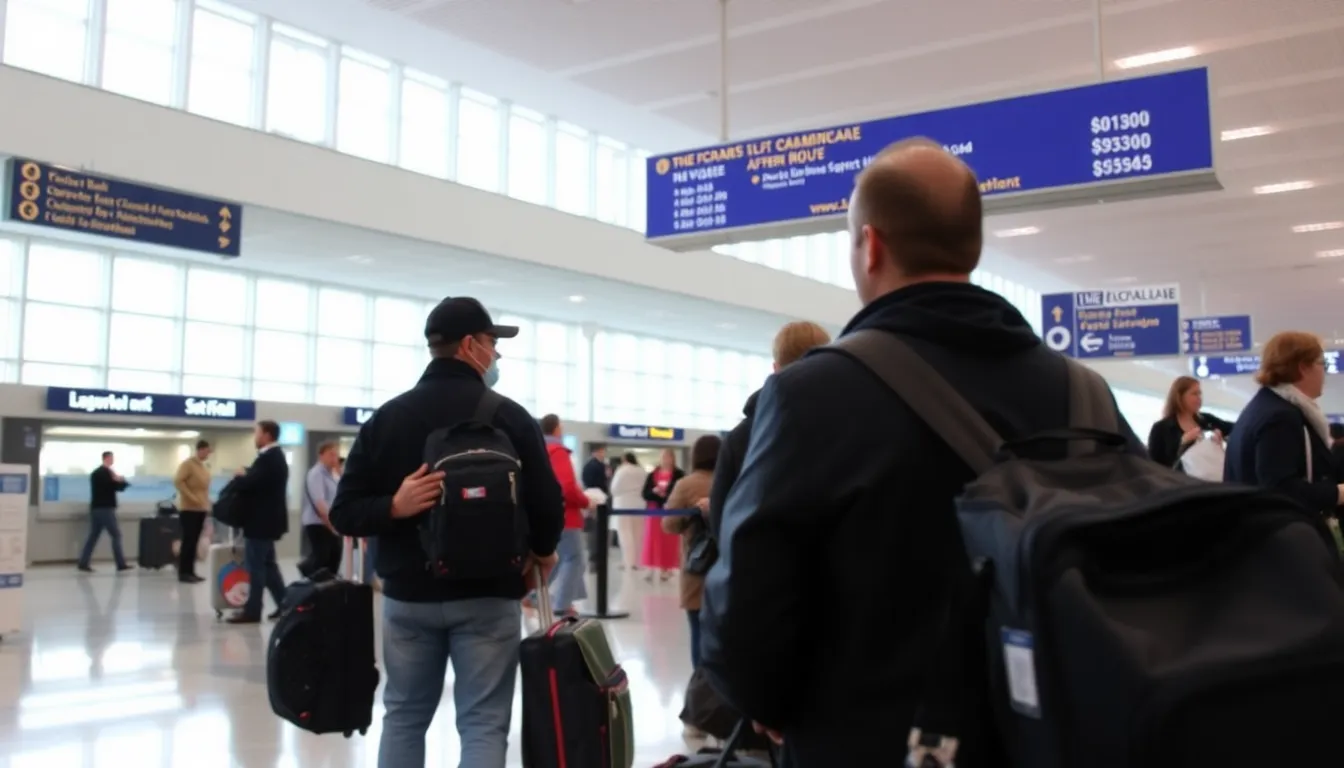
In the mid-term, the conflict could reshape travel patterns as airlines and travelers alike adapt to new realities. Airlines may explore alternative routes and partnerships to mitigate risks, while passengers might prioritize destinations perceived as safer. This shift could lead to opportunities for regions outside the conflict zone to attract tourists and business travelers.
- Increased operational costs due to heightened security and insurance premiums.
- Shifts in travel demand as passengers seek alternative destinations.
- Potential growth for airlines that can adapt quickly to changing market conditions.
- Impact on regional economies that depend on tourism and travel-related revenues.
Moreover, governments may respond with new policies aimed at ensuring passenger safety and stabilizing the travel industry. This could include increased funding for security measures or incentives for airlines to maintain routes to affected areas. While risks abound, the situation also presents opportunities for innovation in travel logistics and crisis management strategies.
A: The conflict can lead to the rerouting of flights to avoid conflict zones, which may increase travel time and costs for airlines and passengers. A: Yes, many airlines are implementing stricter safety measures and may modify cancellation policies to accommodate travelers affected by the conflict. A: Travelers may experience more frequent delays and cancellations as airlines navigate the complexities of airspace restrictions and safety concerns. A: It is possible that ticket prices may rise due to increased operational costs and reduced capacity as airlines adjust to the situation. A: Travelers should regularly check their airline’s website or app for updates and consider signing up for alerts regarding their flights.
Frequently asked questions about the impact of the Middle East conflict on flying
Key insights and future outlook for air travel amid ongoing turbulence
The ongoing conflict in the Middle East is poised to have significant repercussions for the aviation industry. Airlines must navigate not only the immediate challenges posed by geopolitical instability but also the longer-term shifts in passenger behavior and route planning. As tensions rise, the strategies employed by airlines will need to adapt to ensure safety and maintain operational efficiency while meeting the evolving demands of travelers.
Looking ahead, it is crucial for stakeholders in the aviation sector to remain vigilant and proactive. Understanding the potential scenarios that may unfold can help in crafting effective responses to the challenges ahead. The interplay between security, economic factors, and changing travel patterns will shape the future of air travel in profound ways.
- Increased security measures: Expect heightened security protocols at airports, impacting travel times and passenger experience.
- Route realignment: Airlines may alter flight paths to avoid conflict zones, influencing ticket prices and travel options.
- Shift in passenger preferences: Travelers may prioritize safety and reliability over cost, affecting demand for certain routes and airlines.
- Impact on fuel prices: Ongoing conflicts could lead to fluctuations in fuel costs, directly affecting airline profitability and ticket prices.
- Emergence of new partnerships: Airlines may seek strategic alliances to enhance safety and operational efficiency in response to evolving geopolitical landscapes.