


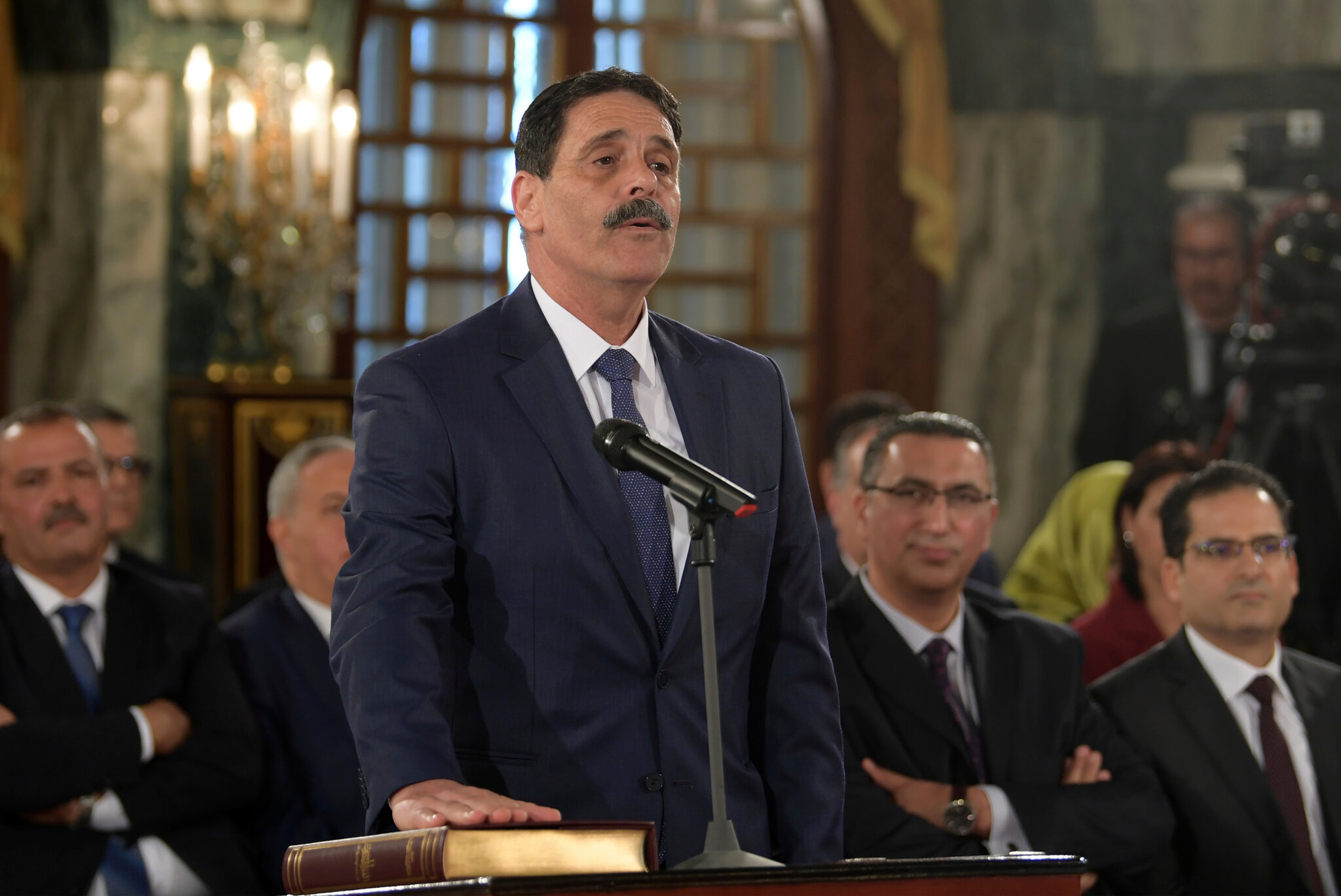
The arrest comes amid a broader context of political unrest in Tunisia, where President Kais Saied’s administration has been accused of undermining democratic institutions. For more insights, you can read about how Guinea-Bissau’s military takes total control amid its own election chaos.
Human rights organizations have condemned these actions, stating that the arrests reflect a systematic effort to stifle free expression and political pluralism. The NSF has called for immediate international intervention, urging global leaders to address the deteriorating human rights situation in Tunisia, emphasizing the need for a comprehensive understanding of urgent industrial transformations like those seen in other regions.
As Tunisia approaches the second anniversary of Saied’s controversial power consolidation, the political climate remains fraught with tension. The ongoing crackdown on opposition figures raises critical questions about the future of democracy in the country and the potential for further unrest among the populace; such developments are reflective of broader patterns found in market challenges faced by emerging democracies.
Understanding the historical backdrop of Tunisia’s political tensions
Tunisia, often hailed as the birthplace of the Arab Spring in 2010, has a complex political landscape shaped by decades of authoritarian rule, economic challenges, and social unrest. The revolution that ousted President Zine El Abidine Ben Ali was driven by widespread dissatisfaction with corruption, unemployment, and lack of political freedoms. However, the transition to democracy has been fraught with difficulties, leading to ongoing tensions between various political factions.
Since the 2011 revolution, Tunisia has experienced a turbulent political environment characterized by the rise of Islamist parties, particularly Ennahda, and the emergence of secular opposition groups. The 2014 constitution was a significant milestone, establishing a framework for democracy; however, political instability has persisted, with frequent changes in government and ongoing debates about the role of religion in politics.
The economic situation in Tunisia has also contributed to the current tensions. High unemployment rates, particularly among the youth, combined with inflation and regional disparities, have fueled public discontent. Protests have erupted periodically, demanding economic reforms and better living conditions, often met with a heavy-handed response from security forces.
The crackdown on opposition
In recent months, the political climate has deteriorated further, with the government intensifying its crackdown on dissent. The arrest of prominent opposition figures is seen as part of a broader strategy to silence critics and consolidate power. This move has raised alarms among human rights organizations and sparked fears of a return to authoritarian practices reminiscent of the Ben Ali era.
Key stakeholders and issues surrounding the crackdown
The recent arrest of an opposition figure in Tunisia has drawn attention to a complex web of stakeholders and issues that define the current political landscape. The main actors include the Tunisian government, opposition parties, civil society organizations, and international observers. Each of these groups has distinct interests that shape their responses to the ongoing political developments.
The Tunisian government, led by President Kais Saied, seeks to consolidate power and maintain stability in a country that has faced significant political turmoil since the 2011 revolution. This crackdown on opposition figures is perceived as a strategy to eliminate dissent and reinforce the government’s authority. In contrast, opposition parties argue that these actions undermine democratic principles and civil liberties, fostering a climate of fear and repression.
International organizations and human rights groups are closely monitoring the situation, advocating for the protection of democratic rights and freedoms. Their interests lie in promoting political pluralism and ensuring that Tunisia adheres to international human rights standards. This external pressure can influence the Tunisian government’s actions, as it seeks to maintain its legitimacy on the global stage.
- Political repression: The arrest of opposition figures raises concerns about the erosion of democratic norms in Tunisia.
- Civil society’s role: Civil society organizations are mobilizing to defend human rights and advocate for political reforms.
- International response: Global reactions may affect Tunisia’s foreign relations and economic support.
- Public sentiment: The crackdown risks alienating segments of the population, potentially leading to unrest.
- Legal implications: The government’s actions may face legal challenges domestically and from international bodies.
In summary, the interplay between these stakeholders highlights the tensions between governance, civil liberties, and international norms. The unfolding situation in Tunisia serves as a critical reminder of the fragile nature of democracy and the ongoing struggles for political rights in the region.
Effects of the crackdown on citizens and political discourse
The recent arrest of an opposition figure in Tunisia has significant implications for various groups within the country. Citizens who advocate for democratic reforms and political freedom are particularly affected, as the crackdown signals a tightening grip on dissent. This environment fosters fear among activists and ordinary citizens alike, leading to a chilling effect on public discourse.
Industries that rely on a stable political climate, such as tourism and foreign investment, may also face short-term setbacks. The perception of Tunisia as a politically unstable country can deter potential investors and tourists, impacting local businesses that depend on these sectors for revenue. The crackdown may lead to reduced economic activity and job losses in the hospitality and service industries.
In the mid-term, the suppression of opposition voices could result in increased social unrest. As citizens grow frustrated with the lack of political representation and freedom, protests may escalate, leading to further governmental crackdowns. This cycle of repression could destabilize the region, affecting not only Tunisia but also its neighbors who may experience spillover effects.
- Short-term risks: Increased fear and self-censorship among citizens.
- Mid-term risks: Potential for social unrest and protests.
- Economic impacts: Decreased tourism and foreign investment.
- Political impacts: Erosion of democratic institutions and public trust.
However, this situation may also present opportunities for international organizations and foreign governments to engage with Tunisia on human rights issues. Advocacy for democratic reforms could lead to increased support and resources for civil society organizations. Additionally, as the global community watches closely, there may be pressure on the Tunisian government to adopt more democratic practices, potentially leading to a more favorable environment for political discourse in the long run.
A: The opposition figure was arrested as part of a broader crackdown on dissent, which the government claims is necessary for national security. Critics argue that it is an attempt to silence political opposition. A: The arrest raises serious concerns about the state of democracy in Tunisia, as it suggests a move towards authoritarianism. Many fear that such actions could undermine the democratic gains made since the Arab Spring. A: The international community has expressed concern over the arrest and the ongoing repression of dissent in Tunisia. Calls for the government to respect human rights and democratic principles have been made by various organizations. A: The crackdown could lead to increased repression of opposition parties and activists, potentially stifling political pluralism and leading to further unrest among the populace. A: Public opinion is divided, with some supporting the government’s stance on security while others express outrage at the suppression of political freedoms and civil liberties.
Frequently asked questions about the situation in Tunisia
Key takeaways and future outlook for Tunisia
The recent arrest of an opposition figure in Tunisia marks a significant escalation in the government’s crackdown on dissent. This development raises concerns about the state of democracy and civil liberties in the country, as the political landscape continues to shift in response to internal and external pressures. Observers should closely monitor the implications of this crackdown on public sentiment and potential unrest, as well as its impact on Tunisia’s international relations.
As the situation evolves, it is essential to consider how these actions may affect the broader political environment and the future of opposition movements in Tunisia. The government’s approach to dissent could either consolidate its power or provoke further resistance from civil society, shaping the trajectory of Tunisia’s democratic aspirations.
- Increased scrutiny of opposition parties may lead to a more fragmented political landscape.
- Potential for civil unrest as public dissatisfaction grows over government actions.
- International reactions could influence Tunisia’s diplomatic relations and economic support.
- The role of social media and grassroots movements in mobilizing public opinion will be critical.
- Ongoing monitoring of human rights conditions will be necessary to assess the impact of the crackdown.