


Many scientists express concern that private ownership of rare fossils can hinder scientific study and public education. The T rex skeleton, named “Stan,” was previously displayed in museums, allowing researchers and the public to engage with this iconic species.
Additionally, the auction highlights ongoing issues regarding fossil ownership and the ethical implications of commodifying natural history.
The sale of Stan is not an isolated incident; it reflects a growing trend in which rare fossils are increasingly viewed as investment assets. As collectors and investors enter the field, the risk of prioritizing profit over scientific inquiry becomes a pressing concern. The implications of this trend could reshape the future of paleontology and the preservation of Earth’s prehistoric heritage.
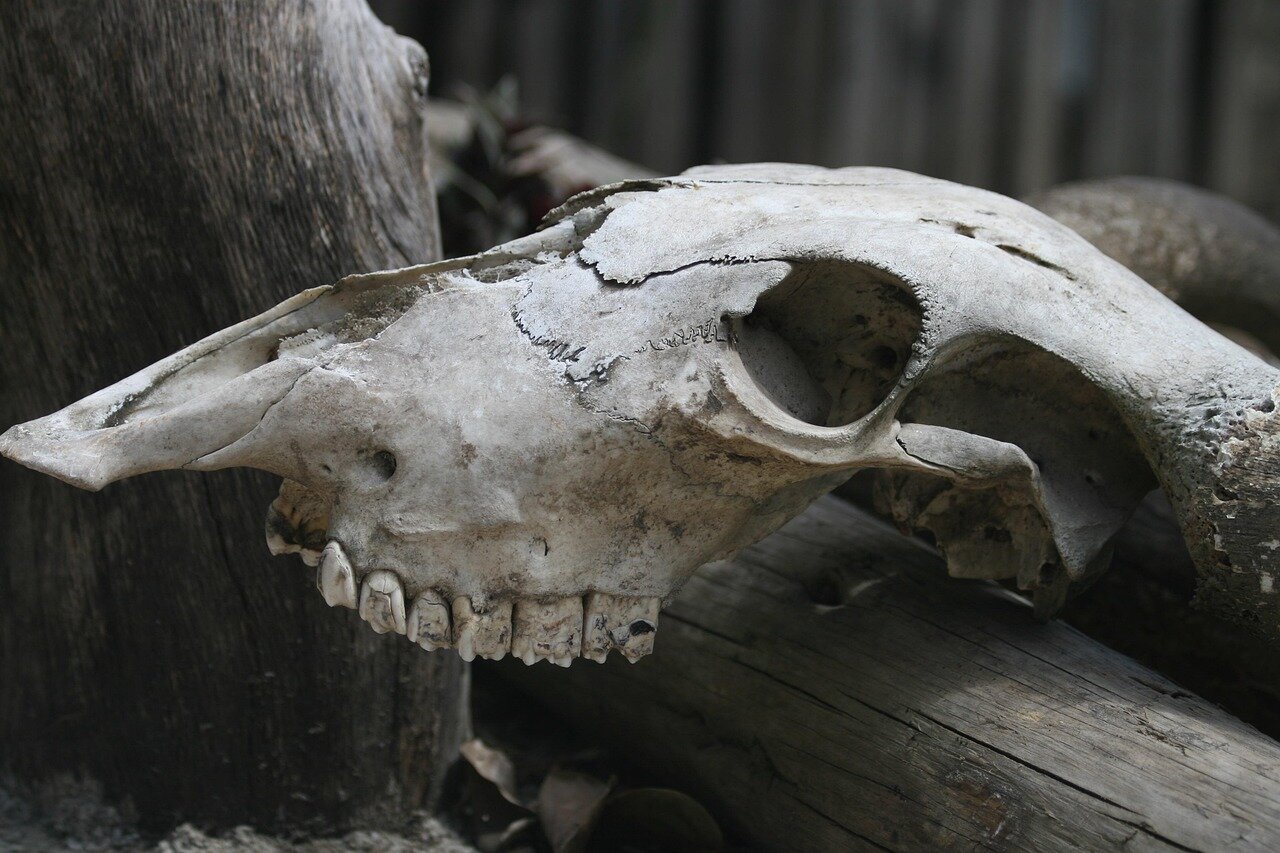
Understanding the significance of T rex fossils in research
The discovery of Tyrannosaurus rex fossils has revolutionized our understanding of prehistoric life and the evolutionary history of dinosaurs. These fossils provide invaluable insights into the anatomy, behavior, and ecology of one of the most iconic predators to have ever roamed the Earth. As such, they are not only crucial for scientific research but also hold significant cultural and educational value.
Historically, the T rex has been a focal point for paleontological studies since its first discovery in the early 20th century. The first nearly complete skeleton was unearthed in 1902, leading to a surge in interest and subsequent discoveries. Over the decades, T rex fossils have been the subject of extensive research, yielding information about its growth patterns, hunting strategies, and even its potential social behavior. This wealth of knowledge underscores the importance of preserving these fossils for future generations of scientists.
However, the sale of multimillion-dollar T rex skeletons poses a significant challenge to the scientific community. As private collectors and auction houses increasingly acquire these fossils, access to critical specimens for research becomes limited. This trend raises ethical questions about the commodification of natural history and the implications for public knowledge. The tension between private ownership and public interest in paleontological resources is becoming more pronounced, as seen in high-profile auction events that draw international attention.
The economic implications of fossil sales
The financial stakes surrounding T rex skeletons have escalated dramatically in recent years, with some specimens fetching prices in the millions. This commercialization of fossils not only affects the availability of specimens for scientific inquiry but also influences the dynamics of fossil hunting and collection. As the market for dinosaur fossils grows, there is a risk that the focus will shift from research and education to profit, potentially leading to unethical practices such as looting and illegal trade.
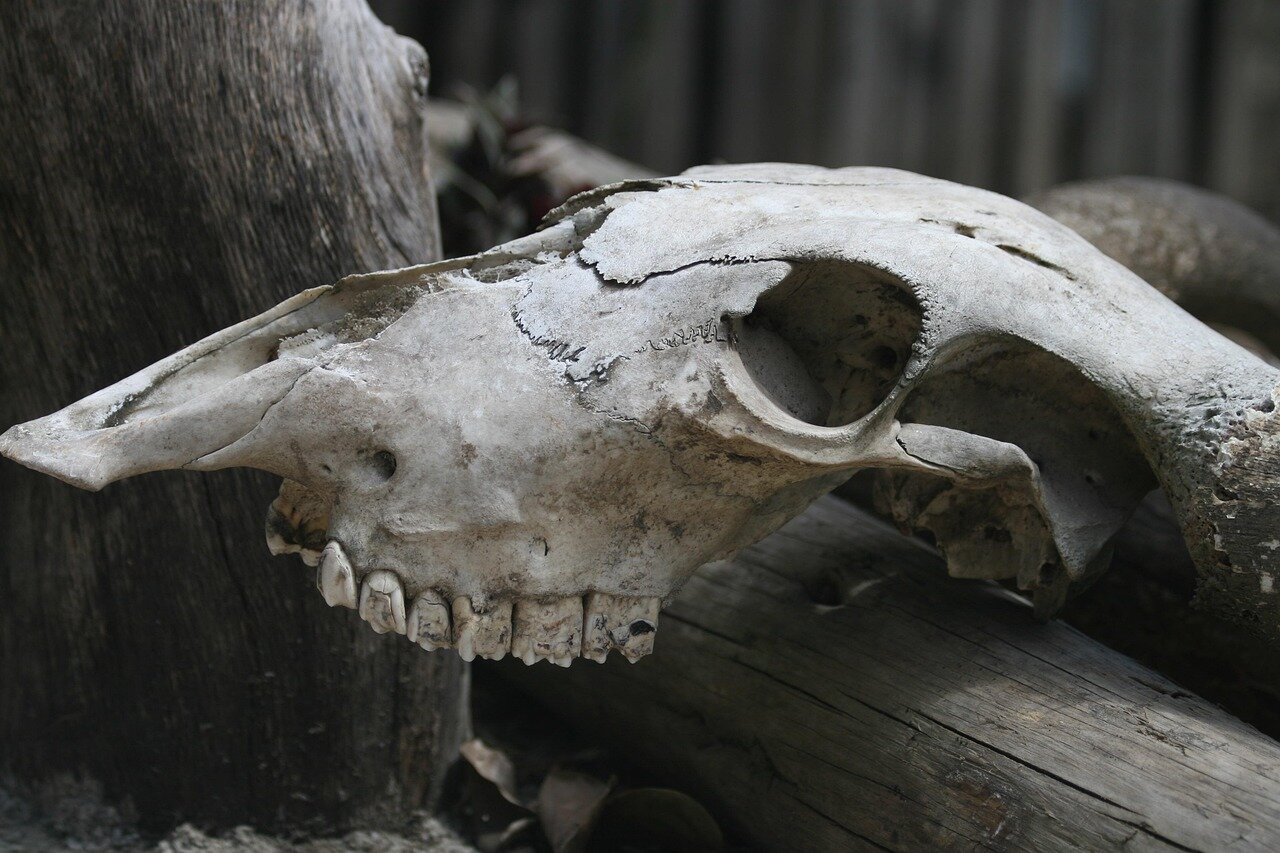
In conclusion, the sale of T rex skeletons highlights a broader conflict between scientific integrity and economic interests. As the debate continues, it is crucial for the scientific community, policymakers, and the public to engage in discussions about the future of paleontological research and the preservation of our natural heritage.
Key stakeholders and their perspectives on the sale
The sale of a multimillion-dollar T. rex skeleton has sparked significant debate among various stakeholders, each with unique interests and concerns. The primary actors in this scenario include scientists, museums, private collectors, and regulatory bodies, all of whom are navigating a complex landscape of ethical, legal, and economic issues. As seen in another recent discussion, the intersection of public interest and private ownership raises important questions.
Scientists and paleontologists are particularly concerned about the implications of such a sale on the field of paleontology. Their primary interest lies in the preservation of scientific integrity and the accessibility of fossils for research. Many argue that when valuable specimens are sold to private collectors, it limits opportunities for study and public education. Additionally, there is a fear that the commercialization of fossils may lead to unethical excavation practices and the loss of context that is crucial for scientific analysis.
Museums, as custodians of natural history, face a dilemma in this evolving landscape. They strive to acquire significant specimens for public display and education, yet often lack the financial resources to compete with private buyers. The trade-off here is between acquiring unique artifacts for public benefit and the risk of losing access to important scientific materials. Museums advocate for policies that would protect significant fossils from private ownership, arguing that such specimens should remain in the public domain.
Private collectors, on the other hand, view the acquisition of rare fossils as both an investment and a passion. They argue that their purchases can lead to preservation efforts and increased interest in paleontology. However, this perspective raises critical questions about ownership rights and the ethical considerations of collecting specimens that hold significant scientific value. The conflict between personal ownership and public interest is a central issue in this debate.
- Potential for reduced scientific access to significant fossils.
- The financial disparity between museums and private collectors.
- Concerns over the ethical implications of fossil excavation and trade.
- Legal challenges surrounding fossil ownership and export regulations.
- The impact of private ownership on public education and awareness of paleontology.
Potential impacts on scientific research and public education
The recent sale of a multimillion-dollar T. rex skeleton has sparked a wave of concern among various stakeholders, primarily scientists, educators, and institutions involved in paleontological research. The auction has raised questions about the accessibility of important scientific specimens and the implications for future research initiatives.
One of the most affected groups includes academic institutions and museums, which rely on fossils for educational purposes and public engagement. The high price tag of such specimens may lead to a decrease in the number of fossils available for study, ultimately stifling scientific inquiry. This could hinder the ability of researchers to make new discoveries and share knowledge with the public.

Additionally, the sale impacts the broader community of educators and students. Schools that incorporate paleontology into their curricula may find it increasingly difficult to provide hands-on learning experiences. The lack of access to significant fossils could diminish students’ interest in the sciences, potentially leading to a decline in future scientists.
- Short-term risks: Reduced access to fossils for research and education.
- Mid-term risks: Potential decline in public interest in paleontology and related fields.
- Opportunities: Increased funding for private collectors and auction houses may lead to new markets for scientific specimens.
In the business sector, the auction could create a divide between private collectors and public institutions, leading to a competitive atmosphere where financial resources dictate access to scientific knowledge. This might prompt policymakers to reconsider regulations regarding the sale and ownership of significant fossils, balancing private interests with the public good.
A: The sale limits access to valuable fossils that could provide insights into dinosaur biology and behavior. It also raises ethical concerns about the commercialization of scientific artifacts. A: The identity of the buyer has not been fully disclosed, but it is known that the skeleton was sold at auction to a private collector. A: Public museums may face challenges in acquiring significant fossils for educational purposes, potentially limiting public access to important scientific discoveries. A: Scientists study T rex fossils through careful excavation, analysis of bone structure, and comparison with other dinosaur species to understand their evolution and ecology. A: While the skeleton is in private hands, access for scientific study may be restricted, making it difficult for researchers to gain insights from it.
Frequently asked questions about the T rex skeleton sale
Looking ahead at the implications of this sale for paleontology
The recent sale of a multimillion-dollar T. rex skeleton has stirred significant debate within the scientific community, raising concerns about the accessibility of crucial fossil specimens for research and education. As private collectors increasingly dominate the fossil market, the implications for paleontological studies and public engagement with science are profound. This trend could lead to a future where vital specimens are locked away from researchers, hindering advancements in our understanding of prehistoric life.
Moreover, the sale highlights the growing divide between commercial interests and scientific inquiry. As the market for rare fossils expands, it becomes essential to consider how this affects not only the field of paleontology but also the ethical responsibilities of collectors and institutions. Moving forward, stakeholders must navigate these challenges to ensure that the scientific community retains access to important specimens for ongoing research and education.
- The rise of private fossil ownership may limit access to key specimens for scientific research.
- Increased commercialization could drive up prices, making it difficult for institutions to acquire important fossils.
- Ethical considerations surrounding fossil collection and ownership will become increasingly important in future discussions.
- Collaborative efforts between private collectors and scientific institutions may be necessary to balance interests.
- Public awareness and advocacy for preserving fossils in public collections could influence future policies and practices.