


The flooding has caused disruptions in transportation, with multiple roadways submerged and public transit systems facing delays. Emergency services are actively responding to reports of stranded vehicles and individuals in affected neighborhoods, highlighting the immediate dangers posed by the rapid onset of flooding.
The situation is exacerbated by the ongoing challenges of urban infrastructure, which struggles to cope with such intense rainfall, raising concerns about long-term resilience in the face of climate-related weather events. For more information about similar issues, see the article on Texas floods.
This weather event is part of a broader pattern of increasing precipitation and extreme weather incidents observed across the northeastern United States, sparking discussions about climate change and its impact on urban planning and emergency preparedness.
Understanding the weather patterns behind the storms
The recent torrential rain that hit New York and New Jersey, leading to flash floods, can be traced back to a series of climatic changes and weather patterns that have intensified over the years. Meteorologists have noted an increase in the frequency and severity of extreme weather events in the northeastern United States, largely attributed to climate change. The warming of ocean waters has resulted in more moisture being available in the atmosphere, which can lead to heavier rainfall during storm events.
This event marked a turning point in how residents and officials perceive the risks associated with heavy rainfall and flooding, leading to increased discussions about infrastructure resilience and climate adaptation strategies. These discussions are crucial as they relate to findings on emergency preparedness.

Economically, the impact of such storms is profound. Flooding can disrupt local businesses, damage homes, and strain public resources. The Federal Emergency Management Agency (FEMA) has had to respond to numerous declarations of disaster in recent years, highlighting the financial burden that these weather events impose on both local and federal governments. Communities are now grappling with the costs of recovery and the need for proactive measures to mitigate future risks.
Social implications of increased flooding
The social ramifications of these flooding events are also significant. Many low-income neighborhoods often bear the brunt of flooding due to inadequate infrastructure and resources. This disparity raises critical questions about environmental justice and the need for equitable solutions that address the vulnerabilities of marginalized communities. As awareness of these issues grows, community organizations and local governments are increasingly advocating for policies that prioritize sustainable development and disaster preparedness.
Key stakeholders and their responses to the flooding
The recent torrential rain that hit New York and New Jersey has brought to the forefront several key stakeholders, each with distinct interests and responsibilities. Among these stakeholders are local government agencies, emergency services, residents, and environmental organizations. Their responses to the flooding reveal a complex interplay of interests and challenges.
Local government agencies, such as the New York City Department of Environmental Protection and New Jersey’s Office of Emergency Management, are primarily focused on public safety and infrastructure resilience. They are tasked with coordinating emergency responses, assessing damage, and implementing recovery plans. However, they also face criticism regarding preparedness and the effectiveness of existing drainage systems, which have proven inadequate during extreme weather events.
Emergency services, including police and fire departments, play a critical role in rescue operations and maintaining order during crises. Their primary concern is ensuring the safety of affected residents and minimizing loss of life. However, the increased demand for resources during such events often leads to logistical challenges and strains on personnel, highlighting the need for better funding and support.
- Residents: Many individuals and families are directly impacted by the flooding, facing property damage and displacement. Their interests lie in receiving timely assistance, financial support, and clear communication from authorities.
- Environmental organizations: Groups advocating for sustainable urban planning and climate resilience stress the importance of addressing the root causes of flooding, such as climate change and inadequate infrastructure. They often clash with development interests that prioritize short-term economic gains over long-term environmental sustainability.
- Insurance companies: The flooding raises significant legal and economic issues regarding claims and coverage. Insurers must navigate the complexities of natural disaster policies, which can lead to disputes with homeowners over compensation and liability.
The interplay between these stakeholders highlights the trade-offs and conflicts that arise in disaster management. While local governments aim to balance immediate response needs with long-term planning, residents seek quick relief and support. Meanwhile, environmental groups advocate for systemic changes to prevent future occurrences, often at odds with economic interests that prioritize development over sustainability.
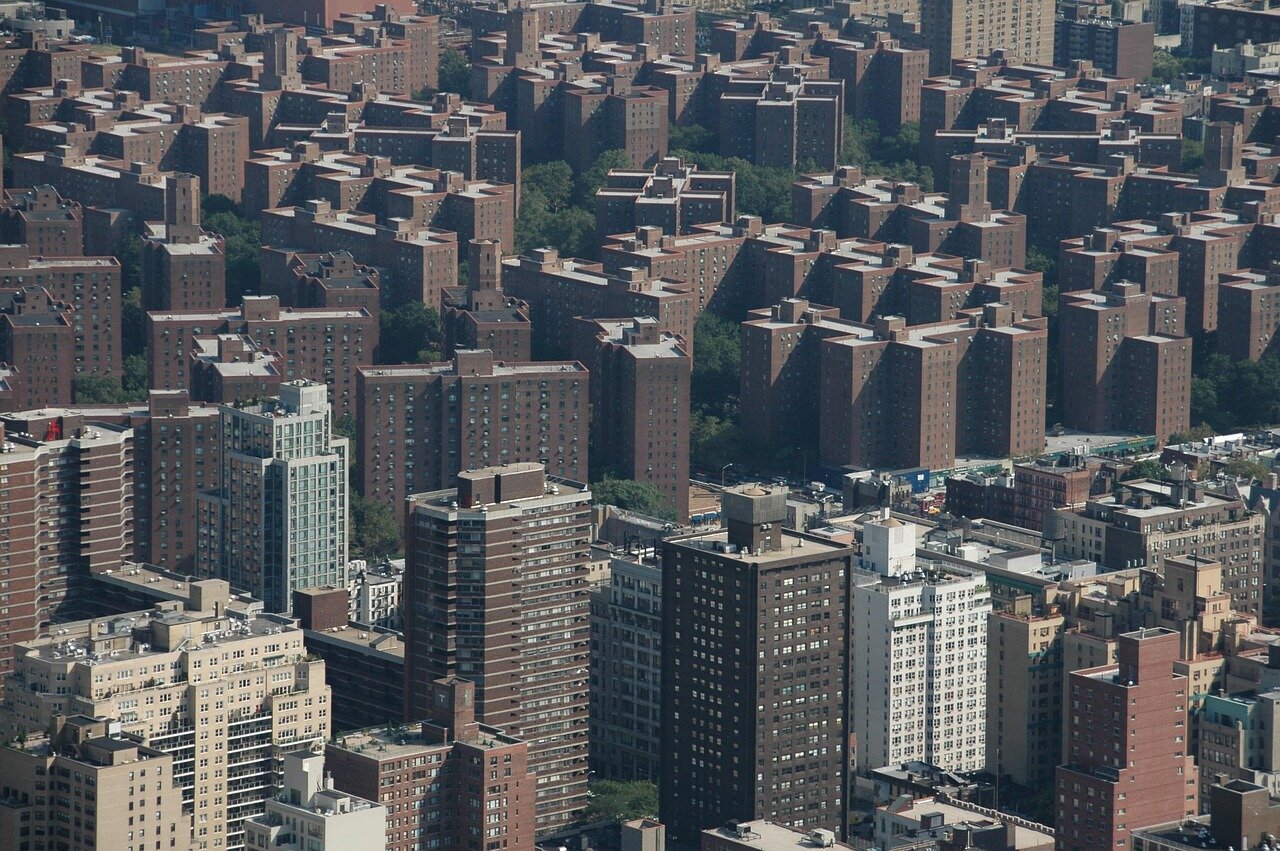
Effects of the flooding on local communities and businesses
Vulnerable populations, including the elderly and those with disabilities, are particularly affected as access to emergency services becomes limited. This highlights the urgent need for policies that address these disparities, a topic further explored in discussions about community resilience.
Businesses, especially small enterprises and local retailers, are experiencing short-term disruptions due to the flooding. Many shops have had to close temporarily, resulting in lost revenue and potential layoffs. The hospitality sector, which relies heavily on tourism, is also feeling the impact as visitors are discouraged from traveling to the region during adverse weather conditions.
In the mid-term, the flooding may lead to policy changes as local governments reassess infrastructure resilience and emergency response strategies. There may be increased investment in flood prevention measures, which could create opportunities for construction and engineering firms specializing in sustainable urban development. However, the economic strain on affected communities may also lead to budget cuts in other essential services.
- Increased demand for emergency services and relief efforts.
- Potential rise in construction jobs related to infrastructure repair.
- Long-term shifts in urban planning and development policies.
- Heightened awareness of climate-related risks among residents and businesses.
While the immediate aftermath of the floods presents numerous challenges, there are also opportunities for innovation in flood management and community resilience. Local governments and businesses may collaborate on initiatives that promote sustainability and preparedness, ultimately fostering a stronger, more resilient economy in the face of climate change.
A: Areas in both New York and New Jersey, particularly low-lying neighborhoods, have experienced the worst of the flooding. Emergency services are actively assessing damage and providing assistance. A: Residents should avoid flooded areas, stay indoors if possible, and follow local authorities’ guidance. It’s essential to have an emergency plan and supplies ready. A: Local governments are deploying emergency services and working on immediate recovery efforts. Long-term solutions include infrastructure improvements to manage heavy rainfall. A: Meteorologists are monitoring weather patterns closely. While some rain is expected, forecasts will provide updates on potential severe weather. A: Community organizations are coordinating relief efforts. Donations of supplies or financial contributions to local charities can make a significant impact.
Frequently asked questions about the flooding
Looking ahead: recovery efforts and future weather predictions
The recent torrential rain that struck New York and New Jersey has underscored the region’s vulnerability to extreme weather events. As communities begin to assess the damage and initiate recovery efforts, it is essential to consider the implications of such climate patterns on infrastructure, emergency response systems, and public safety. The forecast for the coming weeks suggests that similar weather conditions may persist, necessitating preparedness and resilience strategies for residents and local authorities alike.
Moving forward, it will be crucial to monitor ongoing recovery efforts and evaluate how effectively local governments can respond to these challenges. Additionally, the potential for future storms emphasizes the importance of investing in infrastructure upgrades and enhancing community awareness regarding flood risks.
- Communities should prioritize the assessment of infrastructure resilience to withstand extreme weather events.
- Local governments must enhance emergency response protocols to ensure swift action during severe weather conditions.
- Residents are encouraged to stay informed about weather forecasts and flood warnings to take proactive measures.
- Investing in green infrastructure solutions can mitigate future flooding risks and promote sustainable urban planning.
- Collaboration between local agencies and community organizations can strengthen recovery efforts and support those affected by the floods.