


Released in October 2023, the film stars a diverse cast, including well-known actors who bring a fresh dynamic to the storyline. The premise revolves around the protagonist, Tim, who inadvertently discovers a method to hop through time, leading to a series of comedic misadventures. This film not only entertains but also prompts viewers to consider the ethical dilemmas associated with time travel, as discussed in other narratives.
Critics have noted that the film successfully balances humor with philosophical questions, making it relevant in today’s context where discussions about technology and its consequences are prevalent. The narrative cleverly intertwines comedic elements with moments of reflection, prompting audiences to ponder the ramifications of their choices. Such themes resonate particularly well in an era marked by rapid technological advancements.
As the film gains traction in theaters, it has sparked debates on social media platforms, with viewers sharing their interpretations of the time travel paradox. This engagement highlights the film’s impact, suggesting that it may influence future projects within the genre. The ongoing dialogue around the film underscores its significance in shaping contemporary narratives about time travel and its implications on human behavior.
Understanding the concept of time travel in popular culture
Time travel has long fascinated humanity, serving as a potent narrative device in literature, film, and television. Its roots can be traced back to early science fiction, with H.G. Wells’ seminal work, “The Time Machine,” published in 1895, which introduced the idea of traversing time as easily as space. This concept has evolved, influencing countless stories and spawning a myriad of interpretations that explore the complexities and paradoxes associated with time travel.

In the decades that followed, time travel narratives began to intertwine with societal concerns and technological advancements. The post-World War II era, marked by rapid scientific progress and the advent of the Space Age, prompted a renewed interest in the possibilities of time travel. Films like Back to the Future and ‘Doctor Who’ not only entertained audiences but also reflected contemporary anxieties about the future, identity, and the consequences of human actions across time.
The Time Traveler’s Paradox
One of the most enduring themes within time travel stories is the time traveler’s paradox, which raises questions about causality and the nature of reality. This paradox often challenges characters to confront the implications of their actions in the past and how they can alter the present and future. As seen in various narratives, including ‘Tim Travers and the Time Traveler’s Paradox,’ this theme invites audiences to ponder profound philosophical questions about free will, destiny, and the interconnectedness of time, much like themes explored in the article about The Evolution of Heated Rivalry.
Moreover, the comedic interpretation of time travel, as exemplified in “Tim Travers,” allows for a fresh exploration of these themes. By blending humor with complex ideas, the film engages viewers in a dialogue about the absurdities and challenges that come with manipulating time. This approach not only entertains but also encourages reflection on the broader implications of time travel in our own lives, making the concept both accessible and thought-provoking.
As time travel continues to captivate creators and audiences alike, it remains a mirror reflecting societal hopes, fears, and the unending quest for understanding the fabric of time itself. The evolution of this genre illustrates how cultural narratives can shape our perceptions of reality and provoke meaningful discussions about our place in time.
Key themes and issues presented in the film
The film “Tim Travers and the Time Traveler’s Paradox” explores a variety of themes that resonate with audiences, particularly the implications of time travel on personal relationships and societal norms. As the protagonist navigates through different timelines, the narrative raises questions about the nature of choice and consequence, ultimately reflecting on how our decisions shape our identities.

One of the primary actors in this narrative is Tim Travers, whose journey through time illustrates the personal stakes involved in altering past events. His interests lie in correcting mistakes and achieving personal fulfillment, which often conflicts with the potential repercussions on his loved ones and the broader timeline.
In addition to the individual narrative, the film introduces various organizations and governments that regulate time travel. These entities are depicted as having vested interests in maintaining the integrity of historical events, often leading to conflicts with time travelers who seek to change their pasts. The legal and ethical implications of time travel are significant, raising questions about accountability and the potential for abuse of power.
- Personal Relationships: The film highlights how time travel complicates interpersonal dynamics, as characters grapple with the effects of their choices across timelines.
- Regulatory Bodies: The portrayal of organizations tasked with overseeing time travel introduces a layer of bureaucracy that complicates the protagonist’s journey.
- Consequences of Actions: The film emphasizes the ripple effects of altering past events, showcasing how seemingly small changes can lead to significant outcomes.
- Ethical Dilemmas: Characters face moral quandaries regarding the right to change one’s fate versus the potential harm to others.
This multifaceted approach allows the film to engage with complex themes, prompting viewers to reflect on the broader implications of time travel beyond mere entertainment. By intertwining personal and societal stakes, “Tim Travers and the Time Traveler’s Paradox” invites audiences to consider the intricate balance between individual desires and collective history.
How the film affects audiences’ perception of time travel
The release of ‘Tim Travers and the Time Traveler’s Paradox’ has sparked significant interest in the concept of time travel, affecting various groups including moviegoers, educators, and the tech industry. Audiences are not only entertained but also prompted to rethink the implications of time travel on their understanding of reality and causality.
In the short term, the film is likely to influence the entertainment industry by leading to an increase in time travel-themed content across various media platforms. This surge could benefit filmmakers and writers, creating a ripple effect that encourages more innovative storytelling. Additionally, the film’s comedic approach may make the concept of time travel more accessible, attracting a broader audience.
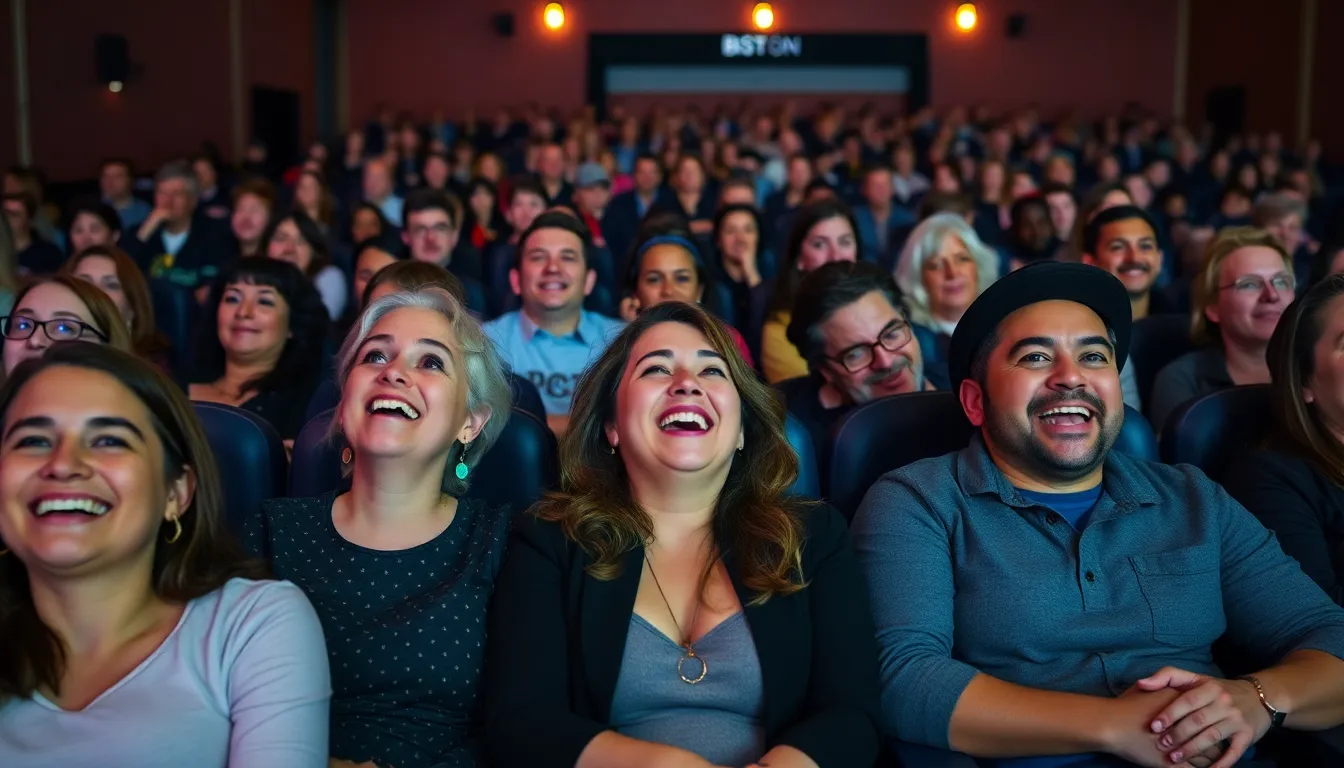
In the mid-term, educational institutions may find opportunities to incorporate discussions of time travel into their curricula, particularly in subjects like physics, philosophy, and ethics. This could foster greater interest in STEM fields among students, as they explore the scientific principles and moral dilemmas presented in the film.
- Risks: Misinterpretation of time travel theories could lead to misconceptions about science and reality.
- Opportunities: Increased public interest in science fiction can drive innovation in related technologies, such as virtual reality and simulation.
- Impact on Policy: As discussions around time travel and its implications grow, policymakers may need to address ethical considerations in technology development.
Overall, ‘Tim Travers and the Time Traveler’s Paradox’ serves as a catalyst for dialogue around time travel, influencing various sectors and encouraging both creative exploration and critical thinking about the future.
A: The film follows Tim Travers, a character who discovers the complexities and humorous situations that arise from time travel. It explores the paradoxes and dilemmas that come with altering time. A: The film effectively blends humor with deeper philosophical questions about time and existence, making it both entertaining and thought-provoking. A: The film features Tim Travers as the protagonist, along with a cast of supporting characters who each bring unique perspectives on time travel. A: While the film contains comedic elements, it also addresses complex themes that may resonate more with older audiences. Viewer discretion is advised. A: Several scenes showcase slapstick comedy and witty dialogues, particularly during Tim’s encounters with his past and future selves, leading to hilarious misunderstandings.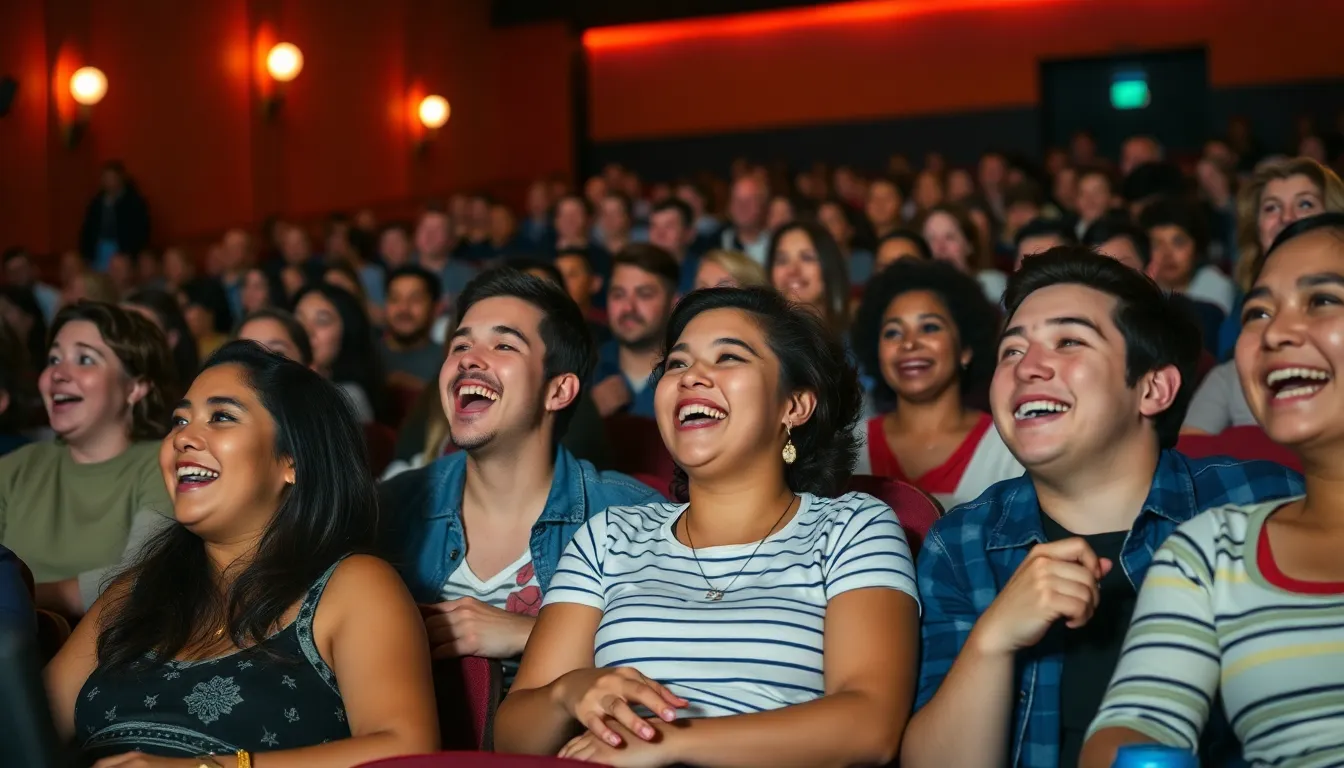
Frequently asked questions about the film
Key takeaways and future implications of the film’s themes
Tim Travers and the Time Traveler’s Paradox cleverly intertwines humor with profound philosophical inquiries about time travel and its consequences. The film not only entertains but also provokes thought regarding the nature of choice and the ripple effects of our actions across time. As audiences engage with its comedic narrative, they are prompted to reflect on the complexities of fate and free will, raising questions about how our decisions shape the future.
Looking ahead, the themes presented in the film can inspire discussions around time travel in popular culture, the ethical implications of altering timelines, and the impact of technology on our understanding of time. The balance of humor and existential inquiry may pave the way for future works that explore similar concepts, inviting viewers to ponder their own lives in the context of time.
- The film encourages a deeper examination of how our choices can lead to unforeseen consequences, both in fiction and real life.
- It highlights the importance of humor as a tool for addressing complex philosophical ideas, making them accessible to a wider audience.
- Future narratives may increasingly explore the ethical dilemmas associated with time travel, prompting audiences to consider the moral implications of their actions.
- The interplay of comedy and existential themes could influence upcoming films, fostering a trend of blending entertainment with thought-provoking content.
- As technology advances, discussions about the nature of time and reality may become more prevalent in both media and academic circles.