


The documentary features interviews with all original members, including Gary Barlow, Mark Owen, and Howard Donald, reflecting on their experiences and the challenges they faced over the decades. It also includes behind-the-scenes footage from their tours, showcasing the band’s dynamic performances and the strong connection they maintain with their fanbase.
As Take That continues to tour and release new music, their documentary serves as a timely reminder of their influence on pop culture. With hits like “Back for Good” and “Rule the World,” the band has consistently topped charts, and their ability to adapt to changing musical landscapes has contributed to their sustained popularity.
This documentary not only celebrates the band’s achievements but also highlights the broader theme of nostalgia in today’s entertainment landscape. As audiences increasingly seek comfort in familiar stories, Take That’s journey resonates with both long-time fans and new listeners alike, reinforcing their status as a beloved musical institution.
The band’s history and its impact on pop culture
Take That emerged in the early 1990s, a time when the UK music scene was dominated by boy bands and pop acts. Formed in 1990, the group consisted of Gary Barlow, Howard Donald, Jason Orange, Mark Owen, and Robbie Williams. Their debut album, “Take That & Party,” released in 1992, quickly catapulted them to fame, featuring hits like “It Only Takes a Minute” and “A Million Love Songs.” This initial success marked a significant moment in pop culture, as it signaled the return of boy bands to the forefront of the music industry, paving the way for future acts.

The band’s rise coincided with a broader cultural shift in the UK during the 1990s, characterized by a growing appetite for pop music and the emergence of television talent shows. Take That became a household name, appealing to a young demographic with their catchy tunes and polished performances. Their success was not just limited to music; they became fashion icons and influenced youth culture, showcasing a new wave of male pop stars who embraced a more sensitive and emotional image.
However, the band’s journey was not without its challenges. In 1995, Robbie Williams left the group, leading to speculation about the band’s future. Despite this setback, Take That continued to thrive, releasing their third album, “Nobody Else,” which included the hit single “Back for Good.” The band’s ability to evolve and adapt to changing musical trends helped them maintain their relevance in a rapidly shifting industry.
The impact of reunions and documentaries
Take That’s reunion in 2005 was a pivotal moment, not only for the band but also for the music industry as a whole. Their comeback album, “Beautiful World,” was met with critical acclaim and commercial success, demonstrating the enduring appeal of the group, much like the themes explored in Diane Warren’s reflections on her career.
Through their music, Take That has navigated the complexities of fame, personal struggles, and the ever-changing landscape of the entertainment industry. Their story is a reflection of a broader narrative within pop culture, illustrating how bands can influence societal trends and resonate with audiences across generations.
Key themes and issues explored in the documentary
The documentary on Take That delves into the journey of the iconic British pop group, highlighting the evolution of their music and the dynamics within the band. It showcases the personal and professional challenges faced by the members, as well as their impact on the music industry. Key stakeholders in this narrative include the band members themselves, their management team, and the record labels involved in their career.

One of the primary interests of the band members is to preserve their legacy while connecting with both old and new fans. They aim to share their story authentically, reflecting on their successes and struggles. The management team and record labels, on the other hand, are primarily focused on maximizing profits and maintaining the group’s marketability in a competitive industry.
Conflicts arise as the band navigates the balance between artistic expression and commercial viability, a struggle that resonates beyond music and is seen in various industries, similar to how Snap recently faced challenges in their social media landscape with legal issues related to user engagement.
- Artistic Integrity vs. Commercial Success: The documentary illustrates the ongoing struggle between staying true to their artistic vision and the pressures of the music industry.
- Interpersonal Relationships: It examines the personal dynamics within the band, including friendships and rivalries that have shaped their journey.
- Industry Changes: The film addresses how shifts in the music landscape, such as the rise of digital streaming, have influenced their career trajectory.
- Fan Engagement: It highlights the importance of maintaining a loyal fanbase and how the band interacts with their audience through various platforms.
- Legacy Building: The documentary reflects on the band’s desire to leave a lasting impact on the music scene and how they plan to achieve this.
Legal issues also play a role, particularly regarding copyright and intellectual property rights related to their music. The documentary may touch on past disputes or agreements that have influenced their ability to produce and distribute their work. Overall, the analysis of these stakeholders and issues provides a comprehensive view of the complexities involved in Take That’s ongoing narrative.
How the documentary affects fans and the music industry
Take That’s new documentary resonates deeply with fans, particularly those who have followed the band since its inception in the early 1990s. This nostalgic journey not only highlights the band’s evolution but also rekindles memories for long-time supporters, creating a sense of community among fans. The emotional connection established through the documentary can lead to increased engagement and interaction among fan groups, both online and offline.
The music industry stands to gain significantly from the documentary’s release. Record sales, streaming numbers, and concert ticket sales may see a boost as fans revisit Take That’s extensive discography. Additionally, the documentary may inspire other artists to share their own stories, leading to a wave of similar projects that focus on personal narratives within the music industry.
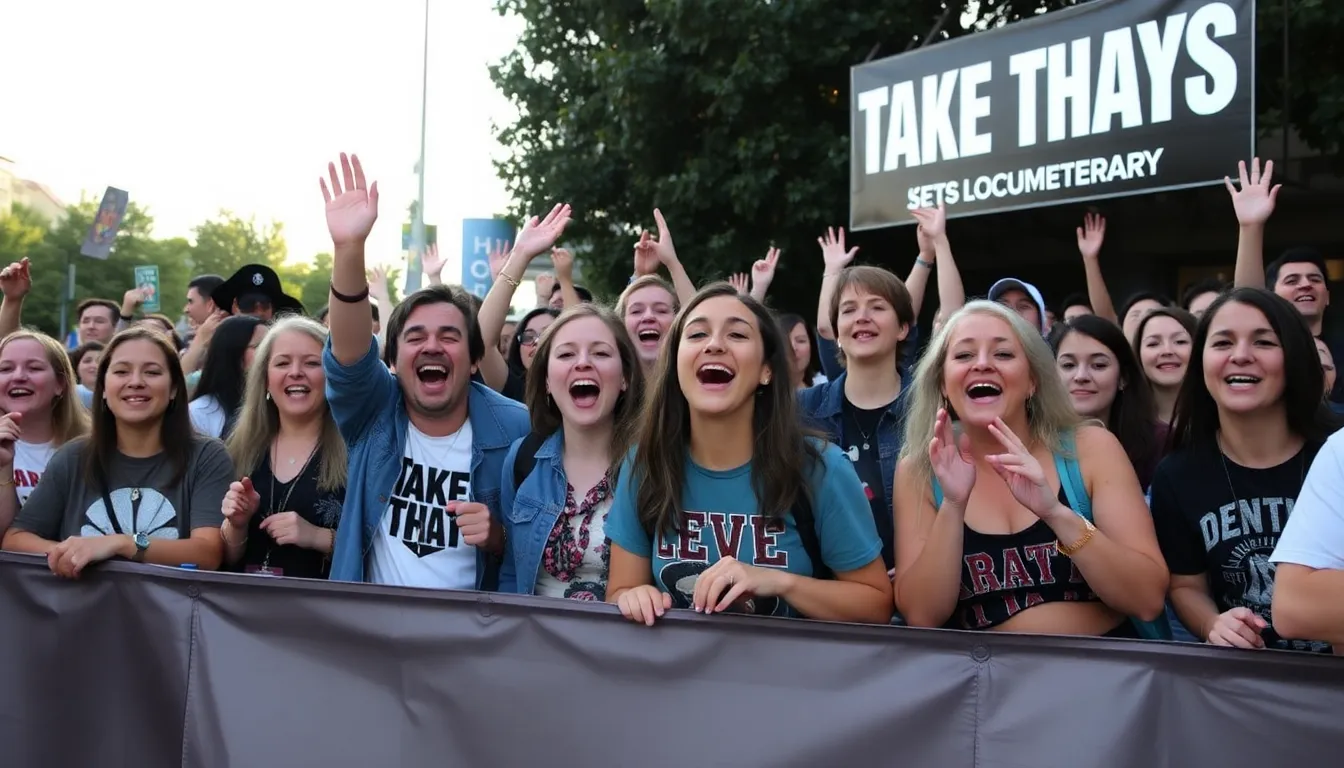
In the short term, the documentary’s release may lead to a surge in merchandise sales and a spike in social media activity related to Take That. Fans may organize viewing parties or discussions, further amplifying the band’s presence in popular culture. In the mid-term, as the documentary continues to circulate, there could be renewed interest in live performances, potentially leading to reunion tours or special events.
- Increased fan engagement: Fans are likely to connect more deeply with the band’s history.
- Boost in music sales: Sales of albums and streaming services may experience a rise.
- Opportunities for new projects: Other artists may be inspired to create similar documentaries.
- Potential for live events: Increased interest in concerts and live performances may emerge.
However, there are risks associated with such a documentary. If the narrative does not resonate with fans or fails to capture key moments in the band’s history, it could lead to disappointment and backlash. Additionally, the focus on nostalgia might overshadow the band’s current projects, potentially impacting their ongoing relevance in the music scene.
A: The documentary primarily focuses on Take That’s journey as a band, exploring their rise to fame, challenges, and the impact they’ve had on fans and the music industry. A: The documentary is set to be released on [insert release date], and fans are eagerly anticipating its debut. A: Yes, the documentary will include some previously unreleased tracks and insights into the band’s creative process. A: Fans can watch the documentary through [insert platform or channel], which will provide streaming options for viewers. A: The documentary is generally suitable for all ages, but parental guidance is suggested for younger viewers due to some themes discussed.
Frequently asked questions about the documentary
Insights and future outlook for Take That and their fans
The recent documentary on Take That not only revisits the band’s storied past but also sheds light on their evolving relationship with fans and the music industry. As the documentary unfolds familiar narratives of success, challenges, and reinvention, it prompts a reflection on the band’s enduring appeal and their ability to adapt to changing musical landscapes.
Looking ahead, Take That seems poised to continue their legacy while embracing new opportunities for connection with their audience. The documentary serves as a reminder of the power of storytelling in music, suggesting that the band’s journey will remain relevant as they explore innovative ways to engage with both long-time supporters and new listeners.
- Fans can expect a deeper engagement with the band through potential interactive content and events stemming from the documentary’s themes.
- The band’s history of reinvention may lead to new musical directions, keeping their sound fresh and appealing to diverse audiences.
- Take That’s narrative of resilience could inspire similar artists, fostering a culture of openness about the challenges faced in the music industry.
- As nostalgia continues to play a significant role in music consumption, Take That’s story may attract new fans who appreciate the blend of past and present.