


The newly developed synthetic cells, often referred to as “beautiful blobs,” are built using a combination of synthetic DNA and cellular components. These cells demonstrate the ability to grow and respond to environmental stimuli, showcasing the potential to create tailored organisms for specific applications. This innovation is not just a scientific curiosity; it holds the promise of revolutionizing various fields.
This innovation is not just a scientific curiosity; it holds the promise of revolutionizing various fields. For instance, synthetic cells could be used in drug delivery systems, environmental monitoring, or even in the production of biofuels. As the technology matures, it raises important ethical questions about the manipulation of life forms and the potential consequences of creating synthetic organisms.
As researchers continue to explore the possibilities of synthetic biology, the implications of their findings are becoming increasingly relevant. With ongoing studies and experiments, the scientific community is keenly focused on the potential applications and ethical considerations surrounding these advancements. The ability to create life-like cells in the lab marks a significant milestone in the quest to understand and harness the building blocks of life.
Understanding the significance of lab-made DNA in science
The development of synthetic life forms has long captivated scientists and the public alike, with roots tracing back to the early explorations of genetic engineering in the 1970s. The invention of recombinant DNA technology marked a pivotal moment, allowing researchers to splice genes from one organism into another, paving the way for advancements in biotechnology such as the creation of synthetic cells.

In the decades that followed, significant milestones such as the Human Genome Project, completed in 2003, further propelled the field of genetics. This ambitious endeavor not only mapped the entire human genome but also demonstrated the vast potential of synthetic biology, which includes innovations in areas like synthetic drug delivery systems.
The rise of synthetic biology
The emergence of synthetic biology in the early 2000s marked a transformative phase in the life sciences. Researchers began to synthesize entire genomes, with notable achievements including the creation of synthetic bacteria, such as the landmark work by the J. Craig Venter Institute in 2010. These advances showcased the ability to not only manipulate existing genetic material but to create entirely new organisms with tailored characteristics, igniting discussions about the ethical implications and potential applications of such technology.
As the field progressed, the political and economic landscape surrounding synthetic biology evolved as well. Governments and private sectors began to invest heavily in research and development, recognizing the potential for synthetic organisms to address pressing global challenges, from sustainable food production to medical advancements. However, this rapid advancement has also prompted regulatory bodies to grapple with the implications of creating synthetic life, raising questions about biosecurity, environmental impact, and ethical boundaries.
Today, the creation of ‘beautiful blobs’cells crafted from lab-made DNArepresents a significant step forward in synthetic biology. These innovations not only deepen our understanding of the fundamental principles of life but also signify a new era where scientists can engineer organisms with unprecedented precision. As researchers continue to push the boundaries of what is possible, the dialogue surrounding the implications of synthetic life will undoubtedly intensify, highlighting the need for careful consideration of the societal impacts of these groundbreaking technologies.
Key stakeholders and ethical considerations in synthetic life research
The development of synthetic life through lab-made DNA has attracted a diverse array of stakeholders, each with unique interests and concerns. Key actors include scientific researchers, biotechnology companies, governmental regulatory bodies, and ethical organizations. These stakeholders are motivated by various factors such as scientific advancement, commercial potential, regulatory compliance, and ethical implications.

Scientific researchers are primarily focused on understanding the fundamental principles of life and pushing the boundaries of biological science. Their interests lie in the potential for synthetic organisms to contribute to advancements in medicine, agriculture, and environmental sustainability. In contrast, biotechnology companies are driven by the commercial opportunities that synthetic life presents, including the development of new products and therapies that could lead to significant financial returns.
Governmental bodies play a crucial role in regulating synthetic biology. Their interests revolve around ensuring public safety, environmental protection, and compliance with ethical standards. This regulatory oversight is essential to address potential risks associated with synthetic organisms, such as ecological disruption or unintended consequences of releasing engineered life forms into the environment.
Ethical organizations and advocacy groups raise concerns about the moral implications of creating synthetic life. They emphasize the need for robust ethical frameworks to govern research and application in this field. Key issues include the potential for misuse of synthetic biology, the moral status of synthetic organisms, and the implications for biodiversity and natural ecosystems.
- Scientific Advancement: Researchers aim to explore the fundamental aspects of life and develop innovative applications.
- Commercial Interests: Biotechnology companies seek to capitalize on new technologies for profit and market expansion.
- Regulatory Compliance: Governments focus on establishing guidelines to ensure safety and ethical practices in synthetic biology.
- Ethical Concerns: Advocacy groups highlight the moral implications and risks associated with synthetic organisms.
- Public Perception: The general public’s acceptance and understanding of synthetic life can influence funding and policy decisions.
Potential implications for medicine and biotechnology
The development of synthetic cells using lab-made DNA has far-reaching implications for various groups, including researchers, healthcare professionals, and biotechnological companies. These innovations could revolutionize drug development, leading to more effective treatments and personalized medicine tailored to individual genetic profiles.
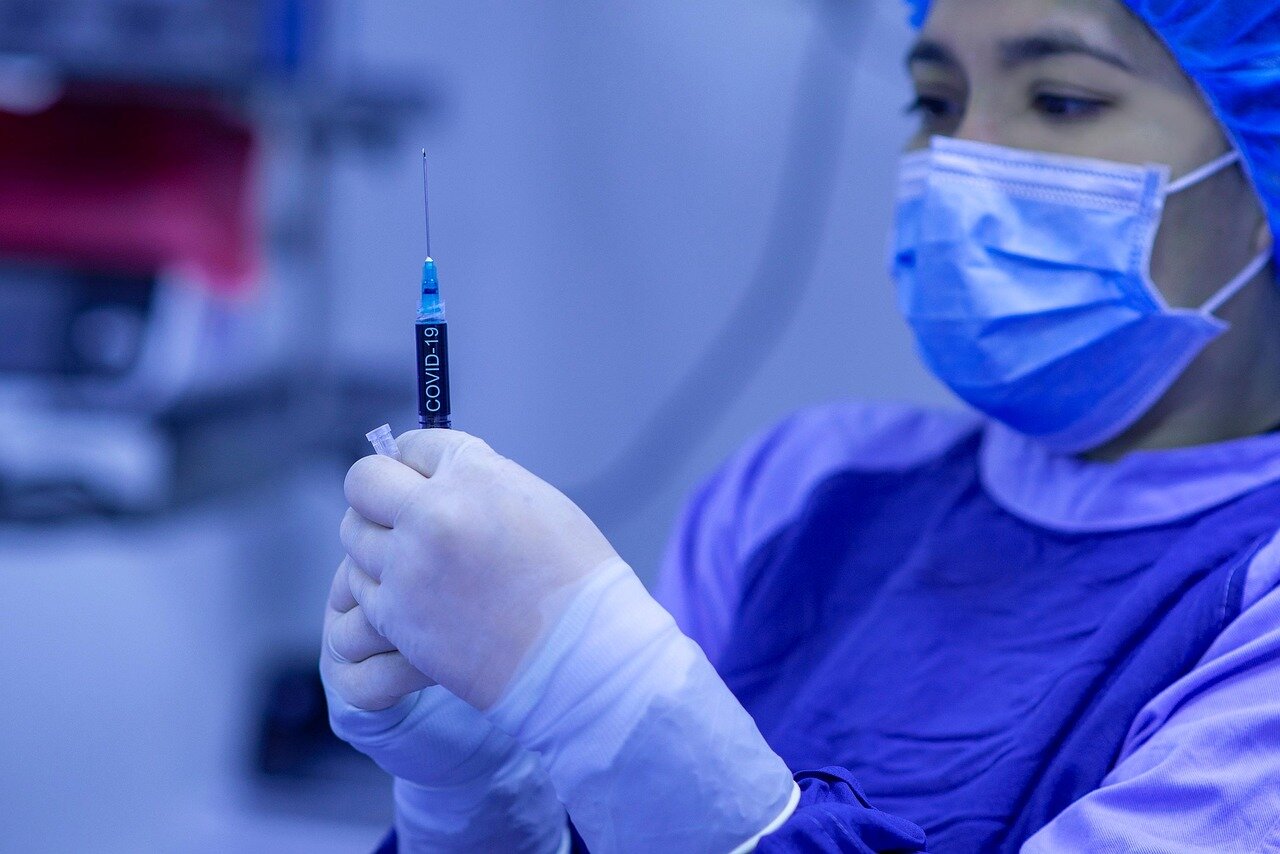
In the short term, industries involved in pharmaceuticals and biotechnology may experience increased investment as companies race to harness the potential of synthetic biology. This could lead to a surge in job opportunities in research and development, as well as in regulatory compliance as new products are developed and brought to market.
Mid-term impacts may include changes in healthcare policies as governments and regulatory bodies adapt to the new landscape of synthetic biology. There is potential for improved patient outcomes through advanced therapies, but also risks associated with ethical concerns and the possibility of unintended consequences from manipulating life at the cellular level.
- Healthcare professionals: May need to adapt to new treatment protocols and technologies.
- Biotech companies: Could see significant growth and new market opportunities.
- Regulatory bodies: Will face challenges in creating frameworks for synthetic biology products.
While the opportunities are promising, there are also risks to consider. Concerns about biosecurity, the potential for misuse of synthetic organisms, and ethical dilemmas surrounding the creation of life must be addressed to ensure responsible advancement in this field.
A: Synthetic life refers to organisms created through artificial means, often involving lab-made DNA. This field explores the possibilities of creating living cells that can perform specific functions. A: Lab-made DNA cells are created by synthesizing DNA sequences in a laboratory setting and then inserting them into a host cell. This process can lead to the development of new cellular functions. A: Ethical concerns include the potential for unintended consequences, the manipulation of life forms, and the implications for biodiversity. Scientists and ethicists are actively discussing these issues. A: Synthetic cells could have numerous applications, including in medicine for drug delivery, in environmental cleanup, and in bioengineering for sustainable production. A: Yes, there are risks such as ecological disruption and biosecurity threats. Researchers are working to establish guidelines to mitigate these risks.
Frequently asked questions about synthetic life
Future prospects and key takeaways from the research
The development of synthetic cells using lab-made DNA marks a significant milestone in synthetic biology, opening up new avenues for research and potential applications. This breakthrough not only enhances our understanding of cellular mechanisms but also raises critical questions about the ethical implications and future uses of synthetic life forms. As scientists continue to refine these techniques, the potential for innovation in medicine, environmental science, and biotechnology becomes increasingly tangible.
Monitoring the progress in this field will be essential, as advancements could lead to revolutionary applications, such as targeted drug delivery systems, bio-remediation strategies, and even new forms of sustainable energy. The implications of creating life-like systems in the lab urge a careful consideration of the responsibilities that come with such capabilities.
- Watch for advancements in targeted therapies that could emerge from synthetic cell technology, potentially revolutionizing treatment for various diseases.
- Consider the ethical discussions surrounding the creation of synthetic life forms and their implications for biodiversity and natural ecosystems.
- Stay informed about regulatory frameworks that may evolve in response to synthetic biology developments to ensure safe and responsible use.
- Explore the potential for synthetic cells in environmental applications, such as pollution cleanup and sustainable resource management.
- Anticipate collaborations between academia and industry as the commercial viability of synthetic biology increases, leading to new products and innovations.