


Statistics from the National Safety Council indicate that drowning is the leading cause of unintentional death for children aged 1 to 4. Furthermore, reports show that nearly 80% of children in this age group do not receive formal swimming lessons, highlighting a critical gap in water safety training that the swim club aims to address.
The swim club has proposed a partnership with local schools to implement mandatory water safety lessons in physical education curricula. This initiative is expected to not only improve swimming proficiency among students but also instill a sense of responsibility and awareness regarding water safety.
Community members have expressed support for the swim club’s initiative, recognizing the importance of equipping children with the skills necessary to navigate aquatic environments safely. As discussions continue, local officials are being urged to prioritize this issue in upcoming school board meetings.
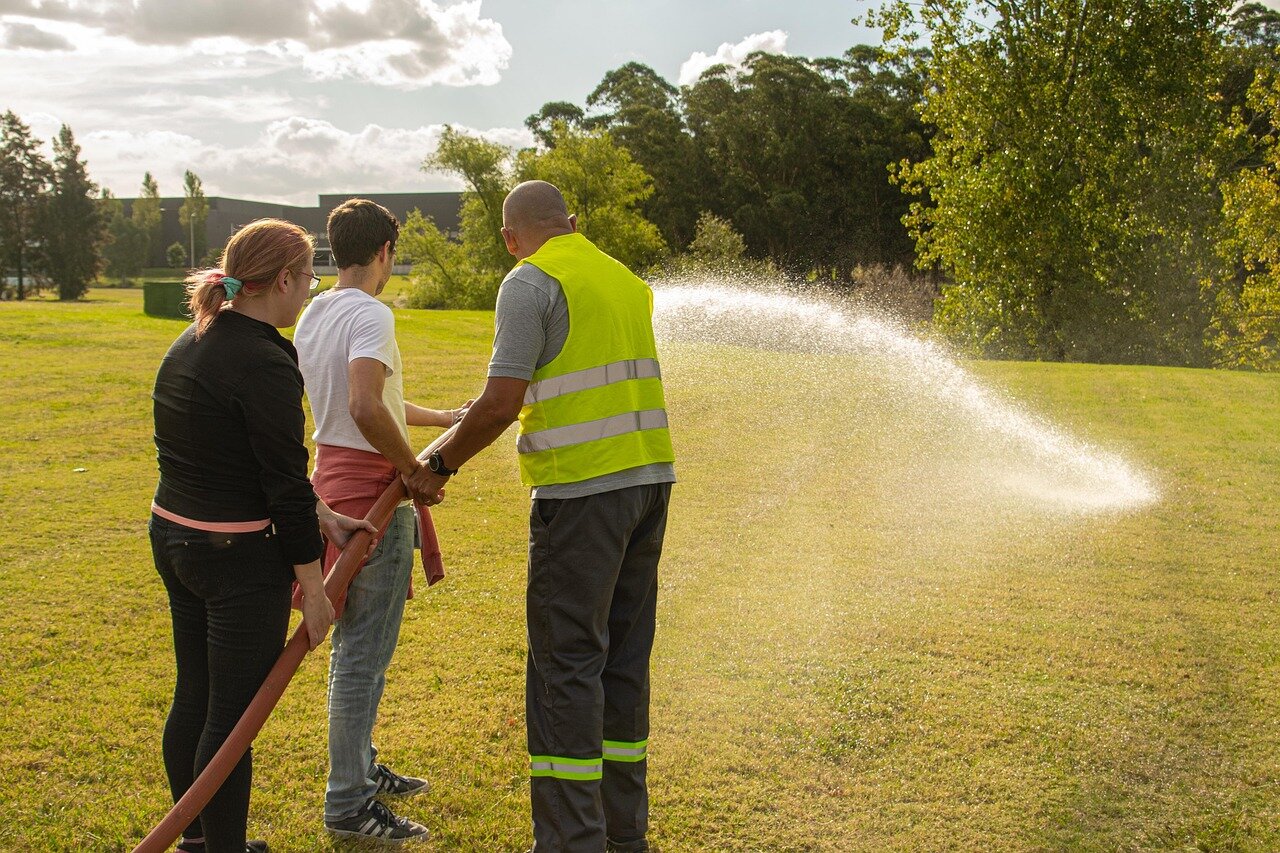
Understanding the importance of water safety education for children
Water safety education has long been a critical component of childhood development, particularly in communities where swimming is a common recreational activity. Historically, the push for water safety lessons gained momentum in the mid-20th century, coinciding with a rise in public swimming facilities and a growing awareness of drowning as a leading cause of accidental death among children. As recreational swimming became more popular, the need for structured education in water safety became apparent, leading to the establishment of various programs aimed at teaching children how to swim and stay safe around water.
In recent years, however, the conversation around water safety education has evolved, particularly in response to increasing statistics related to drowning incidents. According to the Centers for Disease Control and Prevention (CDC), drowning remains a leading cause of unintentional injury-related death for children aged 1 to 4 years. This alarming trend has prompted swim clubs and advocacy groups to call for more comprehensive water safety lessons to be integrated into school curriculums, emphasizing the need for proactive measures to protect children.
The Role of Community and Policy
Community involvement and policy-making play significant roles in shaping water safety education initiatives. In many regions, local governments and school districts have begun to recognize the necessity of implementing water safety programs as part of their public health strategies. Notable milestones include the introduction of state mandates requiring swimming lessons in schools, which have been successfully adopted in several states. These initiatives not only aim to reduce drowning rates but also promote a culture of safety and responsibility around water activities.
Furthermore, the economic implications of water safety education cannot be overlooked. Investing in swim education programs can lead to long-term savings for communities by reducing the costs associated with emergency responses and medical care for drowning incidents. As more swim clubs advocate for these lessons, the dialogue continues to shift towards viewing water safety education as an essential public service, rather than an optional extracurricular activity.

As swim clubs rally for enhanced water safety education, the historical context and ongoing advocacy efforts highlight the urgent need for systemic changes within school systems. By prioritizing water safety lessons, communities can work towards ensuring that every child is equipped with the knowledge and skills necessary to navigate aquatic environments safely.
Key stakeholders and issues surrounding water safety education
The call for increased water safety lessons in schools has brought together a variety of stakeholders, each with distinct interests and concerns. Key actors include local swim clubs, educational institutions, government bodies, and parents. Local swim clubs advocate for enhanced water safety education to reduce drowning incidents, which they view as a critical public safety issue. Educational institutions, on the other hand, must balance curriculum requirements with resource allocation, often leading to conflicts over prioritization of such programs.
Government agencies, particularly those responsible for public health and education, play a pivotal role in shaping policies related to water safety education. They are tasked with ensuring that schools meet safety standards while also managing budgets and resources. This can result in trade-offs, such as the potential reduction of funding for other physical education programs to accommodate water safety lessons.
Parents are another essential stakeholder group, as they are directly invested in their children’s safety and well-being. Many parents support the initiative for more comprehensive water safety education, recognizing the importance of equipping children with essential life skills. However, some may have concerns about the implementation of such programs, including the qualifications of instructors and the adequacy of facilities.

- Resource allocation: Schools may struggle to find time and funding for additional water safety lessons.
- Instructor qualifications: Ensuring that instructors are properly trained and certified is crucial for effective education.
- Public awareness: There is a need for greater community awareness regarding the importance of water safety education.
- Policy implications: Government policies will need to adapt to support the integration of water safety into school curriculums.
- Long-term benefits: Investing in water safety education can lead to a decrease in drowning incidents and improve overall community health.
The potential impact of improved water safety lessons on community safety
The call for enhanced water safety lessons in schools primarily affects students, parents, and educators. By prioritizing water safety education, schools can equip children with essential skills to navigate aquatic environments safely. This initiative could significantly reduce the number of drowning incidents, benefiting families and communities alike.
In the short term, implementing these lessons may lead to increased demand for qualified instructors and resources, creating job opportunities in the education and swimming instruction sectors. Schools may also see a shift in policy as they adopt more comprehensive safety programs, which could lead to additional funding for aquatic facilities and resources.
Mid-term impacts could include a cultural shift towards prioritizing water safety within communities. Parents may become more engaged in discussions about swimming education, advocating for better facilities and programs. This heightened awareness could also influence local businesses, such as swim schools and recreational centers, leading to increased enrollment and potential expansion of services.

- Reduction in drowning incidents.
- Job creation for swim instructors and safety educators.
- Increased community engagement in water safety initiatives.
- Potential for local businesses to thrive through enhanced demand.
However, there are risks associated with this initiative. Schools may face budget constraints that limit the implementation of comprehensive water safety programs. Additionally, if not executed effectively, there is a potential for misinformation about water safety practices, which could undermine the benefits of the program. Addressing these challenges will be crucial to ensure the success of the initiative.
A: Water safety education is crucial as it teaches children how to behave safely around water, reducing the risk of drowning. It equips them with essential skills and knowledge to protect themselves and others. A: Lessons should cover topics such as swimming techniques, recognizing dangerous situations, and basic rescue skills. Additionally, understanding the importance of supervision around water is vital. A: Parents can advocate for water safety programs by communicating with school officials, volunteering for swim safety events, and encouraging their children to participate in swimming lessons. A: Drowning is a leading cause of accidental death for children, particularly those aged 1 to 4. Statistics show that proper education and training can significantly reduce these incidents.
Frequently asked questions about water safety education
Looking ahead: The future of water safety education in schools
As discussions around water safety education gain momentum, the role of schools in fostering essential life skills becomes increasingly critical. The recent call from local swim clubs highlights a growing recognition of the need for comprehensive water safety lessons within school curricula. This initiative not only addresses immediate safety concerns but also promotes a culture of awareness and preparedness among students.
Moving forward, collaboration between educational institutions, community organizations, and parents will be vital in ensuring that water safety becomes a fundamental aspect of children’s education. By integrating practical lessons and hands-on experiences, schools can equip students with the knowledge and skills necessary to navigate aquatic environments safely.
- Increased advocacy: Expect to see more community-driven initiatives pushing for water safety programs in schools.
- Curriculum development: Schools may begin to incorporate water safety lessons into physical education or health classes.
- Partnerships: Collaborations with local swim clubs and safety organizations could provide resources and expertise for effective teaching.
- Parental involvement: Engaging parents in discussions about water safety can enhance awareness and support for school programs.
- Long-term benefits: Improved water safety education may lead to a decline in drowning incidents and better overall water competency in the community.