


According to a recent report by Airbnb, wellness-related searches have increased by over 60% since 2020. This statistic underscores a growing recognition among travelers that relaxation and rejuvenation are essential components of their trips. Property owners have responded to this demand by incorporating spa-like features into their listings, transforming ordinary homes into serene retreats.
Notably, regions known for their natural beauty, such as the Pacific Northwest and the Rocky Mountains, have seen a rise in these unique accommodations. Many hosts are leveraging local resources, such as hot springs or scenic landscapes, to enhance the wellness experience. As a result, these properties not only attract health-conscious travelers but also contribute to local tourism economies.
Furthermore, the integration of wellness amenities is not limited to luxury properties. Affordable listings are also embracing this trend, making wellness retreats accessible to a broader audience. This democratization of wellness travel reflects a significant shift in consumer behavior, as more individuals prioritize their well-being during their travels.
Understanding the Spa-Inspired Accommodation Trend
In recent years, the trend of spa-inspired accommodations has surged in popularity, reflecting a broader societal shift towards wellness and self-care. This movement can be traced back to the growing awareness of mental health and the importance of relaxation in our fast-paced lives. As urbanization and work-related stress have increased, many individuals are seeking refuge in environments that promote tranquility and rejuvenation.
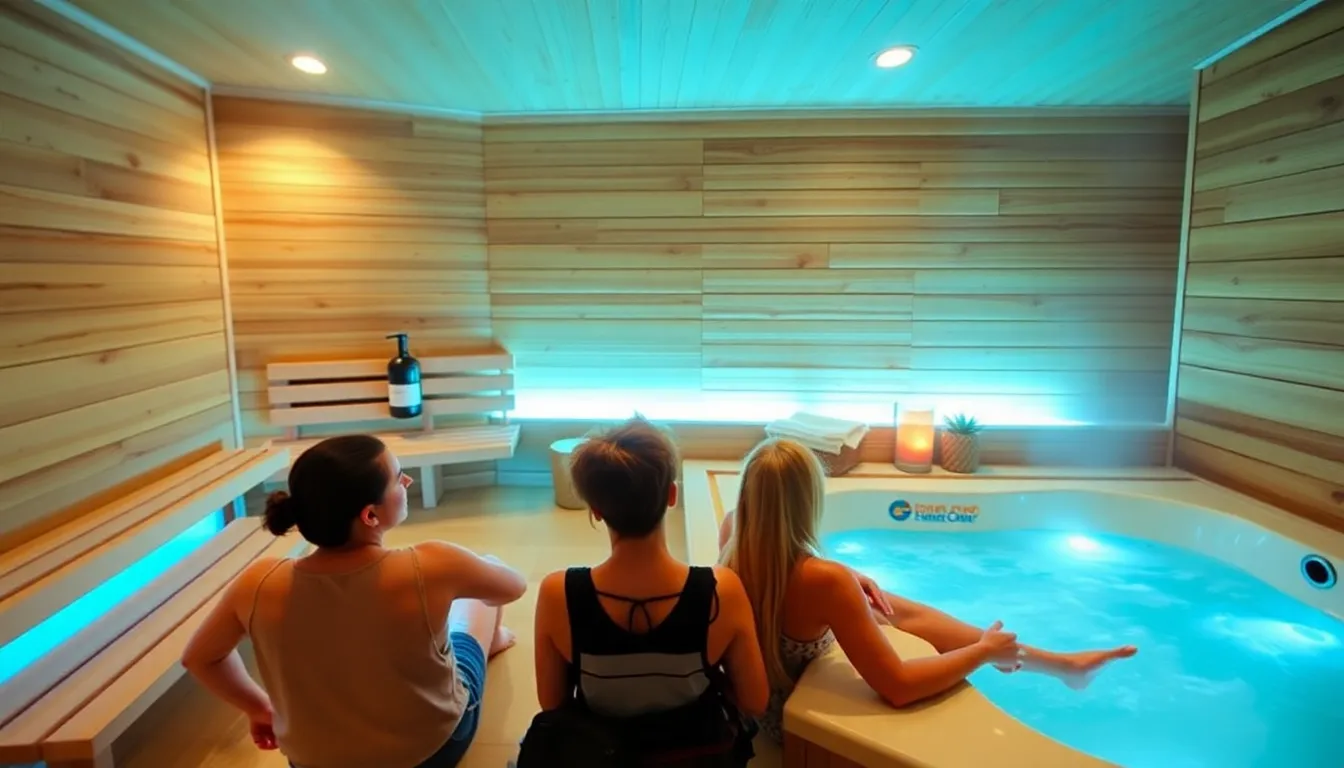
The rise of platforms like Airbnb has democratized access to unique lodging experiences, allowing homeowners to transform their properties into wellness retreats. This shift has been fueled by the desire for personalized travel experiences that go beyond traditional hotel offerings. The integration of amenities such as saunas, cold plunges, and hot tubs caters to the modern traveler’s quest for holistic well-being, making these accommodations particularly appealing.
The Economic Impact of Wellness Tourism
Wellness tourism has emerged as a significant economic force, with travelers increasingly willing to invest in experiences that enhance their physical and mental health. According to industry reports, the wellness tourism market has seen substantial growth, outpacing traditional tourism sectors. This trend has prompted property owners to capitalize on the demand for spa-inspired amenities, thereby creating a niche market within the short-term rental industry.
Additionally, the COVID-19 pandemic has accelerated this trend, as individuals sought safe and secluded getaways that prioritize health and wellness. This shift in consumer behavior has led to a reevaluation of travel priorities, with many now favoring destinations that offer relaxation and rejuvenation over more conventional sightseeing experiences. As a result, the proliferation of spa-inspired Airbnbs is not merely a passing fad, but a reflection of evolving travel preferences and lifestyle choices.
Key Features That Attract Guests to Spa-Inspired Airbnbs
The growing popularity of spa-inspired Airbnbs can be attributed to various stakeholders, including property owners, local governments, and tourists seeking relaxation and wellness experiences. Each of these actors has distinct interests that shape the market for these unique accommodations.
Property owners are primarily motivated by the potential for higher rental income. By offering amenities such as saunas, cold plunges, and hot tubs, they can differentiate their listings and attract a niche market willing to pay a premium for wellness-focused experiences. However, the investment in these features can be substantial, leading to conflicts between the desire for profitability and the costs associated with maintenance and compliance with local regulations.
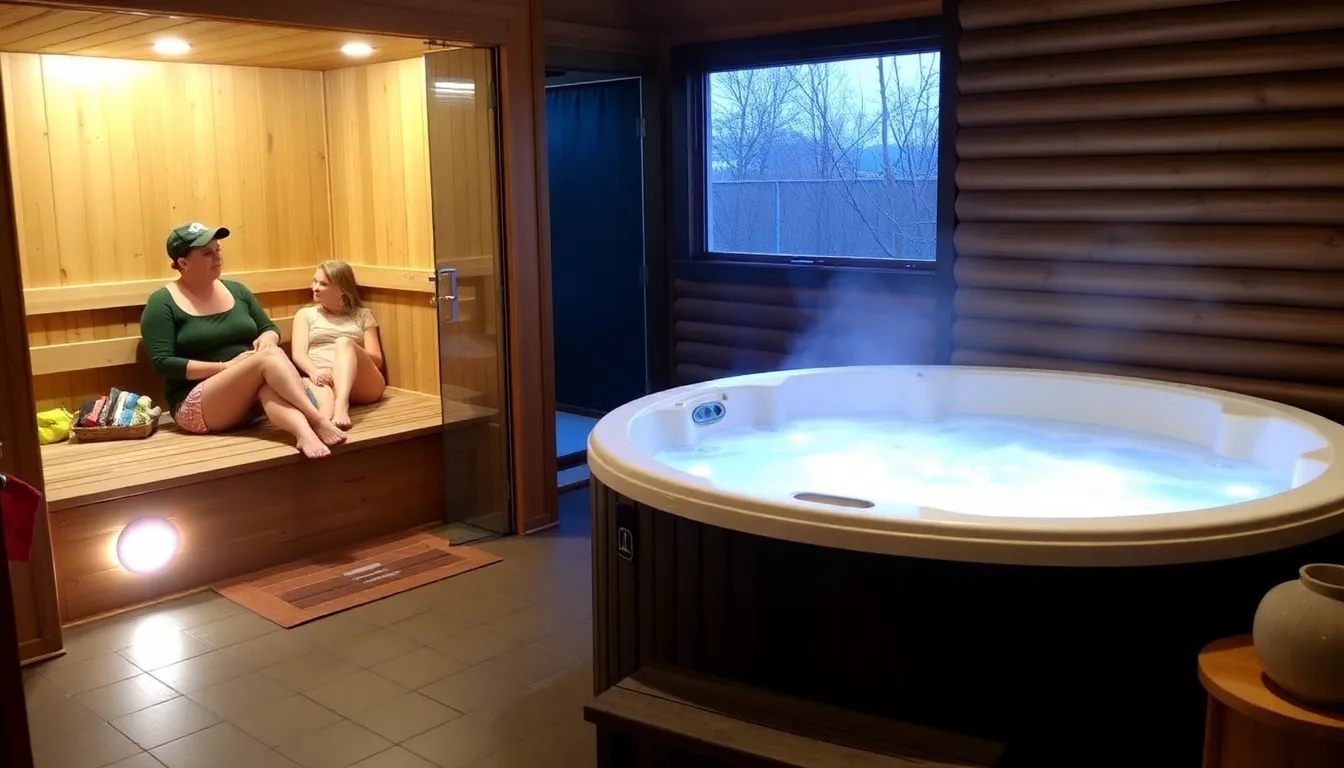
Local governments play a crucial role in regulating short-term rentals, often implementing zoning laws and health regulations that can impact the viability of spa-inspired listings. These regulations may aim to address concerns such as noise, safety, and the impact on local housing markets. The challenge lies in balancing the economic benefits of tourism with the need to maintain community standards and protect residential neighborhoods.
- Economic Impact: Increased tourism can boost local economies, but it may also lead to rising property prices and housing shortages for residents.
- Regulatory Challenges: Property owners must navigate complex local laws that may restrict the use of certain amenities or the operation of short-term rentals.
- Market Competition: As more properties enter the market, owners may face pressure to continuously upgrade their offerings to remain competitive.
- Consumer Preferences: Guests are increasingly prioritizing wellness and self-care, influencing property owners to invest in spa-like amenities.
- Environmental Concerns: The use of hot tubs and saunas raises questions about water usage and energy consumption, prompting discussions about sustainable practices.
Ultimately, the interplay between these stakeholders creates a dynamic environment where the interests of property owners, local governments, and guests must be carefully balanced. Understanding these relationships and the associated challenges is essential for anyone looking to engage with the spa-inspired Airbnb market effectively.
How Spa Amenities Influence Guest Choices and Market Dynamics
The rise of spa-inspired Airbnbs, featuring saunas, cold plunges, and hot tubs, has notably impacted various groups, including travelers, local businesses, and the hospitality industry. As wellness tourism continues to gain traction, these unique accommodations attract health-conscious guests seeking relaxation and rejuvenation. This trend not only benefits the hosts but also stimulates the local economy.
In the short term, the influx of guests drawn to these amenities can lead to increased demand for local services, such as spas, fitness centers, and wellness practitioners. Areas known for their natural beauty and wellness offerings may see a surge in visitors, which can boost local businesses and create job opportunities. However, this rapid growth may also strain local resources, leading to potential issues such as overcrowding and increased competition among service providers.
In the mid-term, property owners who invest in spa amenities may experience higher occupancy rates and the ability to charge premium prices. This shift in the market could encourage more hosts to upgrade their properties, further enhancing the attractiveness of the area. However, it also raises concerns about sustainability and the potential for over-commercialization of serene environments, which could diminish the very appeal that attracts guests.
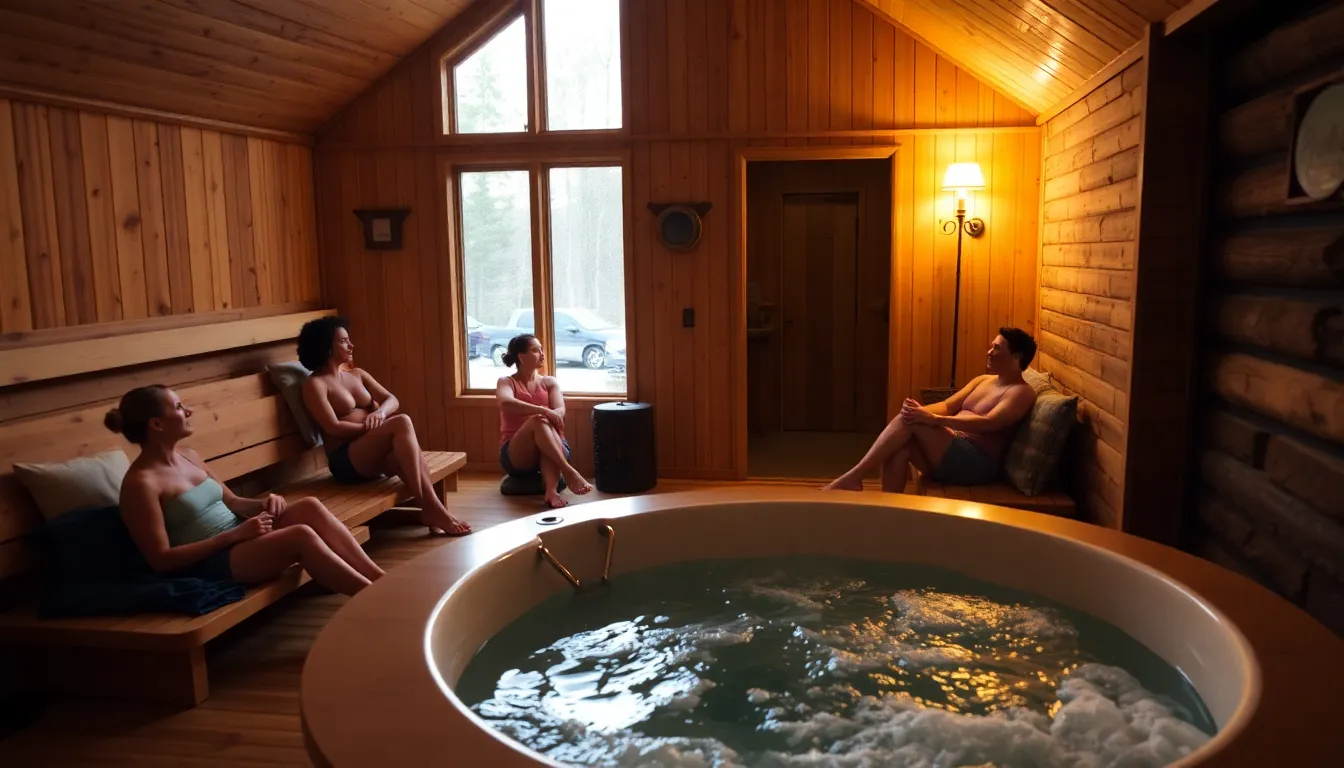
- Travelers: Increased options for wellness-focused stays.
- Local Businesses: Opportunities for growth in wellness and hospitality sectors.
- Property Owners: Potential for higher revenue through premium pricing.
- Communities: Risks of overcrowding and resource strain.
As the trend continues, policymakers may need to consider regulations that balance the benefits of increased tourism with the preservation of local culture and environment. The challenge lies in harnessing the opportunities while mitigating the risks associated with rapid market changes.
A: Spa-inspired Airbnbs typically offer amenities such as saunas, hot tubs, and cold plunge pools, providing a complete wellness experience. Many also include relaxation spaces and outdoor areas for rejuvenation. A: Yes, many spa-inspired Airbnbs are family-friendly and offer spacious accommodations. However, it’s essential to check the property details to ensure it meets your family’s needs. A: You can search on Airbnb using keywords like ‘spa’, ‘sauna’, or ‘hot tub’. Additionally, reading reviews and checking the amenities list can help you choose the best option. A: Typically, spa amenities are included in the rental price, but it’s advisable to confirm this with the host before booking. Some properties may charge extra for certain services. A: The price range for spa-inspired Airbnbs varies widely based on location, size, and amenities, but you can generally expect to pay anywhere from $150 to $500 per night.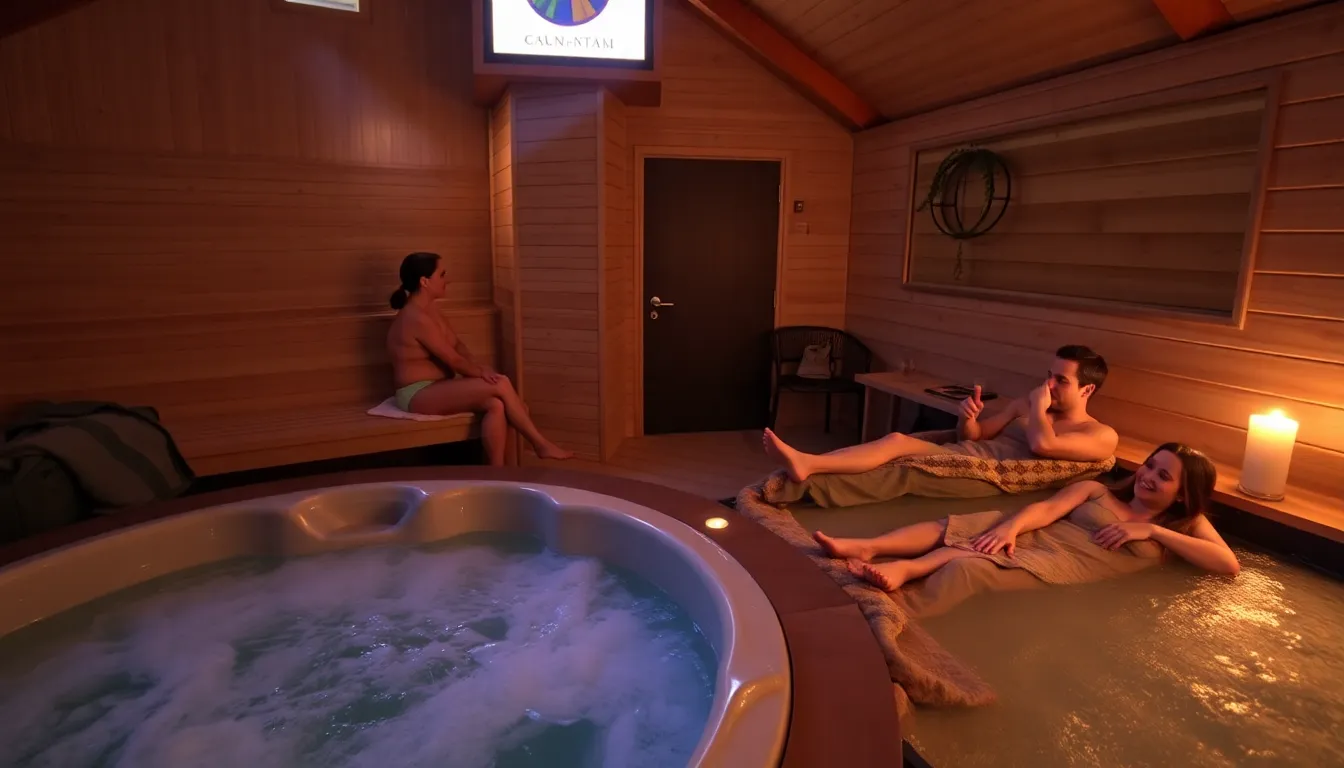
Frequently Asked Questions About Spa-Inspired Airbnbs
Future Trends in Spa-Inspired Travel Accommodations
As the demand for wellness-oriented travel experiences continues to rise, spa-inspired Airbnbs that feature saunas, cold plunges, and hot tubs are becoming increasingly popular. This trend reflects a broader shift towards self-care and relaxation in today’s fast-paced world. Travelers are seeking accommodations that not only provide comfort but also enhance their overall well-being, making these unique properties a desirable choice for those looking to unwind.
Looking ahead, the integration of wellness amenities into vacation rentals is likely to expand, with hosts investing in features that promote relaxation and rejuvenation. As more travelers prioritize mental and physical health during their getaways, the market for these specialized accommodations will likely grow, presenting opportunities for both hosts and guests to explore new dimensions of leisure and self-care.
- Increased Demand: Expect a surge in bookings for properties that offer wellness amenities, as travelers prioritize health and relaxation.
- Investment Opportunities: Property owners may find value in upgrading their listings with spa-like features to attract a niche market.
- Experience Over Amenities: Guests are likely to seek immersive experiences, such as guided wellness retreats, alongside traditional lodging.
- Local Partnerships: Hosts can enhance guest experiences by collaborating with local wellness professionals, offering yoga classes or spa services.
- Focus on Sustainability: Eco-friendly wellness practices will likely become a key consideration for travelers seeking guilt-free relaxation.