


Dunbar, along with his musical partner Robbie Shakespeare, formed the iconic duo Sly and Robbie, which became synonymous with the reggae genre. They collaborated with major artists such as Bob Marley, Peter Tosh, and Grace Jones, leaving an indelible mark on the music landscape. Their work not only popularized reggae but also helped to introduce it to a global audience. For more insights on their impact, check out this related article.
<pThe impact of Dunbar's drumming can be seen in the way modern music incorporates reggae beats, demonstrating his lasting influence. His innovative style included the use of electronic drums and a unique approach to rhythm that set new standards in the genre. As the news of his death spreads, many are reflecting on how his contributions have shaped the music we hear today.
As the reggae community mourns the loss of Sly Dunbar, discussions are emerging about the future of the genre and the importance of preserving its rich history. His passing serves as a reminder of the artists who have paved the way for future generations and the need to honor their legacies. The collective grief highlights the profound connection between musicians and their audiences, reinforcing the importance of music as a cultural touchstone, much like the legacy left by William H. Foege.
Understanding Sly Dunbar’s impact on the evolution of reggae
Sly Dunbar, born in 1951 in Kingston, Jamaica, emerged as a pivotal figure in the world of reggae music, particularly during the late 1970s and 1980s. His innovative drumming style, characterized by complex rhythms and syncopation, helped redefine the genre and influenced countless musicians worldwide. As reggae evolved from its roots in ska and rocksteady, Dunbar’s contributions played a crucial role in shaping the sound that would resonate across cultures and generations.
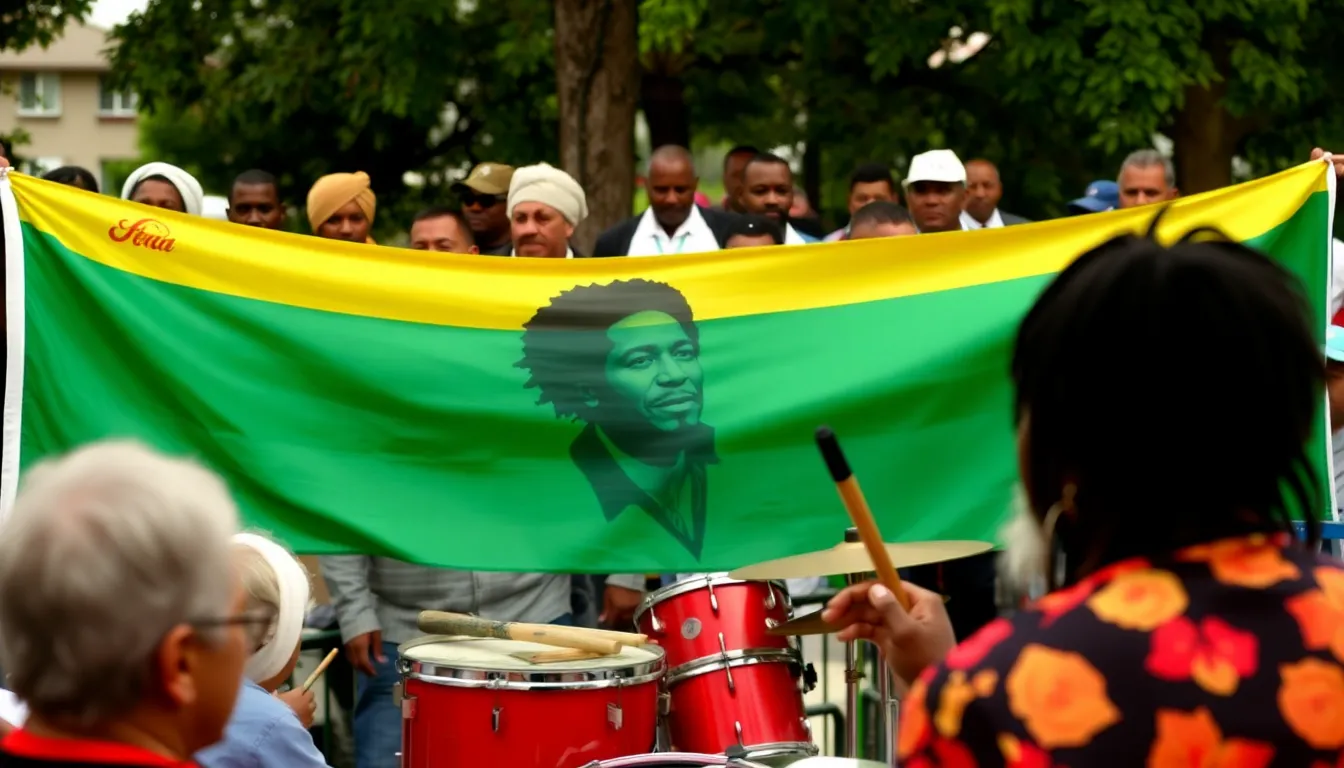
The socio-political landscape of Jamaica in the 1960s and 1970s significantly influenced the development of reggae. Following independence from British colonial rule in 1962, Jamaica experienced a surge of national pride, which was reflected in its music. Reggae became a voice for the marginalized, addressing issues such as poverty, violence, and social injustice. Within this context, Dunbar and his contemporaries sought to create a sound that not only entertained but also conveyed powerful messages.
In the 1970s, the rise of the ‘One Drop’ rhythm, a style that emphasized the bass drum on the third beat, became synonymous with reggae music. Sly Dunbar, alongside bassist Robbie Shakespeare, formed the iconic rhythm section known as Sly and Robbie. Their collaboration produced ground-breaking tracks for legendary artists like Bob Marley, Peter Tosh, and Black Uhuru, helping to elevate reggae to international prominence. This period marked a significant milestone in reggae history, as the genre began to gain traction beyond Jamaica’s shores, echoing themes explored in various music genres.
The Global Influence of Reggae
As reggae spread globally, Sly Dunbar’s influence extended beyond traditional reggae artists. His innovative drumming techniques and willingness to experiment with different musical styles led to collaborations with numerous genres, including pop, rock, and hip-hop. This cross-pollination of musical ideas not only enriched the reggae sound but also helped introduce the genre to a wider audience, solidifying its place in the global music landscape.
Throughout his career, Dunbar’s contributions to reggae were recognized through numerous awards and accolades. His work with various artists and producers not only showcased his versatility but also highlighted the importance of collaboration in the music industry. As a result, Sly Dunbar’s legacy continues to inspire new generations of musicians, ensuring that his impact on reggae and music as a whole will be felt for years to come.
Exploring the contributions and collaborations of Sly Dunbar in the music industry
Sly Dunbar, a pivotal figure in reggae music, has left an indelible mark on the genre through his innovative drumming techniques and collaborations. His partnership with Robbie Shakespeare as the duo Sly and Robbie revolutionized reggae rhythms, influencing countless artists and genres worldwide. The music industry stakeholders, including record labels, artists, and producers, have vested interests in preserving and promoting the legacy of such influential figures.
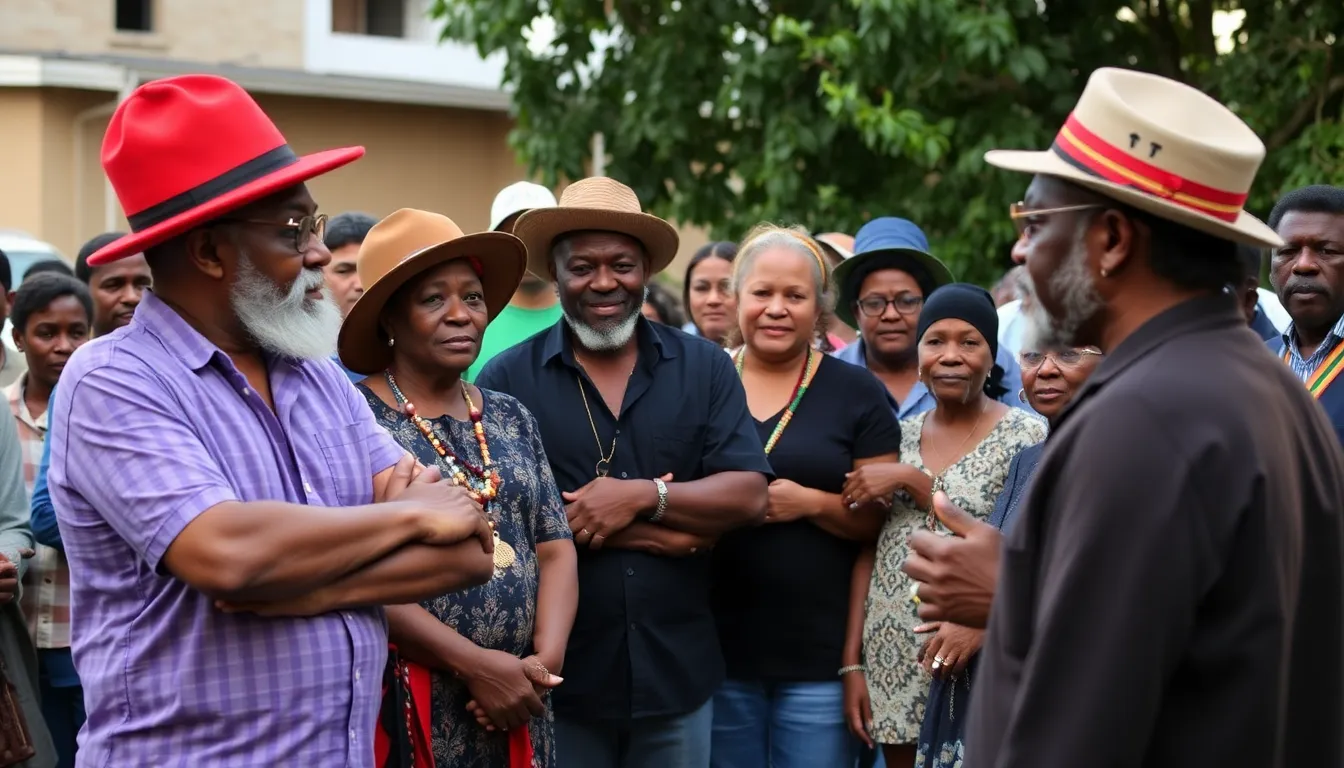
Key stakeholders in the music industry include:
- Record labels seeking to capitalize on Dunbar’s legacy through re-releases and tributes.
- Musicians and producers who draw inspiration from his unique drumming style.
- Fans and cultural organizations advocating for the recognition of reggae’s cultural significance.
Conflicts may arise as stakeholders navigate the commercialization of Dunbar’s work versus the need to honor his artistic integrity. While record labels may prioritize profit through marketing strategies, artists may focus on authentic representation of Dunbar’s contributions. This trade-off highlights the tension between financial gain and artistic preservation.
Legal issues surrounding copyright and royalties also come into play, particularly concerning the use of Dunbar’s original recordings. As his music continues to influence new generations, the question of rightful ownership and compensation for his contributions becomes increasingly relevant. This landscape complicates the relationships between artists, labels, and the estate of Sly Dunbar.
Ultimately, Sly Dunbar’s passing not only marks the loss of a musical innovator but also prompts a reevaluation of the reggae genre’s place in the global music narrative. Stakeholders must consider how to best honor his legacy while navigating the complexities of the modern music industry.
The enduring influence of Sly Dunbar’s drumming on future generations of musicians
The passing of Sly Dunbar at the age of 73 marks a significant loss not only for the reggae community but also for musicians and music lovers worldwide. His innovative drumming techniques and complex rhythms have influenced countless artists across various genres, including rock, pop, and hip-hop. As a result, his death will resonate through multiple circles, affecting aspiring musicians, established artists, and music industry professionals alike.
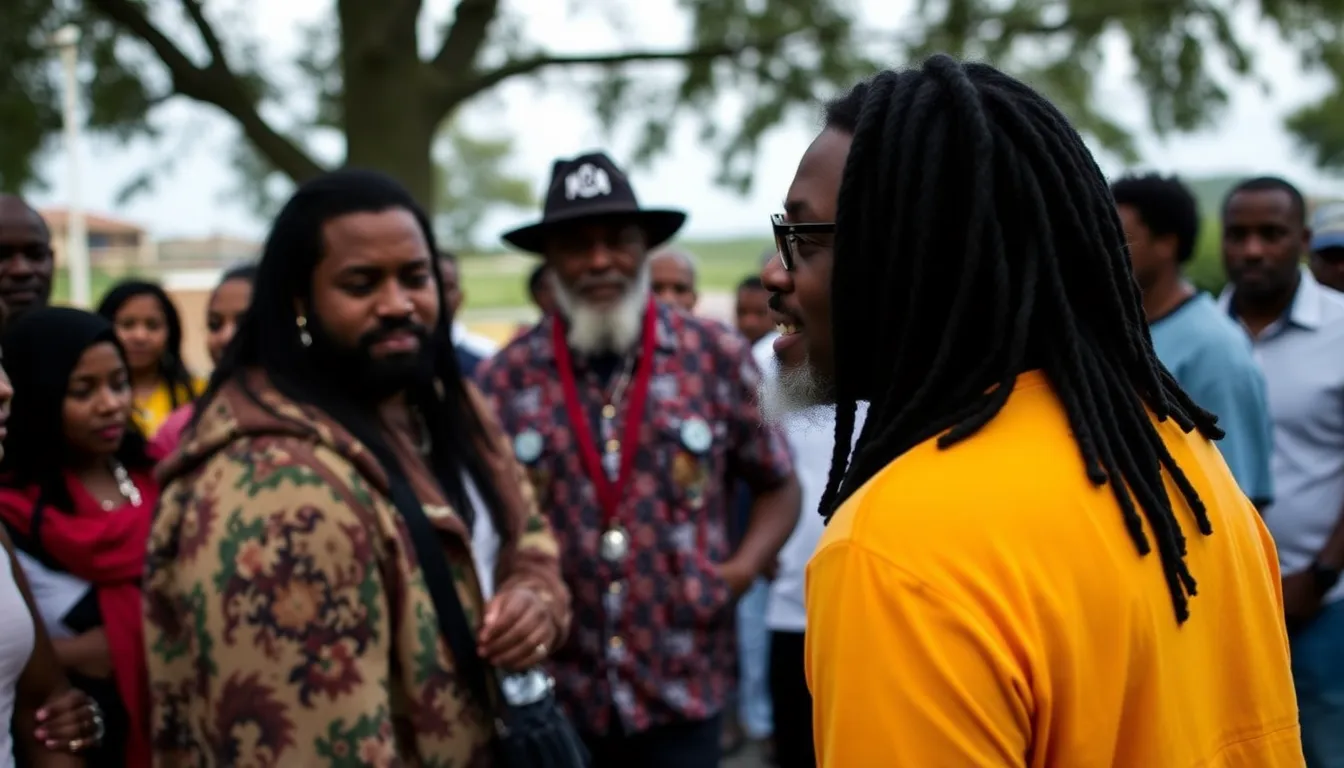
In the short term, the reggae music scene may experience a wave of tributes and memorials celebrating Dunbar’s contributions. This could lead to increased interest in reggae music, prompting record labels and streaming platforms to promote his work and the artists he collaborated with. Additionally, local music venues and festivals may feature special events in his honor, providing a boost to the live music industry.
However, the loss of such a pivotal figure also poses risks. Emerging drummers and musicians might struggle to find a comparable influence in their work, potentially leading to a stagnation in the evolution of reggae and its fusion with other genres. The absence of Dunbar’s unique style could create a gap in the music landscape, making it challenging for new artists to innovate while honoring the reggae tradition.
- Short-term impacts: Increased tributes and memorials, heightened interest in reggae music.
- Mid-term impacts: Potential stagnation in reggae innovation, challenges for new artists.
- Opportunities: Revitalization of the reggae genre, new collaborations inspired by Dunbar’s legacy.
In the mid-term, there may be opportunities for collaboration among musicians who seek to explore Dunbar’s influence. This could lead to a resurgence of interest in reggae and its fusion with other genres, potentially creating a new wave of creativity. Music educators might also incorporate Dunbar’s techniques into their teaching, ensuring that his legacy continues to inspire future generations.
A: Sly Dunbar was known for his innovative drumming style that introduced complex beats to reggae music, greatly influencing the genre. A: His unique drumming techniques and collaborations with various artists helped shape the sound of reggae and inspired countless musicians. A: Sly Dunbar collaborated with many famous artists, including Bob Marley, Peter Tosh, and Black Uhuru, contributing to their iconic sounds. A: Sly Dunbar passed away at the age of 73, leaving behind a rich legacy in the world of music. A: Sly Dunbar’s legacy includes his groundbreaking drumming style, which continues to influence reggae and other music genres today.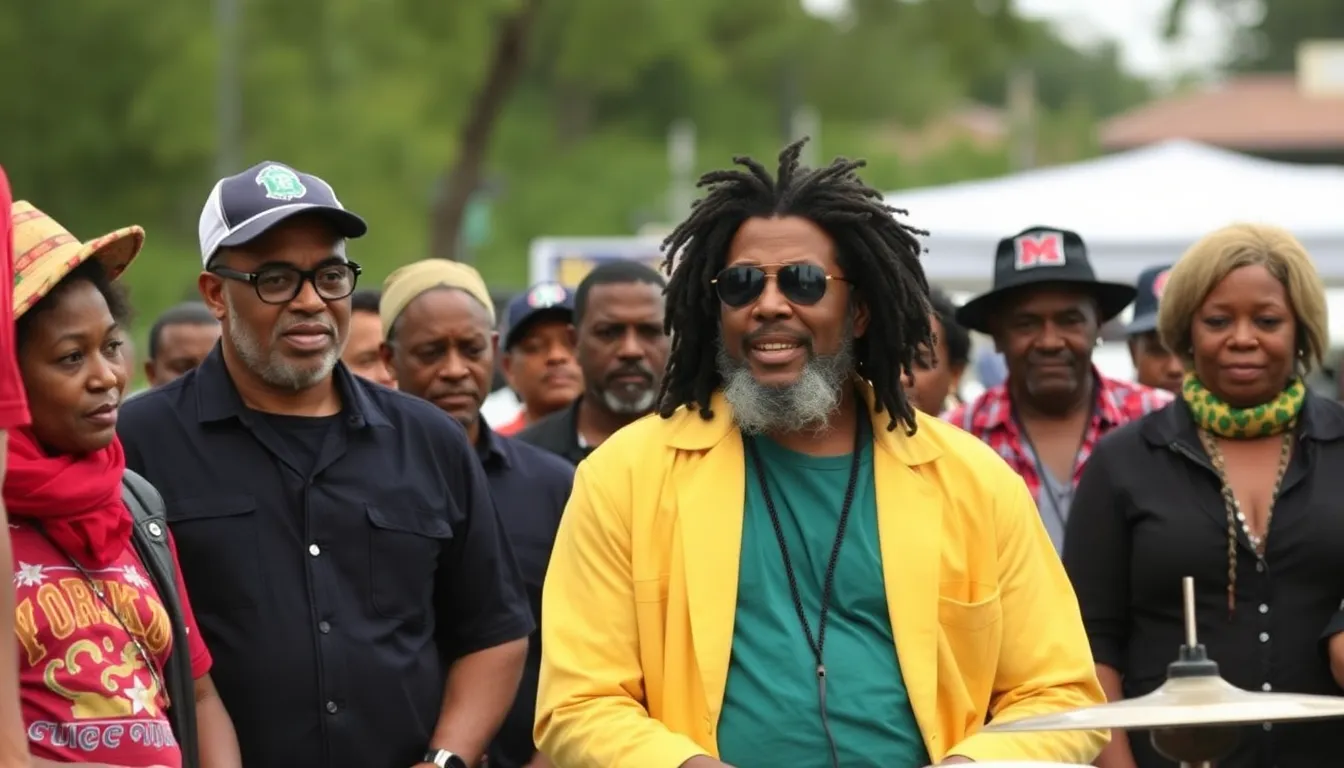
Frequently Asked Questions about Sly Dunbar
Reflecting on the legacy of Sly Dunbar in reggae music
Sly Dunbar’s passing marks a significant moment in the world of reggae, as his innovative drumming style transformed the genre and influenced countless musicians. His ability to blend complex rhythms with traditional reggae beats not only enhanced the sound of numerous iconic tracks but also set a new standard for drumming in popular music. As we reflect on his contributions, it is essential to consider the ongoing impact of his artistry on both current and future generations of musicians.
The evolution of reggae music will likely continue to be shaped by Dunbar’s pioneering techniques. As artists draw inspiration from his work, there may be a resurgence of interest in the intricate rhythms that define reggae, leading to new interpretations and styles. This shift could foster collaboration across genres, allowing reggae to reach broader audiences while maintaining its cultural roots.
- Watch for a renewed interest in complex drumming techniques among emerging reggae artists.
- Expect collaborations between reggae musicians and those from other genres, inspired by Dunbar’s innovative approach.
- Consider the potential for educational programs focusing on Dunbar’s drumming style to influence the next generation of musicians.
- Monitor how Dunbar’s legacy is celebrated in upcoming music festivals and tribute albums.