


In 2023, a collaborative research project was launched involving universities and agricultural organizations across Europe. The aim is to track the feeding patterns of various slug species and their impact on different types of vegetation. Preliminary findings suggest that climate change may be exacerbating slug populations, leading to more frequent and severe infestations. For more insights on similar ecological challenges, check out the article on problem solving.
Additionally, scientists are utilizing advanced tracking technologies, such as GPS and remote sensing, to monitor slug movements and feeding behaviors in real time. This innovative approach allows researchers to gather data on how environmental factors influence slug activity, providing insights that could lead to more effective pest management strategies.
The implications of these findings are significant, as they not only affect agricultural productivity but also have broader ecological consequences. Understanding slug behavior is essential for developing sustainable farming practices and mitigating the economic losses associated with these pests. As research continues, the agricultural community remains vigilant in addressing the challenges posed by these gorging gastropods.
Understanding the ecological role of gastropods
Gastropods, commonly known as slugs and snails, play a vital role in various ecosystems. These soft-bodied mollusks are not only important decomposers, breaking down organic matter, but they also serve as a food source for numerous predators, including birds, mammals, and insects. Historically, their presence has been integral to nutrient cycling within soil systems, contributing to the health of terrestrial habitats. For those interested in biodiversity, understanding these relationships can be further explored in our coverage of BBC Inside Science.
The ecological importance of gastropods has been acknowledged for centuries, yet their role has often been overshadowed by their impact on agriculture. In many regions, slugs are viewed primarily as pests that damage crops, leading to a complex relationship between farmers and these gastropods. This tension has prompted various control measures, ranging from chemical pesticides to more sustainable, organic approaches, reflecting a broader societal shift towards environmentally friendly practices.

The rise of citizen science in gastropod research
In recent years, the interest in understanding gastropods has surged, spurred by the rise of citizen science initiatives. These movements encourage non-professionals to participate in scientific research, leading to greater public engagement and knowledge about local ecosystems. Projects focused on tracking slug populations have emerged, allowing enthusiasts to contribute valuable data that can inform both conservation efforts and agricultural strategies. This growing interest parallels other innovative technologies discussed in articles about robots available for environmental monitoring.
Key milestones in gastropod research include the establishment of various ecological studies that highlight their roles in soil health and biodiversity. For instance, studies conducted in the late 20th century began to unravel the complex interactions between gastropods and their environments, paving the way for modern research that seeks to balance agricultural needs with ecological preservation. This evolving understanding underscores the necessity of integrating ecological insights into agricultural practices, ensuring that both farmers and the environment can thrive.
Key stakeholders in slug research and their interests
In the realm of slug research, various stakeholders play pivotal roles, each with distinct interests that shape the direction of studies on these gastropods. The primary actors include academic researchers, environmental organizations, policymakers, and the agricultural sector. Their interactions often highlight the complexities of ecological balance and economic implications.
Academic researchers are primarily driven by the pursuit of knowledge. They aim to understand the ecological roles of slugs, their behavior, and their impact on biodiversity. This group often seeks funding and collaboration opportunities to advance their studies, which can lead to significant discoveries about ecosystem health and the effects of climate change on gastropod populations.
Environmental organizations advocate for the protection of ecosystems, which can be significantly influenced by slug populations. Their interests lie in promoting biodiversity and preventing the spread of invasive slug species that threaten native flora and fauna. These organizations often engage in public awareness campaigns and lobbying efforts to influence policy decisions regarding land use and conservation practices.
Policymakers are tasked with balancing environmental protection with economic development. They face the challenge of regulating agricultural practices that may impact slug populations and their habitats. This includes addressing issues related to pesticide use, land management, and the conservation of natural areas. Conflicts can arise when agricultural interests push for practices that may harm slug habitats, leading to trade-offs between economic gain and ecological preservation.
- Research funding is often limited, creating competition among academic institutions for grants.
- Invasive slug species can disrupt local ecosystems, prompting urgent calls for management strategies.
- Farmers may resist regulations that limit pesticide use, citing concerns over crop yields.
- Public perception of slugs can influence conservation efforts, with some viewing them as pests rather than important ecological players.
- Collaborative efforts between researchers and farmers can lead to sustainable practices that benefit both parties.
The effects of slug feeding on local ecosystems
The recent surge in slug populations, particularly in agricultural regions, has raised concerns among farmers, gardeners, and environmentalists. These voracious gastropods have been known to feast on a variety of crops, leading to significant economic losses for local farmers. As slugs continue to thrive in warmer climates, their impact is felt most acutely in areas where agriculture is a primary source of income.
In the short term, the immediate effect of increased slug activity is a decline in crop yields. Farmers may face reduced profits as they struggle to manage these pests. This can lead to higher prices for consumers as the supply of affected crops diminishes. Additionally, local businesses that rely on agricultural products may see a downturn, affecting employment and economic stability in the region.
Mid-term impacts could include changes in agricultural practices as farmers adapt to the slug threat. This may lead to increased use of pesticides, which could have environmental repercussions. Moreover, the pressure on farmers to find effective solutions may result in the development of new agricultural technologies or practices aimed at pest control, presenting opportunities for innovation in the agri-tech sector.
- Farmers: Facing crop losses and increased costs.
- Local businesses: Potential downturn due to reduced agricultural output.
- Consumers: Higher prices for affected crops.
- Environmentalists: Concerns over pesticide use and ecosystem balance.
- Agri-tech industry: Opportunities for developing new pest management solutions.
While the risks associated with the slug population surge are significant, there are also potential opportunities for collaboration among farmers, researchers, and policymakers. By working together, these groups can develop sustainable practices that mitigate the impact of slugs while also fostering innovation in pest management. This collaborative approach could lead to more resilient agricultural systems in the face of changing environmental conditions.
A: Slug sleuths are researchers focused on understanding the feeding habits and ecological roles of slugs in various environments. A: Gastropods play a crucial role in nutrient cycling and serve as both prey and decomposers in their habitats. A: Slugs can significantly affect plant health by feeding on leaves and stems, which can lead to reduced crop yields. A: Researchers employ various methods including field observations, laboratory experiments, and ecological modeling to study slug behavior. A: Yes, conservation efforts aim to protect slug habitats and promote biodiversity, as slugs are indicators of environmental health.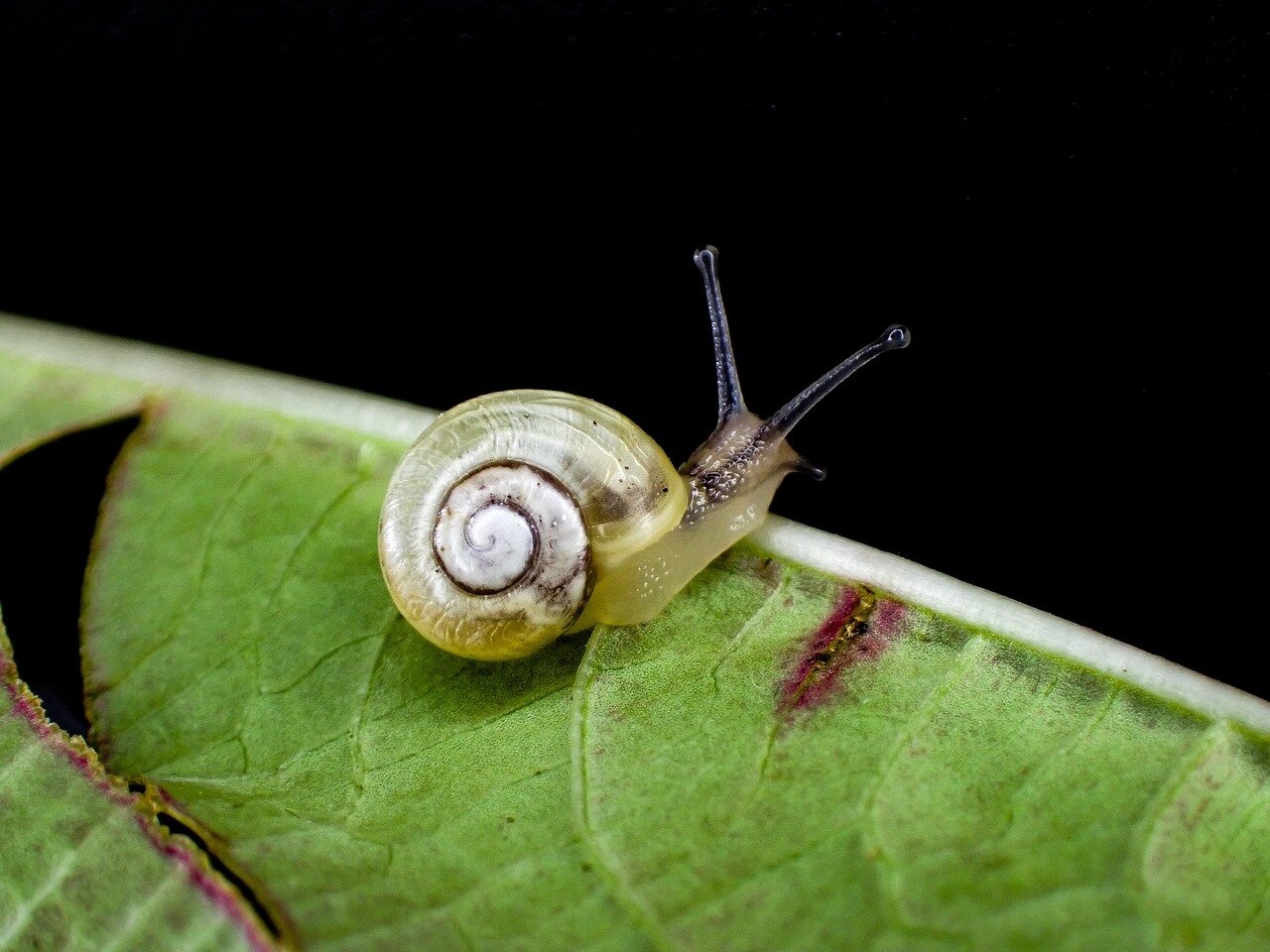
Frequently asked questions about slug behavior
Insights into the future of slug research and conservation
The ongoing investigations into the behaviors and ecological roles of slugs are shedding light on their significance within various ecosystems. As researchers delve deeper into the habits of these gastropods, the implications for biodiversity conservation and ecosystem health become increasingly clear. Understanding how slugs interact with their environments can inform strategies for managing their populations and mitigating any negative impacts they may have on agriculture and native flora.
Looking ahead, the integration of technology in slug research promises to enhance our understanding of their movement patterns and feeding behaviors. This data can be pivotal for developing targeted conservation efforts and ensuring the balance of ecosystems where these creatures play a crucial role.
- Monitoring slug populations can provide insights into environmental health and biodiversity.
- Implementing sustainable agricultural practices may help manage slug populations while preserving ecosystem integrity.
- Advancements in tracking technology could revolutionize our understanding of slug behavior and habitat use.
- Public awareness and education about slugs can foster a more balanced view of their ecological roles.
- Collaboration between researchers and farmers can lead to innovative solutions for managing gastropod-related challenges.