


In a report released in October 2023, a leading UK technology firm highlighted the capabilities of advanced sensors and artificial intelligence in self-driving cars, which allow them to detect and respond to road irregularities in real-time. This technology is expected to significantly reduce the impact of poor road conditions on vehicle performance, potentially transforming the way urban infrastructure is managed, especially in cities facing challenges related to emergency alert systems.
The implications of this technology are substantial, particularly for cities with aging road networks. As municipalities grapple with budget constraints and escalating repair costs, the ability of self-driving cars to adapt to suboptimal conditions could alleviate some of the burdens associated with maintaining road quality. This shift could also enhance public confidence in the adoption of autonomous vehicles.
Furthermore, the UK government has been actively promoting the development of self-driving technologies, with plans to establish regulatory frameworks by 2025. This initiative aims to position the UK as a leader in the autonomous vehicle sector, fostering innovation while addressing the challenges posed by existing road infrastructure.
The evolution of autonomous vehicle technology
The journey towards autonomous vehicle technology has been marked by significant advancements and challenges over the past few decades. Initially, the concept of self-driving cars emerged in the 1980s with experimental models developed by universities and research institutions. These early prototypes laid the groundwork for future innovations, demonstrating the potential of automation in transportation, much like the advancements seen in other sectors, such as in environmental conservation.
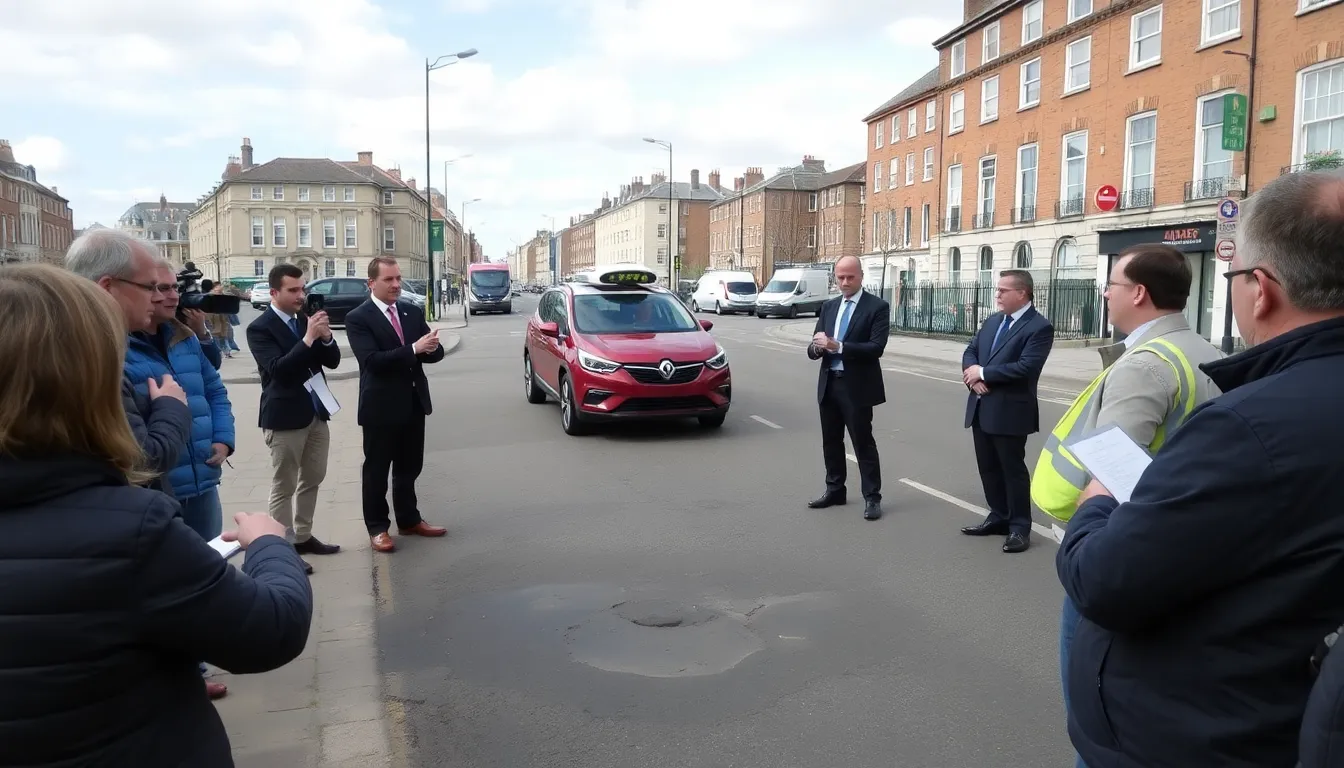
In the early 2000s, major technological breakthroughs, particularly in sensor and computer processing capabilities, propelled the development of more sophisticated autonomous systems. Companies like Google entered the field, launching ambitious projects that captured public interest and investment. The establishment of dedicated research and development teams within automotive giants signaled a shift towards serious exploration of self-driving technology.
Key milestones in autonomous vehicle development
Several milestones have shaped the landscape of autonomous vehicles. In 2004, the DARPA Grand Challenge showcased the potential of autonomous navigation, with vehicles completing complex courses without human intervention. Fast forward to 2016, when Uber began testing self-driving cars in urban environments, highlighting the technology’s readiness for real-world applications, similar to how various industries are adapting to new business models.
Political and regulatory landscapes have also evolved in response to these advancements. Governments worldwide have begun to draft legislation aimed at integrating autonomous vehicles into existing traffic systems. This regulatory framework is crucial for addressing safety concerns and establishing guidelines for manufacturers and operators.
As the technology continues to mature, economic factors play a significant role in its adoption. The promise of reduced traffic accidents, improved mobility for the elderly and disabled, and increased efficiency in transportation logistics has attracted substantial investment from both private and public sectors. Companies are now racing to develop solutions that can navigate not only smooth highways but also challenging urban environments, including pothole-ridden streets.
Key stakeholders and challenges in the self-driving car industry
The self-driving car industry is characterized by a diverse array of stakeholders, each with distinct interests and objectives. Key players include automotive manufacturers, technology companies, regulatory bodies, and consumers. Understanding their motivations is essential for grasping the complexities of this rapidly evolving sector.
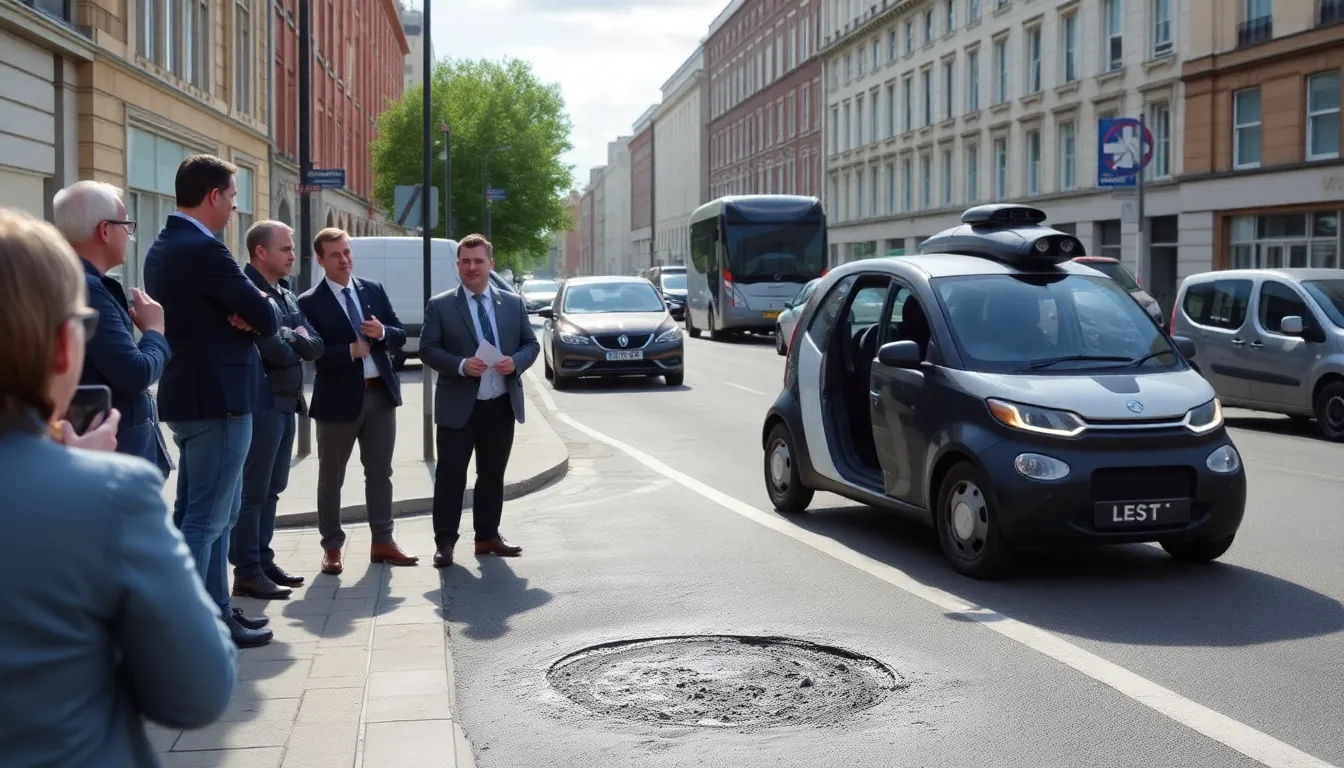
Automakers such as Ford, General Motors, and Tesla are heavily invested in developing autonomous vehicle technology. Their primary interest lies in maintaining competitiveness in the market while ensuring safety and reliability. In contrast, technology firms like Waymo and Uber focus on software development and data analytics, aiming to refine algorithms that enhance driving performance and navigation.
Regulatory bodies, including the UK Department for Transport and local governments, play a critical role in shaping the legal landscape for self-driving cars. They are tasked with ensuring public safety, establishing liability frameworks, and addressing ethical concerns surrounding autonomous vehicles. This often leads to conflicts between the desire for innovation and the need for stringent safety regulations.
Consumers represent another vital stakeholder group, with varying levels of acceptance and trust in self-driving technology. Their concerns include safety, privacy, and the potential for job displacement in driving professions. As public perception evolves, it will significantly influence the pace of adoption and regulatory decisions.
- Safety Standards: Establishing comprehensive safety protocols is essential to gain public trust.
- Liability Issues: Determining accountability in the event of accidents involving autonomous vehicles remains a contentious issue.
- Economic Impact: The transition to self-driving cars may disrupt current job markets, particularly in transportation sectors.
- Infrastructure Adaptation: Upgrading roadways and traffic systems to accommodate autonomous vehicles poses logistical and financial challenges.
- Public Acceptance: Building consumer confidence in self-driving technology is crucial for widespread adoption.
How self-driving cars will affect road safety and infrastructure
The advent of self-driving cars is poised to impact various groups, including commuters, urban planners, and the automotive industry. As these vehicles become more prevalent, the way people navigate roads will transform, leading to significant changes in traffic patterns and road safety. Regions with high traffic congestion may experience the most immediate effects, as self-driving technology aims to optimize flow and reduce accidents.
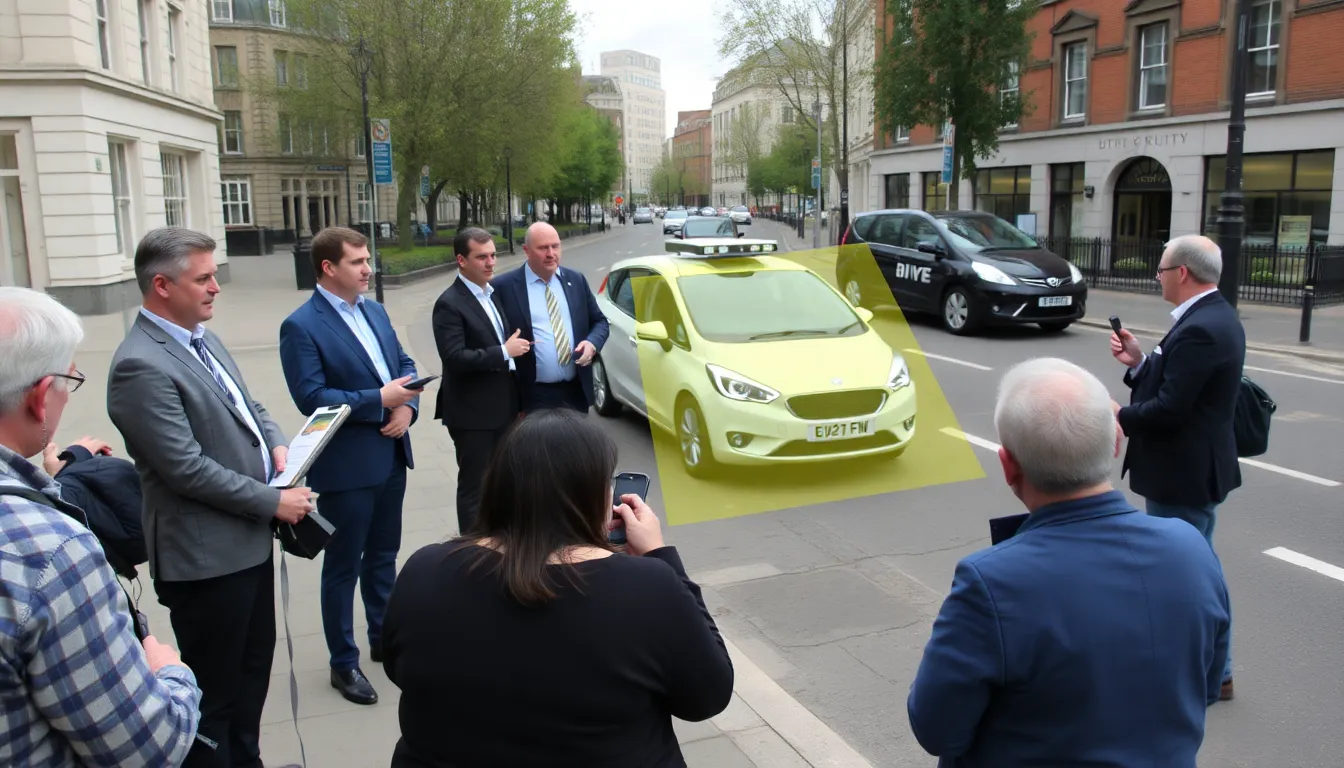
In the short term, urban areas may see a reduction in traffic collisions, potentially leading to fewer injuries and fatalities. This improvement in road safety could alleviate the burden on emergency services and healthcare systems. However, the transition phase may present challenges, as human drivers and autonomous vehicles share the road, creating unpredictable scenarios that need careful management.
Mid-term impacts could include shifts in urban infrastructure investment. Cities may prioritize the development of smart roads equipped with sensors and communication technologies to support self-driving cars. This could create opportunities for tech companies and construction firms specializing in infrastructure upgrades. Additionally, public policies may evolve to address liability issues and insurance models tailored to autonomous vehicles.
- Commuters: Experience safer, more efficient travel.
- Urban planners: Face new challenges in infrastructure design.
- Automotive industry: Must adapt to changing consumer preferences and technologies.
- Emergency services: May see a decrease in call volumes due to fewer accidents.
While the integration of self-driving cars presents numerous opportunities, it also brings risks, such as job displacement for drivers and potential cybersecurity threats. Balancing these factors will be crucial as society navigates the transition to a new era of transportation.
A: Self-driving cars use a combination of sensors, cameras, and advanced algorithms to identify road conditions, including potholes. This technology allows them to make real-time decisions to navigate safely. A: Many experts believe that self-driving cars could reduce accidents caused by human error. Their ability to react quickly and consistently to road conditions may enhance overall safety. A: Key challenges include regulatory approval, public acceptance, and the need for robust technology to handle diverse driving conditions. Continuous advancements in AI and machine learning are crucial. A: While some companies are already testing autonomous vehicles, widespread adoption may take several years due to technological, legal, and social hurdles that need to be addressed.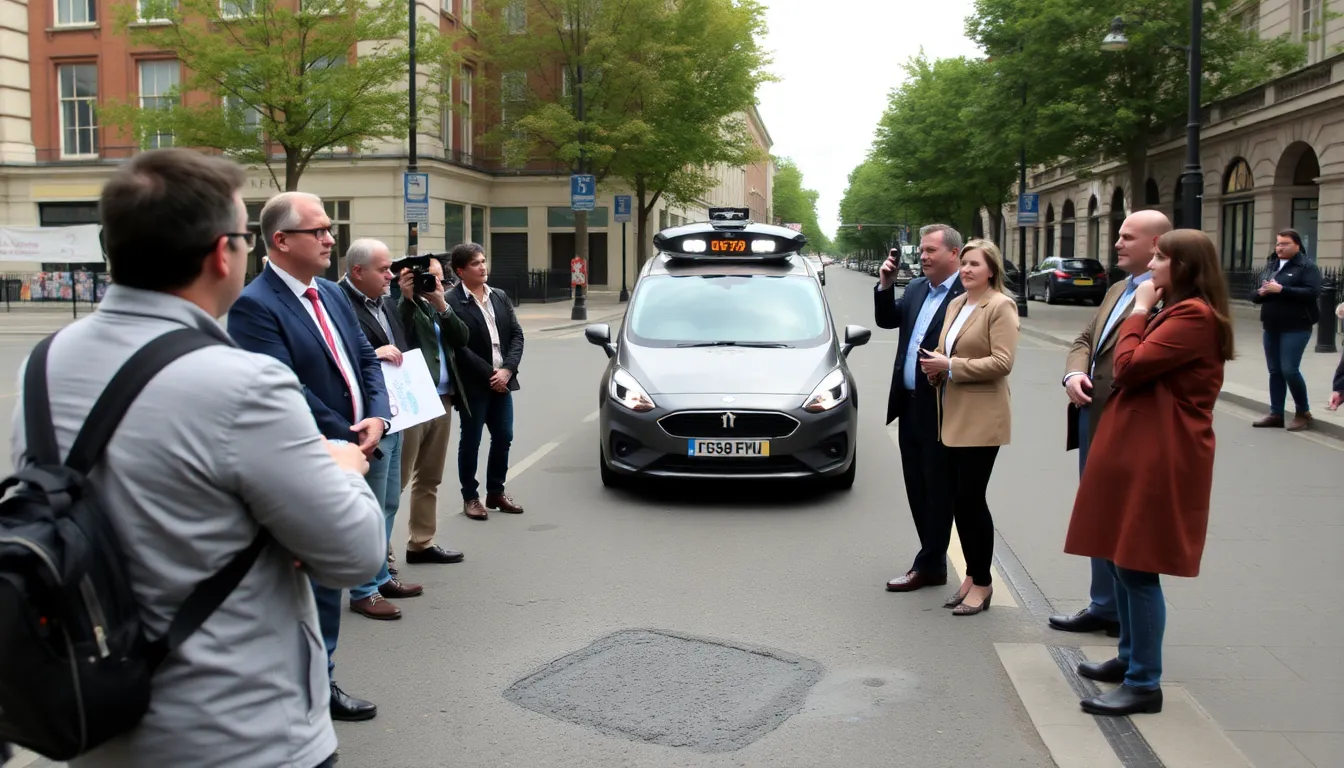
Frequently asked questions about self-driving cars
Future outlook on self-driving technology and road conditions
The advancements in self-driving technology are set to transform the way we navigate urban environments, particularly in the face of common road challenges such as potholes. As UK firms continue to innovate, the resilience of autonomous vehicles against imperfect road conditions suggests a future where such vehicles could operate safely and efficiently, regardless of existing infrastructure issues. This capability may not only enhance mobility but also encourage investment in further technological developments.
As self-driving cars become more adept at handling diverse road conditions, stakeholders in the transportation sector should prepare for significant shifts in urban planning, maintenance strategies, and regulatory frameworks. The integration of these vehicles into everyday life could lead to new standards for road safety and infrastructure resilience.
- Investment in infrastructure: Cities may need to adapt their road maintenance budgets to accommodate the unique requirements of self-driving vehicles.
- Regulatory changes: As technology evolves, so too will the legal frameworks governing autonomous vehicles, necessitating proactive engagement from policymakers.
- Public acceptance: The successful adoption of self-driving cars will depend on public trust and acceptance, which could be influenced by their performance in challenging conditions.
- Data-driven insights: Continuous data collection from self-driving vehicles could inform future urban planning and road design, leading to smarter cities.