


The strikes targeted various locations across the city, including residential areas and government buildings, leading to widespread panic among the population. Ukrainian officials reported at least ten fatalities and numerous injuries, prompting a swift condemnation from global leaders. The timing of the attacks is seen as a strategic move by Russia to assert its military capabilities and undermine Ukraine’s sovereignty ahead of the NATO discussions.
As NATO member states prepare to convene, the situation in Kyiv highlights the ongoing tensions between Russia and Ukraine, which have been exacerbated by the prolonged conflict that began in 2014. The alliance’s response to these developments is critical, as member nations assess their support for Ukraine and the potential need for increased military assistance. The attacks serve as a stark reminder of the volatility in Eastern Europe and the challenges facing NATO in maintaining stability in the region.

The international community’s reaction has been swift, with calls for increased sanctions against Russia and a reaffirmation of support for Ukraine. Leaders from various countries have expressed solidarity with the Ukrainian people, emphasizing the importance of a united front against aggression. As the situation unfolds, the potential for further escalation remains a pressing concern for both regional and global security.
Understanding the historical backdrop of the conflict
The ongoing conflict between Russia and Ukraine has deep historical roots that date back centuries, intertwining the identities and political landscapes of both nations. The dissolution of the Soviet Union in 1991 marked a significant turning point, as Ukraine declared independence, seeking to establish its own national identity separate from Russian influence. This independence was not merely a political shift; it was also a cultural and social awakening for many Ukrainians who aspired to align more closely with Western Europe.
In the years following independence, Ukraine navigated a complex relationship with Russia, oscillating between pro-European and pro-Russian leadership. The 2004 Orange Revolution, sparked by allegations of electoral fraud, underscored the Ukrainian people’s desire for democratic reforms and closer ties with the West. However, the 2010 election of pro-Russian President Viktor Yanukovych marked a setback for these aspirations, leading to widespread discontent and the eventual Euromaidan protests in 2013, which called for closer integration with the European Union.
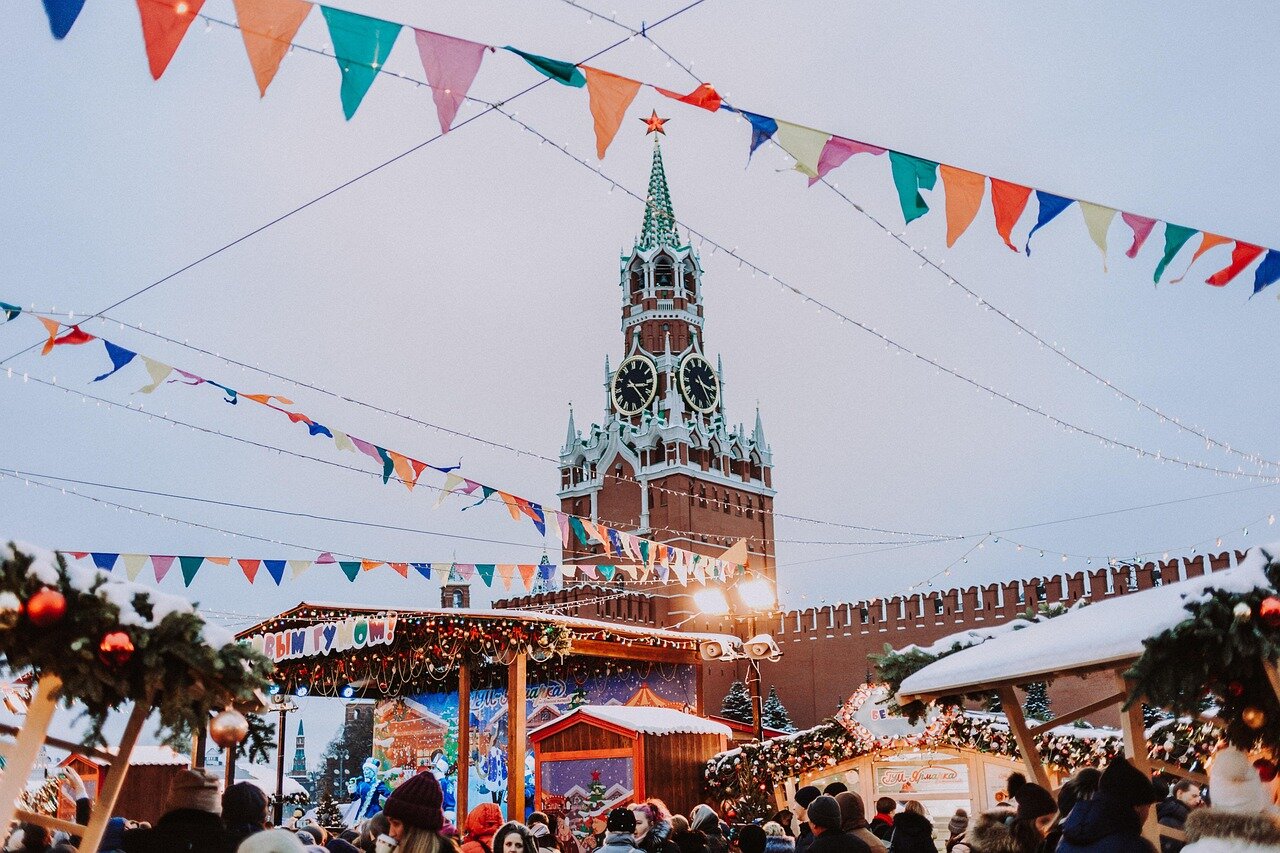
The situation escalated dramatically in 2014 when Russia annexed Crimea following Ukraine’s Euromaidan protests and the ousting of Yanukovych. This act was widely condemned by the international community and led to sanctions against Russia. The annexation was followed by conflict in Eastern Ukraine, where pro-Russian separatists declared independence in the Donetsk and Luhansk regions, further entrenching divisions between the two nations, and highlighting the importance of international support.
Recent Developments and NATO’s Role
As tensions continued to rise, NATO’s role in Eastern Europe became increasingly significant. In response to Russia’s aggressive actions, NATO reinforced its presence in member states bordering Russia, aiming to deter further incursions. The upcoming NATO summit is seen as a critical moment for addressing security concerns in the region, particularly in light of the recent strikes on Kyiv, which signal a heightened level of aggression from Russia as it seeks to assert its influence over Ukraine amid ongoing geopolitical tensions.
Key stakeholders and their interests in the ongoing conflict
The recent strikes on Kyiv have drawn significant international attention, highlighting the complex web of stakeholders involved in the conflict between Russia and Ukraine. Each actor has distinct interests that shape their responses and strategies in the ongoing crisis.

At the forefront is the Ukrainian government, led by President Volodymyr Zelensky. Ukraine’s primary interest lies in maintaining its sovereignty and territorial integrity while seeking military and financial support from Western allies. The government aims to demonstrate resilience against Russian aggression and garner international sympathy, especially ahead of the NATO summit.
Russia, under President Vladimir Putin, seeks to reassert its influence in the region and undermine NATO’s presence in Eastern Europe. The Kremlin’s interests include expanding its geopolitical reach and preventing Ukraine from aligning more closely with Western institutions. This strategy often manifests in military actions intended to destabilize Ukraine and signal to NATO that Russia will not tolerate its encroachment.
NATO, as a collective defense organization, has a vested interest in the stability of Eastern Europe and the security of its member states. The upcoming summit serves as a platform for NATO to reaffirm its commitment to collective defense and to discuss potential responses to Russian aggression. The alliance faces the challenge of balancing its support for Ukraine while managing the risks of direct confrontation with Russia, as seen in the context of recent geopolitical tensions.

Key issues arising from this situation include:
- The potential for escalation of military conflict between Russia and Ukraine.
- The economic implications of sanctions imposed on Russia by Western nations.
- The legal ramifications of military actions under international law.
- The humanitarian crisis resulting from the conflict, impacting civilians in Ukraine.
- The strategic decisions NATO must make regarding military support for Ukraine and deterrence against Russia.
The implications of the strikes on civilians and global markets
The recent strikes on Kyiv have immediate and far-reaching consequences for various groups, particularly civilians, local businesses, and international markets. Civilians in Kyiv and surrounding areas face heightened fears for their safety, disruption of daily life, and potential loss of homes and livelihoods. The psychological toll on the population is significant, as uncertainty and anxiety permeate everyday activities.

Local businesses in Kyiv are likely to experience both short-term disruptions and mid-term challenges. Shops and services may close temporarily due to safety concerns or damage, leading to a decrease in consumer spending. Additionally, businesses that rely on tourism may see a sharp decline in visitors, further straining the local economy. In the mid-term, companies may need to reassess their operations and security measures, which could lead to increased costs and potential layoffs.
On a broader scale, the strikes could impact global markets, particularly in sectors such as energy, defense, and agriculture. Investors may react to increased geopolitical tensions by pulling back from markets perceived as risky, leading to volatility in stock prices. Energy prices, already influenced by the ongoing conflict, may rise further as supply chains are disrupted or as countries seek to secure alternative energy sources.
- Civilians: Increased fear and disruption of daily life.
- Local Businesses: Temporary closures and decreased consumer spending.
- Global Markets: Potential volatility in stock prices and energy costs.
- Policy Changes: Possible shifts in international relations and defense spending.
Despite these challenges, there may be opportunities for certain sectors. Defense industries could see increased government contracts as nations bolster their military capabilities in response to heightened threats. Additionally, companies involved in cybersecurity and technology may find new avenues for growth as the need for enhanced security measures becomes paramount. In the mid-term, nations may also reconsider their energy policies, potentially leading to investments in renewable sources as they seek to reduce dependence on unstable regions.

Frequently asked questions about the recent strikes
A: The strikes are believed to be a show of force by Russia as NATO leaders prepare to meet, signaling heightened tensions in the region.
A: Several countries have condemned the attacks, calling for immediate de-escalation and expressing solidarity with Ukraine.
A: The strikes may lead to a stronger NATO response, including increased military support for Ukraine and a reassessment of defense strategies among member states.
A: While air raid alerts are in place, the situation remains dangerous for civilians, and many are advised to seek shelter during attacks.
A: The conflict has roots in historical tensions, particularly following Russia’s annexation of Crimea in 2014 and ongoing disputes over territorial sovereignty.
Key takeaways and future outlook on the conflict
The recent strikes on Kyiv highlight the ongoing volatility in the region as geopolitical tensions escalate ahead of the NATO summit. This situation underscores the precarious balance of power in Eastern Europe and the potential for further military actions that could destabilize the area. As NATO leaders convene to discuss their strategies, the implications of Russia’s actions will likely dominate the agenda, shaping both immediate responses and long-term policies.
Moving forward, it is essential to monitor the reactions from NATO member states and the potential for increased military support to Ukraine. The international community’s response will play a crucial role in determining the trajectory of the conflict and the security landscape in Europe.
- Watch for NATO’s unified response and any commitments made to bolster Ukraine’s defense capabilities.
- Keep an eye on Russia’s subsequent military actions and rhetoric, which may signal its strategic intentions.
- Consider the impact of these developments on global energy markets and economic sanctions against Russia.
- Monitor the humanitarian situation in Ukraine, as increased hostilities may exacerbate the crisis.
- Evaluate the potential shifts in public opinion within NATO member countries regarding their involvement in the conflict.