


Carano, a former Strikeforce champion and a prominent figure in mixed martial arts, was considered a formidable opponent. However, her inability to withstand Rousey’s aggressive approach highlighted the gap in their current fighting capabilities. The match not only emphasized Rousey’s continued relevance in the MMA world but also raised questions about Carano’s future in competitive fighting.
This debut, coupled with Rousey’s decisive victory, has sparked a conversation about the evolving landscape of MMA and the influence of celebrity culture within the sport, as discussed in more detail here.
The contrasting outcomes of Rousey’s and Paul’s performances serve as a reminder of the unpredictable nature of combat sports. As fan interest continues to grow, the implications of these events may shape future matchups and promotions in the MMA arena.
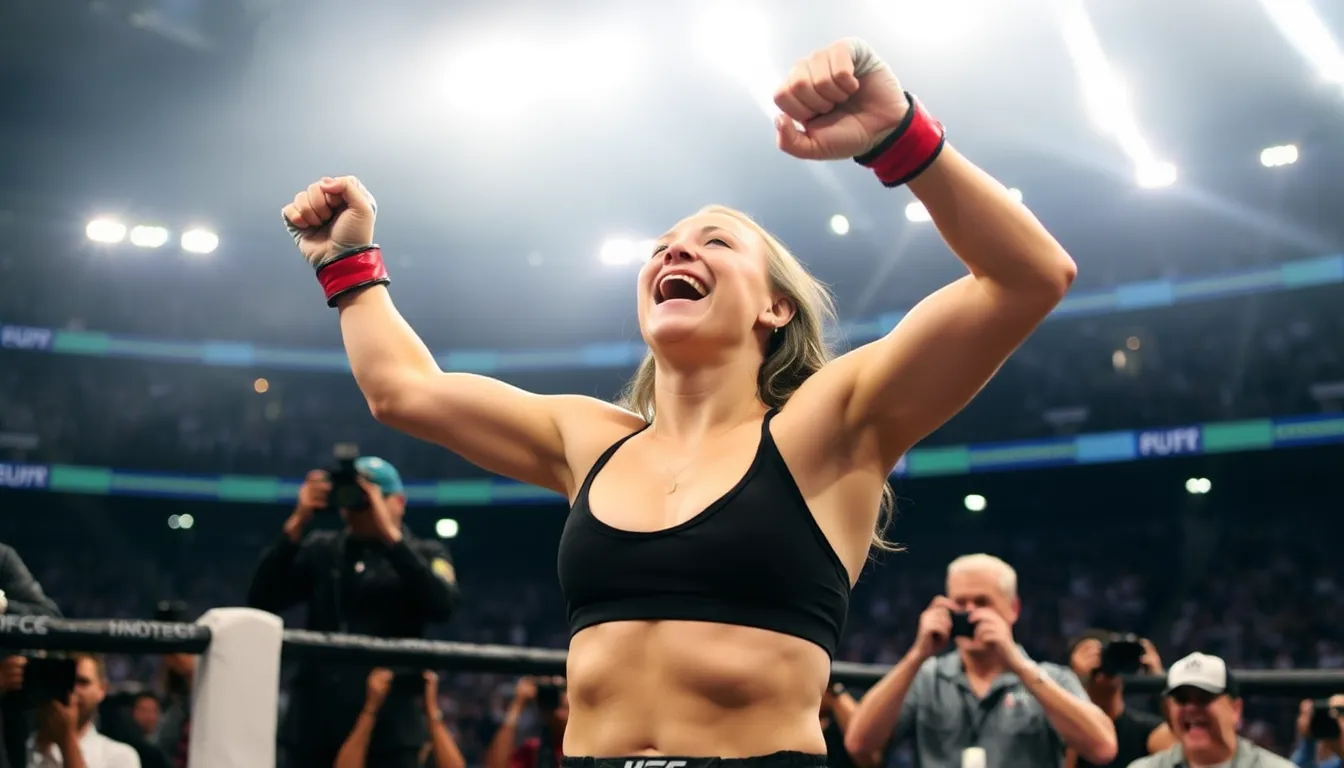
The buildup to the highly anticipated fight between Rousey and Carano
The clash between Ronda Rousey and Gina Carano has been a long time coming, rooted in the evolution of women’s mixed martial arts (MMA) and the broader landscape of combat sports. Both fighters have played pivotal roles in elevating the profile of female athletes in a traditionally male-dominated arena. Rousey, known for her judo background and submission skills, rose to fame as the first female champion in the UFC, while Carano, often credited as a pioneer, helped bring women’s MMA to the mainstream through her fighting and acting career.
It symbolized the culmination of years of effort to gain respect and recognition for women in sports, as well as the desire for a definitive showdown between two of the biggest names in the sport, similar to the narratives we see in reality TV.
However, the fight also took place against a backdrop of changing dynamics in the MMA landscape. The emergence of new platforms for broadcasting and promoting fights has changed how fans engage with the sport. The rise of social media and streaming services, such as Netflix, has allowed fighters like Jake Paul to gain notoriety and influence, often leading to mixed reactions from traditional MMA fans. Paul’s debut in this environment was met with skepticism, highlighting the generational divide in the audience and the evolving nature of combat sports entertainment.
The impact of celebrity culture on MMA
The intersection of celebrity culture and MMA has transformed how fights are marketed and consumed. Fighters are no longer just athletes; they are also brands that leverage their popularity to attract sponsorships and media opportunities. This shift has created a new paradigm where the spectacle surrounding a fight can sometimes overshadow the athletic competition itself. As seen in the mixed reception of Jake Paul’s Netflix debut, the blending of entertainment and sport continues to provoke debate among fans and purists alike.
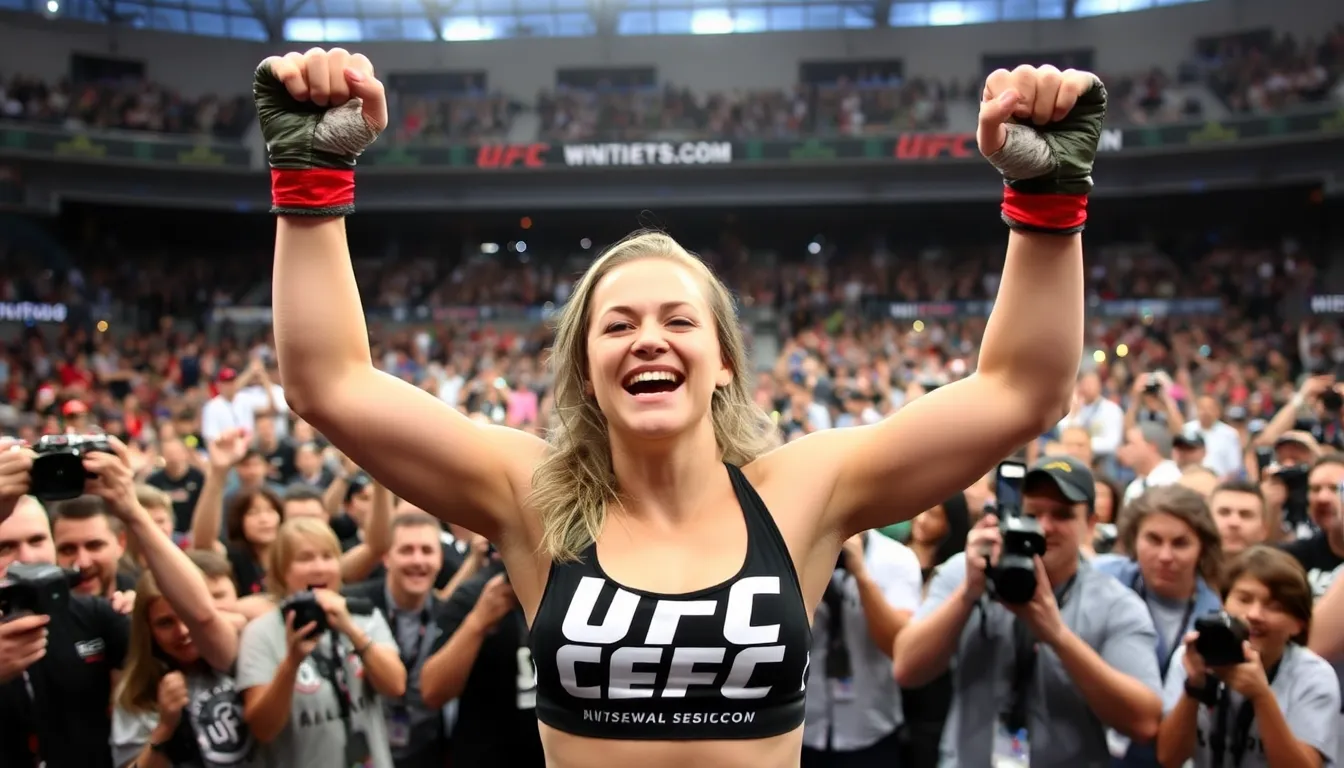
Examining the implications of Rousey’s win and Paul’s performance
The recent bout between Ronda Rousey and Gina Carano has reignited discussions about the landscape of women’s MMA, while Jake Paul’s debut in Netflix’s MMA offering has drawn mixed reactions from fans and critics alike. These events highlight the evolving dynamics in the sport, where performance, public perception, and financial interests intersect.
Ronda Rousey, a former champion and a prominent figure in women’s MMA, has a vested interest in maintaining her status as a leading athlete. Her quick victory over Gina Carano not only boosts her personal brand but also reinforces the competitive nature of women’s fighting, potentially attracting more sponsorships and media attention. In contrast, Gina Carano’s involvement in the fight underscores her efforts to reclaim relevance in a sport that has seen significant evolution since her prime.
On the other hand, Jake Paul, known for his polarizing persona, faces backlash following his MMA debut. His performance, coupled with the booing from the audience, raises questions about his authenticity as a fighter and the sustainability of his career in the sport. The mixed reception may impact his ability to draw future audiences and secure lucrative partnerships.
- Stakeholders: Ronda Rousey, Gina Carano, Jake Paul, MMA organizations, sponsors, and fans.
- Key Issues: Performance legitimacy, audience engagement, and brand value in MMA.
- Conflicts: Traditional fighters vs. celebrity influencers in the sport.
- Economic Considerations: Revenue from pay-per-view, sponsorships, and media rights.
- Legal Aspects: Contracts, fighter rights, and promotional obligations.
The contrasting narratives of Rousey and Paul illustrate the broader tensions in MMA, where established athletes face off against newcomers who leverage social media fame. This evolving landscape poses challenges for traditional fighters, as they navigate the complexities of maintaining relevance in a sport increasingly influenced by entertainment value and celebrity culture.
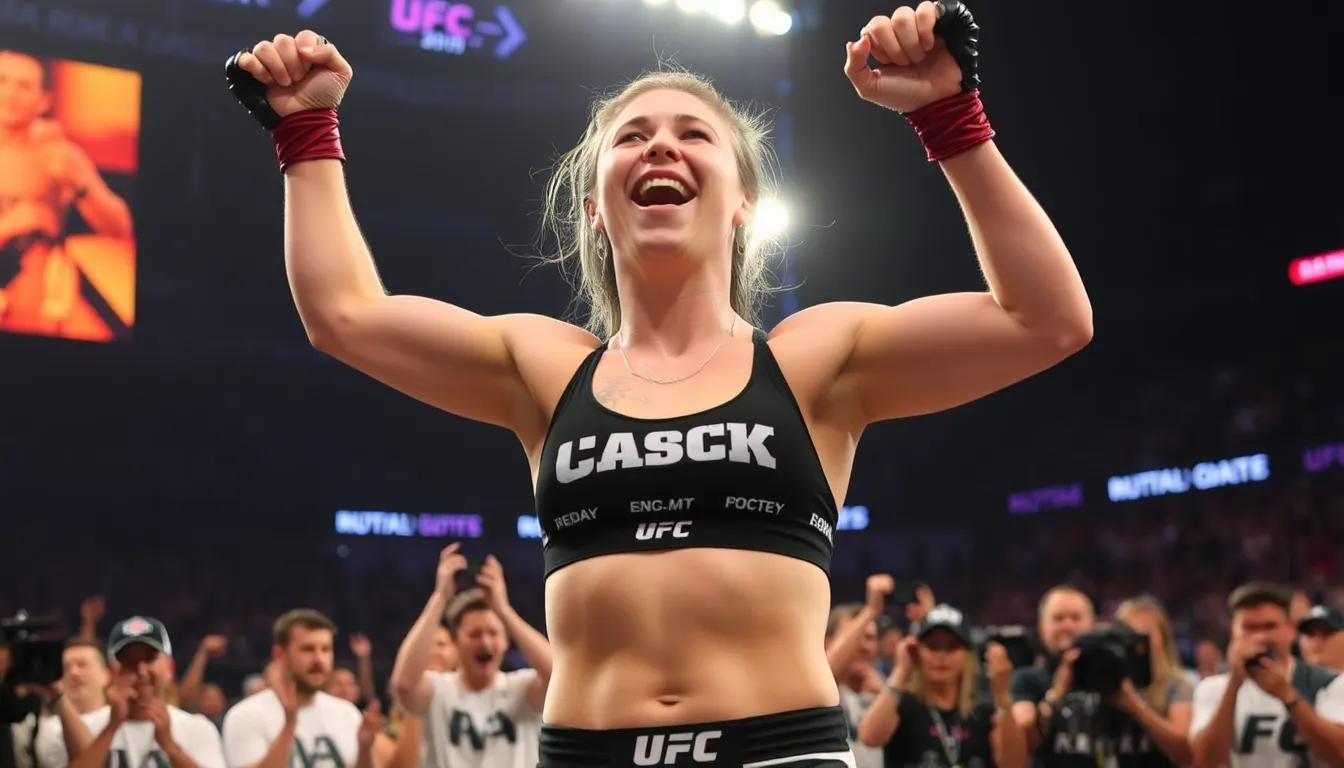
How these events affect the MMA landscape and fan reactions
The immediate aftermath of Rousey’s victory has sparked discussions about the future of women’s MMA and the potential for increased investment in female athletes, emphasizing trends also seen in discussions around popular culture and entertainment.
In the short term, the MMA industry is likely to see heightened interest from sponsors and broadcasters eager to capitalize on the buzz generated by Rousey’s performance. This could lead to increased funding for women’s divisions and more visibility for female fighters in mainstream media. However, there is also a risk that the focus on marquee matchups could overshadow the development of up-and-coming talent, potentially stunting the growth of the sport at grassroots levels.
Meanwhile, Jake Paul’s MMA debut, marred by boos from the audience, highlights the challenges of integrating personalities from outside the traditional MMA sphere. This event may alienate some hardcore fans who view celebrity involvement as a dilution of the sport’s integrity. In the mid-term, this could lead to a bifurcation in the audience, with some fans embracing crossover events while others push back against perceived gimmicks.
- Increased sponsorship opportunities for women’s MMA.
- Potential backlash from traditional fans regarding celebrity involvement.
- Heightened competition among female fighters.
- Shift in media coverage towards more female-centric events.
As the MMA landscape evolves, both risks and opportunities will emerge. Promoters will need to navigate the delicate balance between attracting new fans through celebrity involvement and maintaining the sport’s authenticity to keep traditional fans engaged. The outcomes of these events will undoubtedly shape policies and strategies for promotions, influencing how fights are marketed and which fighters receive the spotlight in the coming years.
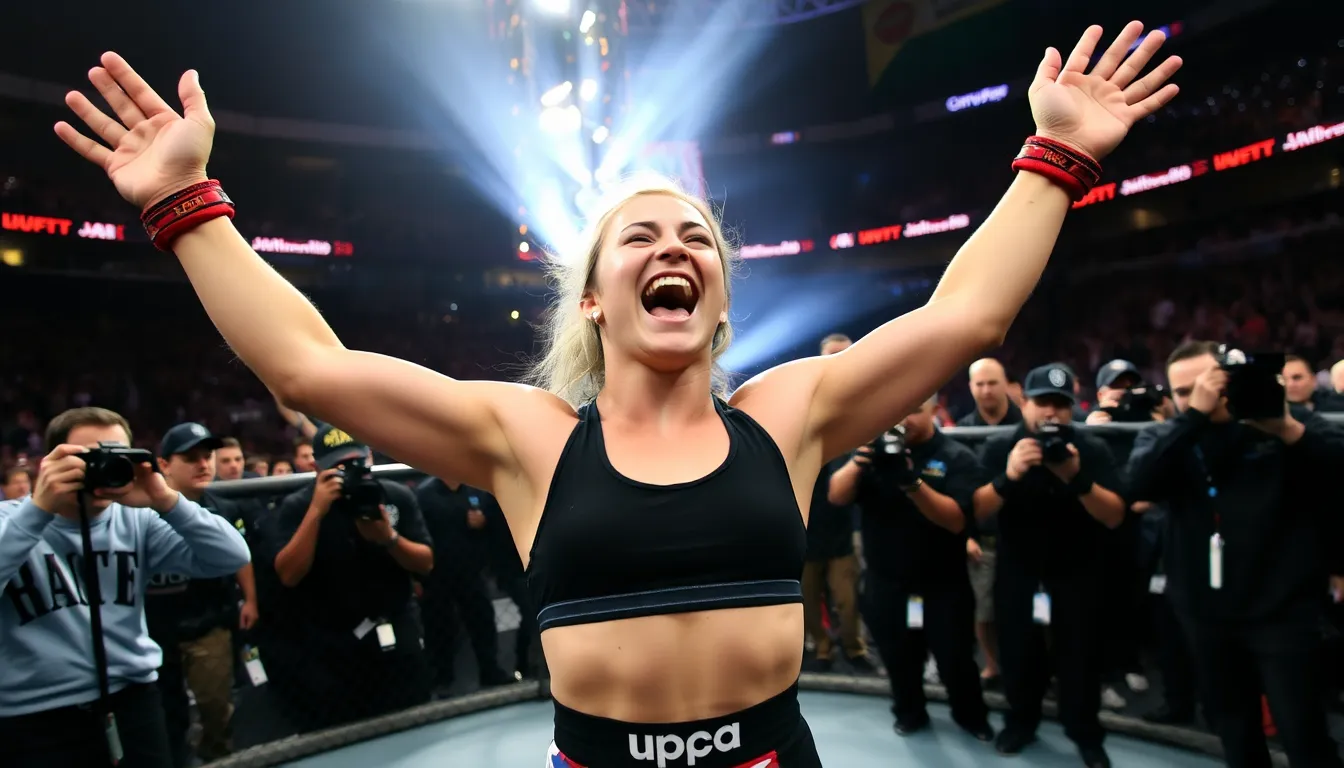
Frequently asked questions about the fights and their aftermath
A: Ronda Rousey utilized her superior grappling skills and striking to overwhelm Gina Carano, securing a swift victory that surprised many fans.
A: Jake Paul faced significant criticism for his performance, which many fans found underwhelming, leading to a chorus of boos during the event.
A: This victory solidifies Ronda Rousey’s status as a top competitor in MMA, potentially paving the way for future high-profile bouts.
A: Fan reactions have been mixed, with some expressing disappointment in the production quality and others intrigued by the potential for future events.
Key takeaways and future implications for MMA and its stars
The recent match between Ronda Rousey and Gina Carano has reignited discussions about the evolving landscape of women’s MMA, highlighting Rousey’s dominance and the potential for new rivalries to emerge. Meanwhile, Jake Paul’s debut in the MMA arena, despite being met with boos, suggests a complex relationship between celebrity and sport, raising questions about the future of crossover athletes in mixed martial arts.
As fans and analysts reflect on these events, several key insights emerge that could shape the trajectory of MMA and its stars in the coming years.
- The rapid conclusion of Rousey vs. Carano underscores the need for fighters to continuously evolve their skills to remain competitive in a fast-paced sport.
- Jake Paul’s experience may influence how traditional MMA fighters approach promotional strategies, blending entertainment with athleticism.
- The reception of celebrity fighters could lead to a reevaluation of matchmaking practices, prioritizing fan engagement alongside competitive integrity.
- Emerging rivalries, particularly in women’s divisions, could attract new audiences and increase viewership, benefiting the sport as a whole.
- As MMA continues to grow, the dynamics between established stars and newcomers will play a crucial role in shaping the future of the industry.