


The rooftop ward features state-of-the-art medical equipment while also incorporating elements of nature, such as plants and outdoor seating areas. Designed to promote healing and recovery, the space allows patients to step outside, which can significantly improve their mental health and overall outlook during challenging times. This innovative approach aligns with the growing recognition of the healing benefits associated with nature.
This innovative approach has garnered attention from healthcare professionals and mental health advocates alike, who emphasize the importance of connecting with nature as part of the healing process. According to Dr. Sarah Thompson, a leading intensivist at the hospital, “Being able to breathe fresh air and feel the sun can have a profound impact on recovery.” This is further supported by numerous research studies exploring the effects of outdoor exposure on mental well-being.
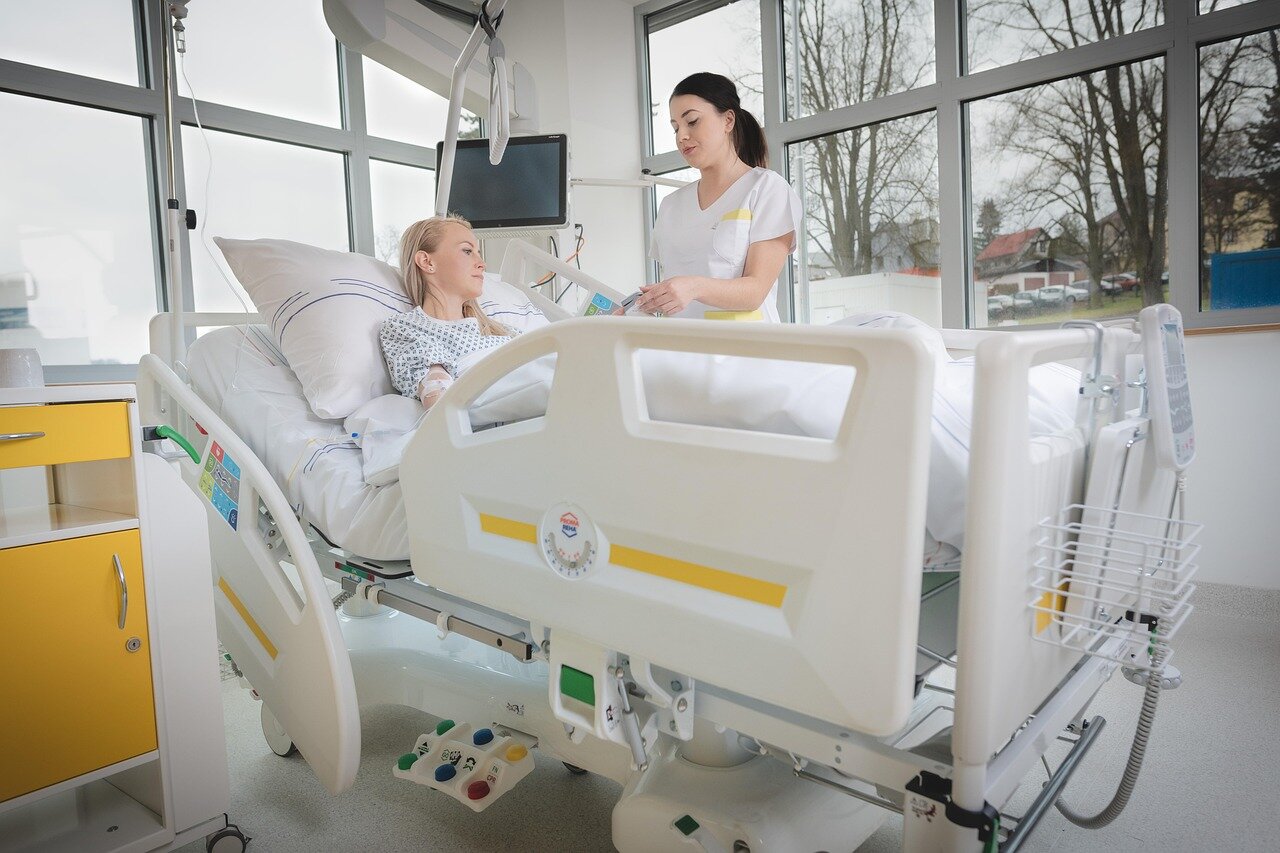
As hospitals worldwide continue to adapt to the needs of patients, this rooftop ward stands as a testament to the evolving landscape of healthcare, where patient experience is increasingly prioritized. The initiative not only addresses the physical needs of patients but also acknowledges the psychological benefits of outdoor exposure in an intensive care setting.
The importance of outdoor exposure for patient recovery and mental health
In recent years, the significance of outdoor exposure in healthcare settings has gained considerable attention. Research has consistently shown that access to natural light and fresh air can significantly enhance patient recovery rates, reduce stress, and improve overall mental health. This understanding has led to a paradigm shift in how hospitals are designed and operated, with an increasing number of facilities incorporating outdoor spaces into their treatment plans.
The historical context of this movement can be traced back to the early 20th century when the concept of “fresh air therapy” emerged, particularly for patients suffering from tuberculosis. This approach emphasized the healing properties of nature, leading to the establishment of sanatoriums in rural areas. Over time, as medical practices evolved, the focus on outdoor exposure waned, overshadowed by advancements in pharmaceuticals and technology.

However, the COVID-19 pandemic reignited discussions around the importance of outdoor spaces in healthcare. With prolonged lockdowns and restrictions on movement, many patients found themselves isolated, leading to a surge in mental health issues. This prompted healthcare providers to reevaluate their environments and consider how outdoor access could alleviate some of the psychological burdens faced by patients in intensive care, emphasizing a shift towards more holistic treatment approaches.
Key milestones in outdoor healthcare initiatives
Several key milestones have marked the resurgence of outdoor spaces in healthcare. In the late 1990s, the concept of healing gardens began to gain traction, with hospitals across the globe integrating these spaces into their designs. More recently, the establishment of rooftop gardens and outdoor therapy areas has become a popular trend, particularly in urban settings where green space is limited. These initiatives not only provide patients with a respite from the clinical environment but also foster a sense of community and connection to nature.
As healthcare continues to evolve, the opening of intensive care wards on rooftops represents a significant step forward in patient-centered care. By prioritizing outdoor exposure, medical professionals are beginning to bridge the gap between physical healing and mental well-being, acknowledging that a holistic approach is essential for recovery in today’s fast-paced world.
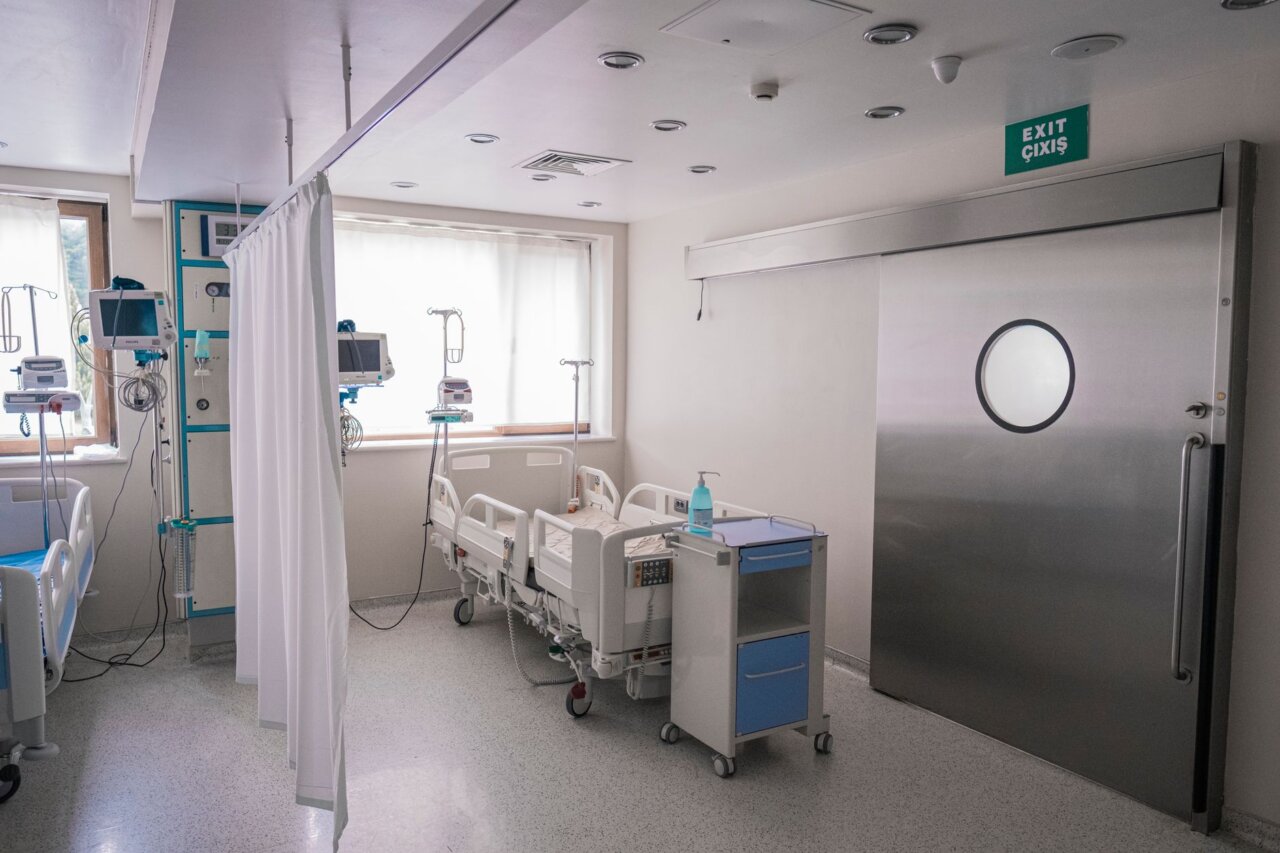
Key stakeholders and the implications of outdoor access for ICU patients
The opening of an intensive care unit (ICU) ward on a rooftop represents a significant development in patient care, particularly for those who have been confined indoors for extended periods. Key stakeholders in this initiative include hospital administrators, healthcare professionals, patients and their families, mental health advocates, and local government officials. Each of these groups has distinct interests that can influence the implementation and success of this innovative approach.
Hospital administrators are primarily concerned with operational efficiency and patient outcomes. They recognize that providing outdoor access could enhance the recovery process, reduce stress, and improve mental well-being for ICU patients. However, they also face challenges related to resource allocation, safety protocols, and potential liability issues associated with outdoor care.
Healthcare professionals, including doctors and nurses, have a vested interest in the therapeutic benefits of nature for critically ill patients. They advocate for holistic care that addresses not only physical health but also psychological and emotional needs. Yet, they must navigate the complexities of integrating outdoor environments into existing care protocols, ensuring that patient safety remains a top priority.

- Patient Interests: ICU patients and their families may experience improved quality of life with access to outdoor spaces, which can aid in reducing feelings of isolation and anxiety.
- Legal Considerations: Hospitals must consider legal implications, including patient consent and liability for any incidents that may occur outdoors.
- Economic Factors: The financial investment required for creating and maintaining rooftop facilities may raise questions about cost-effectiveness and funding sources.
- Community Impact: Local government officials may see the potential for enhanced community health outcomes, but they must balance this with zoning laws and public safety regulations.
In summary, the introduction of outdoor access for ICU patients involves a complex interplay of interests among various stakeholders. While the potential benefits are promising, careful consideration of the associated conflicts, trade-offs, and legal or economic issues is essential for the successful implementation of such initiatives.
How the rooftop ward affects patients, families, and healthcare providers
The opening of an intensive care ward on a rooftop brings a fresh perspective on patient care, particularly for those suffering from severe health conditions. This innovative approach primarily impacts patients who require long-term hospitalization, offering them a unique environment that promotes healing through exposure to natural light and fresh air.
Families of patients also feel the effects, as the rooftop setting provides a more comforting and less clinical atmosphere. This can ease the emotional burden on families, allowing them to spend quality time with their loved ones in a more relaxed setting. The psychological benefits of being outdoors can enhance the overall experience for both patients and their visitors.

Healthcare providers, including doctors and nurses, are also affected by this shift. The new ward may require adjustments in staffing and training, as well as changes in operational protocols to ensure patient safety in an outdoor environment. This adaptation could lead to improved job satisfaction for healthcare workers, as they witness the positive outcomes of their patients in a more uplifting setting.
- Short-term impacts: Enhanced patient morale and family engagement.
- Mid-term impacts: Potential for improved recovery rates and reduced length of hospital stays.
- Risks: Weather-related challenges and the need for robust safety measures.
- Opportunities: A model for future healthcare innovations and increased interest in outdoor therapeutic practices.
In terms of broader implications, this initiative may influence healthcare policies, encouraging more hospitals to consider similar designs. The potential for a shift in how healthcare facilities are structured could lead to a trend towards incorporating natural elements in medical environments, ultimately benefiting patient care on a larger scale.
A: Exposure to natural light and fresh air can significantly enhance the mental well-being of ICU patients, potentially leading to improved recovery outcomes. A: The rooftop ward is equipped with safety protocols, including secure barriers and constant monitoring by medical staff to ensure patient safety. A: Access to the rooftop is determined by medical staff based on each patient’s condition and stability, ensuring that only those who can safely benefit are allowed. A: Many patients have reported feeling revitalized and more connected to the outside world, expressing gratitude for the opportunity to enjoy fresh air. A: Yes, several hospitals are considering similar initiatives as the positive impact on patient morale and recovery becomes more evident.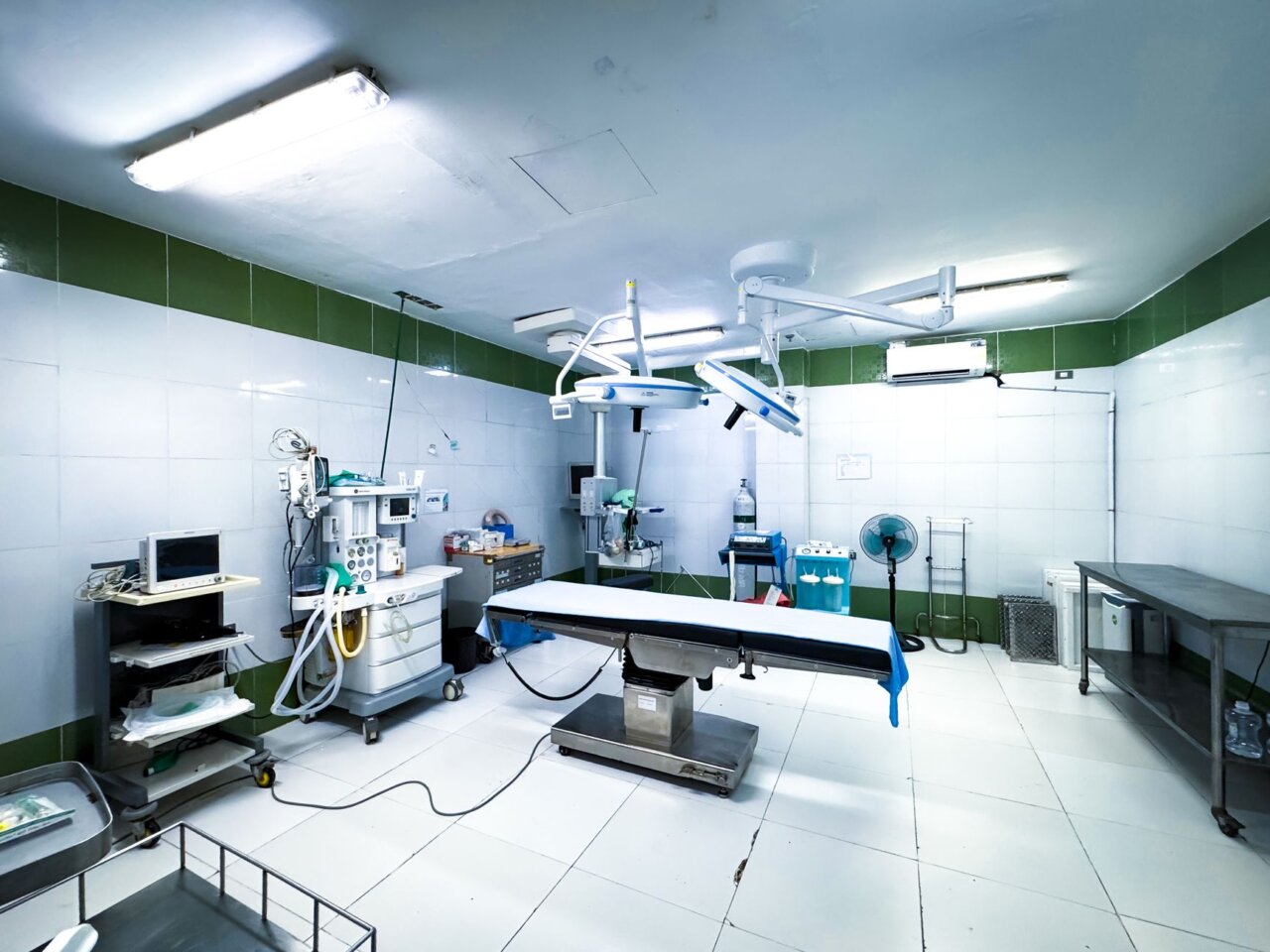
Frequently asked questions about the rooftop intensive care ward
Looking ahead: The future of outdoor access in critical care settings
The introduction of an intensive care ward on a rooftop signifies a transformative approach to patient recovery and well-being. This innovative space not only provides a breath of fresh air but also emphasizes the importance of nature in healing. As healthcare systems continue to adapt to the needs of patients, the integration of outdoor environments into critical care could redefine the standard of care.
Moving forward, it will be essential to monitor the long-term effects of outdoor access on patient outcomes, staff well-being, and overall hospital design. This initiative may serve as a model for other institutions looking to enhance their facilities and patient experiences, highlighting the need for a holistic approach to healthcare.
- Patient Recovery: Access to outdoor spaces may significantly improve mental health and recovery rates for critically ill patients.
- Staff Morale: Outdoor environments can enhance staff well-being, potentially reducing burnout and improving job satisfaction.
- Design Innovations: Hospitals may increasingly prioritize outdoor areas in their designs, creating more therapeutic environments.
- Policy Implications: Healthcare policies may evolve to support the integration of nature into critical care settings, influencing funding and regulations.