


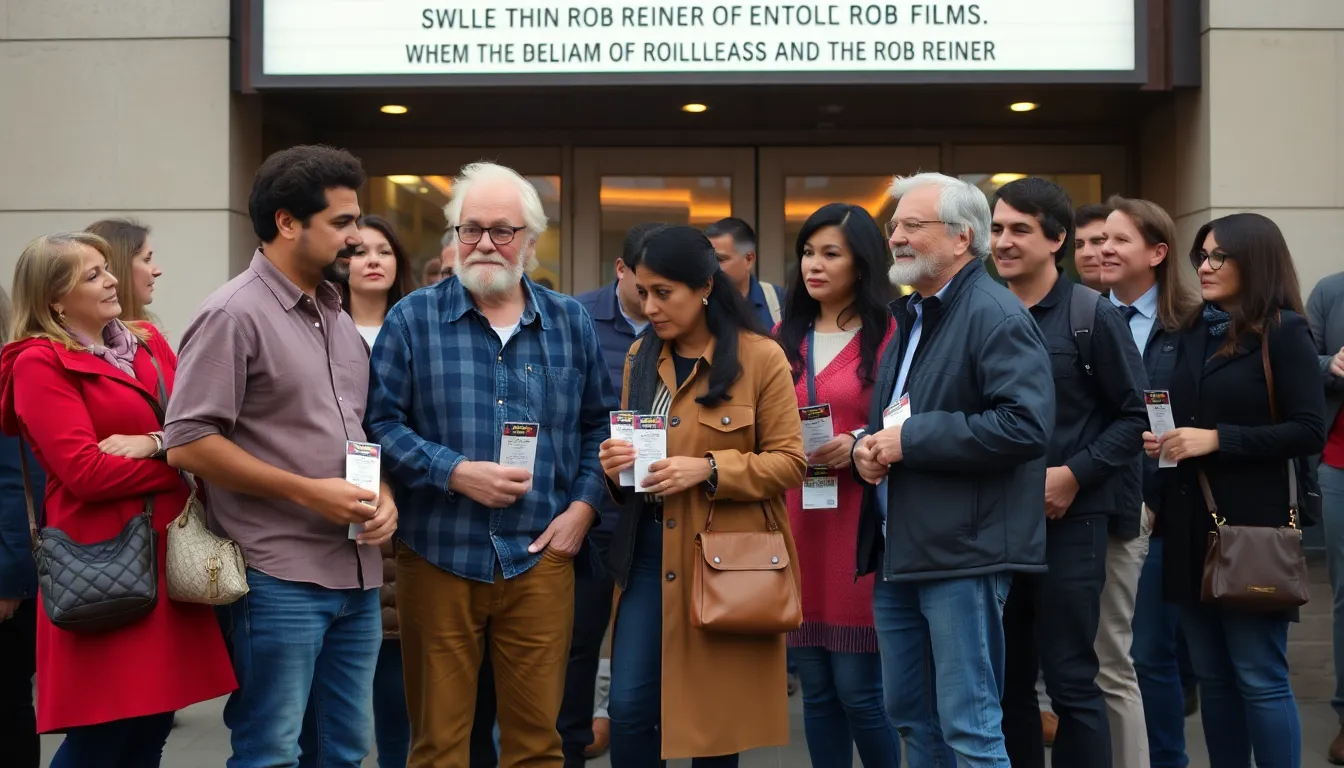
Currently, Reiner’s films are experiencing a resurgence in popularity, as audiences revisit classics such as “The Princess Bride” (1987) and “When Harry Met Sally…” (1989). These films not only showcase his talent but also reflect the cultural zeitgeist of their respective eras, resonating with both new viewers and nostalgic fans alike. The enduring appeal of his work highlights the timeless nature of his storytelling.
As discussions around cinematic excellence and the role of directors in shaping narratives continue, Reiner’s contributions are frequently cited in debates about the evolution of film. His ability to tackle complex social issues through accessible narratives has inspired many contemporary filmmakers. This ongoing recognition underscores the relevance of his films in today’s cinematic landscape.
In recent months, tributes to Reiner’s work have emerged through various film festivals and retrospectives, celebrating his legacy and influence. Events showcasing his films often include discussions with actors who collaborated with him, such as Billy Crystal and Meg Ryan, further emphasizing the impact of his directorial vision. These gatherings serve not only to honor his achievements but also to inspire future generations of filmmakers.
The evolution of Rob Reiner as a filmmaker
Rob Reiner, born in 1947, emerged as a significant figure in American cinema during the 1980s and 1990s, a time marked by a shift in Hollywood towards more personal and relatable storytelling. His journey from a television actor to a celebrated director reflects broader changes in the film industry, where character-driven narratives began to gain prominence over traditional blockbuster formats.
Reiner’s early career was rooted in television, notably as Mike Stivic on the sitcom “All in the Family.” This experience not only honed his comedic timing but also provided him with insights into the societal issues of the time, such as race relations and family dynamics. These themes would later permeate his films, establishing him as a director who was unafraid to tackle complex emotional landscapes.
In the mid-1980s, Reiner made his directorial debut with “This Is Spinal Tap,” a mockumentary that satirized the rock music industry. This film was groundbreaking, blending humor with a critique of celebrity culture, and set the stage for Reiner’s unique voice in filmmaking. Following this, he directed a series of critically acclaimed films, including “Stand by Me,” “The Princess Bride,” and “When Harry Met Sally…,” each showcasing his ability to blend humor with heartfelt storytelling.
Key milestones in Reiner’s career
Throughout his career, Reiner has consistently pushed boundaries and explored various genres. His adaptation of Stephen King’s “Misery” showcased his versatility, transitioning from comedy to psychological thriller while maintaining his signature focus on character development. The success of these films not only solidified his reputation but also reflected a growing audience demand for narratives that resonate on a personal level, a trend that continues to influence filmmakers today.
Reiner’s work has often mirrored the social and political climate of the times, addressing issues such as love, friendship, and the human condition. His films have not only entertained but also sparked conversations about societal values, making him a pivotal figure in the evolution of contemporary cinema.
Key themes and issues in Reiner’s most beloved films
Rob Reiner, known for his ability to weave humor and heart into his narratives, has directed several films that resonate with audiences on multiple levels. These films often explore complex themes such as love, friendship, morality, and the human condition. The primary stakeholders in these narratives include the characters portrayed by actors, the filmmakers, and the audience, each with distinct interests and perspectives.

One of the key issues in Reiner’s films is the portrayal of relationships and the conflicts that arise within them. For instance, in “When Harry Met Sally,” the evolving friendship between the two leads raises questions about the nature of love and the boundaries between friendship and romance. This theme highlights the interests of the audience, who may seek relatable experiences and insights into their own relationships.
- Character Development: Reiner’s films often feature rich character arcs that allow actors to showcase their talents while engaging the audience.
- Social Commentary: Many of Reiner’s films address societal issues, such as in “A Few Good Men,” where military ethics and justice are central themes.
- Emotional Resonance: The emotional depth in Reiner’s storytelling fosters a connection between the audience and the characters, enhancing viewer investment.
Additionally, the economic implications of Reiner’s films cannot be overlooked. Successful box office performances not only benefit the filmmakers and actors financially but also influence future projects and the types of stories that get told in Hollywood. The trade-offs here involve balancing commercial success with artistic integrity, as filmmakers navigate the demands of studios and audience expectations, much like the films discussed in “Favorite Rob Reiner Moments According to Guardian Writers”.
Legal issues also play a role, particularly in films that tackle controversial subjects or depict real-life events. For example, “The American President” addresses political themes that could lead to scrutiny regarding representation and accuracy. These legal considerations are crucial for filmmakers, as they must ensure that their portrayals do not lead to defamation or other legal challenges.
How Reiner’s films resonate with audiences today
Rob Reiner’s films, characterized by their emotional depth and humor, continue to resonate with a diverse audience today. This includes not only film enthusiasts but also various sectors such as education, mental health, and social activism. His works encourage discussions around themes like love, friendship, and resilience, making them relevant in contemporary societal contexts.
In the short term, the revival of interest in Reiner’s classic films can stimulate local economies, particularly in regions with a strong film culture. Movie theaters, streaming platforms, and merchandise related to his films may see increased engagement. This uptick could lead to temporary job creation in the entertainment sector, benefiting actors, crew members, and local businesses that cater to film fans.

Mid-term impacts may include a renewed focus on the themes presented in Reiner’s films, prompting educational institutions to incorporate them into curricula. This could foster discussions around emotional intelligence and ethical decision-making among students, thus influencing future generations. Additionally, mental health professionals might leverage the narratives within Reiner’s films to facilitate therapy sessions, highlighting the importance of storytelling in healing.
- Local Economic Boost: Increased foot traffic in theaters and related businesses.
- Educational Opportunities: Integration of films into teaching materials.
- Mental Health Awareness: Use of film narratives in therapeutic contexts.
However, there are risks associated with this renewed interest. The potential oversaturation of Reiner’s works in popular media could lead to viewer fatigue. Additionally, younger audiences may not connect with the themes as deeply as older generations, resulting in a possible disconnect that could diminish the films’ impact over time. Balancing nostalgia with fresh interpretations will be crucial for maintaining relevance.
A: Some of Rob Reiner’s most famous films include ‘When Harry Met Sally…’, ‘The Princess Bride’, and ‘Stand by Me’. These films have become classics and are celebrated for their storytelling and character development. A: Rob Reiner is considered a big-hearted genius due to his ability to blend humor with heartfelt emotion in his films, creating relatable characters and memorable moments that resonate with audiences. A: Common themes in Reiner’s films include friendship, love, and the journey of self-discovery. His films often explore the complexities of human relationships in a light-hearted yet poignant manner. A: Rob Reiner’s background in television and his family connections in the entertainment industry provided him with a unique perspective on storytelling, which he effectively translated into his films. A: Yes, Rob Reiner has received numerous awards, including several Emmy Awards and nominations for Academy Awards, recognizing his contributions to both film and television.
Frequently asked questions about Rob Reiner’s films
Reflecting on Rob Reiner’s legacy in film
Rob Reiner’s contributions to cinema have left an indelible mark, characterized by his ability to blend humor with heartfelt narratives. His films often explore themes of love, friendship, and the human experience, resonating with audiences across generations. As we consider his body of work, it becomes evident that his unique storytelling approach not only entertains but also invites reflection on deeper societal issues.
Looking ahead, Reiner’s influence may inspire a new generation of filmmakers to prioritize emotional authenticity in their storytelling. The enduring popularity of his classics serves as a reminder of the power of cinema to connect people and provoke thought, suggesting that future projects could benefit from a similar blend of wit and sincerity.
- Emotional Resonance: Filmmakers should prioritize narratives that evoke genuine emotions, as this connection can lead to lasting impact.
- Humor in Serious Themes: Incorporating humor into serious subjects can make difficult topics more accessible and relatable to audiences.
- Cross-Generational Appeal: Stories that touch on universal themes have the potential to engage viewers of all ages, broadening audience reach.
- Character-Driven Stories: Focusing on well-developed characters can enhance viewer investment and create memorable cinematic experiences.