


The charter was approved by a narrow margin in the local government, reflecting a divided opinion on vaccine mandates and public health measures. Proponents argue that this shift empowers local leaders to make decisions that align with community values, while critics warn it undermines established scientific consensus and could jeopardize public health initiatives. For further insight into the impact of recent legal decisions, check out our article on YouTuber arrested for pepper-spraying incidents amid lawsuit.
Key stakeholders, including health officials and community leaders, have expressed concerns about the implications of this charter. Many fear that Kennedy’s influence could lead to a rollback of vaccination programs that have been crucial in combating infectious diseases. The situation has ignited a renewed debate on the balance between individual rights and public health responsibilities, similar to discussions surrounding Idaho’s service cuts for people with schizophrenia.
As the new charter takes effect, observers are closely monitoring its impact on vaccine uptake and public health outcomes in the region. The ongoing discourse highlights the complexities surrounding vaccine policy and the varying perspectives on how best to address health crises in a polarized environment.
Understanding the Background of Vaccine Policy Debates
The debate over vaccine policy in the United States has a long and complex history, deeply rooted in public health, individual rights, and political ideologies. The emergence of vaccine hesitancy in recent years can be traced back to a combination of factors, including misinformation, historical mistrust in medical institutions, and the politicization of health issues. These elements have contributed to a polarized environment where vaccine policies are often at the forefront of political discourse.
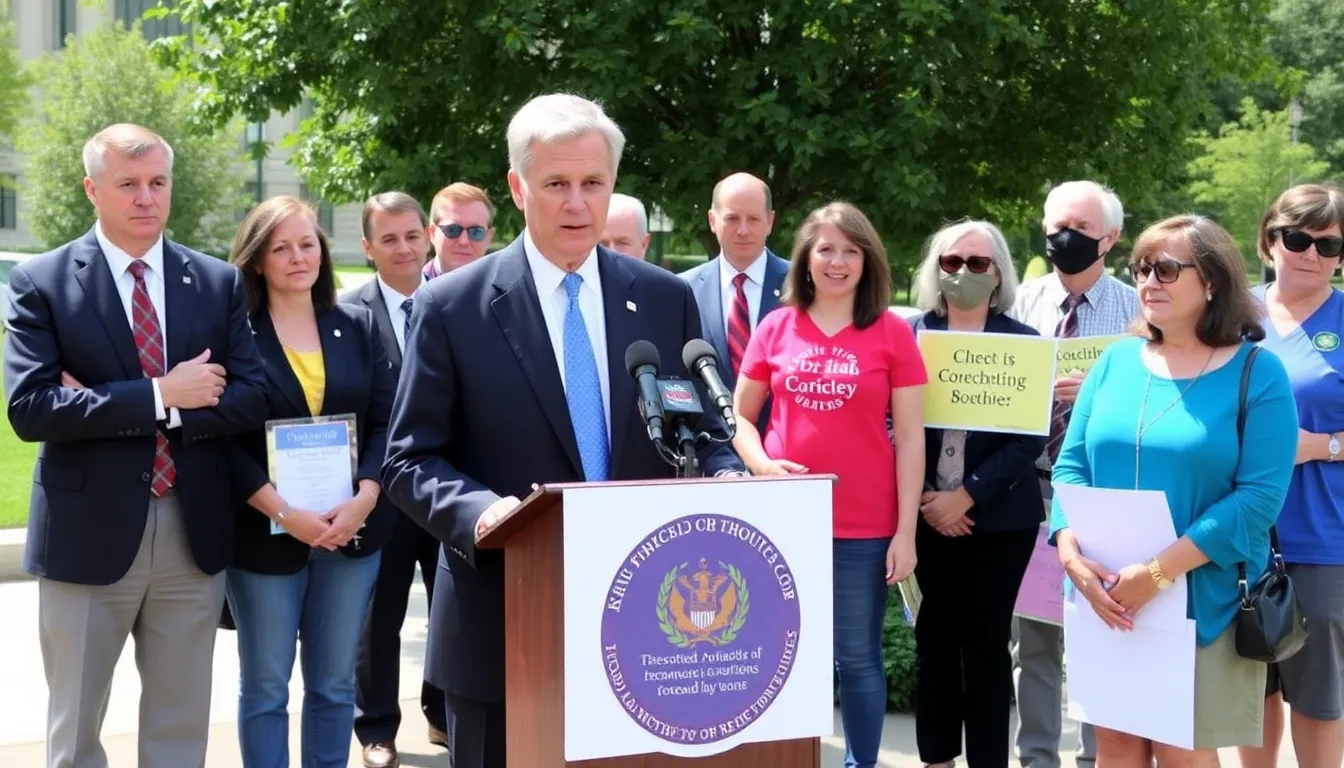
One significant milestone in this debate occurred in the late 1990s when concerns about vaccine safety gained traction, particularly following a now-discredited study that falsely linked the MMR (measles, mumps, and rubella) vaccine to autism. This sparked widespread fear and led to a decline in vaccination rates, which in turn resulted in outbreaks of preventable diseases. The subsequent public health crises highlighted the need for robust vaccine policies and education, but they also fueled ongoing skepticism and resistance against mandated vaccinations.
In recent years, the political landscape surrounding vaccine policy has shifted dramatically. Figures like Robert F. Kennedy Jr. have emerged as prominent voices in the anti-vaccine movement, advocating for personal choice and questioning the safety and efficacy of vaccines. This has created a battleground where public health officials and advocates for vaccination face off against those who believe in individual liberties and the right to medical autonomy.
The Role of Legislation
Legislative actions have played a crucial role in shaping vaccine policy. Various states have enacted laws to either strengthen vaccination requirements or provide exemptions based on philosophical or religious beliefs. These laws often reflect the values and priorities of the political climate within each state, resulting in a patchwork of policies across the country. The recent charter allowing RFK Jr. to reclaim vaccine policy, despite prior court rulings, underscores the ongoing tension between legal frameworks and public health imperatives, raising questions about the future direction of vaccine policy in the U.S. For more on legislative impacts, see our coverage of British Steel’s urgent calls for nationalisation.
Key Stakeholders and Issues Surrounding Vaccine Policy
The recent charter allowing Robert F. Kennedy Jr. (RFK Jr.) to reclaim control over vaccine policy has generated significant interest and concern among various stakeholders. These stakeholders include government entities, public health organizations, vaccine manufacturers, and advocacy groups, each with distinct interests and perspectives on vaccine safety and policy.
One of the primary actors in this scenario is the U.S. government, particularly agencies like the Centers for Disease Control and Prevention (CDC) and the Food and Drug Administration (FDA). Their interest lies in ensuring public health and safety through effective vaccine programs. However, the re-emergence of RFK Jr. in this space raises questions about the balance between public health objectives and individual rights.
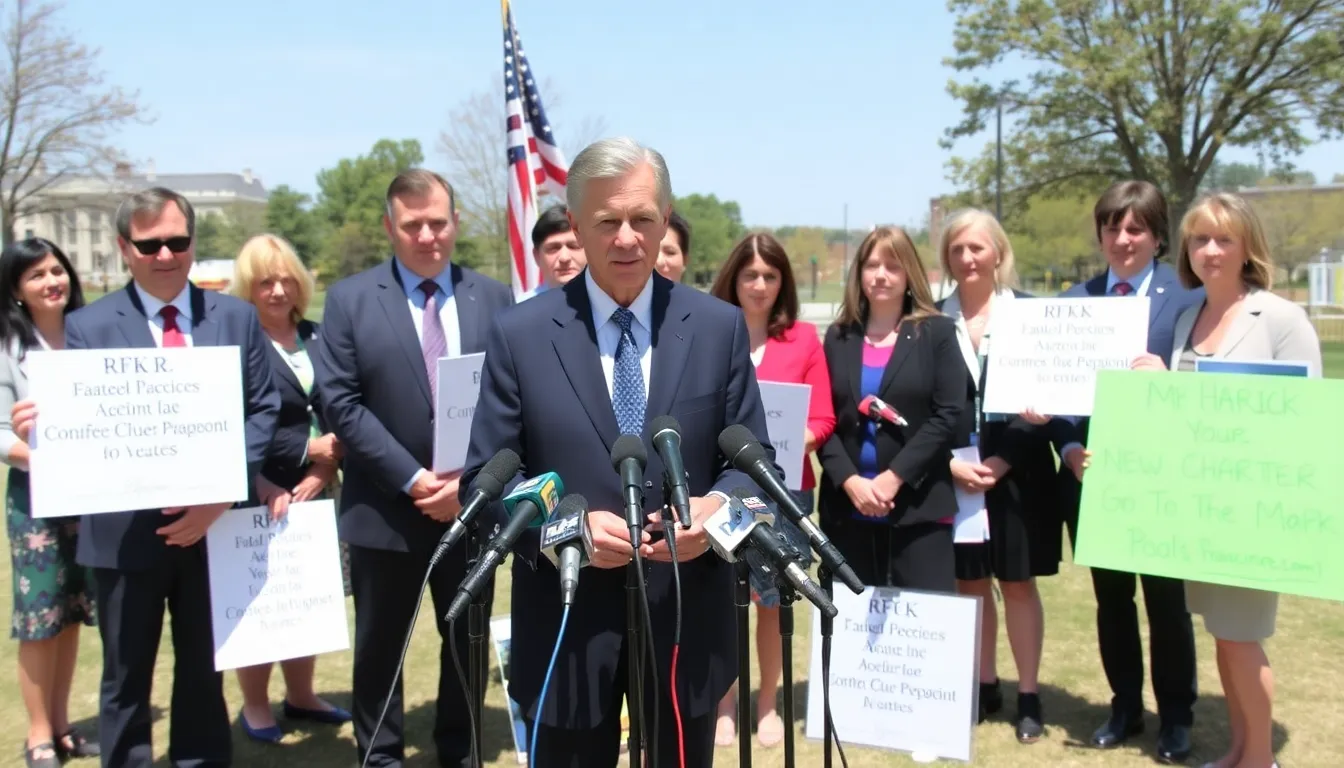
Another key stakeholder is the pharmaceutical industry, which has a vested interest in vaccine development and distribution. The industry may view RFK Jr.’s influence as a threat to public confidence in vaccines, potentially impacting sales and the overall perception of vaccine efficacy. This conflict highlights the trade-off between public skepticism and the need for robust vaccination programs to prevent disease outbreaks.
- Public Health vs. Personal Freedom: The tension between individual rights to refuse vaccination and the collective responsibility to maintain herd immunity.
- Legal Precedents: Ongoing legal battles regarding vaccine mandates and the implications of RFK Jr.’s charter on future court rulings.
- Economic Implications: The potential economic impact on healthcare systems if vaccine uptake declines due to increased vaccine hesitancy.
- Advocacy Groups: The role of organizations advocating for vaccine safety and those promoting vaccination as a public health necessity.
As the situation evolves, it is crucial for all parties involved to navigate these complex issues thoughtfully. The interplay of legal, economic, and ethical considerations will shape the future landscape of vaccine policy in the United States.
Potential Impacts on Public Health and Policy
The recent charter allowing Robert F. Kennedy Jr. to reclaim vaccine policy is poised to affect various groups and industries, including public health organizations, pharmaceutical companies, and families. The ripple effects may extend across multiple regions, particularly in areas where vaccine hesitancy is prevalent.
In the short term, this development could lead to increased public discourse surrounding vaccine safety and efficacy. Advocacy groups on both sides of the vaccine debate may mobilize to voice their opinions, potentially influencing local and national policy decisions. This heightened attention may also result in fluctuating vaccination rates, impacting herd immunity in vulnerable communities.
Mid-term impacts could manifest in changes to healthcare policies and funding allocations. Public health departments may need to adapt their outreach strategies to address growing concerns or misinformation surrounding vaccines. Additionally, pharmaceutical companies could face pressure to innovate or modify their products in response to shifting public sentiment and regulatory environments.
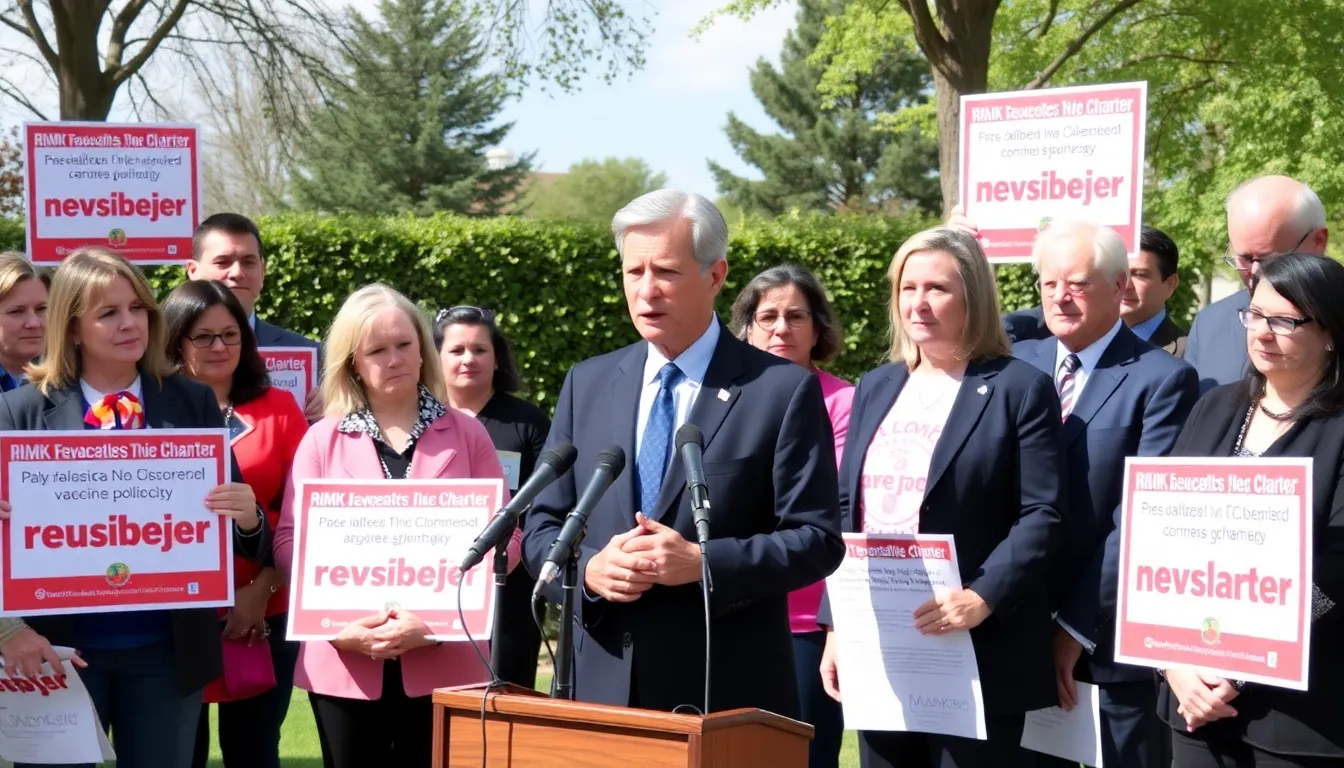
- Risks: Increased vaccine hesitancy could lead to outbreaks of preventable diseases.
- Opportunities: Enhanced dialogue may foster improved vaccine education and awareness initiatives.
- Risks: Strain on healthcare resources due to potential public health crises.
- Opportunities: Potential for collaboration between stakeholders to develop comprehensive vaccination strategies.
Overall, the implications of this charter extend beyond simple policy changes; they may reshape the landscape of public health and influence the way communities approach vaccination in the future.
A: The new charter allows RFK Jr. to reassess and potentially change existing vaccine policies, which had been previously restricted by court rulings. A: This development could lead to significant changes in vaccine regulations, impacting public health initiatives and vaccination rates. A: Key stakeholders include public health officials, vaccine manufacturers, and advocacy groups on both sides of the vaccine debate. A: Many are concerned about the implications of RFK Jr.’s views on vaccines and how they may influence public health policy and vaccine uptake. A: Legal challenges may emerge as various groups could contest the legitimacy of the charter and its implications on public health law.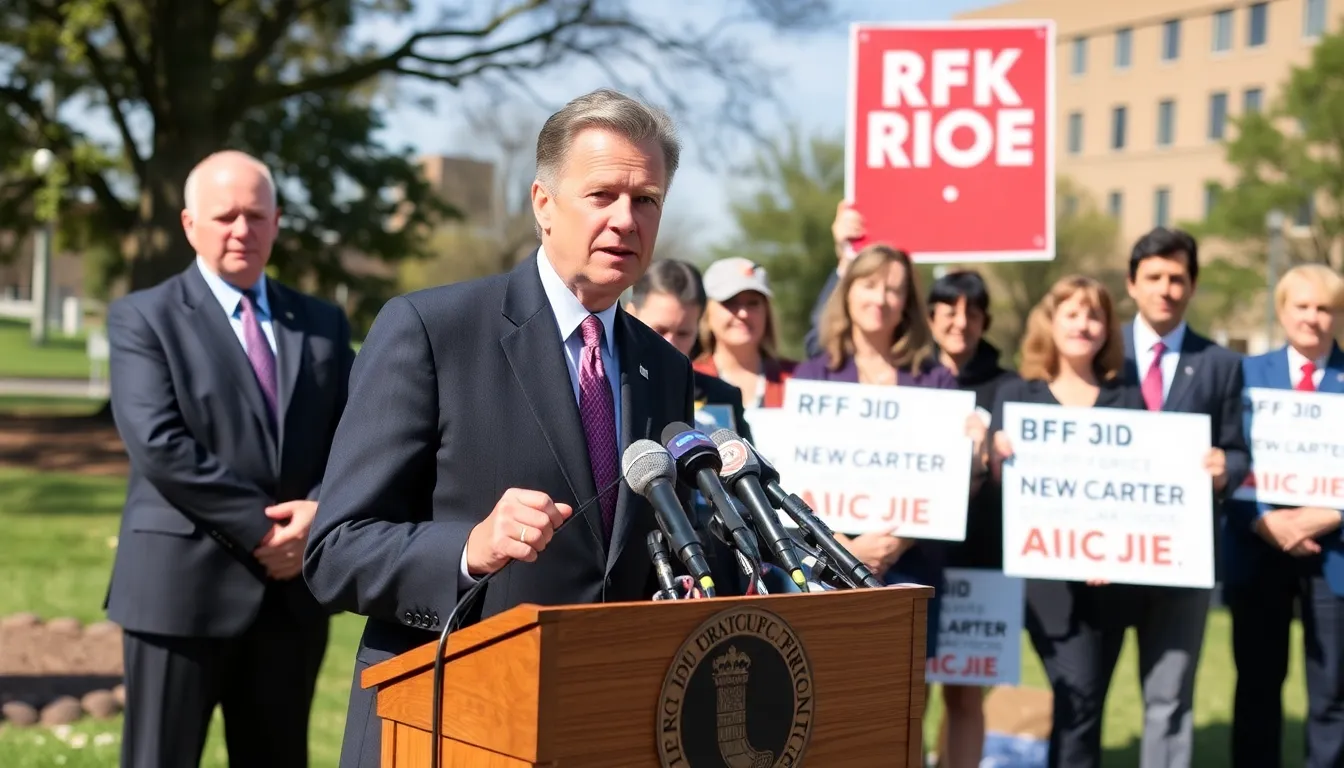
Frequently Asked Questions About the New Charter
Insights on the Future of Vaccine Policy Under RFK Jr.
The recent charter allowing RFK Jr. to reclaim control over vaccine policy, despite previous court rulings, presents a significant shift in the landscape of public health governance. This development not only raises questions about the future direction of vaccine legislation but also highlights the ongoing tensions between public health initiatives and individual rights. As RFK Jr. re-establishes his influence, stakeholders must remain vigilant about the implications for vaccine accessibility and public trust in health authorities.
Monitoring the unfolding situation will be crucial, as RFK Jr.’s actions could set precedents that impact vaccine policy at both state and national levels. The dialogue surrounding vaccine safety, efficacy, and mandates may evolve, prompting a reassessment of existing frameworks and potentially igniting further debate among policymakers, health professionals, and the public.
- Watch for potential changes in state-level vaccine mandates as RFK Jr. leverages his new authority.
- Anticipate increased public discourse around vaccine safety and individual rights, which may influence public opinion.
- Consider the role of advocacy groups in shaping policy responses and public health strategies moving forward.
- Stay informed about legal challenges that may arise as RFK Jr. seeks to implement his vision for vaccine policy.
- Evaluate the impact of this shift on vaccine research funding and public health initiatives aimed at increasing vaccination rates.