


In 2023, the UK government announced a new initiative aimed at restoring 10,000 hectares of chalk grassland by 2030. This plan is part of a broader strategy to enhance biodiversity and combat climate change, as outlined in this related article. Key stakeholders, including local wildlife trusts and environmental NGOs, are collaborating with farmers to implement sustainable land management practices that support the regeneration of these unique habitats.
Recent surveys have indicated a worrying decline in populations of specific pollinators, such as the solitary bee and various butterfly species, which rely heavily on chalk grassland flora. Experts emphasize that restoring these habitats is not only critical for the insects themselves but also for the overall health of the ecosystem, including food production and carbon sequestration, making it essential to understand broader conservation efforts.
Public awareness campaigns have been launched to engage local communities in the restoration process, highlighting the importance of chalk grasslands for both wildlife and human well-being. These efforts aim to foster a sense of stewardship among residents and encourage participation in local conservation initiatives, drawing parallels with other conservation challenges discussed in this article. The success of these restoration projects will depend on sustained commitment and collaboration across various sectors.
Understanding the significance of chalk grasslands
Chalk grasslands are unique ecosystems characterized by their rich biodiversity, particularly in terms of rare and specialized insects. These habitats, primarily found in the UK, have evolved over thousands of years, shaped by traditional agricultural practices such as grazing and hay-making. Historically, these grasslands supported a variety of flora and fauna, including many species that are now considered threatened or endangered due to habitat loss and changes in land use.
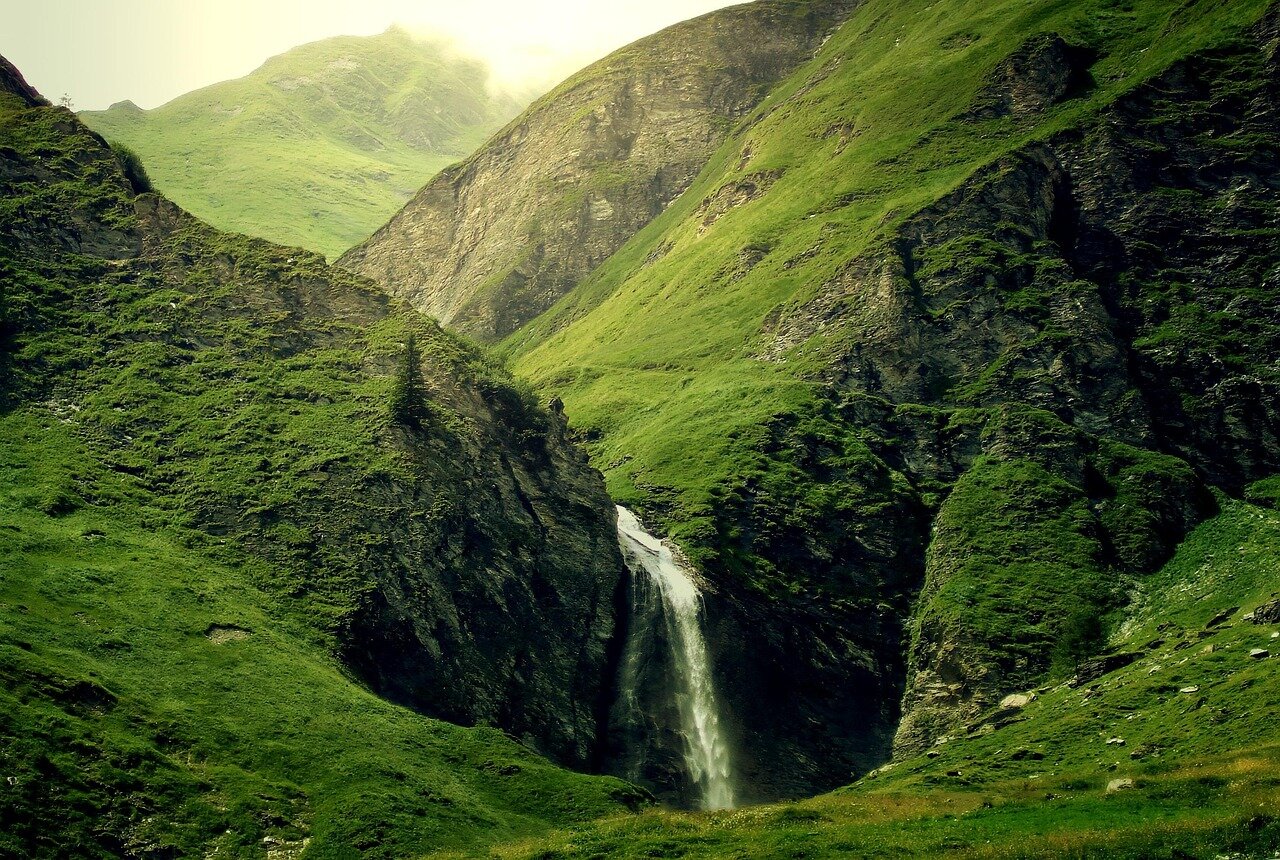
The decline of chalk grasslands can be traced back to the mid-20th century, when agricultural intensification began to take hold. The introduction of modern farming techniques, including the use of fertilizers and pesticides, led to a significant reduction in the extent and quality of these habitats. As a result, many native species struggled to survive, and the delicate balance of these ecosystems was disrupted.
Political and Economic Factors
The political landscape has also played a crucial role in the fate of chalk grasslands. Policies promoting agricultural productivity often overlooked the ecological value of these areas. However, recent shifts towards environmental conservation have sparked renewed interest in restoring chalk grasslands. Initiatives such as the UK’s 25 Year Environment Plan aim to reverse some of the damage done, highlighting the importance of biodiversity and ecosystem services.
Moreover, the economic implications of restoring chalk grasslands cannot be ignored. While there is an upfront cost associated with restoration efforts, the long-term benefits include enhanced ecosystem services such as carbon sequestration, improved water quality, and increased resilience to climate change. This economic perspective is vital in garnering support from stakeholders, including farmers, policymakers, and conservationists.
In recent years, various conservation groups have mobilized to advocate for the restoration of chalk grasslands, emphasizing their importance for rare insects and other wildlife. Successful case studies from regions where restoration has occurred serve as a beacon of hope, showcasing the potential for recovery and the positive impact on local biodiversity. These efforts are crucial not only for the insects that depend on these habitats but also for the broader ecological health of the regions in which they reside.
Key stakeholders and issues surrounding restoration
The restoration of chalk grassland, crucial for the survival of rare insect species, involves a diverse range of stakeholders. These include environmental organizations, local governments, farmers, and scientists. Each group has distinct interests that can sometimes conflict, affecting the overall success of restoration efforts.
Environmental organizations, such as the Wildlife Trusts and Buglife, advocate for the restoration of chalk grassland to enhance biodiversity. Their primary interest lies in preserving habitats that support rare insects, which are vital for ecosystem health. These organizations often push for policies that prioritize conservation over development, leading to tensions with agricultural stakeholders.
Farmers, on the other hand, may view the restoration efforts as a threat to their livelihoods. Many farmers rely on the land for grazing and crop production, and the conversion of agricultural land back to grassland can lead to economic challenges. This creates a trade-off between agricultural productivity and ecological restoration, raising questions about the best use of land resources.
Local governments play a crucial role in mediating between these interests. They must balance the need for economic development with environmental protection. Legal frameworks, such as the Countryside and Rights of Way Act, provide guidelines for land use but can also complicate restoration efforts if not aligned with the interests of all stakeholders. Additionally, funding for restoration projects often comes from government sources, which can influence priorities and outcomes.
- Conflicting interests: Farmers vs. environmentalists on land use.
- Economic implications: Potential loss of income for farmers.
- Legal frameworks: Regulations that may hinder or facilitate restoration.
- Funding sources: Government grants influencing project priorities.
- Community engagement: Importance of involving local populations in restoration efforts.
Impact on biodiversity and local ecosystems
The call to restore chalk grassland for rare insects primarily affects local communities, conservationists, and agricultural sectors in regions where these ecosystems are prevalent, such as southern England. The restoration efforts target both urban and rural populations, emphasizing the need for collaboration between environmental organizations and local stakeholders.
In the short term, communities may experience disruptions as restoration projects are initiated. This can include temporary land usage changes, which may affect agricultural practices and local businesses that rely on land for production. However, these disruptions can lead to mid-term benefits, such as increased biodiversity, which can enhance ecosystem services critical for agriculture and tourism.
Key impacts of the restoration efforts include:
- Increased biodiversity: Restoration can lead to a resurgence of rare insect populations, benefiting overall ecosystem health.
- Economic opportunities: Enhanced natural environments can attract tourism and promote local businesses focused on eco-friendly practices.
- Policy shifts: Local governments may implement new policies that prioritize conservation, affecting land use and agricultural regulations.
While there are risks associated with potential land use conflicts and economic adjustments, the long-term benefits of restored chalk grasslands could outweigh these challenges, fostering a sustainable relationship between local communities and their environments.
A: Chalk grasslands provide unique habitats that support a diverse range of rare insect species. These ecosystems are rich in flora, which in turn sustains various pollinators and other beneficial insects. A: The primary threats include agricultural expansion, urban development, and climate change, which lead to habitat loss and degradation. These factors significantly impact the biodiversity of these ecosystems. A: Individuals can participate in local conservation efforts, support organizations focused on habitat restoration, and promote awareness about the importance of these ecosystems in their communities. A: Local governments can implement policies that protect existing chalk grasslands, fund restoration projects, and engage communities in conservation activities, ensuring sustainable management of these habitats.
Frequently asked questions about chalk grassland restoration
Future outlook on chalk grassland conservation
The ongoing calls to restore chalk grassland highlight a critical intersection between biodiversity conservation and agricultural practices. As rare insects rely on these unique ecosystems, the potential for revitalizing chalk grasslands presents an opportunity not only for ecological restoration but also for enhancing agricultural resilience. Stakeholders, including local communities, conservationists, and farmers, must collaborate to create sustainable management practices that benefit both biodiversity and agricultural productivity.
Monitoring the effectiveness of restoration efforts will be essential in understanding the long-term impacts on insect populations and overall ecosystem health. As climate change continues to pose challenges, the adaptability of chalk grassland ecosystems may play a vital role in supporting a diverse array of species, making their restoration a priority for future conservation strategies.
- Collaboration between conservationists and farmers can lead to sustainable land management practices that support both biodiversity and agricultural productivity.
- Regular monitoring and assessment of restored areas will be crucial to gauge the success of conservation efforts and adapt strategies as needed.
- Raising public awareness about the importance of chalk grasslands can foster community involvement in conservation initiatives.
- Investments in research on the ecological benefits of chalk grasslands may attract funding and support for restoration projects.
- Engagement with policymakers can help integrate chalk grassland restoration into broader environmental and agricultural policies.