


Heat exhaustion typically occurs when the body loses excessive amounts of water and salt, often due to prolonged exposure to high temperatures or strenuous activity. Symptoms include heavy sweating, weakness, dizziness, nausea, and headache. For more insights on related health issues, you can explore Wafa Mustafa’s pursuit of truth and justice. If left untreated, it can escalate to heatstroke, which is a life-threatening condition characterized by a body temperature exceeding 104°F (40°C), altered mental state, and potential organ failure.
Recent heatwaves across various regions have prompted health officials to issue warnings about the dangers of heat-related illnesses. For instance, in July 2023, multiple states experienced record-high temperatures, leading to an increase in emergency room visits for heat-related conditions. This highlights the importance of recognizing the signs and knowing how to respond effectively.
Immediate intervention is essential for anyone exhibiting symptoms of heat exhaustion. It is recommended to move the individual to a cooler environment, provide fluids, and apply cool, wet cloths to the skin. If symptoms worsen or do not improve, it is critical to seek medical attention promptly to prevent the progression to heatstroke.
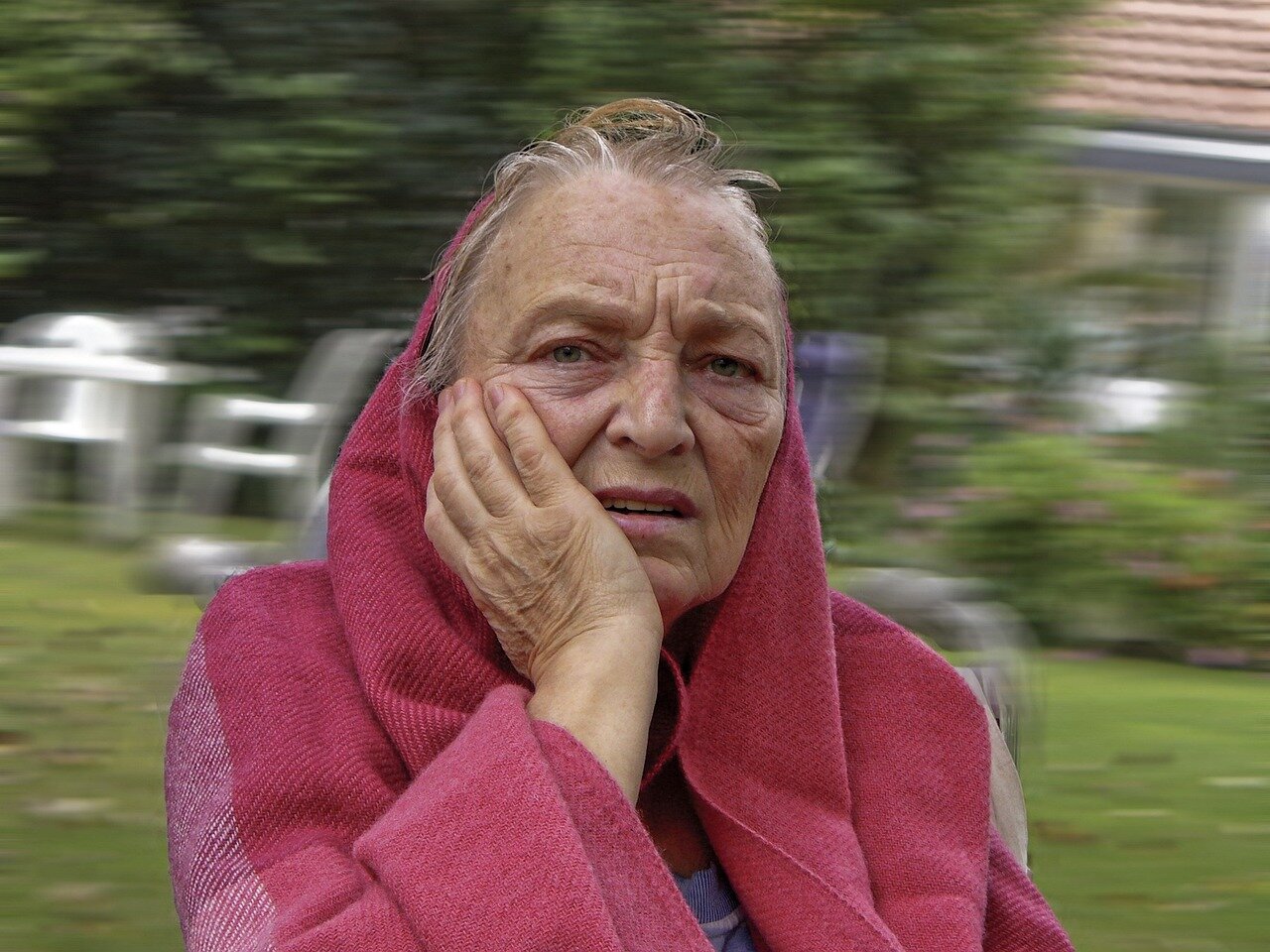
The importance of recognizing heat-related illnesses
Heat-related illnesses, including heat exhaustion and heatstroke, have become increasingly relevant as global temperatures rise due to climate change. Historically, these conditions were often overlooked, with many attributing symptoms to general fatigue or dehydration. However, the growing frequency of heatwaves has raised awareness about the dangers of excessive heat exposure, particularly in vulnerable populations such as the elderly, children, and those with pre-existing health conditions.
In the early 20th century, heat-related illnesses were not well understood, and cases were often misdiagnosed. It wasn’t until the mid-1900s that medical professionals began to recognize the severe consequences of overheating. Key milestones in this understanding include the establishment of guidelines for recognizing and treating heat-related illnesses by health organizations, which have evolved to incorporate new research and data on the effects of heat on the human body.
Socially, the perception of heat-related illnesses has shifted. In the past, these conditions were often seen as a result of personal weakness or lack of preparation. Today, there is a growing recognition of the role of environmental factors and the importance of public health initiatives aimed at educating communities about the risks associated with extreme heat. This shift has been crucial in promoting preventive measures and ensuring that individuals know how to respond effectively when they suspect someone is suffering from heat exhaustion or heatstroke. For practical measures, you might find valuable information in Studio Display XDR review highlights.
Economic implications of heat-related illnesses
The economic impact of heat-related illnesses cannot be underestimated. In addition to healthcare costs associated with treating these conditions, there are broader implications for productivity and public safety. Workplaces, especially those in outdoor or uncooled environments, face increased risks during heatwaves, leading to potential losses in productivity and increased insurance claims. As awareness grows, businesses are beginning to implement better heat safety protocols, recognizing that protecting their workers not only benefits individual health but also their bottom line.

Key factors contributing to heat-related health issues
Heat exhaustion and heatstroke are serious health conditions that can affect anyone, but certain populations are more vulnerable. The main actors involved in addressing these issues include healthcare providers, government agencies, community organizations, and the general public. Each of these stakeholders has specific interests and responsibilities when it comes to preventing and managing heat-related illnesses.
Healthcare providers, including hospitals and emergency services, are primarily focused on patient care and the effective treatment of heat-related illnesses. Their interest lies in having adequate resources, training, and protocols to respond to cases of heat exhaustion and heatstroke. Government agencies, such as public health departments, are tasked with monitoring heat-related health trends and implementing preventive measures. They aim to protect public health, especially during extreme heat events.
Community organizations play a vital role in raising awareness and providing education on the risks of heat-related illnesses. They often work to identify at-risk populations, such as the elderly or those with pre-existing health conditions, and develop outreach programs to ensure these groups receive the necessary support. The general public, on the other hand, has a vested interest in understanding the signs and symptoms of heat exhaustion and heatstroke to protect themselves and others.
Conflicts can arise between these stakeholders, particularly regarding resource allocation and public awareness campaigns. For instance, healthcare providers may advocate for more funding for emergency services, while government agencies might prioritize broader public health initiatives. Additionally, there may be trade-offs in how communities allocate resources to address heat-related health issues versus other pressing health concerns.

- Increased frequency of heatwaves: Climate change is leading to more frequent and severe heatwaves, which heightens the risk of heat-related illnesses.
- Access to healthcare: Disparities in access to healthcare can affect the ability to treat heat-related conditions effectively.
- Public awareness: Lack of awareness about the symptoms and risks associated with heat exhaustion and heatstroke can lead to delayed treatment.
- Policy implications: Government policies regarding urban planning and green spaces can influence community resilience to heat.
- Emergency preparedness: The readiness of emergency services to respond to heat-related health crises is crucial for minimizing casualties.
Who is most affected by heat exhaustion and heatstroke
Heat exhaustion and heatstroke primarily affect vulnerable populations, including the elderly, young children, and individuals with pre-existing health conditions. For further understanding of the challenges these groups face, you can read about video games that engage players in critical thinking about social issues. Workers in outdoor industries such as agriculture, construction, and landscaping are also at heightened risk, as they are exposed to extreme temperatures for prolonged periods.
In the short term, the immediate impact of heat exhaustion and heatstroke includes increased healthcare costs and a surge in emergency room visits. This can strain local healthcare systems, especially in areas with limited resources. Businesses may experience reduced productivity as employees take sick leave or require accommodations to work safely in extreme heat. Additionally, schools may need to implement emergency protocols to protect students during heatwaves, disrupting regular schedules.
In the mid-term, the implications extend to public policy and urban planning. Local governments may need to invest in cooling centers, increase public awareness campaigns, and implement regulations to protect outdoor workers. This could lead to a re-evaluation of labor laws and health standards in various industries. Additionally, there is potential for innovation in cooling technology and heat-resistant materials, creating new market opportunities for businesses focused on climate adaptation.

- Increased healthcare costs and emergency services strain.
- Reduced productivity and increased sick leave in outdoor industries.
- Potential for new policies focused on worker protection and public health.
- Opportunities for innovation in cooling technologies and urban design.
As awareness of heat-related illnesses grows, communities may also see a shift in behaviors and practices aimed at mitigating risks. This can foster a culture of safety and preparedness, ultimately benefiting public health and economic stability.
A: Symptoms of heat exhaustion include heavy sweating, weakness, dizziness, nausea, and headache. If these symptoms are present, it’s crucial to act quickly. A: Move the person to a cooler place, provide water or electrolyte drinks, and encourage them to rest. Loosen their clothing and apply cool, wet cloths to their skin. A: Heatstroke is more severe and can be life-threatening. It occurs when the body temperature rises above 104°F (40°C) and can lead to confusion, seizures, or loss of consciousness. A: If someone shows signs of heatstroke, such as high body temperature, altered mental state, or unconsciousness, call for emergency medical assistance immediately. A: Yes, heat exhaustion can occur in cooler weather if a person is overexerting themselves or not properly hydrating, especially during physical activities.
Frequently asked questions about heat-related illnesses
Key takeaways for preventing heat-related emergencies
Recognizing the signs of heat exhaustion and heatstroke is crucial for timely intervention. Understanding the differences between these two conditions can aid in making informed decisions about the necessary actions to take. Staying vigilant, especially during high temperatures and engaging in outdoor activities, can significantly reduce the risk of heat-related illnesses.
It is essential to prioritize hydration and seek shade or cool environments when feeling overheated. Additionally, knowing when to call for medical help can be life-saving. By being proactive and prepared, individuals can protect themselves and others from the dangers of excessive heat exposure.
- Monitor for symptoms such as heavy sweating, weakness, and confusion to identify heat exhaustion early.
- Recognize that heatstroke requires immediate medical attention; symptoms include high body temperature, altered mental state, and loss of consciousness.
- Encourage regular hydration by drinking water before, during, and after physical activities in hot weather.
- Be aware of vulnerable populations, including the elderly and children, who may be at higher risk for heat-related illnesses.
- Develop a plan for outdoor activities that includes breaks in the shade and a schedule for hydration to prevent overheating.