


The negotiations, which took place over several days, involved representatives from the resident doctors’ association and government officials. Key issues discussed included long working hours, inadequate pay, and the need for better mental health support for medical professionals. For more insights into the implications of these negotiations, check out our article on major changes in A&E services during ongoing strikes.
As part of the new agreement, the government has pledged to review the existing pay structure and implement changes within the next three months. Additionally, provisions for improved working conditions and mental health resources have been outlined, signaling a commitment to support healthcare workers.
This development is crucial as it not only affects the doctors but also impacts patient care across hospitals, which had been severely disrupted during the strike. With the strike now called off, normal operations are expected to resume, alleviating concerns about delays in medical services. For a broader perspective, read our piece on global disease control efforts.
The background of the strike and previous demands from resident doctors
In recent years, the healthcare system has faced significant challenges, leading to increased tensions between resident doctors and government authorities. Resident doctors, who play a critical role in delivering healthcare services, have been vocal about their grievances regarding working conditions, remuneration, and overall support from the government. These issues have culminated in a series of strikes and protests, highlighting the urgent need for reforms within the healthcare sector.

The roots of the current situation can be traced back to longstanding demands for better pay and working hours. Many resident doctors have argued that their salaries do not reflect the demanding nature of their work, which often includes long hours and high-stress environments. In addition to financial concerns, there have been calls for improved facilities and resources in hospitals, which are essential for providing quality patient care.
Key milestones in the resident doctors’ movement
Over the past few years, several key milestones have marked the resident doctors’ movement. In 2020, a nationwide protest was held, drawing attention to the inadequate compensation and lack of protective equipment during the COVID-19 pandemic. This event galvanized support from the public and highlighted the crucial role of resident doctors in the healthcare system.
Following this, negotiations with the government began, but progress was slow. In 2021, a temporary agreement was reached that provided some improvements, yet many residents felt that their core issues remained unaddressed. The recent strike, which was initiated in response to stalled negotiations, drew significant media attention and public support, ultimately prompting the government to revisit its offer.
The recent cancellation of the strike following a new government offer signifies a potential turning point in the ongoing dialogue between resident doctors and authorities. It reflects not only the resilience of the medical community but also the recognition of their vital contributions to public health. As negotiations continue, the outcome will likely shape the future of healthcare policy and the working conditions of healthcare professionals across the country. To learn more about these critical issues, visit our exploration of BBC Inside Science.
Key issues and stakeholders involved in the negotiations
The recent cancellation of the strike by resident doctors highlights the complex dynamics between healthcare professionals and government authorities. The primary stakeholders in this situation include resident doctors, government officials, healthcare organizations, and patients. Each of these groups has distinct interests that influence the ongoing negotiations.
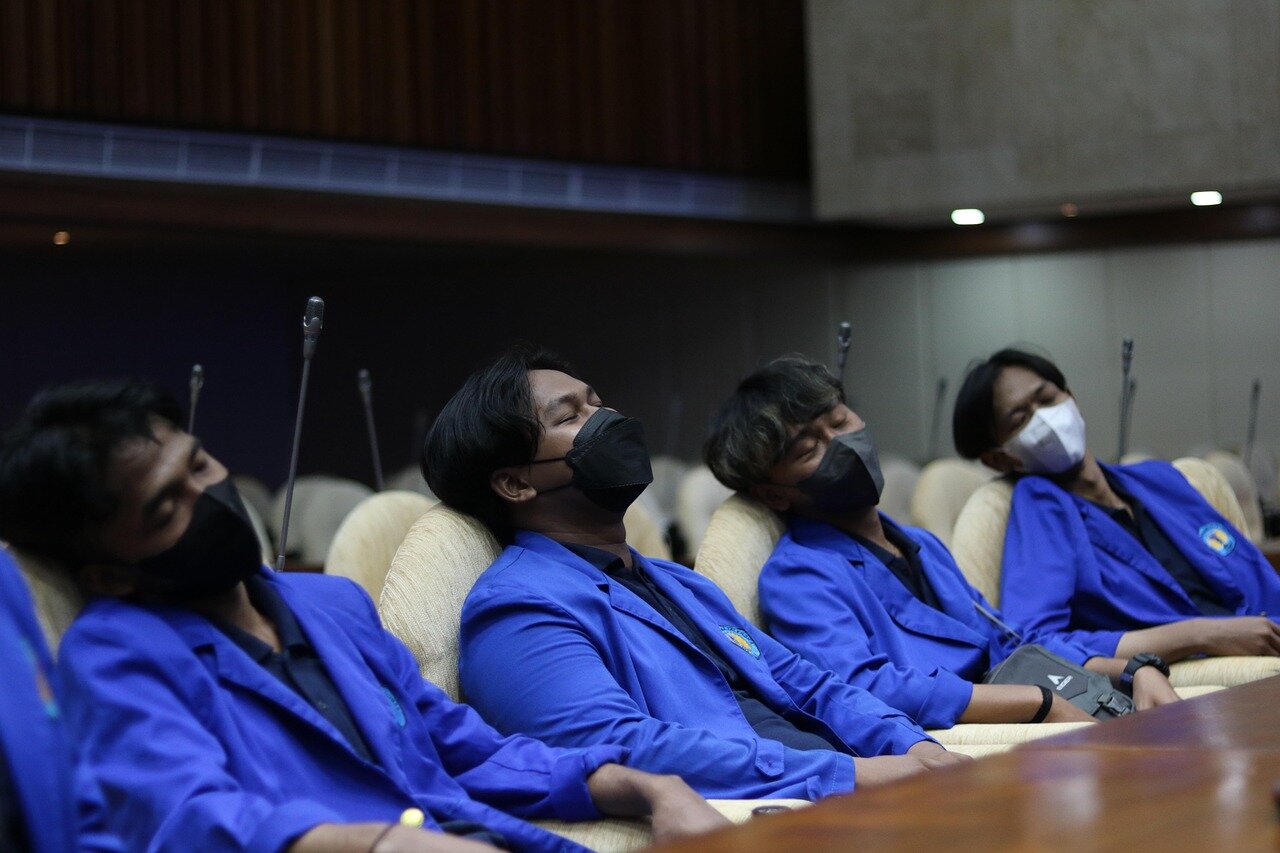
Resident doctors are primarily concerned with their working conditions, compensation, and the overall quality of healthcare they are able to provide. They advocate for better salaries, reduced working hours, and improved resources, which are essential for their professional development and mental well-being. The government, on the other hand, aims to maintain a balance between budgetary constraints and the need to ensure a functional healthcare system.
Healthcare organizations, such as hospitals and medical associations, play a crucial role in mediating between resident doctors and the government. Their interests often align with those of the doctors, as improved working conditions can lead to better patient care. However, they also have to consider the financial implications of any agreements made with the government.
- Compensation and Benefits: The negotiation focuses on salary increases and additional benefits for resident doctors.
- Work-Life Balance: There are discussions around reducing the number of hours resident doctors are required to work to prevent burnout.
- Healthcare Quality: The impact of these negotiations on the quality of care provided to patients is a significant concern.
- Budget Constraints: The government must navigate financial limitations while addressing the demands of resident doctors.
- Legal Framework: Any agreements reached may require legal adjustments to existing labor laws or healthcare regulations.
In summary, the interplay of interests among resident doctors, government officials, and healthcare organizations creates a multifaceted landscape where trade-offs are essential. The resolution of these negotiations will not only affect the doctors but also have far-reaching implications for the healthcare system and the patients it serves.
The impact of the strike cancellation on healthcare services and patients
The recent cancellation of the resident doctors’ strike following a new government offer brings significant changes to various stakeholders in the healthcare sector. Primarily, patients relying on medical services will experience immediate relief as healthcare facilities return to full operational capacity. This is particularly crucial for those awaiting surgeries, consultations, and ongoing treatments that had been postponed due to the strike.
In the short term, hospitals and clinics are likely to see a resurgence in patient volume as trust in the system is restored. This increased activity can lead to a more efficient healthcare delivery system, benefiting not only patients but also healthcare professionals who can now work in a less strained environment. Additionally, the cancellation of the strike may stabilize the workforce, reducing turnover and enhancing team dynamics among medical staff.
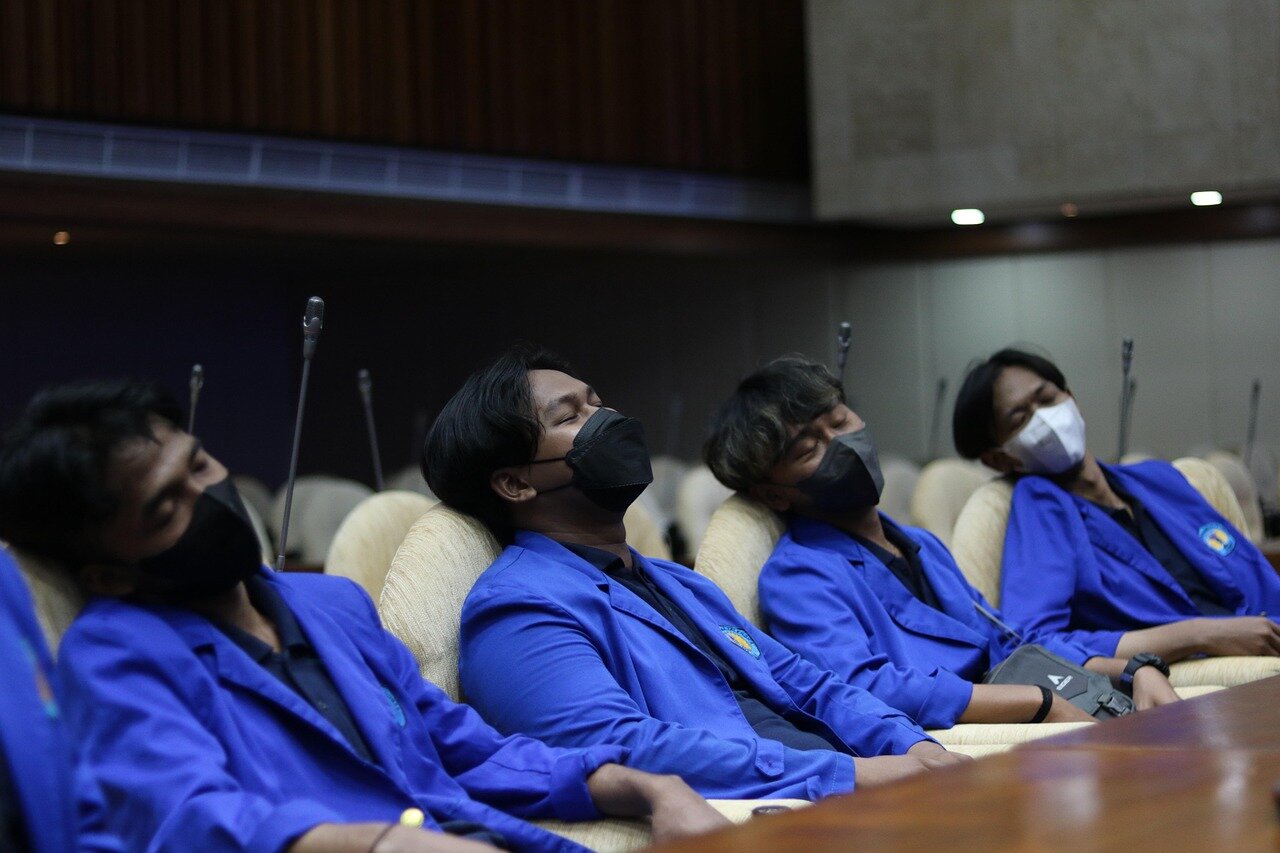
However, there are also risks associated with the sudden return to normalcy. The government’s new offer may not fully address the underlying issues that prompted the strike, potentially leading to dissatisfaction among resident doctors in the mid-term. If these concerns remain unaddressed, there could be a resurgence of unrest, impacting the continuity of care for patients and straining healthcare resources once again.
- Patients: Improved access to healthcare services and reduced waiting times.
- Healthcare Facilities: Increased patient volume and potential revenue growth.
- Resident Doctors: Potential for improved working conditions but risk of future unrest if concerns are not addressed.
- Government: Opportunity to demonstrate commitment to healthcare improvements and staff welfare.
On a broader scale, the cancellation of the strike may influence healthcare policies and funding allocations. The government could see this as an opportunity to invest more in healthcare infrastructure and resident programs, fostering a more robust healthcare system in the long run. This shift could enhance the overall quality of care and attract more individuals to pursue careers in medicine, thereby addressing workforce shortages in the future.
A: The resident doctors went on strike to demand better working conditions, including increased pay and reduced working hours. A: The government offered improvements in pay and working conditions, which addressed some of the key concerns raised by the resident doctors. A: The strike lasted for several days, during which time negotiations were ongoing between the resident doctors and the government. A: The resident doctors will monitor the implementation of the government’s offer and continue discussions to ensure their concerns are fully addressed. A: The cancellation of the strike is expected to restore normal healthcare services, benefiting patients who rely on resident doctors for care.
Frequently asked questions about the strike and its resolution
Key takeaways and future outlook for resident doctors
The recent decision by resident doctors to cancel their strike following a new government offer marks a significant turning point in their ongoing negotiations. This development not only highlights the importance of dialogue between healthcare professionals and government authorities but also underscores the potential for improved working conditions and support for medical trainees. As both parties move forward, the implications of this agreement will be closely monitored by stakeholders in the healthcare sector.
Looking ahead, it will be crucial to assess how the government’s commitments will be implemented and whether they will lead to meaningful changes in the day-to-day experiences of resident doctors. The effectiveness of this agreement could set a precedent for future negotiations and influence the broader landscape of healthcare labor relations.
- Monitoring Implementation: The focus will be on how effectively the government implements its new offer and whether it meets the expectations set during negotiations.
- Impact on Healthcare Services: Improved conditions for resident doctors may enhance the quality of patient care and overall healthcare services.
- Future Negotiations: This agreement could serve as a model for future negotiations between healthcare professionals and authorities, potentially influencing labor relations across the sector.
- Engagement with Stakeholders: Continuous dialogue between resident doctors, government officials, and healthcare organizations will be essential to maintain progress and address emerging concerns.